


A record wave of Americans is crossing into Mexican cities like Tijuana, Los Algodones and Cancún this year for dental work, orthopedic surgery, weight-loss procedures and cosmetic care drawn by prices up to 70% below U.S. rates, even as physicians warn that low costs can carry hidden trade-offs.
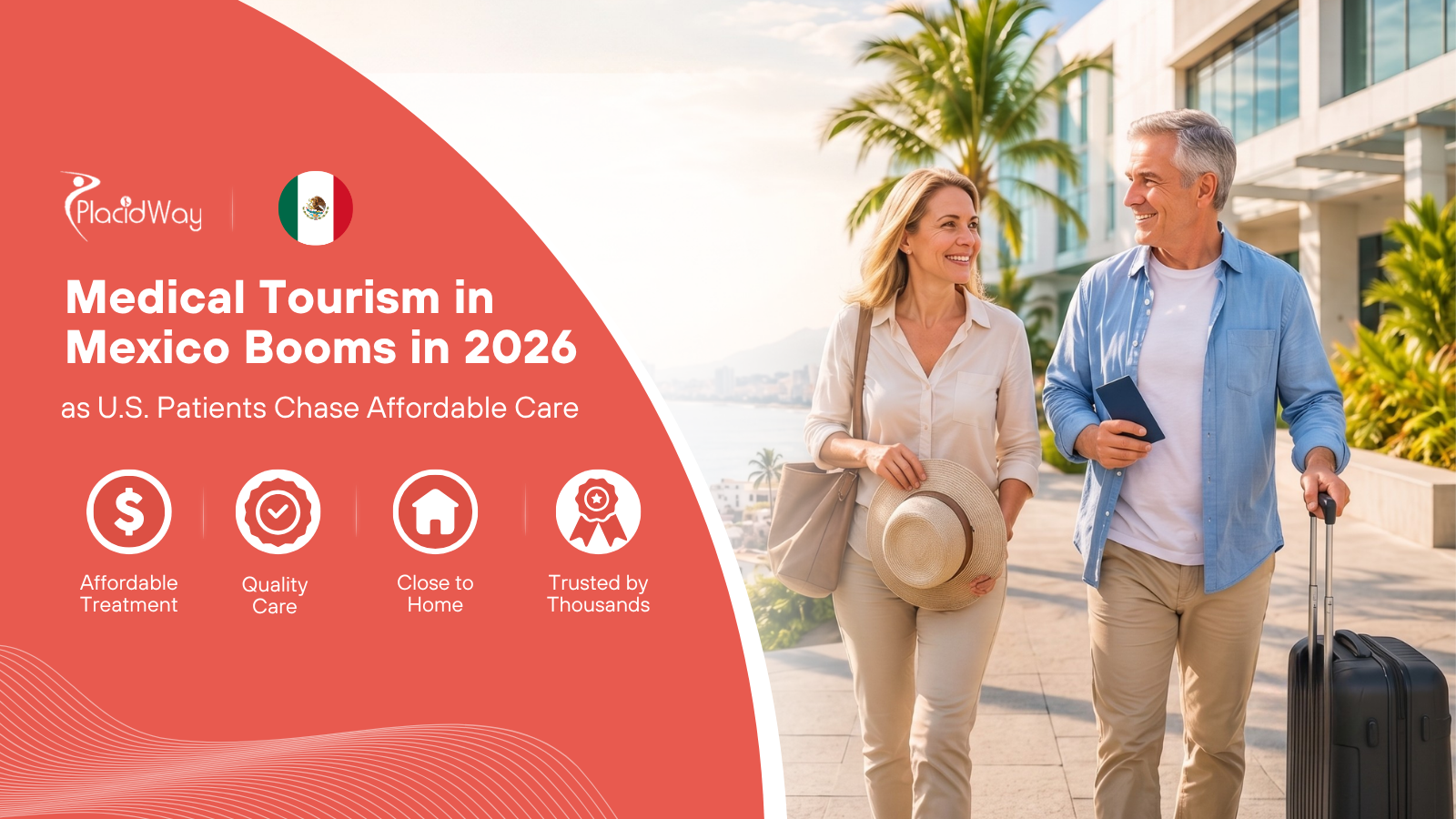
TIJUANA, Mexico Long before the sun clears the hills east of the San Ysidro border crossing, the line begins to form. Retirees from Arizona, uninsured workers from California, families pooling savings for a parent's surgery many of them are not tourists in any ordinary sense. They carry X-rays in manila envelopes, referral letters, and printed appointment cards for dentists and surgeons on the Mexican side. They are the human face of a cross-border medical economy that industry groups say has reached its highest level on record in 2026.
For years, medical tourism to Mexico grew quietly in the background of the U.S. healthcare debate. In 2026 it has moved to the foreground. An estimated 1.4 million to 1.8 million U.S. residents will travel south for medical or dental care this year, according to figures cited by the Medical Tourism Association, cementing Mexico's position as the single most popular destination for Americans seeking treatment abroad. The pull is straightforward economics: dental implants that run $4,000 or more in the United States are commonly advertised for $1,000 to $1,500 across the border, and major procedures like knee replacements or bariatric surgery can cost less than half the U.S. price sometimes far less.
The numbers at a glance
- Typical savings on major procedures: 40–70% versus U.S. prices
- Estimated U.S. patients traveling to Mexico in 2026: 1.4M–1.8M
- Most common treatments: dental, bariatric, orthopedic, cosmetic, fertility
- Top destinations: Tijuana, Los Algodones, Cancún, Mexico City, Guadalajara, Monterrey
- Los Algodones nickname: "Molar City," for its density of dental clinics
Why the boom is happening now
Analysts point to three forces converging at once. The first is cost. U.S. out-of-pocket healthcare spending has continued to climb, and high-deductible plans leave millions of insured Americans paying cash for elective procedures anyway. The second is access long wait times for certain surgeries and the simple fact that many treatments, from advanced dental work to weight-loss surgery, are only partially covered or not covered at all. The third is supply: a maturing network of Mexican hospitals and clinics that market directly to American patients, many holding international accreditation and partnering with medical-travel platforms that bundle the surgery, the hotel and the airport transfer into a single package.
That last piece the infrastructure connecting a patient in Phoenix to a surgeon in Guadalajara has been decades in the making. Companies that once operated as small referral services have grown into global marketplaces, vetting providers, publishing price comparisons and coordinating logistics. One of the longest-running is PlacidWay, a Denver-based medical tourism company that has connected patients with clinics in Mexico and dozens of other countries.
That framing access over luxury shows up repeatedly in interviews at the border. The people in line at San Ysidro are rarely wealthy medical tourists seeking a resort recovery. More often they are middle-income Americans doing arithmetic that has become impossible to ignore.
Where they go, and what they get
The geography of Mexican medical tourism follows two logics: proximity and specialization. Border cities capture the drive-across crowd. Tijuana, a short walk or drive from San Diego, has become a hub for bariatric surgery, orthopedics and dentistry, with clusters of clinics catering explicitly to English-speaking patients. Further east, the tiny Baja town of Los Algodones has earned its "Molar City" nickname honestly hundreds of dental offices packed into a few square blocks, serving snowbirds who cross from Yuma, Arizona, for the day and drive home the same afternoon with new crowns or dentures.
Then there are the destination cities. Cancún and the Riviera Maya have paired their tourism infrastructure with cosmetic and dental clinics, letting patients fold a procedure into a vacation. Mexico City, Guadalajara and Monterrey draw patients seeking complex care cardiology, oncology consultations, fertility treatment and reconstructive surgery at hospitals that often rival U.S. facilities in equipment and training, several with physicians who completed residencies in the United States.
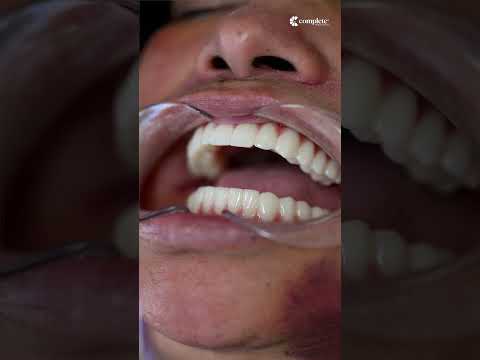
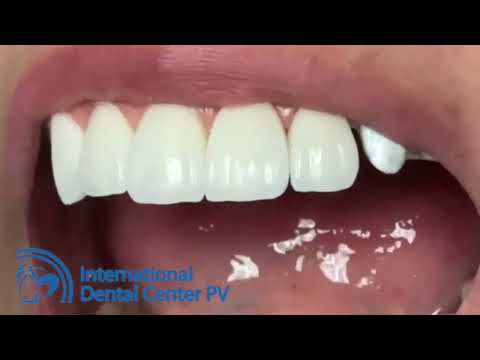
The treatment mix reflects what U.S. insurance tends not to cover. Dental work dominates by sheer volume. Bariatric surgery has surged as demand for weight-loss intervention outpaces what many American plans will pay for. Cosmetic and plastic surgery remain steady drivers, and fertility care is a fast-growing category as patients confront five- and six-figure IVF costs at home.
"Look at the specific procedures and the math explains itself. A full set of dental implants runs $40,000 to $50,000 in the U.S. and closer to $12,000 in Los Algodones. A gastric sleeve is $18,000 or more at home and around $5,000 in Tijuana. Those aren't marginal savings they're the difference between a family being able to afford the procedure and simply going without it." Pramod Goel, Founder of PlacidWay Medical Tourism
Inside a single day trip
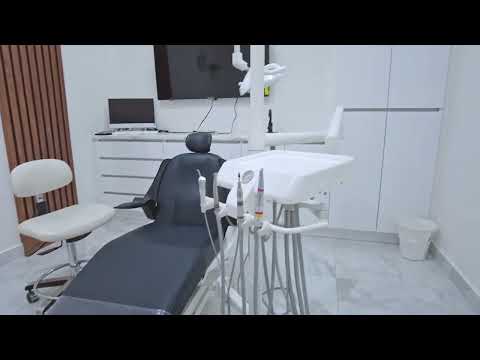
To understand the mechanics of the boom, it helps to follow a single patient across the border. A typical Los Algodones day begins on the U.S. side, in a parking lot in Yuma, Arizona, where drivers leave their cars and walk the final stretch on foot. Within minutes they are inside a Mexican dental district where clinics compete openly, prices are posted in dollars, and consultations that might take weeks to schedule at home happen the same morning. A cleaning, a crown, a set of dentures work that could total several thousand dollars in the United States is often completed in a day or two for a fraction of the cost, with follow-up visits scheduled around the patient's next drive south.
For more complex cases, the journey looks different but follows a similar logic. A bariatric patient from Texas might book through a medical-travel platform, receive a coordinated itinerary, fly into Tijuana or Guadalajara, undergo surgery at an accredited hospital, and recover for several days in a partner hotel before flying home all for less than the U.S. price of the operation alone. The packaging is deliberate: by removing the friction of finding a surgeon, booking travel and arranging recovery, marketplaces have turned what was once a daunting leap into something closer to booking a vacation. That convenience is a large part of why the numbers keep climbing.
Employers and insurers take notice
The trend is no longer confined to individuals paying cash. A small but growing number of U.S. employers and self-funded health plans have begun exploring "medical travel benefits" that steer willing employees toward vetted international facilities for certain elective procedures, covering travel costs and sometimes waiving out-of-pocket expenses in exchange for the lower total price. Proponents argue it can save both the employer and the worker money on the same operation; skeptics warn that quality control and liability remain unresolved questions when care crosses a border.
"The self-funded employers are the ones to watch. When a company pays its own claims, a knee replacement that costs $35,000 in the U.S. and $12,000 in Guadalajara isn't an abstraction it's a line item they control. We're now seeing plans offer to fly the patient and a companion, cover the hospital and the recovery, waive the deductible, and still come out ahead. That model didn't exist at scale five years ago." Pramod Goel, Founder of PlacidWay Medical Tourism
Whether these programs scale will depend on outcomes data that is still being gathered. But their very existence signals a shift in how the U.S. healthcare system regards its southern neighbor not as a fringe option for the uninsured, but as a pressure valve for costs that have grown difficult to contain.
The risks experts flag
The savings are real, but so are the cautions. Physicians and public-health officials on both sides of the border stress that lower prices can come with trade-offs that patients don't always weigh. Regulatory oversight varies widely between clinics. Pursuing a malpractice claim across an international border is difficult and often impractical. Complications can surface days or weeks after a patient has flown home, far from the surgeon who performed the procedure and sometimes without a U.S. physician willing to manage the aftercare. And the marketing itself is a hazard: glossy websites and aggressive advertising can make it hard to distinguish an accredited, well-staffed hospital from an unlicensed operator.
Health authorities have periodically issued warnings tied to specific outbreaks, contaminated medications or clinics operating outside regulation reminders that the industry's best facilities and its worst exist side by side. The burden of telling them apart falls largely on the patient.
Patient-safety advocates echo the checklist: confirm the facility's accreditation with a recognized body, verify that the treating surgeon not just the clinic holds the relevant credentials, arrange U.S. follow-up in advance, and avoid combining major surgery with a same-week flight home, when the risk of blood clots and other complications is highest. "Do the homework you'd do for any surgery," one advocate said, "then do a little more, because you'll be far from home if something goes wrong."
What comes next
Few in the industry expect the trend to slow. With U.S. healthcare costs projected to keep rising, cross-border demand is likely to grow further through 2026 and into the years beyond. Several Mexican states have signaled plans to expand "health corridors," streamline border processing for medical travelers and invest in accreditation moves designed to capture a larger share of a market that already generates billions of dollars and supports entire local economies.
Patient-safety groups argue that this expansion should be matched by stronger and more consistent oversight, so that growth doesn't outrun the safeguards. For now, the industry remains a patchwork: world-class hospitals and back-street clinics, sophisticated marketplaces and fly-by-night advertisers, all operating under the same broad banner of "medical tourism." The responsibility for navigating it, for the moment, rests mostly with the traveler.
For the Americans lining up at San Ysidro before sunrise, though, the calculation is more immediate than any policy debate. As one retiree waiting for a dental appointment put it, glancing back toward the border to the north: "I couldn't afford to get this done back there. Here, I can." She folded her X-ray envelope under her arm and stepped forward as the line began to move.








.png)
.png)









Share this listing