


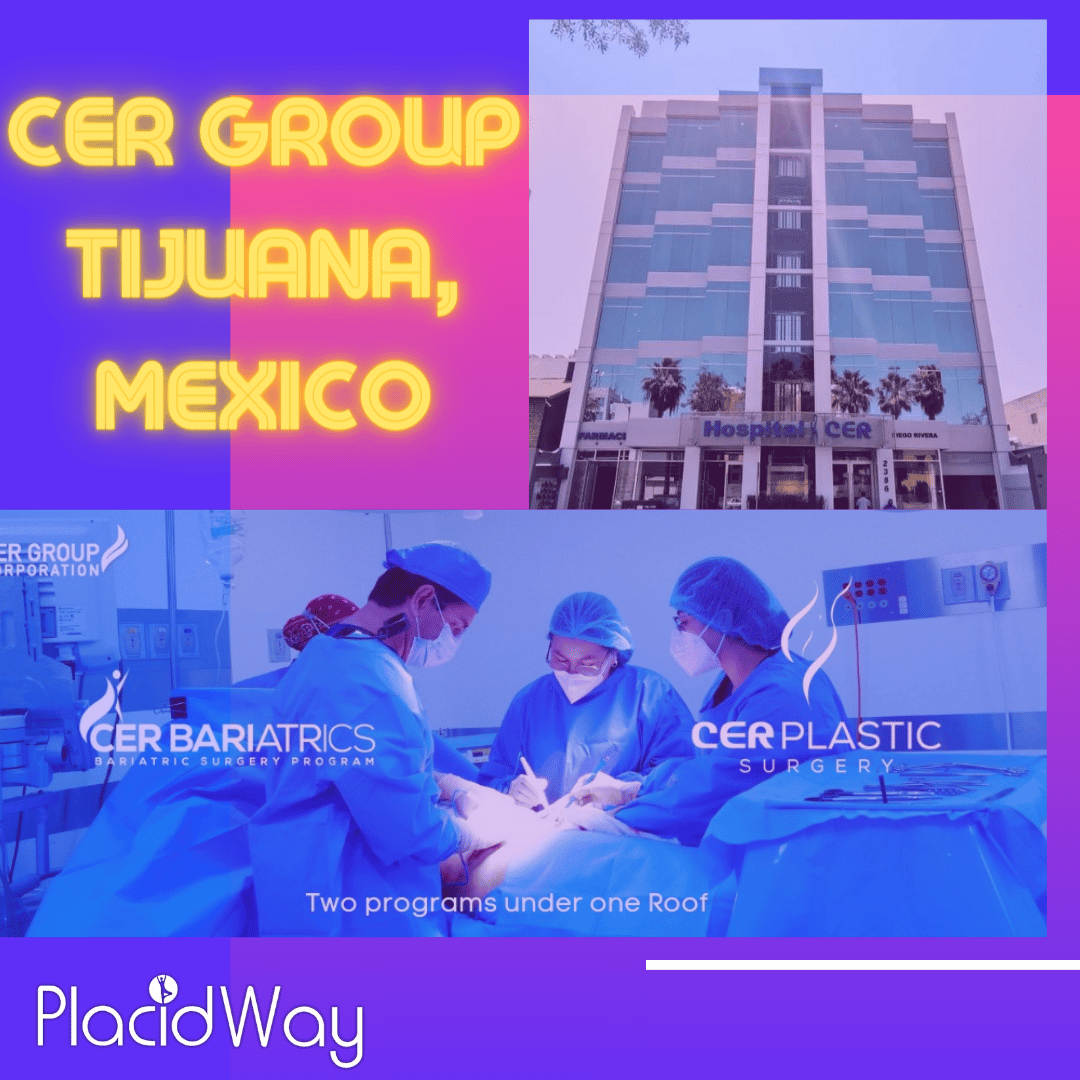
Dental Implant Treatments in Europe
If you are seeking reliable and affordable tooth restoration, choosing Dental Implant Treatments in Europe offers an exceptional combination of high-quality care and remarkable cost savings. Thousands of international patients are discovering that traveling to advanced implantology clinics across the European continent allows them to beautifully restore their missing teeth without the exorbitant fees typically charged in North America or the United Kingdom. European dental centers are celebrated for utilizing cutting-edge diagnostic equipment, employing highly qualified specialists, and adhering to rigorous safety standards, ensuring that your oral health is in the most capable hands.
Combining modern dental technology with highly experienced oral surgeons, undergoing full mouth tooth replacement or single Dental Implant Treatments in Europe guarantees world-class clinical outcomes. Furthermore, the opportunity to undergo recovery in picturesque European destinations transforms a standard medical procedure into a relaxing and memorable healthcare journey. You can confidently achieve a permanent, natural-looking smile while enjoying the renowned hospitality, pleasant climates, and rich cultural heritage that top implantology clinics in Europe have to offer.
Key Takeaways for Your Tooth Restoration Journey
- Significant Cost Reductions: Patients can save between 50% and 70% on Dental Implant Treatments in Europe compared to prices in the United States and Canada, without sacrificing the quality of materials used.
- Premium Quality Materials: European dental clinics utilize globally recognized implant brands made from top-grade titanium and zirconia, ensuring long-lasting durability and optimal biocompatibility.
- Expert Implantologists: Dentists in Europe undergo rigorous academic training and continuous professional development, frequently holding international certifications and vast experience in complex oral surgeries.
- State-of-the-Art Technology: Clinics are equipped with advanced 3D CBCT scanners, digital impression technology, and computer-guided surgery systems for precise and painless implant placement.
- Seamless Patient Experience: Many implantology centers cater specifically to international patients by providing English-speaking staff, dedicated case managers, and expedited treatment timelines.
Cost Overview and Comparison for Dental Implant Treatments in Europe
Understanding the financial aspect of your oral health journey is crucial. The cost of Dental Implant Treatments in Europe is significantly lower than in many Western countries due to lower administrative costs, advantageous exchange rates, and highly competitive healthcare markets. Below is a comparison table illustrating the average costs of a single dental implant (including the titanium post, abutment, and standard crown) across different regions, highlighting the substantial savings you can achieve.
| Location | Average Cost (Single Implant) | Estimated Savings |
|---|---|---|
| Europe (Average across top dental hubs) | $900 - $1,500 | N/A (Baseline) |
| United States | $3,500 - $5,000 | Up to 70% |
| United Kingdom | $2,800 - $4,200 | Up to 65% |
| Canada | $3,000 - $4,500 | Up to 68% |
Note: The prices listed above are estimated averages. Actual costs may vary depending on the complexity of the procedure, the need for bone grafting or sinus lifts, the specific brand of implant chosen, and the individual patient's medical condition.
What’s Included in the Dental Implant Treatments Package
- Comprehensive initial dental consultation and evaluation with a specialized implantologist.
- Pre-operative diagnostic imaging, including panoramic X-rays and 3D CBCT scans to assess bone density.
- The surgical procedure for placing the titanium dental implant post.
- Local anesthesia and necessary sedatives administered during the surgical intervention.
- Standard abutment and final prosthetic crown placement (if part of a single-trip protocol, or during the secondary phase).
- Post-surgical medications, including prescribed antibiotics, anti-inflammatories, and pain relievers.
- Routine follow-up appointments and post-operative progress evaluations before your departure.
What’s Not Included in the Dental Implant Treatments Package
- International airfare and related travel expenses to and from Europe.
- Hotel accommodation and living expenses for the duration of your stay.
- Ground transportation, including airport transfers and daily commutes to the dental clinic.
- Meals and personal dining expenses incurred outside of the clinical setting.
- Comprehensive travel and medical complications insurance policies.
- Fees associated with obtaining travel visas or passports.
- Additional complex procedures not specified in the primary quote, such as extensive sinus lifts or major bone grafting.
Understanding Dental Implant Treatments in Europe
- Purpose: The primary goal is to replace missing or severely damaged teeth with permanent, artificial tooth roots and crowns, restoring both full masticatory function and cosmetic appearance.
- Types of Implants: The most common are endosteal implants (placed directly into the jawbone). Subperiosteal implants (placed under the gum but above the jawbone) may be used for patients with limited bone height.
- How it Works: A small titanium screw is surgically embedded into the jawbone. Over several months, the bone fuses to the implant through a biological process known as osseointegration, creating a rock-solid foundation for the artificial tooth.
- Health Benefits: Beyond aesthetics, implants prevent the bone resorption (shrinkage) that typically occurs when teeth are lost. They also keep adjacent teeth from shifting and preserve your natural facial structure.
- Recovery Time: Initial surgical healing takes about 7 to 14 days. However, complete osseointegration, required before placing the final permanent crown, typically takes 3 to 6 months.
- Success Rate: Thanks to meticulous planning and advanced materials, European implantology clinics boast an exceptional success rate of up to 98%, with implants designed to last a lifetime when properly maintained.
Who Is the Ideal Candidate for Dental Implant Treatments?
- Individuals who are missing one, multiple, or all of their natural teeth and seek a permanent alternative to removable dentures.
- Patients with fully grown jawbones and sufficient bone density to securely anchor the titanium posts (or those willing to undergo preparatory bone grafting).
- People possessing healthy oral tissues, free from active periodontal (gum) disease, which is crucial for successful healing.
- Non-smokers, or individuals willing to strictly cease smoking during the entire healing phase, as tobacco severely impairs osseointegration.
- Patients with good overall physical health who do not have uncontrolled chronic conditions (like severe diabetes or immune deficiencies) that impair bone healing.
- Individuals seeking substantial cost savings on premium restorative dentistry by traveling for their healthcare needs.
Day-by-Day Itinerary for Your Dental Implant Treatments in Europe
- Day 1: Arrival and Settling In: You arrive in your chosen European destination, check into your accommodation, and spend a relaxing evening resting from your journey.
- Day 2: Comprehensive Clinical Assessment: Visit the dental clinic for your initial consultation. The team will perform 3D CBCT scans, evaluate your jawbone, discuss the surgical plan, and address any final questions.
- Day 3: The Surgical Procedure: Under local anesthesia (and optional sedation), the dental surgeon will precisely place the titanium implants into your jawbone. Temporary crowns or healing caps are placed, and you will rest for the remainder of the day.
- Day 4: Initial Recovery and Relaxation: Take this day to rest in your hotel. Follow the post-operative instructions carefully, manage minor swelling with ice packs, and adhere to a strict soft-food diet.
- Day 5: Post-Operative Check-up: Return to the clinic for a follow-up examination. The dentist will evaluate the healing process, adjust any temporary prosthetics if necessary, and review long-term care instructions.
- Day 6 & 7: Gentle Tourism and Departure: Once cleared by your dental specialist, enjoy some light sightseeing in the local European city before catching your flight home. (Note: A second trip is typically required 3-6 months later for the final permanent crown placement).
What to Expect from Your Dental Implant Treatments in Europe
Approaching your Dental Implant Treatments in Europe with realistic expectations ensures a smooth and positive medical journey. Immediately following the surgery, it is completely normal to experience mild to moderate swelling, localized bruising around the jawline, and minor discomfort. These symptoms are typical of any oral surgery and can be highly effectively managed with the prescribed pain medications and cold compresses provided by your European dental care team. Most patients report that the surgical phase is surprisingly swift and much less painful than anticipated.
In the long term, patients experience exceptionally high satisfaction rates. During the osseointegration period—spanning three to six months—you will wear a temporary restoration, allowing you to function normally while the bone heals around the implant. Once your final, customized porcelain or zirconia crowns are affixed during your subsequent visit, you will witness a dramatic transformation. You can expect a fully restored bite force, completely natural aesthetics, and the renewed confidence to smile, speak, and eat without the fear of slipping dentures.
Post-Dental Implant Treatments Recovery in Europe
- Dietary Adjustments: Stick strictly to a soft or liquid diet (like soups, smoothies, and yogurt) for the first week to prevent any mechanical pressure on the newly placed implants.
- Swelling Management: Apply ice packs to the outside of your face in 15-minute intervals during the first 48 hours to significantly reduce swelling and bruising.
- Oral Hygiene Maintenance: Maintain strict oral cleanliness. Use an ultra-soft toothbrush and avoid brushing directly over the surgical site initially. Rinse gently with prescribed antibacterial mouthwash or warm saltwater.
- Avoid Harmful Habits: Do not use straws, as the suction can dislodge blood clots. Smoking and alcohol consumption must be strictly avoided, as they dramatically slow down the healing process and increase the risk of implant failure.
- Physical Exertion: Avoid strenuous physical activities, heavy lifting, or intense cardiovascular workouts for at least one week post-surgery to prevent increased blood pressure and bleeding.
- Medication Compliance: Take all prescribed antibiotics and anti-inflammatory medications precisely as directed by your European implantologist to prevent infection and manage pain.
Why Choose Europe for Dental Implant Treatments?
- Stringent Quality Standards: Dental clinics in Europe are subject to strict European Union health and safety regulations, guaranteeing a hygienic, highly controlled, and secure medical environment.
- Global Expertise: The continent is home to some of the world's most prestigious dental universities, producing highly skilled implantologists who lead the industry in surgical innovations.
- Unmatched Affordability: Despite the premium quality of care, competitive pricing models in various European countries offer international patients massive savings compared to domestic dental fees.
- Multilingual Medical Staff: Clinics catering to dental tourists are fully staffed with fluent English-speaking professionals, eliminating any language barriers during complex medical discussions.
- Premium Implant Brands: European specialists exclusively use world-renowned implant systems (such as Straumann, Nobel Biocare, and Osstem), ensuring your restoration is universally recognized and serviceable worldwide.
- Exceptional Tourism Opportunities: Europe offers unparalleled opportunities to combine necessary medical care with a rejuvenating vacation in safe, culturally rich, and visually stunning destinations.
Explore Europe While You Recover: Top Attractions for Dental Implant Treatments Patients
- Stroll Through Historic Old Towns: Take gentle, relaxing walks through the pedestrian-friendly medieval plazas and cobblestone streets that define many charming European cities.
- Visit World-Class Museums and Galleries: Engage in low-impact cultural activities by exploring renowned art galleries and national museums, which are perfect for a calm and stimulating afternoon.
- Relax in Thermal Baths and Spas: If cleared by your dentist, spend a tranquil day at one of Europe's famous thermal baths or wellness centers, ideal for reducing stress and promoting holistic healing.
- Enjoy Scenic Coastal Retreats: Many premier dental clinics are located near beautiful European coastlines. Breathing in fresh sea air while resting on the beach is excellent for mental and physical recovery.
- Experience Classical Concerts: Sit back and enjoy the rich musical heritage of Europe by attending evening classical music performances or theater shows, requiring minimal physical exertion.
- Delight in Cafe Culture: While you must stick to soft foods, you can still immerse yourself in the vibrant European cafe culture by enjoying smooth coffees, teas, and soft pastries while people-watching in bustling city squares.
FAQs About Dental Implant Treatments in Europe
1. Are Dental Implant Treatments in Europe safe?
Yes. Clinics across Europe adhere to rigorous international and EU medical protocols. They utilize sterilized environments, cutting-edge technology, and top-tier implant brands, ensuring your safety is paramount.
2. How long do dental implants last?
When properly cared for with excellent daily oral hygiene and regular dental check-ups, the titanium implant post can last a lifetime. The visible crown may need replacement every 10 to 15 years due to normal wear and tear.
3. Is the implant surgery painful?
The procedure is performed under local anesthesia, meaning you will not feel pain during the surgery. Post-operative discomfort is generally mild and easily managed with over-the-counter or prescribed pain relievers.
4. Will I need bone grafting before my implant?
This depends entirely on your 3D CBCT scan results. If your jawbone lacks the density or volume needed to securely hold the implant, your European specialist will recommend a bone graft prior to or during the implant placement.
5. How many trips to Europe will I need?
Traditional implant procedures typically require two trips. The first trip is for the surgical placement of the implant. The second trip, usually 3 to 6 months later, is required to attach the permanent crown after successful osseointegration.
6. Can I get a full mouth restoration in Europe?
Absolutely. European implantology centers specialize in complex rehabilitations, including All-on-4 and All-on-6 procedures, which can restore an entire arch of teeth using strategically placed implants.
7. What materials are used for the crowns?
High-quality clinics predominantly use zirconia or porcelain-fused-to-metal (PFM) for crowns. Zirconia is highly favored for its exceptional durability and natural, translucent appearance.
8. Do clinics in Europe offer warranties on implants?
Yes, many reputable dental clinics in Europe provide extensive guarantees or warranties on the implant fixtures themselves, provided you follow their strict post-operative and long-term care guidelines.
9. Will there be a language barrier with my dentist?
No. Top clinics catering to international patients employ doctors and support staff who are highly fluent in English, ensuring crystal-clear communication throughout your medical journey.
10. How long do I need to stay in Europe for the initial surgery?
Most clinics recommend staying for 5 to 7 days. This allows ample time for the initial consultation, the surgical procedure, and essential post-operative monitoring before you fly home safely.
Take the Next Step: How PlacidWay Facilitates Your Dental Journey
Embarking on a medical journey abroad can feel overwhelming, but PlacidWay is here to ensure your pursuit of Dental Implant Treatments in Europe is seamless and stress-free. Here is how we support you:
- Direct Clinic Connections: We connect you directly with globally accredited and rigorously vetted implantology clinics across Europe.
- Transparent Free Quotes: We help you obtain comprehensive, customized, and transparent cost estimates for your specific dental needs without any hidden fees.
- Expert Medical Coordination: Our dedicated team facilitates seamless communication between you and top European implant specialists before you commit to any treatment.
- Tailored Healthcare Options: We provide you with multiple treatment options and clinic profiles so you can make an empowered, informed decision regarding your healthcare.
- Continuous Patient Support: From your initial inquiry to your final post-treatment questions, PlacidWay remains a dedicated resource for your medical facilitation needs.

.png)


.png)
.png)

.png)
.png)
.png)

-1.png)











Share this listing