
Five entries · A composite patient diary
Dental Implants in Istanbul, Turkey
I’m a composite UK patient, not someone PlacidWay interviewed. My five entries bring together the practical decisions a person with missing or failing teeth might face when treatment involves two countries and several months of healing.
I’m in my fifties, I live in the UK, and I’m trying to work out what to do about teeth that can no longer be relied on. That description is illustrative rather than a real patient’s biography. So are the thoughts in this diary. They are here to help you test a treatment plan against the questions you might ask at your own kitchen table, not to stand in for anyone’s clinical notes.
There is no borrowed patient quotation or promised result here. Implant treatment depends on your mouth, general health and the assessment of a qualified dentist. If you recognise your own situation in these pages, take the questions to your UK dentist and to any Istanbul clinic you are considering.
Diary entry 01
The Decision
THEN · WHAT I ASSUMED
My first thought was about the gap in my teeth. My second was about the gap in my budget. I knew that private treatment at home could run into thousands of pounds, and I had heard that implants were not something I should expect routinely through the NHS. I started looking at Istanbul prices as though an implant were one item with one fixed price.
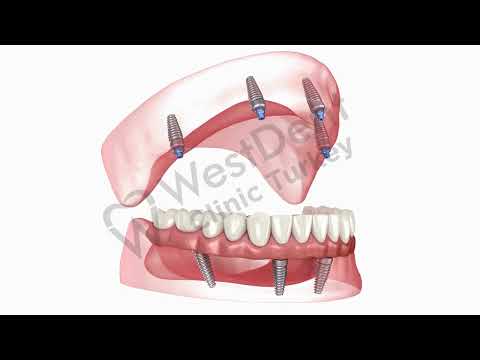
That was too simple. An implant fixture is the part placed in the jawbone. The abutment connects it to the replacement tooth, and the crown is the visible tooth. A price labelled “implant” may cover the fixture alone or all three parts. I could not compare anything fairly until I knew which.
NOW · WHAT I WOULD CHECK
I would ask my UK dentist what is happening with the failing tooth, whether it needs removing, and what alternatives suit me. A bridge or denture may be reasonable, depending on the neighbouring teeth, bone, health and budget. Travelling for an implant is a choice to examine, not a diagnosis.
For Istanbul, I would want the proposed treatment in writing: number of implants, named implant system, the crown material, what is included, and what might change after scans. I would also ask whether the clinic expects one visit or a placement visit followed by a return after healing. That answer affects leave from work just as much as the fee does.
I would not treat an online price as permission to book a flight. A dentist needs to assess gum health, available bone, bite and medical history first. Smoking, diabetes, some medicines and a history of gum disease may affect planning or healing. I would tell both my UK clinician and the treating dentist about those factors rather than guessing which details matter.
A pause between pages · The cost comparison
The figure on the website is not the trip total
I looked beyond Istanbul to sense-check what “affordable” meant. These indicative US-dollar ranges describe a single implant with a fixture, standard abutment and crown where the provider includes all three. They are not like-for-like quotes from named clinics. The clinical plan, implant system, crown material and extras can change the comparison considerably.
| Place | Indicative single-implant range | Possible separate costs to ask about |
|---|---|---|
| Istanbul | $600–$1,400 | Scans, grafting, sinus lift, sedation and travel |
| Antalya | $550–$1,300 | Additional procedures, travel and accommodation |
| Budapest | $900–$1,800 | Consultation, imaging, grafting and travel |
| Kraków | $900–$1,900 | Imaging, grafting, temporary teeth and travel |
| Tirana | $550–$1,200 | Diagnostics, temporary teeth, grafting and accommodation |
| United Kingdom, private | $2,500–$4,600 | Consultation, CT scan, grafting and sedation |
These are approximate self-pay and advertised ranges, not a ranking or a promise of availability. I would ask every provider for a personalised written quote and compare it with flights, at least the expected number of visits, time off, follow-up and the cost of an unplanned return. Exchange rates and inclusions change. A lower headline figure would not outweigh unclear qualifications or an aftercare plan I could not use.
Diary entry 02
Arrival
THEN · THE TRAVEL PLAN
I was tempted to think a direct flight from the UK made the treatment straightforward. London and other UK airports have routes to Istanbul, but the convenient flight still has to fit the dental appointments. Istanbul has more than one major airport. I would check which airport I was actually flying into, how I would reach the clinic, and whether the clinic was arranging a transfer or merely suggesting one.
I would leave room for assessment and recovery rather than fly in late and expect treatment first thing the next morning. A scan or examination on arrival might change the plan. It helps to know the clinic’s address, opening hours and emergency contact before the flight, not while standing outside arrivals with a low phone battery.
NOW · THE REASON TO SLOW DOWN
My moment of doubt would come when the proposed plan met the in-person scan. Suppose the dentist recommended a bone graft that was not on my original estimate. I could feel awkward about questioning it after travelling so far. That is exactly when I would pause.
The doubt would not be resolved by a quick assurance that it was “normal.” I would need the dentist to show me what the scan indicated, explain why grafting was proposed, describe reasonable alternatives and give me an updated fee and timeline in writing. If I still did not understand, I could defer treatment and seek another opinion. Being in Istanbul would not remove my right to decide.
Before committing to a clinic, I would ask who carries out the assessment, who places the implant and who makes or fits the crown. Their names, professional qualifications and current registration in Turkey matter more to me than a general claim about the practice. I would ask which authority licenses the facility, whether any claimed accreditation can be independently checked, and where a complication would be assessed. UK General Dental Council registration is not a requirement for a dentist practising solely in Turkey, so I would not mistake the absence of a UK registration number for a verdict on their Turkish credentials.
Diary entry 03
Procedure Day
THEN · ONE APPOINTMENT IN MY HEAD
At first, I pictured the failing tooth coming out and a finished replacement going in during a single visit. Some patients can have an extraction and implant placement planned close together. Some can have a temporary tooth. Neither follows automatically from an advert or from wanting fewer flights.
I would ask the dentist to distinguish the permanent crown from a temporary restoration. A temporary tooth may be there for appearance or function while healing continues, but its use and what I could bite on would need individual instructions. If the tooth was at the front, that conversation would matter to me before I booked time away.
NOW · THE STAGES I WOULD EXPECT EXPLAINED
The appointment might involve local anaesthetic, implant placement in suitable bone and closure or fitting of a healing component. Extraction, grafting or other steps depend on the plan. A crown is often fitted later, after the implant has healed and joined with the bone. Healing can take several months and varies from person to person, especially if extra procedures are needed.
I would want consent for the actual plan, not just for “implant treatment” as a broad label. I would ask which parts might be uncomfortable, what anaesthetic or sedation was proposed, who would provide it, and what would happen if the scan or surgery showed the planned approach was unsuitable.
The brand question I would ask before anaesthetic
I would request the implant manufacturer, product line and component details in writing. Brand alone cannot tell me whether the planning or placement is good, but identifiable components matter later. If the crown or abutment needs attention in the UK, a dentist may need to know which parts and instruments are compatible. I would ask whether replacement parts are reasonably available to a UK clinician and whether any alternative component is being proposed.
I would also ask whether the crown is cemented or screw-retained, what material is proposed, and how the clinic will check my bite when it is fitted. These are discussions to have with the treating dentist, not specifications I would choose from a price list. If a clinic offers an unusually fast timetable, I would ask what clinical findings make that timetable appropriate for me.
Diary entry 04
Recovery
THEN · A RETURN TICKET TOO SOON
I would be keen to get home, particularly if I had work, a partner or grandchildren expecting me back. But I would not set my flight solely by the cheapest fare. I would ask the dentist how long they want me nearby after surgery, whether they need to review the site before I leave, and what symptoms mean I should contact them promptly.
Some swelling, soreness or minor bleeding can follow oral surgery. How much is expected depends on what was done. I would follow my dentist’s instructions on cleaning, prescribed medicines, eating and activity rather than a general travel checklist. Fever, worsening swelling, bleeding that does not settle or pain that becomes worse would call for clinical advice, not a wait-and-see approach based on this diary.
NOW · A PLAN FOR THE QUIET DAYS
I would keep the clinic’s clinical contact details on my phone and on paper. I would ask what to do outside opening hours and whether a clinician, rather than a travel coordinator, would answer a concern about bleeding or infection. Before flying, I would want to know whom to call if my symptoms changed on the journey home.
I would also tell the clinic if I had an upcoming flight, any other treatment planned at home, or medicines that might affect recovery. A standard discharge sheet is useful, but it should sit alongside instructions for the procedure I actually had. If grafting or a sinus lift was involved, I would ask specifically whether that changes travel or activity advice.
I would check travel insurance before departure and read the exclusions, including anything related to planned treatment and complications. I would not assume ordinary cover pays for corrective dental care, extra nights or a changed flight. Keeping some money aside for an unexpected stay would be sensible, even if I never needed it. That is a practical buffer, not a prediction that something will go wrong.
Diary entry 05
Home
THEN · I THOUGHT THE JOB WAS DONE
Once I was back in the UK, it would be easy to treat the surgery as the whole treatment. But an implant can need months of healing before the final restoration is fitted. I would confirm when the Istanbul clinic expects to review me, what evidence it needs before booking the next visit, and what could delay that appointment.
A return flight is not a small footnote. It could mean more annual leave, another companion’s time, fresh accommodation costs and travel at a less convenient season. I would ask how many appointments the crown stage usually involves and how the clinic handles a crown that needs adjustment after I have returned home.
NOW · TWO COUNTRIES, ONE SET OF RECORDS
I would let my regular UK dentist know what had been done and ask whether they are willing and equipped to provide routine checks around an implant placed elsewhere. I would not assume every practice can obtain the same components or will take responsibility for a complication arising from treatment it did not provide.
If I had new pain, loosening, swelling or a concern about the bite at home, I would contact the Istanbul clinic for its advice and seek timely local dental assessment where needed. NHS urgent dental services can assess urgent problems, but I would not assume the NHS will provide planned private implant aftercare or a replacement crown. A clear agreement with both sides is much better than finding that out while unwell.
My longer-term job would be ordinary maintenance: attend checks recommended by my dentist, clean around the implant as instructed, and report changes rather than waiting for a planned overseas appointment. An implant cannot develop a cavity like a natural tooth, but the surrounding gum and bone still need care. The fact that a crown looks and feels settled would not replace professional review.
A note I would keep
What I would tell someone considering this
I’d say, “Start with the tooth, not the flight.” Have a dentist explain your options first. Then ask the Istanbul clinic for the names and qualifications of the clinicians who will actually treat you, not just a photograph of a team. Check its licence or claimed accreditation with the relevant issuing body. Ask for the implant make, the stages and an itemised quote that covers the finished tooth.
I’d also say that the return visit is part of the decision. Put the second flight, time away and possible adjustments on the same piece of paper as the surgery price. Speak to a UK dentist about what follow-up they could offer before you go. If the answer is limited, make sure the Istanbul clinic has a workable plan for questions after you come home.
And I’d give myself permission to pause if the scan changes the plan. I can ask why, ask what it costs and decide when I understand. That is not being difficult. It is making a decision about my own treatment.
Questions to take to an actual consultation
Before I agree to a plan
I would judge a clinic on more than its quoted fee. For my own comparison, I would give the most attention to clinician qualifications and clinical safety, then to aftercare and long-term follow-up. Implant planning and materials would come next, followed by the full cost, ease of travel from the UK and patient experience I could verify independently. That is a way to organise questions, not a scored ranking of Istanbul clinics or other destinations. Without verified provider-level evidence, naming a winner would tell me very little.
On safety, I would ask who decides whether I am suitable, how gum disease is assessed, and who I would speak to if something changed during treatment. On planning, I would ask whether the written proposal comes from my own examination and imaging or is still an estimate based on photographs. On experience, I would look for independently verifiable information while remembering that another person’s result cannot predict mine.
The aftercare answers need to be specific. Who reviews healing while I am in Turkey? How do I send a concern from the UK? Who pays for an assessment, a replacement component or another journey if treatment needs attention? What will the clinic provide to a UK dentist willing to help? A warranty can be useful, but I would read its conditions rather than assume it covers travel or care at home.
Finally, I would check current UK travel advice and entry requirements before buying flights. I would take my medical and dental questions to my own clinicians. A coordinator can help gather information and compare written proposals, but cannot decide whether an implant, graft or particular timetable is right for my mouth.
Editor’s note: This five-entry diary is a composite, not a consented patient interview or a report of an individual treatment outcome. Its first-person voice illustrates questions to ask and does not replace personalised dental advice.
























Share this listing