



Restoring Fertility: Tubal Ligation Reversal in Poland
Choosing an effective Tubal Ligation Reversal package in Poland is a transformative decision for women seeking to restore their natural fertility and expand their families. This specialized fertility restoration surgery in Poland has gained immense popularity among international patients due to the combination of high medical standards and cost-effectiveness. By utilizing advanced microsurgical techniques, Polish gynecological surgeons can reconnect the fallopian tubes with precision, offering renewed hope for natural conception.
Patients traveling for tubal reanastomosis in Poland benefit from a healthcare system that adheres to strict European Union safety regulations while maintaining prices significantly lower than those found in the United States or Western Europe. The clinics offered through this package are equipped with state-of-the-art technology, ensuring that your journey toward parenthood is supported by world-class medical infrastructure. Beyond the medical advantages, the compassionate care provided by English-speaking medical staff ensures a comfortable and stress-free experience throughout the treatment process.
Key Takeaways for Patients
- Significant Cost Reduction: Patients can save up to 60% on microsurgical tubal reversal procedures in Poland compared to prices in the UK or North America without compromising quality.
- Expert Microsurgery: The procedure is performed by highly experienced gynecologists specializing in microsurgery, ensuring precise reattachment of the fallopian tubes for optimal patency.
- No Waiting Lists: Private clinics in Poland offer flexible scheduling, allowing you to book your surgery at a time that suits your personal and travel needs immediately.
- Comprehensive Care: Packages typically cover pre-operative testing, the surgical procedure, hospitalization, and post-operative consultations in a modern clinical setting.
- European Safety Standards: Medical facilities in Poland operate under rigorous EU healthcare directives, ensuring strict hygiene protocols and patient safety measures are met.
Cost Overview and Comparison for Tubal Ligation Reversal in Poland
One of the primary drivers for medical tourism is affordability, and the cost of Tubal Ligation Reversal in Poland presents a compelling financial advantage. While the quality of care remains on par with top Western facilities, the lower cost of living and operational expenses in Poland allow clinics to offer premium surgical packages at a fraction of the international average. This financial accessibility removes a major barrier for many couples hoping to conceive again.
| Country | Average Procedure Cost (USD) | Estimated Savings |
|---|---|---|
| Poland | $2,500 - $4,200 | - |
| United Kingdom | $6,500 - $8,500 | $4,000+ |
| United States | $12,000 - $20,000 | $9,500+ |
| Germany | $7,000 - $9,000 | $4,500+ |
*Note: The prices listed above are estimates and may vary based on the specific clinic, the complexity of the tubal reversal surgery, the type of anesthesia required, and the individual patient's medical condition. It is recommended to request a personalized quote for accuracy.*
Comprehensive Inclusions for Your Fertility Surgery
What’s Included in the Tubal Ligation Reversal Package
- Initial Medical Consultation: A thorough pre-surgical evaluation with the gynecological surgeon to review medical history and confirm candidacy for the procedure.
- Pre-operative Testing: Essential blood work, ultrasound scans, and other diagnostic tests required to ensure patient safety before surgery.
- Surgical Procedure: The complete microsurgical tubal reanastomosis performed in a sterile, fully equipped operating theater.
- Anesthesia Services: Fees for the anesthesiologist and the administration of general anesthesia during the surgery.
- Hospital Stay: Overnight accommodation in the clinic or hospital (typically 1 to 2 nights) with nursing care and monitoring.
- Medications: Necessary post-operative medications, including painkillers and antibiotics, for the initial recovery period.
- Follow-up Consultation: A post-surgery check-up to examine the incision site and discuss recovery protocols before you return home.
Important Exclusions to Consider
What’s Not Included in the Tubal Ligation Reversal Package
- International Airfare: Costs associated with flights to and from Poland are the responsibility of the patient.
- External Accommodation: Hotel stays before admission to the hospital or after discharge during the recovery phase.
- Travel Insurance: Comprehensive medical travel insurance is highly recommended but usually not included in the clinic package.
- Visa Fees: Any costs related to obtaining a Schengen visa or travel permits to enter Poland.
- Meals and Personal Expenses: Food outside of the hospital stay, transportation, sightseeing, and other personal incidental costs.
- Complication Management: Additional treatments required for unforeseen medical complications, though rare, are typically billed separately.
Understanding Tubal Ligation Reversal in Poland
To make an informed decision, it is vital to understand the medical nuances of tubal reversal surgery in Poland. This procedure is delicate and requires high-level surgical skills to ensure the best chances of natural conception.
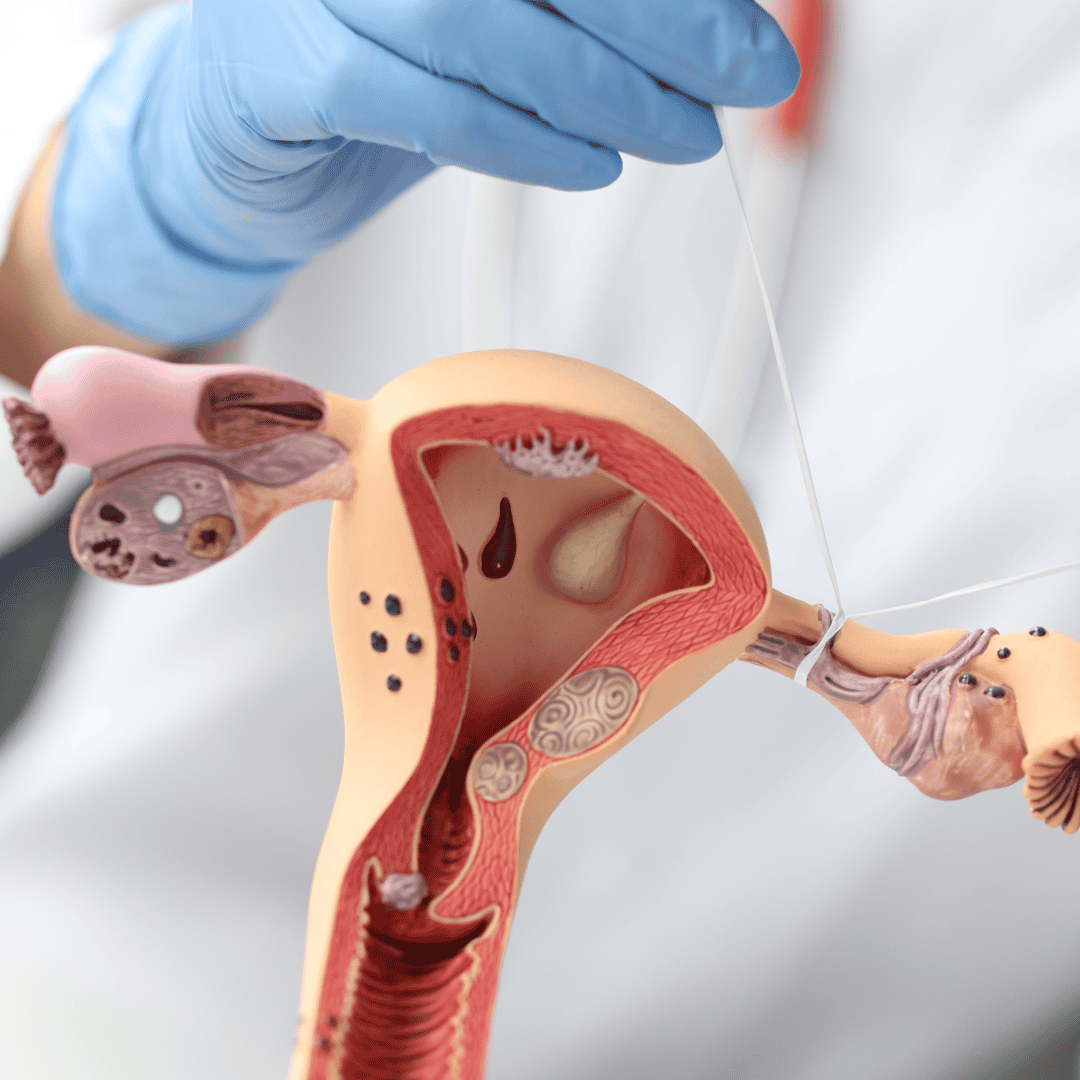
- Purpose of the Procedure: The primary goal is to restore fertility in women who have previously undergone tubal ligation (having their "tubes tied") by reconnecting the separated segments of the fallopian tubes.
- Microsurgical Technique: Polish surgeons utilize advanced microsurgery, which involves using a microscope and very fine sutures to align the narrow lumens of the fallopian tubes precisely. This minimizes scarring and maximizes the chance of the tubes remaining open.
- How It Works: The surgeon makes a small incision (often a "mini-laparotomy" near the bikini line), removes the blocked or scarred ends of the tubes, and stitches the healthy ends back together. Dye is often flushed through the tubes to confirm they are watertight and open.
- Types of Ligation Reversed: The success of the reversal often depends on the type of original ligation. Clips and rings are generally easier to reverse with higher success rates compared to tied/cut or cauterized tubes, although skilled surgeons in Poland handle complex cases as well.
- Success Rates: While individual results vary, successful pregnancy rates after reversal can range from 60% to 80% for optimal candidates. This is often higher and more cost-effective over time than repeated IVF cycles for many women.
- Recovery Timeline: Most patients can return to light daily activities within a week and resume full normal activities, including work, within 2 to 3 weeks. Attempting to conceive is usually permitted after the first normal menstrual cycle following surgery.
Who Is the Ideal Candidate for Tubal Reversal?
Not every patient is automatically suited for tubal ligation reversal in Poland. Surgeons evaluate specific criteria to ensure the procedure is safe and likely to result in a successful pregnancy.
- Age Considerations: While there is no strict legal age limit, women under the age of 40 to 42 generally have higher egg quality and ovarian reserve, leading to better pregnancy outcomes.
- Tube Length: The remaining segments of the fallopian tubes must be of sufficient length (generally at least 4cm combined) to allow for functional reconnection and natural fertilization.
- Healthy BMI: Candidates should ideally have a Body Mass Index (BMI) within a healthy range. Excessive weight can increase surgical risks and complicate the healing process.
- Normal Ovulation: The patient must have a regular menstrual cycle and confirmed ovulation or a good ovarian reserve (indicated by FSH and AMH hormone levels).
- Partner’s Fertility: It is crucial that the male partner has a normal sperm count and motility. If male factor infertility exists, IVF might be a more suitable option than reversal.
- Absence of Other Issues: The patient should be free from other pelvic pathologies such as severe endometriosis or large fibroids that could hinder conception.
Day-by-Day Itinerary for Your Procedure in Poland
Planning your trip for fertility surgery in Poland is easier with a clear schedule. This itinerary outlines a typical 5 to 7-day stay tailored for international patients.
- Day 1: Arrival and Consultation: Arrive in Poland. You will be transferred to your hotel or clinic. Later, you will have your initial in-person consultation with the surgeon, undergo pre-op blood tests, and receive an ultrasound examination.
- Day 2: The Surgery Day: Admission to the clinic in the morning. The microsurgical tubal reversal is performed under general anesthesia, lasting approximately 2 to 3 hours. You will spend the rest of the day recovering in the hospital room under nursing supervision.
- Day 3: Hospital Recovery and Discharge: The doctor will check your incision and general condition. If your recovery is progressing well, you will be discharged from the clinic to your hotel. You will be given pain management medication and instructions.
- Day 4: Rest and Relaxation: This day is dedicated to resting at your hotel. It is important to minimize movement, stay hydrated, and eat light meals. You should avoid any strenuous activity or sightseeing.
- Day 5: Gentle Recovery: You may feel strong enough for short, gentle walks inside your hotel or nearby, which helps circulation. Continue to rest and follow the wound care instructions provided by the clinic.
- Day 6: Follow-up Check: Return to the clinic for a final wound check and consultation. The surgeon will ensure healing is on track and provide clearance for travel.
- Day 7: Departure: Most patients are fit to fly home on this day. Assistance with airport transfer can be arranged, marking the end of your medical journey in Poland.
What to Expect from Your Tubal Ligation Reversal in Poland
Undergoing tubal reversal surgery in Poland is a major medical event, and knowing what to expect helps manage anxiety. The procedure is performed using a "mini-laparotomy" incision, which is typically 2 to 3 inches long and located just above the pubic hairline. This placement ensures that the scar is easily hidden by undergarments or swimwear once healed.
Post-surgery, patients should expect some soreness and discomfort around the incision site, which is manageable with prescribed painkillers. Some women experience shoulder pain due to the gas used during surgery or abdominal cramping similar to menstrual pain. While the immediate physical recovery takes a few weeks, the emotional journey continues as you begin trying to conceive. Most surgeons recommend waiting for one full menstrual cycle before attempting pregnancy to allow the uterine and tubal tissues to heal completely.
Post-Procedure Recovery in Poland
A successful outcome depends heavily on how well you care for yourself after the tubal reanastomosis procedure. Following your Polish surgeon's advice is critical.
- Incision Care: Keep the incision area clean and dry. You will be advised on when you can shower (usually 48 hours post-op) and how to change dressings if necessary.
- Physical Activity: Avoid lifting anything heavier than 10 pounds for at least 4 weeks. Strenuous exercise, including running or gym workouts, should be avoided until the doctor gives the all-clear.
- Dietary Adjustments: Eat a fiber-rich diet and stay hydrated to prevent constipation, which can strain the abdominal muscles and incision site.
- Driving Restrictions: Do not drive while taking prescription pain medication or if you feel any discomfort when using the pedals. Most patients wait 1-2 weeks before driving.
- Monitoring Signs: Be vigilant for signs of infection such as fever, excessive redness, or discharge from the wound, and contact your clinic immediately if these occur.
- Sexual Activity: Abstain from sexual intercourse for at least 2 to 3 weeks to prevent pelvic infection and allow the internal sutures to heal securely.
Why Choose Poland for Tubal Ligation Reversal?
Poland has emerged as a premier destination for fertility tourism in Europe. Here are the distinct advantages of choosing this location for your surgery:
- World-Class Specialists: Polish gynecologists are renowned for their rigorous training and expertise in reproductive microsurgery, often contributing to international medical research.
- Advanced Medical Infrastructure: Private clinics in Poland utilize the latest laparoscopic and microsurgical equipment, matching the technological standards of the US and UK.
- Affordability without Compromise: The lower cost is due to economic factors, not a lack of quality. You receive premium care for a fraction of the price found elsewhere.
- No Language Barrier: Major medical centers catering to international patients have fluent English-speaking doctors and support staff, ensuring clear communication.
- Privacy and Comfort: Private rooms and personalized attention are standard in Polish private hospitals, offering a level of comfort that feels more like a hotel than a clinic.
- Central European Location: Poland is easily accessible via short flights from all major European capitals, making travel convenient for patients from the UK, Ireland, and Scandinavia.
Explore Poland While You Recover: Top Attractions for Patients
If you extend your stay for recovery in Poland, the country offers a peaceful and culturally rich environment. While strenuous activity is prohibited, gentle sightseeing can be good for morale.
- Old Town Warsaw: A UNESCO World Heritage site, the reconstructed Old Town offers flat, paved walking areas perfect for a slow, relaxing stroll to admire the architecture and enjoy a coffee.
- Lazienki Park (Warsaw): As the largest park in Warsaw, it provides a serene environment with palaces, pavilions, and peacocks, offering plenty of benches for resting during your walks.
- Main Market Square (Krakow): If your clinic is in Krakow, the expansive market square is ideal for sitting at a café, people-watching, and enjoying the historic atmosphere without physical exertion.
- Wieliczka Salt Mine Health Resort: While the full tour involves walking, the surface graduation towers offer inhalation therapy with brine mist, which is relaxing and beneficial for general health.
- Vistula River Boulevards: Most major Polish cities lie on the Vistula River. The promenades offer flat, scenic paths for very gentle walking to get fresh air during your recovery.
FAQs About Tubal Ligation Reversal in Poland
1. What is the success rate of Tubal Ligation Reversal in Poland?
Success rates generally range between 60% and 80%, depending on factors like age, the type of original ligation, and the length of the remaining tube. Polish clinics will provide a personalized estimate after reviewing your medical records.
2. Is the procedure painful?
The surgery is performed under general anesthesia, so you will feel no pain during the procedure. Post-operative pain is typically moderate and managed effectively with oral painkillers prescribed by your Polish surgeon.
3. How long do I need to stay in Poland?
Most patients need to stay in Poland for 5 to 7 days. This allows time for the pre-op consultation, surgery, hospital recovery, and a final follow-up check before flying home.
4. Can I undergo IVF in Poland if the reversal fails?
Yes, Poland is also a leading destination for IVF. If the reversal is not successful or if you are not a good candidate for surgery, the clinics can seamlessly transition you to an IVF treatment plan.
5. Are Polish fertility clinics accredited?
Yes, reputable clinics in Poland are registered with the Polish Ministry of Health and often hold ISO certifications. Many surgeons are members of European fertility societies, ensuring high standards.
6. Will I have a visible scar?
The incision is made horizontally near the bikini line (similar to a C-section but smaller, about 2-3 inches). It usually heals well and fades over time, becoming barely noticeable.
7. Do I need to bring my partner?
While not medically required for your surgery, having a companion is highly recommended for emotional support and to help with luggage or mobility during the first few days of recovery.
8. How soon can I fly after surgery?
Most doctors clear patients to fly 4 to 5 days after surgery, provided there are no complications. It is important to walk around the cabin during the flight to prevent deep vein thrombosis (DVT).
9. What documents do I need for my medical trip?
You will need your passport, any required visa for Poland (Schengen Area), your medical records (operative report of the original ligation), and recent hormone test results if requested.
10. Is the cost of medication included in the package?
Medications administered during your hospital stay are included. Prescriptions for pain relief and antibiotics to take after discharge are usually inexpensive in Poland but may need to be purchased at a pharmacy separately.
Begin Your Journey to Parenthood with PlacidWay
PlacidWay is your trusted partner in navigating the world of medical tourism, helping you access top-tier fertility care in Poland with ease and confidence.
- Vetted Medical Providers: We connect you exclusively with accredited clinics and board-certified surgeons in Poland who have a proven track record in tubal reversal surgeries.
- Transparent Pricing: Get detailed, all-inclusive quotes upfront so you can plan your finances without worrying about hidden fees or unexpected hospital costs.
- Personalized Coordination: Our dedicated team assists in gathering your medical records and facilitating communication with the doctor to ensure you are a suitable candidate before you travel.
- Patient Advocacy: From the moment you inquire until you return home, PlacidWay acts as your advocate, ensuring your questions are answered and your medical needs are prioritized.
- Free Resources: Access patient testimonials, doctor profiles, and clinic virtual tours to make an educated decision about your reproductive health.







.png)
.png)

.png)
















Share this listing