



Comprehensive Guide to Stem Cell Treatment for Autism in Mexico
Finding an effective Stem Cell Treatment for Autism in Mexico has become a priority for many families seeking advanced regenerative medicine solutions that are both high-quality and financially accessible. Mexico has emerged as a global leader in providing innovative therapies for Autism Spectrum Disorder (ASD), offering cutting-edge protocols that utilize mesenchymal stem cells (MSCs) to potentially alleviate symptoms and improve the quality of life for patients. By choosing Mexico, patients gain access to world-class medical facilities that operate under strict regulatory guidelines, ensuring safety while providing treatments that may not yet be widely available or affordable in other North American or European countries.
The appeal of stem cell therapy for autism in Mexico extends beyond just cost savings; it lies in the holistic and patient-centered approach adopted by top-tier Mexican clinics. Medical tourists are discovering that these facilities are staffed by board-certified specialists who are often trained internationally, bringing a wealth of knowledge to the treatment of neurological conditions. Furthermore, the packages available in Mexico are designed to be all-encompassing, often combining the biological treatment with supportive therapies, ensuring that the patient receives a comprehensive care plan tailored to their specific developmental needs.
Key Takeaways: Regenerative Therapy for ASD in Mexico
- Significant Cost Efficiency: Patients can expect to save between 50% to 70% on stem cell protocols in Mexico compared to similar treatments in the United States or Europe, without compromising on medical standards.
- Advanced Cellular Products: Clinics in Mexico predominantly use ethically sourced Human Umbilical Cord Tissue Mesenchymal Stem Cells (HUCT-MSCs), known for their high potency and anti-inflammatory properties beneficial for autism.
- World-Class Medical Infrastructure: Leading hospitals and specialized clinics in Mexico utilize state-of-the-art technology and adhere to international hygiene and safety protocols.
- Experienced Specialists: You will be treated by immunologists and neurologists who specialize in regenerative medicine and have extensive experience treating pediatric and adult autism cases.
- Comprehensive Care Packages: Treatment packages in Mexico often bundle medical consultations, the procedure itself, and necessary follow-up exams into one transparent price.
- Convenient Accessibility: For patients in North America, Mexico offers short travel times and convenient flight connections, reducing the stress often associated with long-haul medical travel.
Cost Analysis: Stem Cell Treatment for Autism in Mexico
When evaluating the financial aspect of medical care, the cost of Stem Cell Treatment for Autism in Mexico stands out as a major advantage for international families. In the United States, regenerative therapies are often classified as experimental and are rarely covered by insurance, leading to exorbitant out-of-pocket expenses. Conversely, Mexican clinics offer competitive pricing structures due to lower overhead costs and a favorable exchange rate, allowing them to pass significant savings on to the patient. A typical package in Mexico allows families to access higher cell counts and more comprehensive protocols for a fraction of the price found north of the border.
Below is a comparative table illustrating the estimated costs for stem cell therapy for autism across different countries. This comparison highlights the potential financial benefits of choosing Mexico as your treatment destination.
| Country | Estimated Cost (USD) | Estimated Savings |
|---|---|---|
| Mexico | $6,000 - $15,000 | - |
| United States | $15,000 - $30,000+ | 60% - 70% |
| United Kingdom | $18,000 - $25,000 | 50% - 60% |
| Canada | $20,000 - $35,000 | 65% - 75% |
*Note: The prices listed above are estimates and can vary significantly based on the specific medical facility, the number of stem cells required (dosage), the complexity of the patient's condition, and the inclusion of additional therapies such as hyperbaric oxygen or occupational therapy.*
Standard Inclusions for Autism Stem Cell Packages in Mexico
What’s Included in the Stem Cell Treatment for Autism Package
- Comprehensive Medical Evaluation: A thorough review of the patient's medical history, current neurological status, and blood work prior to the procedure to ensure safety and suitability.
- Stem Cell Dosage: Administration of the specific quantity of Mesenchymal Stem Cells (usually ranging from 30 million to over 100 million cells) tailored to the patient’s weight and condition.
- Procedure Costs: All fees related to the administration of the stem cells, whether via Intravenous (IV) drip or Intrathecal injection, performed in a sterile clinical environment.
- Professional Fees: Complete coverage of honorariums for the lead specialist, anesthesiologist (if sedation is required), and nursing staff during the treatment.
- Pre- and Post-Procedure Medication: Necessary medications required during the stay, including anti-inflammatories or prophylactic antibiotics if deemed necessary by the physician.
- Facility Fees: Charges for the use of the hospital room, recovery room, and specialized medical equipment during the treatment session.
- Follow-up Consultation: An initial post-procedure review before discharge to monitor immediate reactions and ensure the patient is stable for travel.
Exclusions to Anticipate for Your Mexico Treatment
What’s Not Included in the Stem Cell Treatment for Autism Package
- International Airfare: Flights to and from Mexico are the responsibility of the patient and their family.
- Accommodation: Hotel stays or rental apartments are generally not included unless specified in a premium all-inclusive tier.
- Ground Transportation: While some clinics offer airport pickups, general transfers around the city for leisure or dining are usually excluded.
- Travel Documents: Costs associated with obtaining passports or travel visas required to enter Mexico.
- Meals and Personal Expenses: Food and beverages outside of the clinic, as well as souvenirs and sightseeing costs.
- Extended Physical Therapy: Ongoing ABA therapy or occupational therapy sessions after returning home are not part of the package.
- Complication Insurance: specialized medical travel insurance is recommended but typically purchased separately by the patient.
Understanding Stem Cell Therapy for Autism in Mexico
To make an informed decision, it is crucial to understand the biological mechanisms behind Stem Cell Treatment for Autism in Mexico. This therapy is not a cure but a regenerative approach aimed at addressing the underlying physiological issues often associated with ASD, such as neuroinflammation and immune dysregulation. The goal is to improve the functional abilities of the patient through cellular repair.
- Primary Purpose: The treatment aims to reduce inflammation in the brain and gut (gut-brain axis), improve blood flow (hypoperfusion), and regulate the immune system to allow for better neural connectivity and development.
- Source of Cells: Most Mexican clinics utilize Allogeneic Mesenchymal Stem Cells (MSCs) derived from donated umbilical cord tissue (Wharton’s Jelly). These cells are preferred because they are young, potent, and immune-privileged, meaning they do not require a match and carry a very low risk of rejection.
- Administration Methods: The most common method is Intravenous (IV) infusion, which is minimally invasive. Some protocols may also include Intrathecal administration (injection into the spinal canal fluid) to bypass the blood-brain barrier more effectively, depending on the doctor's recommendation.
- Mechanism of Action: Once introduced into the body, stem cells seek out areas of inflammation. They release growth factors and anti-inflammatory proteins (paracrine effect) that help repair damaged tissue and promote the growth of new blood vessels and neural connections.
- Recovery Time: The procedure is generally performed on an outpatient basis. Recovery is quick, with most patients returning to normal light activities within 24 to 48 hours.
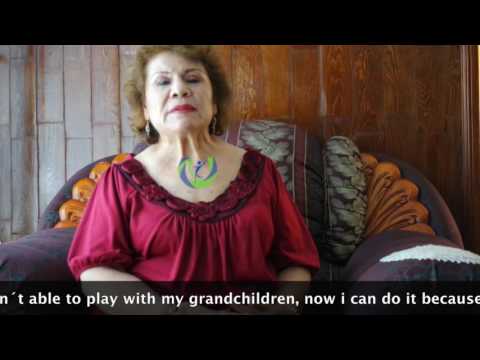
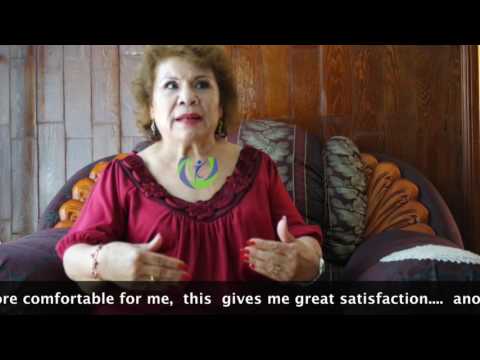
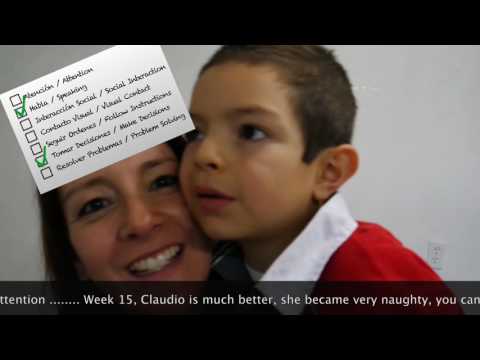
- Success Metrics: While results vary, many parents report improvements in speech patterns, eye contact, social interaction, sleep quality, and a reduction in repetitive behaviors or aggression within 3 to 6 months post-treatment.
Who Is the Ideal Candidate for This Procedure?
Not every patient with ASD is automatically eligible for stem cell therapy. Clinics in Mexico follow strict protocols to ensure that the patient will safely tolerate the treatment and has the highest probability of benefiting from it. The ideal candidate profile typically includes the following characteristics:
- Diagnosed with ASD: The patient must have a formal medical diagnosis of Autism Spectrum Disorder. The treatment is often sought for varying levels of severity, from mild to severe.
- Systemic Inflammation Issues: Candidates who show signs of immune system dysregulation or gastrointestinal inflammation often respond best to the anti-inflammatory properties of MSCs.
- Free of Active Infections: The patient must be in good general health, free from active viral or bacterial infections, uncontrolled seizures, or cancer at the time of treatment.
- Age Considerations: While treatment is available for adults, younger patients (often toddlers to adolescents) are frequently considered ideal candidates because their brains are still in a high state of neuroplasticity.
- Realistic Family Expectations: Parents or caregivers must understand that this is a management therapy aimed at improvement, not a guaranteed cure, and should be committed to continuing supportive therapies (like speech and ABA) at home.
- Medical Clearance: The patient must pass a pre-screening evaluation by the clinic’s medical board, which reviews past medical records and current blood work.
Day-by-Day Itinerary for Your Stem Cell Treatment in Mexico
Medical tourism for autism treatment in Mexico is streamlined to be efficient and stress-free for families. While the specific schedule may vary by clinic and the complexity of the case, a typical itinerary spans 3 to 5 days. Here is what a standard schedule looks like:
- Day 1: Arrival and Initial Consultation: Arrive in Mexico. You will be transported to your hotel or the clinic. The day includes a face-to-face consultation with the specialist, a physical examination, and final pre-op blood tests to confirm the patient is ready for treatment.
- Day 2: The Procedure: This is the main treatment day. The patient will receive the stem cell infusion (IV or Intrathecal). The process usually takes a few hours, including preparation and observation. Vital signs are monitored continuously by the medical team.
- Day 3: Rest and Observation (or Second Dose): Depending on the protocol, this day may be reserved for rest and monitoring for any side effects. In aggressive protocols, a second dose or complementary therapy (like hyperbaric oxygen) may be administered.
- Day 4: Post-Treatment Review: A final check-up with the doctor to ensure the patient is stable and recovering well. The doctor will provide a discharge summary, a home-care plan, and nutritional recommendations.
- Day 5: Departure: With medical clearance granted, the patient and family travel to the airport for their flight home.
What to Expect from Your Stem Cell Treatment for Autism in Mexico
Managing expectations is a vital part of the journey toward regenerative healing. When undertaking Stem Cell Treatment for Autism in Mexico, families should anticipate a professional medical environment that prioritizes patient comfort and safety. The experience is designed to be as non-traumatic as possible for the patient.
Parents often wonder about immediate results. It is important to note that stem cell therapy works biologically over time. While some families notice changes in sleep or digestion within the first few weeks (the "honeymoon period"), significant cognitive and behavioral improvements typically manifest progressively over 3 to 6 months. You can expect the clinic to maintain contact for follow-ups, tracking progress and adjusting recommendations as the cells continue to exert their regenerative effects.
Post-Stem Cell Treatment Recovery in Mexico
Recovery after stem cell therapy is generally mild, allowing families to return to their routine relatively quickly. However, adherence to post-procedure guidelines is essential to maximize the viability and effectiveness of the transplanted cells. Here is what the recovery phase entails:
- Immediate Aftercare: Some patients may experience mild side effects such as a low-grade fever, headache, or fatigue for 24 to 48 hours. This is a normal immune response and can usually be managed with standard over-the-counter medication as advised by the doctor.
- Activity Level: Patients should avoid strenuous physical activity or contact sports for at least a week to allow the body to focus energy on cellular integration and repair.
- Dietary Restrictions: Doctors often recommend an anti-inflammatory diet (gluten-free, casein-free, low sugar) to support the stem cells. avoiding processed foods and alcohol (for adult patients) is crucial.
- Avoid Toxins: It is recommended to avoid exposure to cigarette smoke, harsh chemicals, and radiation (like unnecessary X-rays) immediately after treatment.
- Therapy Continuation: Stem cells create the "hardware" (neural connections), but therapy provides the "software." Continuing speech, occupational, and behavioral therapy is critical to training the brain to use these new connections effectively.
- Follow-Up Communication: Regular check-ins via video call or email with the Mexican medical team will help track progress and address any questions that arise during the long-term recovery phase.
Why Choose Mexico for Autism Stem Cell Therapy?
Mexico has solidified its reputation as a premier destination for medical tourism, particularly in the field of regenerative medicine. Beyond the attractive pricing, several strategic advantages make it a top choice for families dealing with autism:
- Regulatory Environment: Mexico has a progressive regulatory framework that allows for the legal and safe application of expanded mesenchymal stem cells, therapies that are often restricted or awaiting FDA approval in the USA.
- High-Quality Private Healthcare: The private healthcare sector in Mexico rivals that of developed nations, with modern hospitals accredited by international organizations ensuring strict hygiene and safety standards.
- Bilingual Medical Teams: Communication is seamless, as doctors and nursing staff in major medical hubs (like Tijuana, Mexico City, and Cancun) are fluent in English and accustomed to treating international patients.
- Proximity to North America: For US and Canadian residents, Mexico is easily accessible. Many clinics in border cities offer shuttle services directly from San Diego or other US border points, eliminating the need for complex overseas flights.
- Cultural Warmth and Hospitality: Mexican culture is renowned for its warmth and family-centric values. Medical staff often provide a level of empathy and personalized attention that can feel missing in high-volume hospitals elsewhere.
- Integrated Medicine Approaches: Mexican clinics often combine stem cells with other functional medicine treatments like chelation, ozone therapy, and nutrition, offering a more holistic approach to ASD.
Explore Mexico While You Recover: Patient-Friendly Activities
While the primary focus is medical treatment, the recovery period offers a chance to experience the beauty and culture of Mexico. Since patients are advised to rest but not necessarily stay bedridden, low-impact activities can be very beneficial. Here are some autism-friendly and relaxing attractions:
- Sensory-Friendly Beaches: If your treatment is in a coastal area like Cancun or Puerto Vallarta, the calming sound of the ocean and soft sand can be therapeutic for children with sensory processing differences.
- Interactive Aquariums: Many major Mexican cities feature world-class aquariums. Watching marine life is often calming and engaging for individuals with autism, providing a safe, low-stress environment.
- Ecological Parks: Parks such as Chapultepec in Mexico City or eco-parks in the Riviera Maya offer vast green spaces, walking trails, and exposure to nature, which is excellent for relaxation and grounding.
- Cultural Museums: Mexico is rich in history. Visiting spacious, quiet museums allows for educational experiences at a self-regulated pace, avoiding the overstimulation of crowded tourist traps.
- Gastronomy: Enjoy authentic Mexican cuisine. Many restaurants are accommodating to dietary restrictions (like gluten-free options), allowing families to enjoy the local culture safely.
FAQs About Stem Cell Treatment for Autism in Mexico
1. Is stem cell therapy for autism legal in Mexico?
Yes, stem cell therapy is legal in Mexico. It is regulated by COFEPRIS (the Mexican equivalent of the FDA). Legitimate clinics possess specific licenses to cultivate and administer stem cells for therapeutic use.
2. What type of stem cells are used for autism in Mexico?
The most common and effective cells used are Human Umbilical Cord Tissue Mesenchymal Stem Cells (HUCT-MSCs). These are allogeneic (donor) cells known for being young, potent, and having strong anti-inflammatory capabilities.
3. Is the procedure painful for the patient?
The procedure is minimally invasive. IV infusions are generally painless, similar to a standard blood draw or fluid drip. Intrathecal injections are performed under light sedation or local anesthesia to ensure the patient feels no pain.
4. How many stem cells will my child receive?
Dosage depends on the patient's weight and severity of symptoms. In Mexico, high-dose protocols are common, often ranging from 30 million to over 100 million cells per treatment cycle to maximize efficacy.
5. Are there side effects?
Serious side effects are rare. Common, mild side effects include low-grade fever, headache, or nausea for 24 hours post-treatment. These are signs the immune system is responding to the new cells.
6. Does insurance cover this treatment in Mexico?
Generally, no. Most US and Canadian health insurance providers do not cover stem cell therapy for autism abroad. Patients typically pay out-of-pocket, though the cost is significantly lower than in the US.
7. How soon can we see results?
Every patient is different. Some parents report improvements in sleep and digestion within weeks, while cognitive and behavioral gains (speech, social skills) usually appear gradually over 3 to 6 months.
8. Do I need a visa to travel to Mexico for treatment?
Citizens of the USA, Canada, UK, and the Schengen area do not need a visa for stays under 180 days. You will need a valid passport. Always check current entry requirements before booking.
9. Can adults with autism benefit from this treatment?
Yes, while younger brains have higher plasticity, adults can also benefit from the anti-inflammatory and immune-modulating effects of stem cells, potentially improving anxiety, aggression, and self-regulation.
10. Why are the success rates higher in Mexico?
Mexican regulations allow for the expansion of cells in a lab, meaning clinics can administer much higher dosages of viable cells compared to the US, where manipulation of cells is heavily restricted.
Ready to Transform Your Life with PlacidWay?
PlacidWay is your trusted partner in navigating the world of medical tourism. We bridge the gap between international patients and Mexico's top-rated stem cell providers, ensuring you receive safe, effective, and affordable care.
- Access to Certified Clinics: We only partner with medical facilities that meet rigorous international standards and have a proven track record in treating ASD.
- Transparent Pricing: Get detailed, upfront quotes with no hidden fees, allowing you to budget effectively for your treatment.
- Direct Doctor Communication: We facilitate initial consultations and inquiries directly with the medical specialists, so you can get answers before you commit.
- Personalized Patient Support: Our dedicated team guides you through the process of selecting the right package that fits your medical needs and financial capabilities.
- Free Comparison Service: We allow you to compare multiple clinics and packages in Mexico side-by-side to ensure you make the most informed decision for your family.

.png)
.png)
.png)








Share this listing