
What treatment


3+ Best Clinics for CAR T Therapy for Non Hodgkin Lymphoma NHL in China
Trusted Medical Tourism Platform Since 2007
What are the best CAR T therapy for Non-Hodgkin Lymphoma clinics in China?
The best CAR T therapy clinics in China are: Beijing Bioocus Medical Group (Beijing), Beijing Jingdu Children's Hospital (Beijing), International Hospital of Peking University (Beijing), Kanglin Biotec (Guangzhou and Hangzhou), Hebei Yanda International Hospital (Beijing), and Lu Daopei Hospital (Beijing).
These JCI-accredited and NMPA-approved facilities operate strict GMP-certified laboratories. They specialize in treating relapsed or refractory Non-Hodgkin Lymphoma (NHL), multiple myeloma, acute myeloid leukemia, and pediatric leukemia, alongside offering NK cell and TILs therapies. Comprehensive cellular treatment packages range from $18,000 to $300,000 USD.
 100.00% Patient Recommend
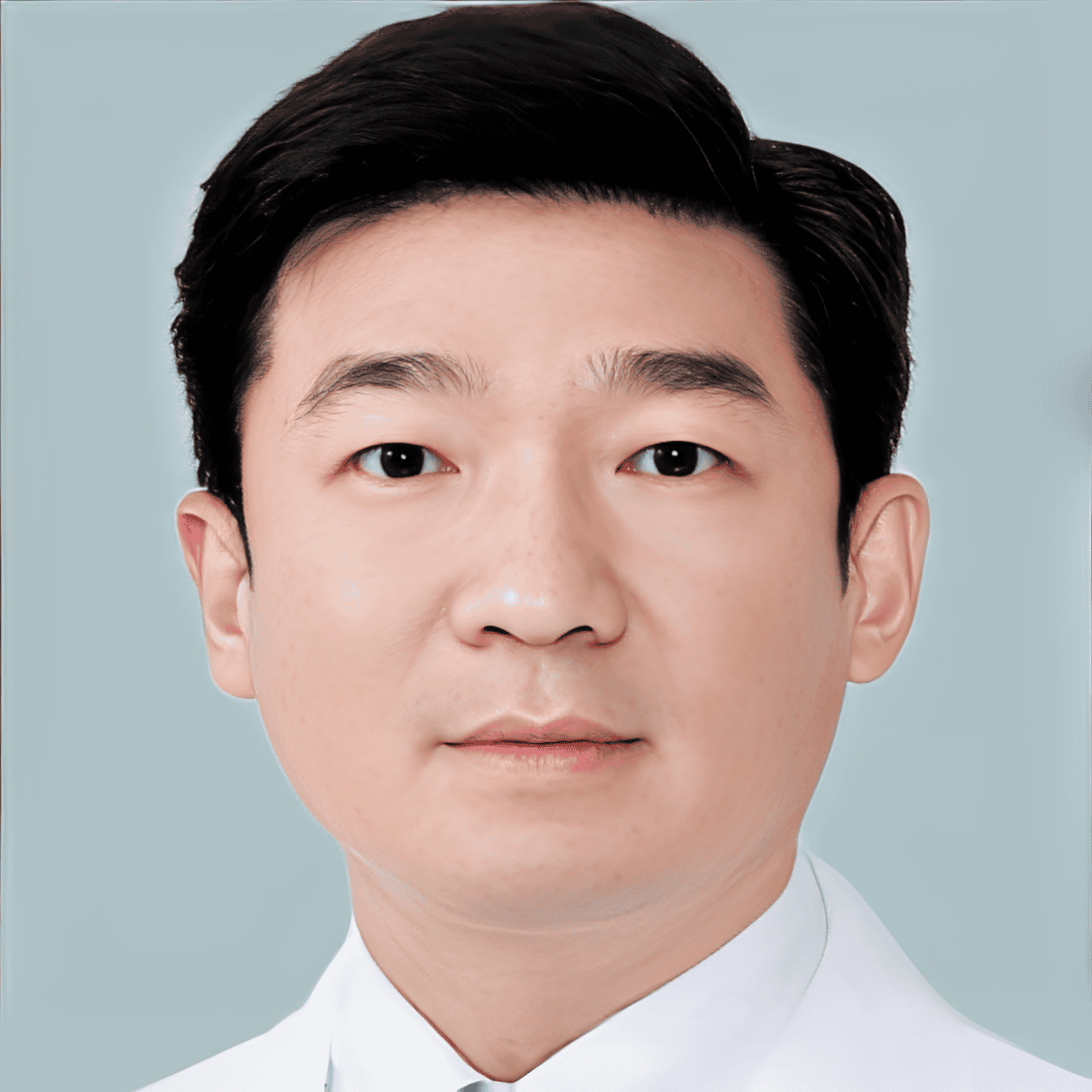
Beijing Bioocus Medical Group


Overview
Discover most advanced gene therapy and car-t therapy at Beijing Bioocus Medical Group in Beijing, China. Innovative treatments for various medical conditions. Learn more now!
Read more details
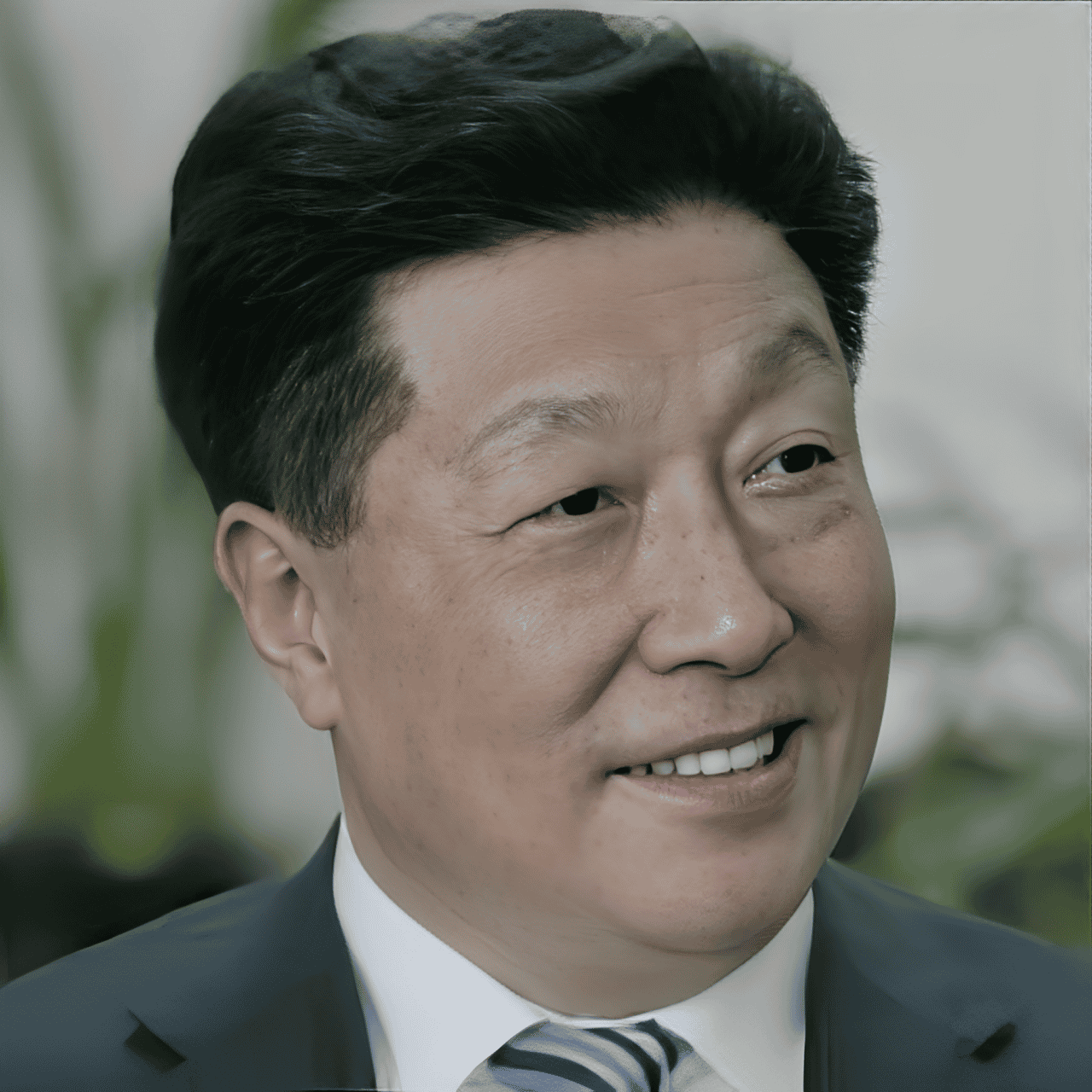


Jiahui International Hospital | CAR-T Cell Therapy in China
Overview
Get advanced CAR-T cell therapy in Shanghai, China at Jiahui International Hospital for leukemia, lymphoma, and multiple myeloma.
Read more details
.png)
Beijing Jingdu Children Hospital: Advanced Pediatric Care & CAR T-Cell Therapy
Overview
Beijing Jingdu Children's Hospital leads the world in CAR T-cell therapy for pediatric leukemia, offering hope to children with relapsed or refractory leukemia.
Read more details
International Hospital of Peking University
Overview
Peking University International Hospital in Beijing offers top multispecialty care, including surgery, cancer treatment, orthopedics, dentistry, and more.
Read more detailsDiscover your treatment options with a free, no-obligation quote!
Get your quote now!
Boao International Medical Center in Hainan, China
Overview
Explore Boao International Medical Center, a multispecialty hospital in Hainan, China, offering expert care, advanced treatments, and international patient services.
Read more details
Hebei Yanda International Hospital
Overview
Hebei Yanda International Hospital in Beijing, China, addresses your healthcare needs with expert oncology, cardiology, and neurology treatments.
Read more details
Kanglin Biotec - Gene Therapy Center in China
Overview
Kanglin Biotec provides cutting-edge Gene Therapy China with advanced platforms, innovative research, and patient-focused treatments in Hangzhou, China.
Read more details
Lu Daopei Hospital - Cancer Treatment in China
Overview
Lu Daopei Hospital in China offers advanced CAR-T Cell Therapy, Bone Marrow Transplantation, and treatments for various blood cancers and immune disorders.
Read more detailsDiscover your treatment options with a free, no-obligation quote!
Get your quote now!
XinHongqiao Henuo Branch in Shanghai, China
Overview
Visit XinHongqiao Henuo Branch Hospital in Shanghai, China for health screening, endoscopy, gynecology, urology, and specialist care.
Read more detailsWhich are the best CAR T Therapy for Non-Hodgkin Lymphoma (NHL) clinics in China?
Several prominent CAR T Therapy clinics in China specialize in Non-Hodgkin Lymphoma (NHL), showcasing advanced facilities and experienced medical teams. Top-rated centers identified through patient reviews and reported specialties include Beijing Bioocus Medical Group, International Hospital of Peking University, Kanglin Biotec - Gene Therapy Center, Hebei Yanda International Hospital, and Lu Daopei Hospital. These facilities are recognized for their cellular therapy programs and commitment to innovative cancer treatments.
When seeking CAR T Therapy for NHL in China, it's crucial to evaluate clinics based on their specialized expertise and patient outcomes. The leading clinics often distinguish themselves through a combination of factors:
- Beijing Bioocus Medical Group: Known for advanced gene and CAR T therapy, with a high patient recommendation rate and strong patient reviews. They offer various CAR T therapy packages for hematological cancers.
- International Hospital of Peking University: A multispecialty institution providing comprehensive care, including advanced cancer treatments and a robust neurology department, essential for managing CAR T-related neurotoxicity.
- Kanglin Biotec - Gene Therapy Center: Focuses on cutting-edge gene therapy platforms, innovative research, and patient-centric treatments in Hangzhou and Guangzhou.
- Hebei Yanda International Hospital: Located near Beijing, this hospital addresses complex healthcare needs, offering expert oncology services relevant to CAR T therapy.
- Lu Daopei Hospital - Cancer Treatment in China: Renowned for advanced CAR T Cell Therapy and Bone Marrow Transplantation, specifically targeting various blood cancers and immune disorders.
Prospective patients should consider a clinic's specific experience with NHL subtypes, the availability of comprehensive patient support services for international visitors, and transparent success data before making a decision.
How do I choose a CAR T Therapy for Non-Hodgkin Lymphoma (NHL) clinic in China?
Selecting a CAR T-cell therapy clinic in China for NHL requires careful assessment of the facility's international accreditations, specific experience with your lymphoma subtype, and robust patient support. Prioritize clinics with a demonstrated track record, a multidisciplinary care team, and clear communication channels for international patients to ensure a safe and effective treatment journey and comprehensive care for complex cases.
Choosing the right clinic is a critical decision for your health. Beyond the treatment itself, consider the entire patient experience. A leading facility will feature:
- International Accreditations: Look for recognized certifications like Joint Commission International (JCI) or national approvals.
- Specialized Experience: Inquire about the clinic's volume of CAR T procedures specifically for Non-Hodgkin Lymphoma and its success rates for your lymphoma subtype.
- Multidisciplinary Team: Ensure the clinic has a comprehensive team including oncologists, neurologists, and infectious disease specialists to manage potential side effects.
- Advanced Technology: Verify that the clinic utilizes state-of-the-art cell processing laboratories for efficient and safe CAR T-cell manufacturing.
- International Patient Services: A dedicated department offering assistance with language, visas, accommodation, and navigating the local healthcare system is vital for foreign patients.
What accreditations should I look for in a Chinese CAR T therapy center?
When assessing Chinese clinics for CAR T therapy, prioritize those with international accreditations such as Joint Commission International (JCI), signifying adherence to global quality and safety. Also, verify national approvals from China's National Medical Products Administration (NMPA) for their CAR T products, which confirms regulatory review and efficacy within China's healthcare system. These credentials ensure a high standard of patient care and treatment quality.
Accreditations are not merely symbolic; they represent a clinic's commitment to stringent quality and safety protocols. For a complex, innovative therapy like CAR T-cell treatment, this is paramount.
Key accreditations and certifications to prioritize include:
- Joint Commission International (JCI): This is a global gold standard for healthcare quality and patient safety, indicating that a clinic meets international benchmarks.
- National Medical Products Administration (NMPA) Approval: China's regulatory body, similar to the FDA. Ensure the specific CAR T-cell product used by the clinic is approved by the NMPA for NHL, verifying its safety and efficacy for the Chinese market.
- Foundation for the Accreditation of Cellular Therapy (FACT): While more common in Western countries, some leading global centers pursue FACT accreditation, which is a specialized standard for cellular therapy programs, encompassing patient management and cell processing.
- Internal Quality Assurance: Inquire about the clinic's internal quality management systems and continuous improvement programs that complement external accreditations.
How do Chinese clinics manage CAR T therapy side effects like Cytokine Release Syndrome (CRS)?
Leading Chinese clinics manage CAR T side effects, such as Cytokine Release Syndrome (CRS) and neurotoxicity, with structured, multidisciplinary protocols and 24/7 specialized monitoring. They utilize established grading systems to promptly identify and treat symptoms, ensuring immediate access to critical medications like tocilizumab and corticosteroids, supported by dedicated intensive care and neurology teams. This proactive approach is vital for patient safety and optimal recovery.
Effective management of CAR T therapy side effects is crucial for patient safety and successful outcomes. Clinics with extensive experience implement comprehensive strategies that begin well before the CAR T-cell infusion.
A robust management strategy should include:
- Dedicated Monitoring Units: Patients are typically cared for in specialized units or ICUs equipped for continuous observation, where staff are specifically trained to recognize early signs of CRS and neurotoxicity (ICANS).
- Standardized Protocols: The clinical team follows clear, evidence-based guidelines for symptom management, including when to administer supportive care like intravenous fluids, oxygen, and antipyretics.
- Rapid Access to Medications: Essential medications, such as tocilizumab (an IL-6 receptor blocker for CRS) and corticosteroids for severe cases, must be immediately available.
- Multidisciplinary Care Team: The oncology team collaborates closely with specialists in intensive care, neurology, cardiology, and infectious disease to provide holistic care tailored to individual patient needs.
- Patient and Caregiver Education: Providing detailed information about potential side effects helps patients and their caregivers understand what to expect and when to seek immediate medical attention.
What is the typical patient journey at a Chinese clinic for CAR T therapy?
The patient journey for CAR T therapy in China usually spans 2-3 months, commencing with remote eligibility screening and consultation. Upon arrival, initial steps include leukapheresis to collect T-cells, followed by a waiting period for cell manufacturing. After lymphodepleting chemotherapy, CAR T-cells are infused, necessitating a 4-6 week inpatient monitoring phase, with continued local follow-up before returning home.
Understanding each phase of the journey helps patients prepare effectively for CAR T-cell therapy. A typical timeline at a well-structured Chinese medical center includes:
- Initial Remote Assessment: Your medical records, including diagnosis and prior treatments, are thoroughly reviewed to confirm eligibility for CAR T therapy.
- Travel and Pre-treatment Evaluation: Upon arrival in China, you'll undergo comprehensive physical examinations, blood tests, and imaging to ensure you are fit for treatment.
- Leukapheresis: This outpatient procedure involves collecting your T-cells from your blood. The process is similar to donating blood and can take several hours.
- Cell Manufacturing: Your collected T-cells are sent to a specialized laboratory to be genetically engineered. This process typically takes a few weeks, during which you might receive "bridging therapy" to control your lymphoma.
- Lymphodepleting Chemotherapy: A short course of chemotherapy is administered a few days before the CAR T-cell infusion to prepare your body for the new cells.
- CAR T-Cell Infusion: The engineered CAR T-cells are infused back into your bloodstream, similar to a blood transfusion. This is usually a quick, straightforward procedure.
- Inpatient Monitoring: This critical phase involves a hospital stay of several weeks for close monitoring of side effects like CRS and neurotoxicity.
- Post-Discharge Follow-up: After hospital discharge, you'll need to remain in the vicinity of the clinic for several weeks for outpatient follow-up appointments before being medically cleared to travel back home.
Do clinics in China offer support for international patients undergoing CAR T therapy?
Yes, leading CAR T therapy clinics in China provide extensive support for international patients through dedicated International Patient Centers. These services typically include English-speaking coordinators, visa assistance, airport transfers, help with accommodation, and professional translation during all medical consultations, ensuring a smooth and less stressful treatment experience abroad. This comprehensive support addresses various logistical and cultural needs.
Navigating a foreign healthcare system can be challenging, especially for a complex treatment like CAR T therapy. Reputable Chinese clinics understand this and offer specialized services to cater to international patients:
- Personalized Patient Coordinators: A dedicated coordinator often serves as a single point of contact, managing appointments, inquiries, and communication between the patient and the medical team.
- Visa and Travel Assistance: Help with obtaining necessary medical visas, arranging flights, and providing airport pick-up and drop-off services.
- Accommodation Support: Assistance in finding suitable long-term accommodation for patients and their accompanying family members or caregivers, as an extended stay near the hospital is usually required.
- Language and Translation Services: Access to English-speaking doctors and nurses, and professional medical interpreters for all consultations and discussions, ensuring clear understanding of complex medical information.
- Cultural Orientation: Guidance on local customs, amenities, and daily living to help international patients feel more comfortable during their extended stay.
- Financial Coordination: Clear explanations of treatment costs, payment options, and assistance with international billing and insurance inquiries.
How do I verify a Chinese clinic's success rates for NHL CAR T therapy?
To verify a Chinese clinic's CAR T success rates for NHL, request their published clinical data or presentations from major oncology conferences like ASCO or ASH. Ask the clinic directly for their statistics on overall response rate (ORR) and complete response (CR) rate specifically for your lymphoma subtype. Reputable centers will be transparent and willingly provide this information to inform your healthcare decisions effectively.
Evaluating a clinic's success rates requires a diligent approach to ensure the data is relevant and reliable. Here's how to effectively verify this crucial information:
- Request Clinical Data: Ask the clinic for access to their peer-reviewed publications, abstracts from major oncology conferences (e.g., American Society of Clinical Oncology - ASCO, American Society of Hematology - ASH), or internal data reports.
-
Focus on Specific Metrics: Beyond a general "success rate," inquire about:
- Overall Response Rate (ORR): The percentage of patients whose cancer shrinks or disappears after treatment.
- Complete Response (CR) Rate: The percentage of patients whose cancer completely disappears. This is the most desirable outcome.
- Duration of Response (DOR): How long patients continue to respond to the therapy.
- Progression-Free Survival (PFS): The length of time after treatment that a patient lives with the disease but it does not get worse.
- Consider Patient Cohort: A higher success rate in a larger patient group (cohort) generally indicates more reliable data. Inquire about the number of patients included in their reported statistics.
- Specificity to NHL Subtype: Ensure the data provided is relevant to your specific Non-Hodgkin Lymphoma subtype (e.g., Diffuse Large B-cell Lymphoma) as outcomes can vary significantly across different types.
- Transparency: A reputable and confident clinic will be transparent with their data and willing to discuss their outcomes openly. Be cautious of clinics that are vague or unwilling to provide specific figures.
What kind of follow-up care do Chinese clinics provide after CAR T therapy?
Chinese clinics offer a structured follow-up plan post-CAR T therapy, starting with intensive check-ups and diagnostic tests before patients return home. For international patients, they typically coordinate with the home oncologist to establish a remote monitoring protocol, providing detailed guidelines for long-term tracking of B-cell aplasia, immune recovery, and potential late-onset side effects. This ensures continuous post-treatment support.
CAR T therapy requires careful and prolonged monitoring to ensure treatment efficacy and manage any late-onset complications. A comprehensive follow-up plan is essential for patient well-being:
-
Initial Local Monitoring (1-3 months post-infusion): Patients are generally advised to stay in the city of the clinic for several weeks after discharge for frequent outpatient visits. These include:
- Regular blood tests to monitor blood counts, CAR T-cell levels, B-cell recovery, and immune status.
- Physical examinations to assess for any persistent or new side effects.
- Imaging scans (e.g., PET-CT) at specific intervals (e.g., 1-month, 3-month) to evaluate lymphoma response.
-
Long-Term Follow-up Plan: Before you return home, the Chinese clinic will prepare a detailed summary of your treatment and a recommended long-term follow-up schedule for your local oncologist. This plan often includes:
- Guidelines for continued monitoring of potential long-term side effects such as hypogammaglobulinemia (low antibody levels), which may necessitate immunoglobulin replacement therapy (IVIG).
- Recommendations for vaccinations and infection prevention due to prolonged immune suppression.
- Scheduled imaging and laboratory tests to monitor for disease recurrence.
- Remote Communication and Consultation: Reputable clinics maintain open communication channels, allowing your home healthcare provider to consult with their CAR T specialists if any questions or concerns arise during your long-term follow-up.
Can I get CAR T therapy in China if I have failed other treatments for NHL?
Yes, CAR T-cell therapy in Chinese clinics is primarily indicated for patients with relapsed or refractory (r/r) Non-Hodgkin Lymphoma. This means it's a viable option for those who haven't responded to or have relapsed after two or more prior standard systemic therapies like chemotherapy and stem cell transplants. Eligibility is determined through a detailed, individualized medical assessment to ensure suitability.
CAR T therapy's crucial role in NHL treatment is to offer a potent therapeutic option when conventional approaches have been exhausted. Chinese clinical research and commercial therapies often focus specifically on this difficult-to-treat patient population.
When a clinic evaluates your eligibility for CAR T therapy after prior treatment failures, they will carefully consider:
- Prior Treatment History: You typically need to have undergone at least two lines of standard systemic therapy, such as multi-agent chemotherapy regimens or autologous stem cell transplantation, without achieving sustained remission.
- NHL Subtype: CAR T therapy is currently approved for specific aggressive subtypes of NHL, most commonly Diffuse Large B-cell Lymphoma (DLBCL), primary mediastinal B-cell lymphoma, and high-grade B-cell lymphoma.
- Disease Burden and Location: The extent and location of your lymphoma will be assessed through imaging and biopsies.
- Overall Health and Organ Function: Despite prior treatments, you must be in good enough general health (adequate cardiac, pulmonary, renal, and hepatic function) to withstand the CAR T therapy process and its potential side effects. Clinics use performance status scores (e.g., ECOG score) to evaluate this.
- Absence of Active Infections: You should not have any active, uncontrolled infections.
- Central Nervous System Involvement: The presence and nature of any lymphoma involvement in the brain or spinal cord will be carefully evaluated.
What language and communication support is available at top Chinese hospitals for international patients?
Top Chinese hospitals serving medical tourists offer extensive language support, including English-speaking doctors, nurses, and dedicated patient coordinators fluent in English. They also provide professional medical interpreters for all consultations and appointments, alongside translated medical documents, consent forms, and discharge summaries to ensure clear, effective communication throughout the entire treatment process for international patients.
Effective communication is a cornerstone of safe and patient-centered care, especially for complex treatments in a foreign country. Leading Chinese medical centers are well-prepared to overcome language barriers for their international patients:
- Bilingual Medical Professionals: Many senior physicians and some nursing staff in specialized departments (like oncology) have trained internationally and possess strong English proficiency.
- Dedicated International Patient Coordinators: These individuals often serve as primary contacts, fluent in English, and responsible for facilitating communication, scheduling, and addressing non-medical concerns.
- Professional Medical Interpreters: For situations requiring precise medical terminology or when a bilingual staff member is unavailable, certified medical interpreters are provided to ensure accurate translation during all clinical discussions.
- Translated Medical Documents: Key patient documents, including your treatment plan, consent forms, diagnostic reports, and discharge instructions, are typically provided in English.
- 24/7 Support: The international patient services department or an on-call interpreter service is often available around the clock to assist with urgent communication needs.
- Telemedicine Options: Many clinics also offer remote consultations and follow-up via telemedicine platforms with English-speaking staff, bridging geographical distances.
How do clinics in China ensure the quality and safety of the manufactured CAR T-cells?
Chinese clinics ensure CAR T-cell quality and safety through rigorous manufacturing in certified GMP (Good Manufacturing Practice) laboratories, adhering to strict international standards. Each batch undergoes comprehensive quality control testing for purity, potency, and sterility before release. A robust "chain of custody" protocol is meticulously followed, guaranteeing that the patient receives their own uniquely engineered cells, minimizing mix-ups and enhancing treatment safety.
The manufacturing of personalized CAR T-cells is a highly complex and regulated process, where quality and safety are paramount for effective therapy. Clinics in China prioritize these aspects through several key measures:
- GMP-Certified Facilities: CAR T-cells are manufactured in specialized Good Manufacturing Practice (GMP) compliant facilities. These sterile, controlled environments are designed to prevent contamination and ensure consistent product quality.
-
Rigorous Quality Control (QC) Testing: Before any CAR T-cell product is released for patient infusion, it undergoes extensive testing. This includes:
- Purity Testing: To confirm the absence of unwanted cell types or contaminants.
- Potency Testing: To verify that the CAR T-cells are functional and can effectively target cancer cells.
- Sterility Testing: To ensure the absence of bacterial, fungal, or viral contamination.
- Identity Testing: To confirm that the cells are indeed the patient's own engineered T-cells.
- "Chain of Identity" and "Chain of Custody": These critical tracking systems ensure that from the moment your T-cells are collected (leukapheresis) to the moment they are infused back into your body, they are meticulously labeled, tracked, and stored to prevent any mix-ups or errors.
- Regulatory Oversight: Approved CAR T-cell products and their manufacturing processes are subject to stringent oversight by China's National Medical Products Administration (NMPA), similar to regulatory bodies in other developed nations.
- Qualified Personnel: Only highly trained and certified personnel are involved in the collection, manufacturing, and administration of CAR T-cells, ensuring expertise at every step.
How PlacidWay helps individuals access CAR T Therapy for Non Hodgkin Lymphoma NHL in China?
PlacidWay simplifies your journey to advanced cancer care by providing comprehensive, reliable information and personalized support. We are dedicated to helping you navigate the complexities of seeking CAR T-cell therapy abroad with confidence and clarity.
- Detailed Treatment Information: PlacidWay offers in-depth, up-to-date details about CAR T Therapy for NHL. We explain the procedure, potential benefits, risks, and realistic outcomes, empowering you with the knowledge needed to have informed discussions with specialists.
- Clinic Comparison and Affordability: We help you compare various top-tier clinics in China offering CAR T therapy. Our network ensures you can find high-quality, affordable treatment options without compromising on the standard of care, giving you transparency and choice.
- Access to Trusted Specialists: PlacidWay connects you with trusted, internationally accredited clinics and highly experienced medical professionals specializing in CAR T-cell therapy for Non-Hodgkin Lymphoma, ensuring you are in capable hands.
- Personalized Consultations: We facilitate one-on-one consultations, allowing you to discuss your specific medical case with experts. This personalized approach helps you make the best decision for your health needs and treatment goals.
- End-to-End Support: Our commitment to you extends beyond the treatment itself. PlacidWay ensures you have continued support after the procedure, assisting with arrangements for follow-up care and recovery to ensure a smooth transition back to health.
Ready to get CAR T Therapy for Non Hodgkin Lymphoma NHL in China? Contact us today for a personalized consultation.
Share with AI
Share this page with AI assistants to get summaries and insights


List of Best CAR T Therapy for Non Hodgkin Lymphoma NHL Clinics in China
Unlock the Best CAR T Cell Therapy Packages Just for You
Discover the ultimate CAR T Cell Therapy packages designed to meet your health and wellness goals. Choose the perfect fit for your journey.
Price starting from $70,000
CAR-T Cell Therapy for Hematology Cancer and Immune Diseases Package in Beijing, China by Bioocus Biotech
Beijing Bioocus Medical Group
- CAR-T Cell Therapy
Beijing, China

Price starting from $70,000
Advanced CAR-T Cell Therapy for Multiple Myeloma Package in Beijing, China by Bioocus Biotech
Beijing Bioocus Medical Group
- CAR-T Cell Therapy
Beijing, China
Price starting from $300,000
FUCASO CAR-T Cell Therapy Package in Beijing, China by Bioocus Biotech
Beijing Bioocus Medical Group
- CAR-T Cell Therapy
Beijing, China
Transformative CAR T Cell Therapy Experiences: Dive into Procedure Insights
Discover the power of CAR T Cell Therapy through compelling patient experiences. Uncover detailed insights into procedures, recovery journeys, and life-changing results.


Explore CAR T Cell Therapy: Stories, Testimonials, and Procedures
Watch in-depth videos covering everything from CAR T Cell Therapy success stories to detailed procedure explanations. Learn what to expect and hear from real patients.
Medical Tourism in Istanbul, Turkey – Transforming Lives with Expert Healthcare
CAR T Cell Therapy
Medical Park Hospitals Group in Istanbul, Turkey
Turkey
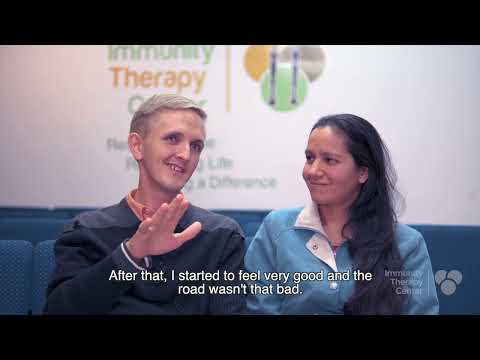
From Diagnosis to Recovery: Alternative GIST Treatment Journey in Mexico
CAR T Cell Therapy
Alternative Cancer Treatment by ITC - Immunity Therapy Center
Mexico
Learn More with These CAR T Cell Therapy Articles
Take a look at these interesting articles, stories and research that will help you learn more about CAR T Cell Therapy.

Why China is Becoming a Global Leader in CAR T-Cell Therapy
PlacidWay Medical Tourism
- CAR-T Cell Therapy
China
Multiple Myeloma Came Back After a Transplant? Understanding BCMA CAR-T Therapy in China
PlacidWay Medical Tourism
- CAR-T Cell Therapy
China
My Child’s Leukemia Came Back: Understanding CAR-T Therapy for Relapsed B-ALL
PlacidWay Medical Tourism
- CAR-T Cell Therapy
China
Multiple Myeloma Came Back After Treatment: What Options May Still Be Available
PlacidWay Medical Tourism
- CAR-T Cell Therapy
China
CAR T Cell Therapy Solutions Near You: Explore Top Medical Centers
Discover how CAR T Cell Therapy is transforming lives at leading medical centers in , China. Dive into center profile, specialties, doctors, reviews, etc. and explore the best options tailored to your needs in this region.
International Hospital of Peking University
Beijing, China
Beijing Bioocus Medical Group
Beijing, China
Jiahui International Hospital | CAR-T Cell Therapy in China
Shanghai, China
.png)








Read More