
What treatment


1+ Best Clinics for Hip Replacement Surgery Partial or Total in Germany
Trusted Medical Tourism Platform Since 2007
What are the best hip replacement clinics in Germany?
The top medical facilities for joint procedures are ENDOPROTHETICUM Rhein-Main (Mainz) and Asklepios Kliniken (Hamburg). These specialized centers cater to international patients through extensive medical networks, with some facilities established since 1985.
These clinics specialize in partial and total hip replacements, knee arthroplasty, and bilateral joint surgeries using advanced techniques. Orthopedic treatment costs range from $7,000 to $30,000 USD. Patients can access comprehensive care options, including full-treatment packages with rehabilitation and specialized "ENDO-in-a-day" outpatient hip replacement procedures.
 100.00% Patient Recommend
ENDOPROTHETICUM Rhein-Main - Expert Hip & Knee Arthroplasty in Germany


Overview
Endoprotheticum Rhein-Main offers expert orthopedic surgery in Mainz, Germany specializing in hip and knee replacement with advanced techniques.
Read more details


Asklepios Kliniken Hamburg - Multispecialty Hospital in Germany
Overview
Discover advanced healthcare at Asklepios Kliniken Hamburg, a leading multispecialty hospital in Hamburg, Germany.
Read more details

Authored by
Subham Sarkar
Subham Sarkar- Orthopedic & Sports Medicine Content Specialist Seasoned medical writer with 9+ years of experience and 2,000+ published articles. Subham specializes in providing trusted, evidence-based insights into orthopedics & sports medicine.
Reviewed by
Dr. Raul Valenzano
Dr. Raul Valenzano, a top orthopedic surgeon in Bogotá, specializes in joint replacement, sports injuries, and spine care. Also a medical content reviewer at PlacidWay.
Last updated on
Why Germany is the Global Standard for Orthopedic Care and Joint Replacement?
Germany is internationally recognized for its pioneering advancements in endoprosthetics and precision medicine. Patients seeking hip and knee replacements choose German orthopedic centers to benefit from flawless surgical execution, cutting-edge technology, and a healthcare culture obsessed with long-term mobility.
Engineering Precision in Surgery
German medicine applies the country's legendary engineering standards to the human body. Orthopedic centers here heavily utilize robotic-assisted surgical systems and customized 3D-printed implants, ensuring the alignment of your new hip or knee is accurate to the sub-millimeter, which drastically extends the lifespan of the prosthesis.
Rigorous EndoCert Standards
Germany enforces one of the strictest quality control systems in the world for joint replacements, known as EndoCert. Hospitals must perform a high minimum volume of specific surgeries and pass intense interdisciplinary audits to earn this certification, guaranteeing patients are treated only by elite, specialized teams.
Advanced Minimally Invasive Techniques
Orthopedic surgeons in Germany are pioneers in muscle-sparing approaches, such as the AMIS (Anterior Minimally Invasive Surgery) technique for hips. By parting muscles rather than cutting them, patients experience significantly less postoperative pain, shorter hospital stays, and a much faster return to independent walking.
Integrated Rehabilitation Culture
In Germany, the surgery is only half the process. The medical system features dedicated "Rehakliniken" (rehabilitation clinics) where patients transfer immediately after acute hospital care. This provides weeks of intensive, daily physical therapy under medical supervision, ensuring optimal functional recovery of the new joint.
Orthopedic Care Costs in Germany vs. United States & UK (2026)
While Germany is a premium medical destination, self-pay patients and those lacking adequate insurance find that projected 2026 prices for world-class joint replacements remain highly competitive compared to out-of-pocket costs in North America or private care in the UK.
| Procedure | Germany Price | US / UK Price | You Save | Savings % |
|---|---|---|---|---|
| Total Hip Replacement | $16,000–$21,000 | $40,000–$55,000 | $24,000+ | 55% |
| Total Knee Replacement | $15,000–$19,000 | $45,000–$60,000 | $30,000+ | 60% |
| Bilateral Knee Replacement (Both Knees) | $25,000–$32,000 | $75,000–$90,000 | $50,000+ | 62% |
| Partial Knee Replacement | $12,000–$15,000 | $30,000–$40,000 | $18,000+ | 55% |
| Revision Joint Surgery (Complex) | $20,000–$28,000 | $60,000–$80,000 | $40,000+ | 60% |
* Prices are 2026 estimates based on verified PlacidWay partner hospitals in Germany. German pricing often includes the surgeon's fee, hospital stay (typically 5-7 days), operating room fees, and standard premium implants. Extended inpatient rehabilitation is usually priced separately. Request a free quote for a customized treatment plan.
Top German Cities for Orthopedic Care and Joint Replacements
Germany boasts numerous centers of excellence across the country. Compare these top medical hubs to find the right environment for your orthopedic surgery and recovery.
Munich
Bavarian Precision
Munich is globally famous for treating top-tier professional athletes. Its orthopedic clinics specialize in high-performance joint preservation and highly dynamic implants designed for younger or highly active patients requiring joint replacements.
Berlin
The Capital of Innovation
Home to massive, world-renowned university hospitals like the Charité, Berlin is the premier destination for highly complex cases. It is ideal for patients needing intricate revision surgeries, custom implants for bone deformities, or those with multiple comorbidities.
Frankfurt
Financial & Medical Hub
Offering the most seamless logistics for international travelers due to its massive global airport. Frankfurt hosts specialized private orthopedic clinics that focus heavily on international patient concierge services alongside rapid-recovery joint procedures.
Heidelberg
Historic Medical Excellence
A picturesque city anchored by one of Europe's oldest and most prestigious medical universities. Heidelberg's orthopedic departments are deeply involved in pioneering research, offering patients access to the latest evidence-based implant technologies and therapies.
Comprehensive Orthopedic Care in Germany
German clinics cover the entire spectrum of joint replacement and preservation. From minimally invasive partial replacements to complex revisions, experience orthopedic excellence tailored to your anatomy.
Total Hip Replacement (Endoprosthesis)
$16,000 – $21,000Severe arthritis is treated by replacing the damaged ball and socket with highly durable ceramic, titanium, or cross-linked polyethylene components. German surgeons excel in tissue-sparing anterior approaches, allowing patients to walk within hours of surgery without major muscle trauma.
Save $24,000+ vs. US prices
Total & Partial Knee Replacement
$12,000 – $19,000Whether addressing localized damage with a unicompartmental (partial) implant or resurfacing the entire joint, German clinics frequently utilize advanced robotic arm assistance (such as MAKO). This ensures the implant is perfectly balanced to your specific ligament tension.
Save up to $30,000+ vs. US prices
Bilateral Joint Replacement
$25,000 – $32,000For patients with severe degradation in both knees or hips, specialized German teams perform simultaneous bilateral replacements. This requires a highly synchronized surgical team and robust critical care support, condensing two separate surgeries and recovery periods into one.
Save $50,000+ vs. US prices
Revision Orthopedic Surgery
$20,000 – $28,000When a previous implant fails due to wear, loosening, or infection, German university hospitals provide expert revision care. These highly complex cases often require custom-made modular implants and advanced bone-grafting techniques to restore stability and function.
Save $40,000+ vs. US prices
How to Choose the Right German Orthopedic Center?
Traveling to Europe for major joint surgery requires careful planning. Follow this 5-step checklist to ensure you select a premier facility for your hip or knee replacement.
Look for EndoCert Certification
Ensure the hospital is a certified "EndoProthetikZentrum" (EPZ) or "EndoProthetikZentrum der Maximalversorgung" (Maximum Care). This official German certification guarantees the facility meets rigorous standards for surgical volume, hygiene, and patient outcomes in joint replacements.
Verify the Surgeon's Specialization
In Germany, top specialists focus narrowly. Ensure your lead surgeon (Chefarzt or Oberarzt) performs hundreds of the specific procedure you need (e.g., exclusively hips or knees) annually, rather than a general orthopedist who does a little bit of everything.
Inquire About Implant Brands
Top German clinics utilize premium, track-tested implant materials from global leaders (like Zimmer Biomet, DePuy Synthes, Stryker) or high-end domestic manufacturers (like Aesculap). Ask your doctor which implant system they recommend for your age and activity level.
Plan for Inpatient Rehabilitation
Do not skip the German rehab experience. Check if the hospital has an integrated rehabilitation wing or a direct partnership with a specialized Rehaklinik. Securing a 2-to-3-week inpatient physical therapy package is crucial for maximizing your new joint's range of motion.
Utilize an Experienced Medical Facilitator
Navigating the German healthcare system, organizing medical visas, and overcoming the language barrier can be daunting. PlacidWay helps you connect with top-rated, internationally accredited orthopedic centers that are accustomed to treating foreign patients.
Your Path to Mobility: The German Orthopedic Experience
From the moment you share your X-rays to your final physical therapy session, here is the structured timeline of undergoing joint replacement in Germany.
Step 1: Remote Diagnostics & Surgical Planning
Submit your recent X-rays, MRIs, and medical history to PlacidWay. Top German orthopedic surgeons will review your case, determine your candidacy for surgery, and digitally template the exact size and type of prosthesis required for your anatomy.
Step 2: Admission & Pre-Operative Assessment
Arrive at the German hospital 1-2 days before surgery. You will undergo rigorous pre-operative screening, including comprehensive blood panels, cardiac evaluation (ECG), and precise 3D imaging to program any robotic surgical assistants being used.
Step 3: Precision Surgery & Implantation
The procedure takes approximately 1 to 2 hours under general or spinal anesthesia. Utilizing minimally invasive approaches and advanced navigation technology, the surgical team removes the damaged cartilage and secures your new hip or knee prosthesis with perfect alignment.
Step 4: Acute Hospital Stay & Early Mobilization
You will spend 5 to 7 days recovering in the hospital ward. German protocols emphasize "fast-track" recovery; physical therapists will typically assist you in standing up and taking your first steps with a walker within 24 hours of waking from surgery.
Step 5: Intensive Inpatient Rehabilitation (Rehaklinik)
Instead of discharging you to a hotel, you will transfer to a specialized rehabilitation clinic for 2 to 3 weeks. Here, you will engage in daily physical therapy, aquatic therapy, and gait training to build muscle strength and ensure you return home walking confidently.
Orthopedic Care (Hip & Knee Replacement) in Germany FAQ
Detailed answers to common questions regarding joint replacement surgeries, costs, and medical standards in German hospitals.
What Patients Say About German Orthopedic Care
Read firsthand accounts from individuals who crossed borders to experience the precision of joint replacement surgery and rehabilitation in Germany.
"I suffered from severe osteoarthritis and was facing a 12-month waiting list in the UK. I chose a clinic in Germany for my total hip replacement and it was a revelation. The minimally invasive approach meant I was taking steps the very next morning. The level of engineering and care is unmatched; six months later, I am entirely pain-free."
"The robotic knee replacement I received in Munich exceeded all my expectations. The surgery was flawless, but what truly impressed me was the three weeks I spent in their specialized rehab clinic afterward. The intense daily physical therapy pushed me, and by the time I flew back to the States, I was walking smoothly without a cane. I'm back to playing tennis again."
Why Choose PlacidWay for Your German Medical Journey?
Accessing elite European healthcare requires a trusted guide. As a premier medical facilitator, PlacidWay ensures your pathway to German orthopedic excellence is seamless, transparent, and safe.
Vetted Centers of Excellence
We partner exclusively with internationally accredited German hospitals and certified EndoProthetikZentrums. We have independently reviewed their surgical volumes, infection rates, and technology to ensure you receive world-class care.
Transparent Treatment Packages
We eliminate the anxiety of hidden medical bills. PlacidWay provides detailed, comparative cost estimates that clearly outline what is included—from surgeon fees and the implant itself to hospital stays and rehabilitation.
Direct Access to Specialists
Bypass long international waiting times. We facilitate direct medical reviews of your imaging by leading German orthopedic surgeons, allowing you to understand your surgical options before making a commitment.
Dedicated Patient Advocacy
Our coordination team acts as your personal advocate. From managing the translation of complex medical files to ensuring your transition from the acute hospital to the rehabilitation clinic is flawless, we support your entire recovery journey.
Reclaim Your Active Lifestyle with German Precision
Do not let joint pain limit your life any longer. Experience flawlessly engineered orthopedic care in Germany and save up to 60% compared to US costs. Get connected with elite joint replacement specialists today.
Get Free QuoteDisclaimer: PlacidWay is a medical tourism facilitator and does not provide medical advice, diagnosis, or treatment. We connect patients with independently verified hospitals and clinics abroad. Always consult with a qualified healthcare provider regarding your specific medical condition and surgical options.
Share with AI
Share this page with AI assistants to get summaries and insights


List of Best Hip Replacement Surgery Partial or Total Clinics in Germany
Explore Hip Replacement Surgery Partial or Total: Stories, Testimonials, and Procedures
Watch in-depth videos covering everything from Hip Replacement Surgery Partial or Total success stories to detailed procedure explanations. Learn what to expect and hear from real patients.
ENDOPROTHETICUM: Arthroplasty Center in Germany for International Patients / Prof. Kutzner
Orthopedic/Knee Surgery
ENDOPROTHETICUM Rhein-Main - Expert Hip & Knee Arthroplasty in Germany
Mainz, Germany
ENDOPROTHETICUM: Short-stem total hip arthroplasty - What are the advantages?
Orthopedic/Knee Surgery
ENDOPROTHETICUM Rhein-Main - Expert Hip & Knee Arthroplasty in Germany
Mainz, Germany
Unlock the Best Hip Replacement Surgery Partial or Total Packages Just for You
Discover the ultimate Hip Replacement Surgery Partial or Total packages designed to meet your health and wellness goals. Choose the perfect fit for your journey.

Price starting from $14,500
Hip Replacement Revision Package in Bursa, Istanbul, Turkey
Turan Turan Robotic Surgery Center and Orthopedic Clinic
- Orthopedic/Knee Surgery
Istanbul,Bursa, Turkey

Price starting from $25,000
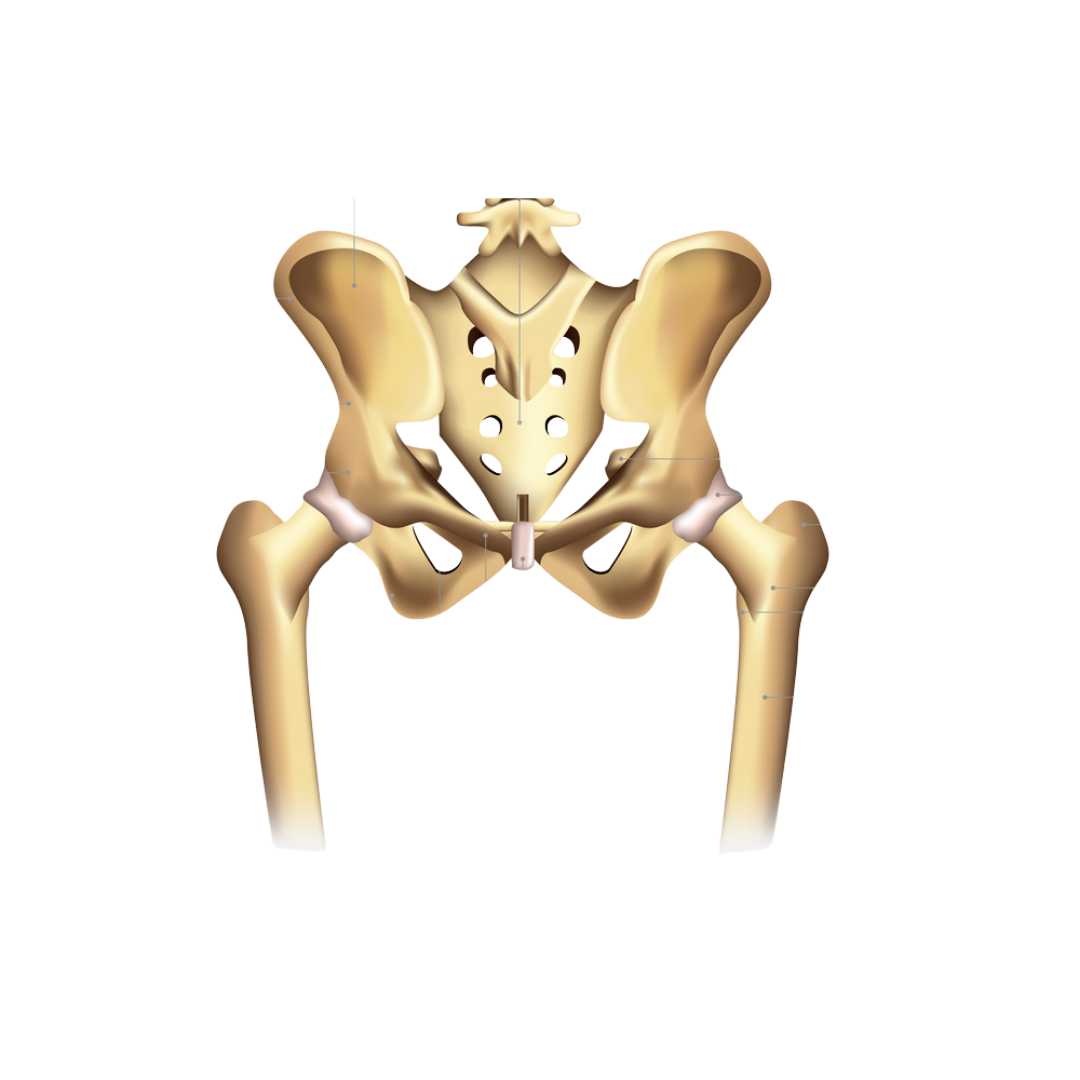
Expert Hip & Knee Replacement in Mainz, Germany: Full-Treatment-Package with Rehabilitation Included
ENDOPROTHETICUM Rhein-Main - Expert Hip & Knee Arthroplasty in Germany
- Orthopedic/Knee Surgery
Mainz, Germany
Price starting from $5,488
Hip Replacement Package in Jelenia Gora, Poland by KCM Clinic
KCM Clinic - Multispecialty Center in Jelenia Gora, Poland
- Orthopedic/Knee Surgery
Jelenia Gora, Poland

Price starting from $28,000
Bilateral Hip Replacement (Both Hips) in Mainz, Germany by Rhein-Main (20 Minutes from Frankfurt Airport)
ENDOPROTHETICUM Rhein-Main - Expert Hip & Knee Arthroplasty in Germany
- Orthopedic/Knee Surgery
Mainz, Germany
Transformative Hip Replacement Surgery Partial or Total Experiences: Dive into Procedure Insights
Discover the power of Hip Replacement Surgery Partial or Total through compelling patient experiences. Uncover detailed insights into procedures, recovery journeys, and life-changing results.
.png)
Price starting from $9,000
Hip Replacement Surgery in Turkey
- Hip Replacement Surgery Partial or Total, Orthopedic/Knee Surgery
Turkey
.png)
Price starting from $9,800
Shoulder Arthroplasty in Bursa, Turkey
- Total Shoulder Replacement Arthroplasty, Orthopedic/Knee Surgery
Bursa, Turkey

.png)
Price starting from $5,500
Hip Arthroscopy Surgery in Bursa, Turkey
- Hip Arthroscopy, Orthopedic/Knee Surgery
Bursa, Turkey








I am extremely satisfied with everything — from the consultation and surgery to the entire healing process. Before the operation, Prof. Dr. Kutzner gave me great hope that my long-standing pain and problems in both hips could finally be resolved with total hip replacements, allowing me to live pain-free again with hardly any movement restrictions. Now, 8 weeks after surgery, I can honestly say that the result is even better than I expected. I became pain-free very quickly. After just 10 days, I was already walking without crutches, only using walking sticks for longer distances. I can already move better now than before the surgery. I am able to walk long distances of 10–12 km without pain. Many heartfelt thanks to Prof. Dr. Kutzner’s team and the team at curaparc-clinic. I can recommend Prof. Dr. Kutzner with complete confidence and conviction.
Read More