
What treatment


2+ Best Clinics for PRP Platelet Rich Plasma Cell Therapy in Dominican Republic
Trusted Medical Tourism Platform Since 2007
What are the best PRP and stem cell therapy clinics in the Dominican Republic?
The leading regenerative medicine facilities in the Dominican Republic are Center for Prolotherapy and Pain Management (Santo Domingo) and Genoma Health (Santiago de los Caballeros).
These clinics feature specialists verified by the Dominican Medical College (CMD) and the American Academy of Orthopaedic Surgeons (AAOS). They utilize advanced ultrasound-guided injections to treat osteoarthritis, tendon injuries, ligament sprains, Parkinson's disease, and autism. Treatment costs range from $260 to $9,120 USD, providing highly affordable, state-of-the-art biological therapies that cost significantly less than equivalent procedures in the United States.
 100.00% Patient Recommend
Center for Prolotherapy and Pain Management


Overview
Get top quality and affordable stem cell for Orthopedic in Santo Domingo Dominican Republic at Centro de Proloterapia y Manejo del dolor, Dr. Vargas Decamps.
Read more details

Genoma Health - Stem Cell Dominican Republic
Overview
Genoma Health offers advanced regenerative medicine and stem cell therapy in the Dominican Republic, focusing on personalized, science-based treatments.
Read more details
La Vida Regenerative Medicine in Dominican Republic
Overview
Visit La Vida Regenerative Medicine, a trusted stem cell clinic in Punta Cana, Dominican Republic, offering personalized regenerative therapies.
Read more detailsWhich are the best PRP Platelet Rich Plasma Cell Therapy clinics in the Dominican Republic?
When seeking PRP Platelet Rich Plasma Cell Therapy in the Dominican Republic, the Center for Prolotherapy and Pain Management in Santo Domingo stands out. It's recognized for its high patient recommendation rate and specializes in orthopedic and regenerative treatments, including PRP and stem cell therapies, often with positive patient feedback regarding state-of-the-art facilities and professional care.
The choice of a clinic for PRP (Platelet-Rich Plasma) and Stem Cell Therapy in the Dominican Republic requires careful consideration of reputation, specialization, and patient outcomes. The Center for Prolotherapy and Pain Management in Santo Domingo is a highly-regarded option based on available data.
- High Patient Satisfaction: This clinic has received a 100% patient recommendation rate from verified reviews, indicating strong patient trust and positive experiences.
- Specialized Expertise: They focus on regenerative medicine, including PRP and various stem cell therapies, particularly for orthopedic conditions and pain management. Their team includes regenerative medicine specialists.
- Modern Facilities: Patients often highlight the modern and state-of-the-art nature of their facility in Santo Domingo, enhancing the overall treatment experience.
What should I look for in a PRP Platelet Rich Plasma clinic in the Dominican Republic?
When selecting a PRP clinic in the Dominican Republic, prioritize clinics with specialized expertise in regenerative medicine and a high patient recommendation rate. Ensure they utilize modern equipment, maintain strict safety protocols, and offer comprehensive pre- and post-treatment care. An experienced medical team and clear communication about your treatment plan are also crucial for optimal results and peace of mind.
Choosing the right PRP clinic in the Dominican Republic is essential for effective treatment and patient safety. Here are key factors to consider:
- Specialized Expertise: Look for clinics that specialize specifically in regenerative medicine, including PRP and stem cell therapies. This indicates a deeper understanding of these complex treatments.
- Medical Team Qualifications: Verify that the doctors and medical staff are board-certified and have extensive experience in performing PRP procedures. For instance, the Center for Prolotherapy and Pain Management in Santo Domingo emphasizes a team of regenerative medicine specialists.
- Facility Accreditation & Standards: Ensure the clinic operates under international safety and hygiene standards. A clean, modern facility equipped with the latest technology is a positive sign.
- Patient Testimonials and Success Rates: Seek out clinics with positive patient reviews and high patient recommendation rates. This provides insight into real-world outcomes and patient satisfaction.
- Comprehensive Care: A reputable clinic should offer thorough pre-treatment consultations, detailed explanations of the procedure, and a clear follow-up and recovery plan.
- Transparency: The clinic should be transparent about the type of PRP used (e.g., leukocyte-rich, leukocyte-poor), the source of any stem cells, and the expected outcomes and potential risks specific to your condition.
How can I verify the credentials of a PRP Platelet Rich Plasma clinic in Santo Domingo?
To verify credentials for a PRP clinic in Santo Domingo, start by checking the medical licenses of the practitioners with the Dominican Medical College (CMD). Inquire about clinic accreditation, professional affiliations with international regenerative medicine societies, and request detailed physician biographies. Online platforms like PlacidWay often provide third-party verification and patient reviews, such as those for the Center for Prolotherapy and Pain Management.
Verifying clinic credentials ensures you receive safe and effective PRP Platelet Rich Plasma Cell Therapy. Here's how you can approach it in Santo Domingo:
- Dominican Medical College (CMD): This is the official body regulating medical professionals in the Dominican Republic. You can inquire about a physician's license and standing through them.
- Professional Affiliations: Check if the doctors or clinic are affiliated with international or regional professional organizations focused on regenerative medicine, such as the American Academy of Orthopaedic Surgeons (AAOS) or the Latin American Society of Regenerative Medicine.
- Clinic Certifications: Ask about any local or international certifications the clinic holds for quality and safety. While not always common for specialized clinics, some may pursue ISO certifications or adhere to specific guidelines.
- Direct Inquiry: Contact the clinic directly, like the Center for Prolotherapy and Pain Management, and ask for details about their medical team's qualifications, training in regenerative therapies, and the clinic's operational licenses.
- Patient Reviews and Platforms: Websites like PlacidWay often list clinics with verification statuses and include patient testimonials that can offer indirect evidence of quality and patient satisfaction. These platforms typically pre-vet clinics to some extent.
What types of conditions can PRP Platelet Rich Plasma clinics in the Dominican Republic treat?
PRP Platelet Rich Plasma clinics in the Dominican Republic, like the Center for Prolotherapy and Pain Management, primarily treat orthopedic conditions including joint pain, osteoarthritis, tendon injuries (e.g., rotator cuff tears, Achilles tendinitis), ligament sprains, and certain soft tissue damages. They may also apply these regenerative therapies for chronic pain management and sports injuries, aiming to promote natural healing and reduce inflammation.
PRP (Platelet-Rich Plasma) therapy leverages the body's own healing mechanisms by concentrating platelets from your blood and injecting them into injured areas. Clinics in the Dominican Republic, such as the Center for Prolotherapy and Pain Management, specialize in addressing a range of conditions, primarily musculoskeletal and those involving soft tissue repair:
- Osteoarthritis: Mild to moderate osteoarthritis in knees, hips, shoulders, and other joints, aiming to reduce pain and improve function.
- Tendon Injuries: Chronic tendinopathies like Achilles tendinitis, patellar tendinitis (jumper's knee), golfer's elbow, and tennis elbow. For example, the Center for Prolotherapy and Pain Management explicitly lists PRP for various tendon-related issues.
- Ligament Sprains: Recovery from ligament injuries in joints like the knee (e.g., MCL, LCL) or ankle.
- Muscle Strains: Acute and chronic muscle injuries where enhanced healing is desired.
- Rotator Cuff Tears: Partial tears of the rotator cuff tendons in the shoulder.
- Spine-Related Pain: Certain chronic lower back pain conditions, especially those related to ligament or facet joint issues.
What can I expect during my initial consultation at a PRP Platelet Rich Plasma clinic in Santo Domingo?
During your initial PRP consultation in Santo Domingo, expect a comprehensive review of your medical history, current symptoms, and previous treatments. The specialist will perform a physical exam, possibly using diagnostic imaging like ultrasound to assess the affected area. You’ll discuss treatment goals, expected outcomes, and whether PRP is the right option for your specific condition, ensuring all your questions are answered.
The initial consultation is a critical step in your PRP Platelet Rich Plasma Cell Therapy journey, especially when visiting clinics like the Center for Prolotherapy and Pain Management in Santo Domingo. Here’s what you can generally expect:
- Detailed Medical History: The doctor will thoroughly review your health background, including any pre-existing conditions, medications, allergies, and lifestyle factors.
- Symptom Assessment: You'll be asked to describe your symptoms in detail – when they started, what aggravates or alleviates them, and their impact on your daily life.
- Physical Examination: A physical assessment of the affected area will be conducted to evaluate range of motion, stability, tenderness, and any visible swelling or deformity.
- Review of Imaging: Bring any relevant diagnostic images (X-rays, MRIs, CT scans) you may have. The clinic may also perform additional imaging, such as a musculoskeletal ultrasound, for real-time assessment and precise diagnostic guidance.
- Discussion of Treatment Goals: You and the specialist will discuss what you hope to achieve with PRP therapy and establish realistic expectations for recovery and improvement.
- Personalized Treatment Plan: If PRP is deemed suitable, the doctor will outline a tailored treatment plan, including the number of sessions recommended, the specific type of PRP to be used, and any necessary pre-procedure instructions.
- Q&A Session: This is your opportunity to ask any questions or voice any concerns you have about the procedure, recovery, or overall care.
How do PRP Platelet Rich Plasma clinics ensure patient safety and quality of care in the Dominican Republic?
PRP clinics in the Dominican Republic ensure patient safety through strict adherence to medical protocols, using sterile equipment, and conducting thorough patient evaluations to minimize risks. They prioritize highly trained medical staff, employ diagnostic imaging for precise targeting, and provide comprehensive post-treatment care. Reputable clinics like the Center for Prolotherapy and Pain Management often maintain a strong focus on patient education and follow-up.
Ensuring patient safety and delivering high-quality care are paramount for any medical facility, including PRP Platelet Rich Plasma Cell Therapy clinics in the Dominican Republic. Reputable clinics implement several measures:
- Sterile Environment and Equipment: Adherence to strict sterilization protocols for all instruments and a clean, aseptic environment for procedures are fundamental to prevent infections.
- Experienced and Trained Staff: Clinics like the Center for Prolotherapy and Pain Management emphasize having a team of qualified and experienced regenerative medicine specialists who are proficient in PRP preparation and injection techniques. Continuous training and professional development are also important.
- Accurate Diagnosis and Patient Selection: A comprehensive evaluation, including advanced diagnostics like musculoskeletal ultrasound, ensures that PRP therapy is appropriate for the patient's condition and that contraindications are identified. This minimizes the risk of adverse outcomes.
- Standardized Protocols: Following established, evidence-based protocols for PRP preparation (e.g., centrifugation speeds, volume of blood processed) ensures consistency and optimizes the quality and concentration of the platelet-rich plasma.
- Precision Guidance: Utilizing ultrasound or fluoroscopy for guided injections ensures the PRP is delivered precisely to the target tissue, maximizing efficacy and avoiding damage to surrounding structures.
- Post-Treatment Monitoring and Follow-up: Providing clear post-procedure instructions, monitoring for any complications, and scheduling follow-up appointments are crucial for tracking recovery and addressing any concerns.
What is the typical recovery process after PRP Platelet Rich Plasma treatment at a Dominican Republic clinic?
The recovery process after PRP treatment in the Dominican Republic typically involves initial rest, followed by a gradual return to activity. Patients might experience mild soreness or swelling for a few days. Clinics, such as the Center for Prolotherapy and Pain Management, usually provide tailored aftercare instructions including pain management, activity restrictions, and a recommended physical therapy regimen to optimize healing and function over several weeks to months.
The recovery process following PRP Platelet Rich Plasma Cell Therapy at a clinic in the Dominican Republic is a crucial phase that contributes significantly to the treatment's success. While individual experiences may vary, here's a general outline of what to expect:
- Immediate Post-Procedure:
- You might experience mild pain, soreness, or swelling at the injection site. This is a normal part of the healing response initiated by the PRP.
- Cold packs may be recommended to manage swelling, but avoid anti-inflammatory medications unless prescribed by your doctor, as they can interfere with the PRP's healing mechanism.
- First Few Days (1-3 days):
- Rest is often advised, with limited activity of the treated area.
- Pain medication (non-NSAID) may be prescribed for discomfort.
- Elevation of the treated limb might be recommended if applicable.
- First Few Weeks (1-4 weeks):
- Gradual reintroduction of light activities as tolerated, following your clinic's specific guidance.
- Physical therapy or a structured exercise program, often provided by clinics like the Center for Prolotherapy and Pain Management, usually begins to restore strength, flexibility, and range of motion.
- Avoid strenuous activities or heavy lifting during this period.
- Long-Term (1-6 months):
- Continued adherence to your physical therapy program is vital for optimal results.
- Improvements in pain and function are typically gradual and progressive over several months, as the tissues regenerate.
- Follow-up appointments with your specialist will monitor your progress and adjust your recovery plan as needed.
What diagnostic tools do PRP Platelet Rich Plasma clinics in the Dominican Republic use?
PRP clinics in the Dominican Republic commonly use advanced diagnostic tools like musculoskeletal ultrasound for real-time visualization during diagnosis and guided injections, enhancing precision and safety. They also rely on traditional imaging such as MRI and X-rays to assess underlying tissue damage and guide treatment planning, ensuring a comprehensive approach to regenerative therapy.
Accurate diagnosis and precise treatment delivery are critical for successful PRP Platelet Rich Plasma Cell Therapy. Clinics in the Dominican Republic, including the Center for Prolotherapy and Pain Management, utilize various diagnostic tools to achieve this:
- Musculoskeletal Ultrasound: This is a primary tool for regenerative medicine clinics.
- Real-time Visualization: Allows the doctor to visualize muscles, tendons, ligaments, and joints in real-time, identifying exact areas of injury, inflammation, or degeneration.
- Guided Injections: Crucially, ultrasound guidance ensures that PRP is injected precisely into the target tissue, maximizing effectiveness and minimizing risks to surrounding structures. This precision is vital for regenerative therapies.
- Dynamic Assessment: Unlike static imaging, ultrasound can assess tissue movement and function during various motions.
- Magnetic Resonance Imaging (MRI):
- Detailed Soft Tissue Imaging: MRI provides high-resolution images of soft tissues, including tendons, ligaments, cartilage, and muscles, making it excellent for diagnosing tears, inflammation, and degenerative changes.
- Comprehensive View: Offers a broader view of the joint and surrounding structures, helping to identify complex issues not always visible with X-rays.
- X-rays:
- Bone Structure Assessment: Primarily used to evaluate bone health, identify fractures, bone spurs, and assess the degree of joint space narrowing in osteoarthritis.
- Initial Screening: Often used as an initial diagnostic step before more advanced imaging.
- Physical Examination and Clinical Assessment: A thorough physical exam and detailed patient history remain fundamental diagnostic tools, guiding the selection and interpretation of imaging studies.
How do clinics in the Dominican Republic customize PRP Platelet Rich Plasma treatments?
Clinics in the Dominican Republic customize PRP treatments by conducting a thorough initial assessment, including medical history and diagnostic imaging, to understand each patient's unique condition and needs. They tailor the PRP preparation method (e.g., platelet concentration), injection technique (e.g., ultrasound-guided), and post-treatment rehabilitation plan to optimize outcomes for specific injuries or degenerative conditions.
Customization is key to the success of PRP (Platelet-Rich Plasma) Platelet Rich Plasma Cell Therapy. Clinics in the Dominican Republic, like the Center for Prolotherapy and Pain Management, approach treatment customization through several stages:
- Individualized Patient Assessment:
- Comprehensive Medical Review: Each patient undergoes a detailed evaluation of their medical history, lifestyle, and specific health goals.
- Advanced Diagnostics: Utilizing tools like musculoskeletal ultrasound, X-rays, and MRI to precisely identify the extent and nature of the injury or degenerative condition. This helps understand the unique anatomy and pathology of each patient.
- Tailored PRP Preparation:
- Platelet Concentration: The optimal concentration of platelets can vary depending on the treated condition. Clinics adjust centrifugation protocols to achieve the desired platelet count.
- Leukocyte Content: Depending on whether a pro-inflammatory (leukocyte-rich) or anti-inflammatory (leukocyte-poor) response is needed, the PRP preparation method is modified. For example, some conditions benefit from higher leukocyte counts, while others may require lower.
- Additive Selection: Sometimes, additional growth factors or other biological agents might be combined with PRP to enhance specific healing pathways.
- Precision Injection Techniques:
- Targeted Delivery: Using ultrasound or fluoroscopy guidance, the regenerative specialist ensures the PRP is injected accurately into the precise location of injury, whether it’s a specific tendon, ligament, joint space, or soft tissue.
- Injection Volume and Pattern: The volume of PRP injected and the pattern of injections are adapted to the size and type of the affected area.
- Personalized Rehabilitation Plans:
- Activity Modification: Post-treatment recovery plans are individualized, specifying when and how to gradually resume normal activities or sports.
- Physical Therapy: A tailored physical therapy regimen is developed to complement the PRP treatment, focusing on strengthening, flexibility, and improving functional movement specific to the patient's condition and goals.
What are the benefits of choosing a specialized PRP Platelet Rich Plasma clinic in the Dominican Republic?
Choosing a specialized PRP clinic in the Dominican Republic offers benefits like focused expertise in regenerative medicine, leading to more precise and effective treatments for orthopedic and pain conditions. Clinics like the Center for Prolotherapy and Pain Management provide personalized care, advanced diagnostic tools (e.g., ultrasound-guided injections), and dedicated support for your healing journey, potentially with greater affordability than in other regions.
Opting for a specialized PRP Platelet Rich Plasma Cell Therapy clinic in the Dominican Republic, such as the Center for Prolotherapy and Pain Management, offers several distinct advantages for patients seeking effective regenerative treatments:
- Deep Expertise in Regenerative Medicine: These clinics focus exclusively on advanced biological therapies like PRP and stem cell treatments. This specialization means their medical teams possess extensive knowledge, training, and experience in these specific areas, leading to more refined techniques and better patient outcomes.
- Advanced Diagnostic and Treatment Technology: Specialized clinics are often equipped with state-of-the-art diagnostic tools, like high-resolution musculoskeletal ultrasound, which are crucial for accurately identifying the injured tissues and guiding injections with precision. This significantly enhances both the safety and effectiveness of the treatment.
- Personalized Treatment Protocols: With a deep understanding of regenerative principles, these clinics can tailor PRP preparation methods, injection techniques, and post-treatment rehabilitation plans to each patient's unique condition, ensuring a highly individualized approach.
- Comprehensive Patient Support: From the initial consultation through recovery, specialized clinics typically offer dedicated patient coordination, including assistance with travel logistics, translation services, and detailed aftercare instructions, making the medical journey smoother, especially for international patients.
- Focus on Natural Healing and Long-Term Results: The core philosophy of these clinics is to harness the body's natural healing abilities. This focus often translates to treatments aimed at addressing the root cause of the problem and achieving durable, long-lasting relief rather than just temporary symptom management.
What is the role of regenerative medicine specialists in PRP Platelet Rich Plasma clinics in the Dominican Republic?
Regenerative medicine specialists at PRP clinics in the Dominican Republic, like the Center for Prolotherapy and Pain Management, are crucial for patient care. They diagnose complex musculoskeletal conditions, tailor PRP and stem cell treatment plans, perform precise ultrasound-guided injections, and manage post-procedure recovery. Their expertise ensures optimal outcomes by leveraging the body's natural healing processes and integrating comprehensive care strategies.
Regenerative medicine specialists play a pivotal and multifaceted role in PRP Platelet Rich Plasma Cell Therapy clinics in the Dominican Republic, particularly in centers like the Center for Prolotherapy and Pain Management. Their expertise is essential for:
- Accurate Diagnosis: They perform detailed evaluations, combining patient history, physical examination, and advanced diagnostic imaging (like musculoskeletal ultrasound) to precisely identify the underlying musculoskeletal conditions amenable to regenerative therapies.
- Treatment Planning and Customization: Regenerative specialists design individualized treatment protocols. This involves determining the appropriate type of PRP preparation (e.g., leukocyte-rich vs. leukocyte-poor), the optimal dosage, and the specific injection sites. They may also integrate other regenerative techniques, such as prolotherapy or stem cell therapy, as part of a comprehensive plan.
- Expert Procedure Execution: They are skilled in performing precise, often ultrasound-guided, injections to ensure the PRP is delivered accurately to the target tissues. This precision is critical for maximizing the therapeutic effect and minimizing potential risks.
- Patient Education and Expectation Management: Specialists thoroughly explain the PRP procedure, its potential benefits, limitations, and the expected recovery timeline. They help patients understand the biological processes involved and set realistic expectations for outcomes.
- Post-Procedure Care and Rehabilitation Guidance: They oversee the post-treatment phase, providing clear instructions for activity modification, pain management, and collaborating with physical therapists to develop a tailored rehabilitation program. This ensures optimal healing and functional recovery.
- Research and Advancement: Many specialists in regenerative medicine are involved in ongoing research, contributing to the development of new techniques and therapies, and ensuring their clinics offer the most current and effective treatments.
How PlacidWay helps individuals access PRP Platelet Rich Plasma Cell Therapy in the Dominican Republic?
PlacidWay simplifies your journey to receive PRP Platelet Rich Plasma Cell Therapy by providing detailed, up-to-date information on the procedure, including its benefits, risks, and expected outcomes specific to clinics in the Dominican Republic. We help you compare treatment options across various highly-rated clinics, like the Center for Prolotherapy and Pain Management, ensuring you find affordable solutions without compromising on quality or safety. PlacidWay assists in identifying trusted, accredited clinics and experienced medical professionals specializing in regenerative therapies in the Dominican Republic. We also offer one-on-one consultations, allowing you to discuss your specific needs and make informed decisions about your treatment plan. Additionally, PlacidWay ensures continued support after your treatment, including assistance with follow-up care and recovery to facilitate your healing journey. Ready to get PRP Platelet Rich Plasma Cell Therapy in the Dominican Republic? Contact us today for a personalized consultation.Share with AI
Share this page with AI assistants to get summaries and insights


List of Best PRP Platelet Rich Plasma Cell Therapy Clinics in Dominican Republic
Unlock the Best Stem Cell Therapy Packages Just for You
Discover the ultimate Stem Cell Therapy packages designed to meet your health and wellness goals. Choose the perfect fit for your journey.
Price starting from $4,400
Stem Cells Dominican Republic: Osteoarthritis Treatment by Dr. Vargas Decamps in Santo Domingo
Center for Prolotherapy and Pain Management
- Stem Cell Therapy
Santo Domingo, Dominican Republic
.png)
Price starting from $3,900
Platelet Rich Plasma for Hair Transplant in Mexico City, Mexico
MexStemCells Clinic
- Stem Cell Therapy
Mexico City, Mexico

Price starting from $9,500
Stem Cell Therapy for Hair Loss Package in Nuevo Progreso, Mexico by Integra Dr. Omar Gonzalez
Dr. Omar Gonzalez Integra Medical Center
- Stem Cell Therapy
Nuevo Progreso, Mexico
Price starting from $6,960
Arthritis and Osteoarthritis Treatment with Regenerative Medicine at Genoma Health
Genoma Health - Stem Cell Dominican Republic
- Stem Cell Therapy
Santiago de los Caballeros, Dominican Republic
Transformative Stem Cell Therapy Experiences: Dive into Procedure Insights
Discover the power of Stem Cell Therapy through compelling patient experiences. Uncover detailed insights into procedures, recovery journeys, and life-changing results.

Price starting from $4,400
Stem Cell Therapy for Herniated Discs in Dominican Republic
- Stem Cell Therapy for a Herniated Disc, Stem Cell Therapy
Dominican Republic

Price starting from $4,400
Stem Cell Therapy for Osteoarthritis in Dominican Republic
- Stem Cell Therapy for Osteoarthritis, Stem Cell Therapy
Dominican Republic

Price starting from $4,400
Stem Cell Therapy for Hip Pain in Dominican Republic
- Stem Cell Treatment for Hip Abroad, Stem Cell Therapy
Dominican Republic
Explore Stem Cell Therapy: Stories, Testimonials, and Procedures
Watch in-depth videos covering everything from Stem Cell Therapy success stories to detailed procedure explanations. Learn what to expect and hear from real patients.
Victor Richards’ Results from Dominican Republic Stem Cell Therapy for Shoulder Tear by Dr. Vargas Decamps
Stem Cell Therapy
Center for Prolotherapy and Pain Management
Dominican Republic
Lorenna Pierre’s Stem Cell Therapy Dominican Republic for Chronic Back Pain at Dr. Vargas Decamps Clinic
Stem Cell Therapy
Center for Prolotherapy and Pain Management
Dominican Republic
Pain Relief for Nefi Florian Through Stem Cell Therapy in Dominican Republic for Knee Pain by Dr. Vargas Decamps
Stem Cell Therapy
Center for Prolotherapy and Pain Management
Dominican Republic
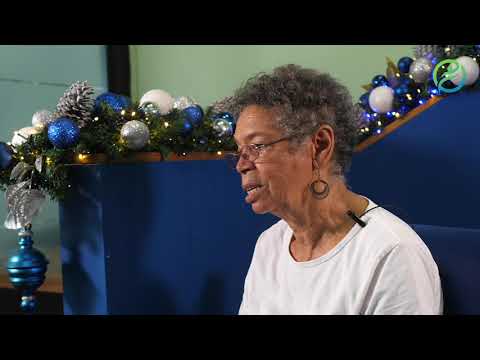
How Maria Hortensia Overcome Chronic Knee Pain with Stem Cells Dominican Republic by Dr. Vargas Decamps
Stem Cell Therapy
Center for Prolotherapy and Pain Management
Dominican Republic
Learn More with These Stem Cell Therapy Articles
Take a look at these interesting articles, stories and research that will help you learn more about Stem Cell Therapy.

Beyond Joint Pain: The High-Tech PRP and Stem Cell Innovations Dominating Guadalajara’s Clinics
PlacidWay Medical Tourism
- Stem Cell Therapy
Mexico

The Cartilage Matrix: Why Active Seniors Choose Cancun's PRP-Stem Cell Hybrid Treatments
PlacidWay Medical Tourism
- Stem Cell Therapy
Mexico

Neural Navigation: Why Santo Domingo is the New Frontline for Combining Stem Cells with Advanced Robotic Rehabilitation
PlacidWay Medical Tourism
- Stem Cell Therapy
Dominican Republic

The Inflammation Eraser: Why UK Patients are Bypassing the NHS for Santo Domingo’s Rapid-Response RA Cellular Therapy
PlacidWay Medical Tourism
- Stem Cell Therapy
Dominican Republic
Stem Cell Therapy Solutions Near You: Explore Top Medical Centers
Discover how Stem Cell Therapy is transforming lives at leading medical centers in , Dominican Republic. Dive into center profile, specialties, doctors, reviews, etc. and explore the best options tailored to your needs in this region.
Center for Prolotherapy and Pain Management
Santo Domingo, Dominican Republic
Genoma Health - Stem Cell Dominican Republic
Santiago de los Caballeros, Dominican Republic
La Vida Regenerative Medicine in Dominican Republic
Punta Cana, Dominican Republic








The doctors were wonderful and the facility is state of the art.
Read More