
What treatment


4+ Best Clinics for Stem Cell Therapy for Elbow in Japan
Trusted Medical Tourism Platform Since 2007
What are the best stem cell therapy clinics for elbow in Japan?
The leading stem cell therapy clinics for elbow conditions in Japan include HELENE - Stem Cell Clinic (Tokyo), Azabu Skin Clinic (Tokyo), Riso Clinic (Tokyo), and Clinique Haru Osaka Umeda (Osaka).
These accredited facilities operate under Japan's rigorous regulatory framework for regenerative medicine. They utilize autologous mesenchymal stem cells (MSCs) derived from adipose tissue or bone marrow to repair damaged cartilage, ligaments, and tendons. Depending on the complexity of the orthopedic condition and personalized protocols, treatment costs range from $8,000 to $68,000 USD.
 100.00% Patient Recommend
Cell Grand Clinic - 日本で最高の幹細胞クリニック


Overview
Explore Cell Grand Clinic, the best stem cell clinic in Japan specializing in top regenerative therapies for anti-aging, chronic conditions, and wellness.
Read more details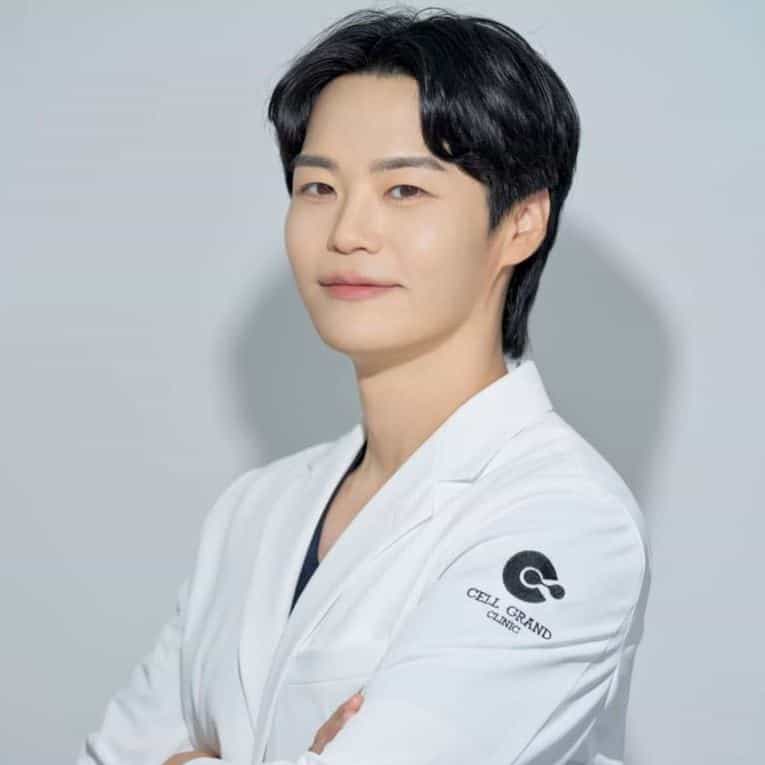

 82.81% Patient Recommend
HELENE - Stem Cell Clinic
Overview
Japan Regenerative Medicine Leading Brand With over a decade of experience and more than 17,000 treated patients. Providing cutting-edge stem cell therapies tailored to various health concerns.
Read more details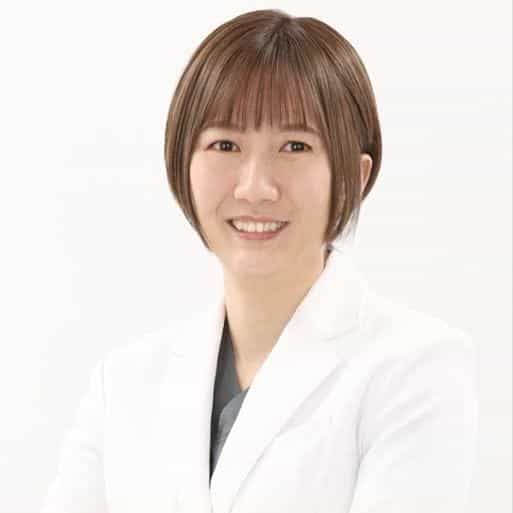
 100.00% Patient Recommend
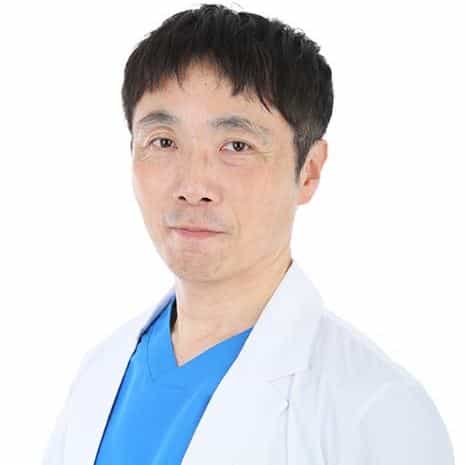
Azabu Skin Clinic - Dermatology and Stem Cell Therapy in Japan
Overview
Azabu Skin Clinic in Tokyo offers advanced stem cell treatments, regenerative treatments, dermatology, and aesthetic care. Book your consultation today.
Read more details
Riso Clinic - Japan Stem Cell Therapy
Overview
Explore Japan stem cell therapy at Riso Clinic in Tokyo. Advanced regenerative treatments for knee osteoarthritis, joint injuries, and cartilage repair.
Read more details
Discover your treatment options with a free, no-obligation quote!
Get your quote now!
Clinique Haru Osaka Umeda - Japan Stem Cell Treatment
Overview
Clinique Haru Osaka Umeda specializes in Japan stem cell treatments for joint and musculoskeletal conditions using advanced regenerative medicine.
Read more detailsWhich are the best clinics for Stem Cell Therapy for Elbow in Japan?
When seeking top clinics for Stem Cell Therapy for Elbow in Japan, the HELENE - Stem Cell Clinic in Tokyo stands out as a highly-rated option. It's recognized as a leading brand in regenerative medicine, boasting extensive experience and advanced personalized therapies for various health concerns. Patients often look for specialized facilities focusing on orthopedic conditions and a strong commitment to patient-centric care.
Choosing the "best" often depends on individual needs and specific elbow conditions. Beyond a clinic's reputation and patient satisfaction, considering their expertise in treating particular types of elbow injuries or chronic pain, the specific stem cell protocols used, and the level of patient support is crucial. Researching accreditations and the medical team's experience further assists in making an informed choice.
What types of stem cell therapy are available for elbow conditions in Japanese clinics?
Japanese clinics offering stem cell therapy for elbow conditions typically provide treatments utilizing mesenchymal stem cells (MSCs), often derived from adipose tissue (fat) or bone marrow. These cells are known for their regenerative and anti-inflammatory properties, aiming to repair damaged tissues like cartilage, ligaments, or tendons in the elbow. The approach is usually minimally invasive, focusing on natural healing.
Common procedures include injections of autologous (patient's own) stem cells directly into the affected elbow joint. Clinics might offer different preparation methods for these cells, potentially combining them with other biologics like platelet-rich plasma (PRP) to enhance therapeutic outcomes for conditions such as tennis elbow, golfer's elbow, or osteoarthritis.
How do I find a qualified stem cell therapy clinic for elbow pain in Japan?
To find a qualified stem cell therapy clinic for elbow pain in Japan, start by researching facilities with strong reputations in regenerative orthopedic care, like the HELENE - Stem Cell Clinic. Look for clinics that emphasize patient safety, have transparent communication about their procedures, and showcase testimonials or success stories from patients with similar elbow conditions. Online medical platforms and physician referrals can be helpful.
Prioritize clinics with accredited facilities and experienced medical teams. A thorough initial consultation, often available remotely for international patients, is vital to discuss your specific elbow condition, treatment options, and expected outcomes. Ensure the clinic operates under Japan's robust regulatory framework for regenerative medicine.
What should I expect during a stem cell therapy consultation for my elbow in Japan?
During a stem cell therapy consultation for your elbow in Japan, expect a thorough review of your medical history, including any previous diagnoses, treatments, and imaging results (like X-rays or MRIs). The medical team will explain the specific stem cell treatment options suitable for your elbow condition, the source of stem cells (e.g., adipose or bone marrow), and the procedural steps. This is your chance to ask all questions about the regenerative process.
Clinics will typically assess your eligibility, discuss potential risks and benefits, and outline a personalized treatment plan. They often provide details on preparation for the procedure and post-treatment care. Many Japanese clinics offer online consultations, which are very convenient for international patients planning medical travel.
Are there specific eligibility criteria for elbow stem cell treatment in Japanese clinics?
Yes, Japanese clinics generally have specific eligibility criteria for elbow stem cell treatment to ensure patient safety and optimize outcomes. These often include the patient's overall health, age, specific diagnosis (e.g., certain types of osteoarthritis or chronic tendinopathies), and the severity of the elbow condition. Patients with active infections, certain cancers, or severe systemic diseases might not be suitable candidates for regenerative therapy.
The medical team will review your health profile, including blood tests and imaging, to determine if stem cell therapy is appropriate for your particular elbow injury or degenerative condition. They prioritize cases where the treatment has the highest likelihood of success and minimal risk.
What is the typical recovery process after elbow stem cell therapy in Japan?
After elbow stem cell therapy in Japan, the recovery process typically involves an initial period of rest and limited activity to allow the treated area to heal. Patients are often advised to avoid strenuous activities for several weeks. Physical therapy and rehabilitation exercises usually begin shortly after treatment to restore range of motion and strengthen the elbow muscles. Gradual return to normal activities is recommended.
Japanese clinics provide comprehensive post-treatment instructions and follow-up schedules. Pain management, usually with non-steroidal anti-inflammatory drugs (NSAIDs) or alternative pain relief, is carefully monitored. Full recovery can vary, often taking several months, as stem cells work to regenerate and repair tissues naturally.
What kind of technology do Japanese clinics use for elbow stem cell therapy?
Japanese clinics performing elbow stem cell therapy utilize advanced medical technology to ensure precision and efficacy. This often includes sophisticated imaging guidance systems, such as ultrasound or fluoroscopy, for accurate stem cell delivery into the elbow joint. They also employ state-of-the-art laboratory facilities for processing and culturing stem cells, ensuring quality and viability.
Specialized equipment for adipose-derived stem cell (ADSC) or bone marrow concentrate (BMC) isolation is standard. These technologies allow for minimally invasive procedures, enhancing patient comfort and recovery. Continuous innovation in regenerative medicine ensures that Japanese clinics offer leading-edge treatment options for orthopedic conditions.
How do Japanese regulations impact stem cell therapy for elbow conditions?
Japanese regulations significantly impact stem cell therapy for elbow conditions, aiming to ensure patient safety and treatment efficacy. Japan has a progressive yet carefully controlled regulatory framework for regenerative medicine. This involves strict guidelines for clinical research and the provision of regenerative therapies, requiring clinics to register protocols and adhere to rigorous safety standards.
This regulatory environment means that clinics offering stem cell therapy in Japan, like the HELENE - Stem Cell Clinic, operate under robust oversight. Patients benefit from treatments that have undergone careful scrutiny and are administered by qualified professionals, contributing to a high standard of medical tourism and patient confidence in the country's regenerative medicine sector.
What support is offered by Japanese clinics for patients traveling for elbow stem cell therapy?
Japanese clinics often offer comprehensive support for international patients traveling for elbow stem cell therapy, understanding the unique needs of medical tourists. This typically includes assistance with travel logistics, such as accommodation recommendations and local transportation, and often language support through interpreters or multilingual staff. They also guide visa requirements, ensuring a smooth entry and stay in Japan for your medical journey.
Beyond logistics, clinics provide detailed pre-treatment consultations, including remote options, and continuous follow-up care. This holistic approach aims to make the entire patient experience as stress-free and effective as possible, from initial inquiry to post-recovery support, ensuring patients feel comfortable and well-cared for during their time in Japan.
What are the general success rates for elbow stem cell therapy reported by Japanese clinics?
While specific success rates can vary based on the elbow condition, type of stem cell therapy, and individual patient factors, Japanese clinics generally report positive outcomes for elbow stem cell treatments. Many studies and clinical observations suggest significant improvement in pain reduction, enhanced joint function, and improved quality of life for patients with conditions like osteoarthritis, tendinitis, or ligament injuries. These promising results contribute to the growing interest in regenerative medicine in Japan.
It's important to discuss expected outcomes with the medical team during your consultation. They will provide information based on their experience and published research, offering a realistic perspective on potential benefits and individual variability in response to stem cell therapy for elbow conditions.
How PlacidWay helps individuals access Stem Cell Therapy for Elbow in Japan?
PlacidWay provides detailed, up-to-date information about Stem Cell Therapy for Elbow, including benefits, risks, and expected outcomes, empowering you with knowledge. We help users compare treatment in various clinics, ensuring affordable options without compromising on quality, making your healthcare journey accessible. PlacidWay assists users in finding trusted, accredited clinics and medical professionals specializing in Stem Cell Therapy for Elbow in Japan, connecting you with expert care. We offer one-on-one consultations to help users make informed decisions about their treatment, ensuring their specific needs are met with personalized guidance. PlacidWay ensures continued support after the treatment, including follow-up care and recovery assistance, providing peace of mind throughout your healing process. Ready to get Stem Cell Therapy for Elbow in Japan? Contact us today for a personalized consultation.Share with AI
Share this page with AI assistants to get summaries and insights


List of Best Stem Cell Therapy for Elbow Clinics in Japan
Unlock the Best Stem Cell Therapy Packages Just for You
Discover the ultimate Stem Cell Therapy packages designed to meet your health and wellness goals. Choose the perfect fit for your journey.
Price starting from $19,800
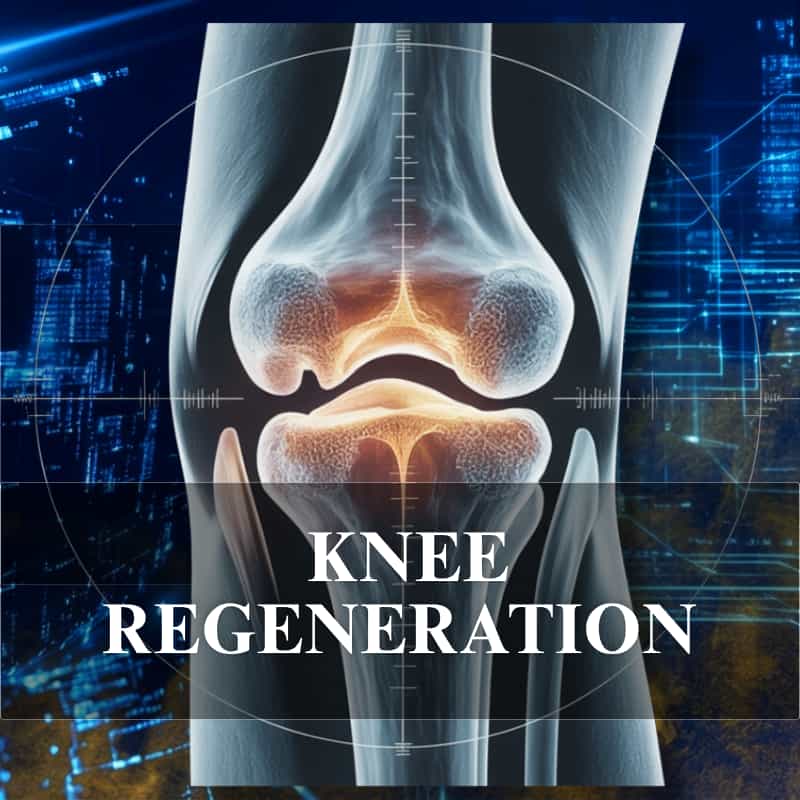
Knee Regenerative Medicine Package in Osaka, Japan by Cell Grand Clinic
Cell Grand Clinic - 日本で最高の幹細胞クリニック
- Stem Cell Therapy
Osaka, Japan
Price starting from $68,000
Advanced Autologous Stem Cell Treatment for Diabetes Package in Tokyo, Japan by HELENE Clinic
HELENE - Stem Cell Clinic
- Stem Cell Therapy
Tokyo, Japan
Price starting from $19,800
Diabetes Regenerative Medicine Package in Osaka, Japan by Cell Grand Clinic
Cell Grand Clinic - 日本で最高の幹細胞クリニック
- Stem Cell Therapy
Osaka, Japan
.png)
Price starting from $10,000
Stem Cell Therapy for Knee Osteoarthritis Package in Tokyo, Japan by HELENE Clinic
HELENE - Stem Cell Clinic
- Stem Cell Therapy
Tokyo, Japan
Transformative Stem Cell Therapy Experiences: Dive into Procedure Insights
Discover the power of Stem Cell Therapy through compelling patient experiences. Uncover detailed insights into procedures, recovery journeys, and life-changing results.
.png)
Stem Cell Therapy for Spinal Cord Injury in Japan
- Stem Cell Treatment for Spinal Cord Injury, Stem Cell Therapy
Japan
.png)
Price starting from $10,000
Stem Cell Therapy for Parkinson’s Disease in Japan
- Stem Cell Treatment for Parkinsons Disease, Stem Cell Therapy
Japan
.png)
Price starting from $10,000
Stem Cell Therapy for Stroke Rehabilitation in Japan
- Stem Cell Therapy for Stroke, Stem Cell Therapy
Japan
.png)
Price starting from $10,000
Stem Cell Therapy for Alzheimer’s Disease in Japan
- Stem Cell Treatment for Alzheimers Disease, Stem Cell Therapy
Japan
Explore Stem Cell Therapy: Stories, Testimonials, and Procedures
Watch in-depth videos covering everything from Stem Cell Therapy success stories to detailed procedure explanations. Learn what to expect and hear from real patients.
Stem Cell Therapy in Japan by Dr. Yuichi Wakabayashi: Why Patients Prefer Cell Grand Clinic Osaka
Stem Cell Therapy
Cell Grand Clinic - 日本で最高の幹細胞クリニック
Japan

Cell Grand Clinic: Best Stem Cell Clinic in Japan Featured in Exclusive 28-Minute JP TV Interview
Stem Cell Therapy
Cell Grand Clinic - 日本で最高の幹細胞クリニック
Japan

Pramod Goel, CEO of PlacidWay Medical Tourism Interview: How AI is Transforming Patient Journeys
Stem Cell Therapy
PlacidWay Medical Tourism
Japan
Minimally Invasive Stem Cell Therapy and Advanced Cultivation
Stem Cell Therapy
HELENE - Stem Cell Clinic
Japan
Learn More with These Stem Cell Therapy Articles
Take a look at these interesting articles, stories and research that will help you learn more about Stem Cell Therapy.
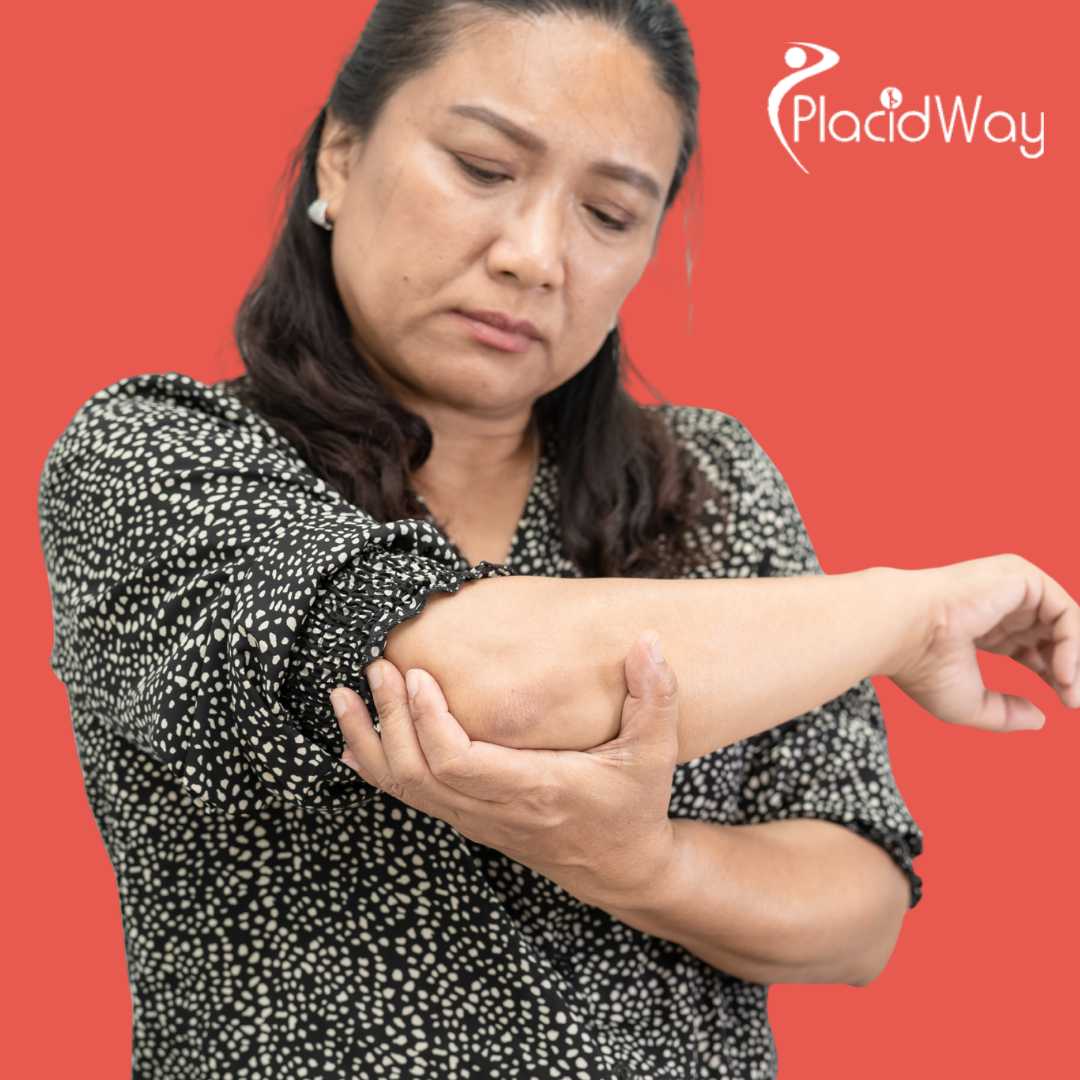
Non-Surgical Elbow Pain Relief: Singaporeans Are Flocking to Osaka for Stem Cell Therapy
PlacidWay Medical Tourism
- Stem Cell Therapy
Japan
-(5).png)
Stem Cell Therapy Japan vs South Korea - Cost & Results
PlacidWay Medical Tourism
- Stem Cell Therapy
Japan
-(6).png)
A Complete Guide to Stem Cell Therapy for Cerebral Palsy in Japan
PlacidWay Medical Tourism
- Stem Cell Therapy
Japan
-(10).png)
Stem Cell Therapy for Diabetes in Japan Including Costs and Treatment Options
PlacidWay Medical Tourism
- Stem Cell Therapy
Japan
Stem Cell Therapy Solutions Near You: Explore Top Medical Centers
Discover how Stem Cell Therapy is transforming lives at leading medical centers in , Japan. Dive into center profile, specialties, doctors, reviews, etc. and explore the best options tailored to your needs in this region.

HELENE - Stem Cell Clinic
Tokyo, Japan
Cell Grand Clinic - 日本で最高の幹細胞クリニック
Osaka, Japan
Riso Clinic - Japan Stem Cell Therapy
Tokyo, Japan








I have been receiving treatment at CELL GRAND CLINIC for severe atopic dermatitis and other health issues. My atopic dermatitis was extremely severe and affected my entire body. My skin was constantly itchy and oozing, and the condition on my face was so bad that I couldn't go outside without wearing a face mask. It had affected my work and daily life for many years. After searching for help, I finally found Dr. Wakabayashi and decided to consult with him. I am currently undergoing stem cell therapy at the clinic. About two months after my first treatment, I began to notice changes. The itching gradually became less intense, and I also noticed that new wounds and skin damage were occurring less frequently. It has now been about six months, and the improvement throughout my body has been remarkable. When I compare my before-and-after photos, I can hardly believe the difference. So far, I have only received two stem cell treatments, and I am considering continuing with several more sessions. For many years, my atopic dermatitis had a major impact on my work, confidence, and everyday life. Now, I finally feel as though a new chapter of my life is beginning, and I couldn't be happier with the progress I have made. The treatment is certainly not inexpensive for me, but considering the changes I have experienced, I genuinely feel it has been worth it. Based on my personal experience, this is a treatment I would highly recommend to others who are struggling with similar problems.
Read More