


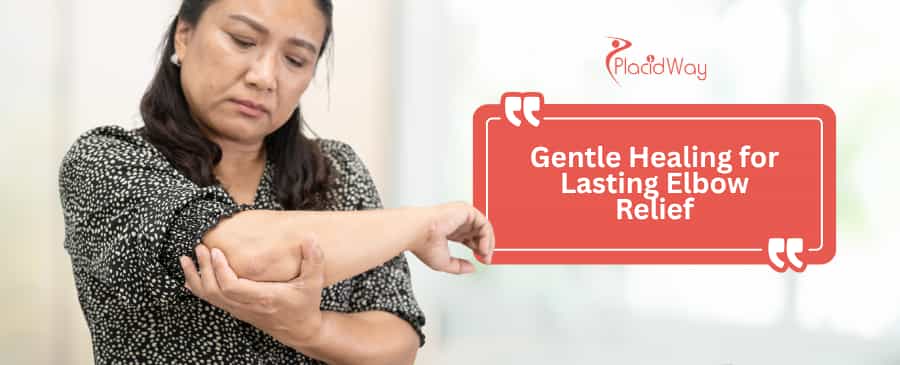
Chronic elbow pain, often caused by conditions like lateral epicondylitis (tennis elbow) or medial epicondylitis (golfer’s elbow), can severely impact a person's quality of life. For decades, patients suffering from persistent joint inflammation and tissue degeneration have been limited to corticosteroid injections, extensive physical therapy, or invasive surgical procedures. Today, non-surgical elbow pain relief is entering a new era, with regenerative medicine offering a modern alternative that focuses on healing rather than merely masking symptoms.
As biotechnology advances, stem cell therapy for elbow pain has emerged as a compelling option for those seeking to avoid surgery. Japan has positioned itself at the forefront of this medical frontier, combining rigorous scientific research with highly regulated clinical applications. Patients from neighboring countries, particularly those seeking advanced alternatives, are increasingly looking toward Japanese medical centers for these innovative orthopedic solutions.
Japan is one of the few countries globally with a dedicated legislative framework specifically designed to safely expedite the clinical application of regenerative medicine therapies.
Why Singaporeans Choose Osaka for Orthopedic Regenerative Medicine
Singapore boasts a world-class healthcare system, yet a growing number of residents are exploring international borders to access specialized regenerative treatments. Osaka has become a premier destination for medical tourism in Japan, drawing patients who are looking for advanced therapies that may not yet be widely available or as cost-effective in their home country. The city offers a unique blend of cutting-edge clinical facilities, renowned orthopedic specialists, and a deeply ingrained culture of exceptional patient care.
The motivation to travel stems from Japan's highly specialized focus on orthopedic regenerative medicine. Patients traveling from Singapore appreciate the shorter flight times and the seamless integration of advanced medical care with Japanese hospitality. Furthermore, the proactive regulatory environment in Japan allows patients to access innovative stem cell treatments safely, making Osaka a trusted hub for those seeking long-term relief from chronic joint pain.
Osaka is home to numerous government-certified medical institutions that specifically focus on regenerative orthopedics, adhering to some of the strictest safety protocols in the world.
Understanding Non-Surgical Elbow Treatments in Japan
The process of utilizing regenerative medicine for joint repair relies on harnessing the body's natural healing mechanisms. During regenerative treatments in Japan, specialists typically extract mesenchymal stem cells (MSCs) from the patient's own body, usually from adipose (fat) tissue or bone marrow. These autologous cells are then carefully processed and concentrated in highly sterile, government-approved laboratory environments before being targeted directly into the damaged elbow tendons or ligaments.
This localized injection aims to reduce inflammation, modulate the immune response, and stimulate the repair of degenerated tissues. While results generally vary from person to person, most patients experience a gradual improvement in joint mobility and a significant reduction in pain over several months. It is important to remember that regenerative medicine does not guarantee a cure, but rather offers a sophisticated biological tool to aid tissue recovery.
Stem cell therapy is not suitable for everyone. Patients with active infections, active systemic diseases, or severe complete tendon tears may be contraindicated for this procedure. Always undergo a thorough medical evaluation prior to treatment.
Cost of Stem Cell Therapy for Elbow Pain in Japan vs Singapore
Understanding the financial aspect is a critical step for anyone planning a medical journey abroad. The cost of stem cell therapy in Japan is often viewed as highly competitive, especially when comparing the caliber of biotechnology and the specialized expertise involved. While Singapore offers exceptional care, the high cost of living and medical overheads can make novel regenerative therapies substantially more expensive locally.
Patients traveling to Osaka typically find that even when factoring in flights and short-term accommodations, the overall investment remains attractive. Below is an estimated cost comparison table detailing the different components of orthopedic stem cell therapy. Please note that these figures are market averages and can fluctuate based on the specific clinic, the complexity of the condition, and current exchange rates.
| Procedure / Service | Average Cost in Japan (USD) | Estimated Cost in Singapore (USD) |
|---|---|---|
| Comprehensive Initial Consultation | $150 - $300 | $250 - $500 |
| Autologous Stem Cell Extraction & Injection | $4,500 - $8,000 | $7,000 - $12,000 |
| Adjunct PRP Therapy (If required) | $500 - $1,200 | $800 - $1,800 |
| Post-Procedure Physical Therapy (Per session) | $80 - $150 | $150 - $250 |
Top Stem Cell Therapy Clinics in Japan
Selecting the right medical facility is paramount to ensuring a safe and effective treatment outcome. The highest-rated institutions in Japan combine multidisciplinary orthopedic expertise with state-of-the-art cell processing centers. These facilities are meticulously audited by Japanese health authorities to guarantee that every cellular extraction, cultivation, and administration meets rigorous ethical and biological standards.
One highly regarded institution frequently sought by international patients is Cell Grand Clinic in Osaka. Known for its advanced protocols and dedication to patient-centric care, many consider it to be the best stem cell clinic in Japan for regenerative orthopedics. Clinics of this caliber prioritize comprehensive pre-treatment evaluations and create tailored therapeutic strategies to address the unique complexities of each patient's joint degeneration.
When evaluating clinics abroad, always request information regarding their cell processing protocols, government certifications, and the specific orthopedic background of the administering physician.
The Science Behind Cellular Therapy for Joint Repair in Osaka
To truly appreciate the value of stem cell therapy for elbow pain, it is helpful to understand the underlying cellular biology. Mesenchymal stem cells (MSCs) are multipotent, meaning they have the capacity to differentiate into various cell types, including osteoblasts (bone cells) and chondrocytes (cartilage cells). More importantly, they act as powerful signaling centers, releasing growth factors and cytokines that naturally instruct the body’s own cells to accelerate tissue repair and decrease chronic inflammation.
In Osaka's advanced clinics, researchers and physicians collaborate to optimize the concentration and delivery of these cells. By utilizing ultrasound-guided injection techniques, specialists ensure that the cellular payload is delivered precisely to the micro-tears in the tendons or the inflamed joint spaces. This pinpoint accuracy is typically vital for initiating the regeneration cascade in avascular areas (areas with poor blood supply) like the lateral epicondyle of the elbow.
Research indicates that ultrasound-guided injections improve delivery accuracy by up to 95% compared to blind injections, significantly enhancing the potential efficacy of regenerative joint therapies.
What to Expect During Your Orthopedic Stem Cell Procedure in Japan
For international patients, anticipating the medical timeline can alleviate travel anxiety and ensure adequate preparation. The clinical pathway for regenerative treatments in Japan is highly organized, structured to maximize patient comfort and cellular viability. From the moment you step into an Osaka clinic, you are typically guided by a dedicated patient coordinator who ensures clear communication and a stress-free environment.
While specific protocols can vary depending on the patient's biological markers and the clinic's exact methodology, a typical treatment journey unfolds over a few systematic phases. Here is what most patients experience during their medical trip:
- Comprehensive Diagnostics: A thorough physical examination, accompanied by MRI or ultrasound imaging to precisely map the joint damage.
- Cell Harvesting: A minimally invasive procedure, usually done under local anesthesia, to extract a small sample of adipose tissue or bone marrow.
- Cell Processing: The extracted tissue is swiftly transferred to a certified lab where the stem cells are isolated, purified, and occasionally cultured for higher concentration.
- Targeted Injection: The concentrated stem cells are injected back into the damaged elbow tissues using advanced real-time imaging guidance.
- Observation: A short resting period at the clinic before the patient is discharged with detailed post-care protocols.
The cell harvesting phase is generally completed within 30 to 60 minutes, allowing patients to remain awake and comfortable throughout the minimally invasive process.
Ideal Candidates for Regenerative Elbow Treatments in Japan
Determining eligibility is a vital component of responsible medical practice, especially concerning advanced cellular applications. Ideal candidates for non-surgical elbow pain relief are typically individuals suffering from chronic epicondylitis or mild to moderate osteoarthritis who have not found success with conventional conservative treatments like physical therapy, rest, or standard anti-inflammatory medications.
Conversely, those with severe structural deformities, complete tendon ruptures, or certain autoimmune and active malignant diseases are generally advised against this procedure. A responsible Japanese clinic will strictly assess a patient’s medical history, current imaging, and overall health profile before endorsing the trip, ensuring that regenerative therapy presents a realistic opportunity for clinical improvement.
Early intervention is key. Patients who opt for stem cell therapy during the moderate stages of tendon degeneration typically experience faster and more robust recovery outcomes than those who wait until severe deterioration occurs.
Navigating Medical Tourism in Japan for Singaporean Patients
Embarking on a healthcare journey overseas requires logistical planning, but the route between Singapore and Japan is exceptionally streamlined. Singaporeans enjoy robust travel privileges, generally allowing for visa-free entry for short stays, which perfectly aligns with the timeline required for outpatient orthopedic regenerative therapies. Osaka is serviced by direct flights, making the physical journey relatively effortless for individuals managing joint pain.
Language barriers are often a primary concern for international patients; however, premier medical facilities catering to foreign clients proactively address this. These clinics typically provide comprehensive, in-house medical translation services and English-speaking patient coordinators. This ensures that every medical nuance, consent form, and post-procedure instruction is perfectly understood, fostering a trustworthy and transparent medical environment.
Share all relevant medical imaging (like recent MRIs) with your prospective clinic in Japan before booking your flight. A remote pre-assessment can confirm if traveling for this specific treatment is viable for your condition.
Recovery and Rehabilitation After Stem Cell Therapy in Osaka
The post-procedure phase is just as crucial as the cellular injection itself when determining the ultimate success of the therapy. After undergoing stem cell therapy for elbow pain, patients are typically advised to embrace a period of relative rest. While normal light daily activities can usually be resumed within a few days, strenuous exercise, heavy lifting, or sports like golf and tennis must be avoided to allow the cellular repair process to take root.
Healing is biological and gradual. Most patients begin noticing a reduction in inflammatory pain around the four to six-week mark, with structural improvements continuing for up to six months. Physicians in Osaka will emphasize the necessity of integrating a tailored, progressive physical rehabilitation program once returning to Singapore, ensuring that the newly healing tissue is strengthened correctly and joint mechanics are restored.
Patients are often instructed to avoid non-steroidal anti-inflammatory drugs (NSAIDs) like ibuprofen for several weeks post-injection, as these medications can potentially blunt the body's necessary natural healing response triggered by the stem cells.
Safety Standards and Regulations for Regenerative Medicine in Japan
One of the primary reasons international patients gravitate toward Japan for advanced biotechnology is the nation's unparalleled regulatory oversight. Medical tourism in Japan is bolstered by the Act on the Safety of Regenerative Medicine (ASRM), implemented by the Ministry of Health, Labour and Welfare. This legislative framework ensures that any clinic providing cellular therapies adheres to rigorous standards of clinical safety, ethical sourcing, and scientific validity.
Under these regulations, medical institutions must submit comprehensive treatment protocols to specialized certified committees for approval before they can treat patients. The cell processing centers themselves are subject to stringent inspections to prevent contamination and ensure cell viability. For a patient traveling from Singapore, this government-backed oversight provides immense peace of mind and reinforces the trustworthiness of Japanese healthcare providers.
Japan's PMDA (Pharmaceuticals and Medical Devices Agency) operates similarly to the FDA but features a specialized accelerated pathway specifically designed to evaluate and safely deploy regenerative medicine products faster than many Western nations.
Patient Success Stories of Elbow Pain Relief in Japan
The true measure of any medical innovation is found in the experiences of the patients whose lives have been positively impacted. Many individuals traveling to Japan for non-surgical elbow pain relief report profound changes in their daily functionality, allowing them to return to the activities and sports they love without the hindrance of chronic pain.
Below are summaries of experiences from international patients who sought regenerative care in Osaka. Keep in mind that individual results generally vary based on age, condition severity, and adherence to post-care protocols.
Overcoming Tennis Elbow
A 45-year-old Singaporean professional struggled with severe tennis elbow for two years, relying heavily on cortisone shots. After receiving autologous stem cell injections in Osaka, he reported a 70% reduction in pain within two months and successfully returned to playing tennis by month five.
Avoiding Invasive Surgery
Facing the prospect of invasive tendon surgery, a 52-year-old executive opted for medical tourism in Japan. Six months post-therapy, her elbow mobility had significantly improved, and follow-up imaging in Singapore showed remarkable natural tissue repair, allowing her to cancel the surgical intervention completely.
Rapid and Professional Care
A patient who traveled for golfer’s elbow noted the exceptional professionalism of the Japanese medical staff. They highlighted the seamless English translation services and the minimally invasive extraction process, which left them feeling confident and well-cared for throughout their three-day clinical journey.
Long-Term Joint Stability
A 60-year-old retiree experienced daily aching due to early-stage elbow osteoarthritis. Eight months following her regenerative treatment in Osaka, she experienced a sustained reduction in morning stiffness and pain, praising the therapy for providing a long-term biological solution rather than a temporary fix.
How PlacidWay Assists Your Stem Cell Therapy Medical Tourism Journey in Japan
Planning an international medical journey involves extensive research, coordination, and trust. Navigating a foreign healthcare landscape for specialized treatments like stem cell therapy for elbow pain requires dedicated support to ensure you connect with highly accredited and transparent medical providers.
PlacidWay serves as a premier medical tourism facilitator, connecting patients worldwide with rigorously evaluated international centers of medical excellence. Here is how PlacidWay adds value to your journey for regenerative care in Japan:
- Connecting patients directly with certified, globally recognized regenerative medicine clinics in Osaka.
- Facilitating the secure transfer of medical records, MRIs, and diagnostics for preliminary clinical evaluations.
- Assisting in scheduling initial virtual consultations with top Japanese orthopedic specialists prior to travel.
- Providing transparent cost comparisons and detailed procedural insights to support informed decision-making.
- Helping patients navigate international clinic communication by ensuring access to proper linguistic and administrative support at the destination facility.
Frequently Asked Questions About Stem Cell Therapy for Elbow Pain in Japan
When considering crossing borders for advanced healthcare, it is completely natural to have questions regarding efficacy, safety, and logistics. Being well-informed is the foundation of a successful medical travel experience, empowering you to make decisions aligned with your specific health goals.
To help clarify the process of pursuing regenerative medicine in Osaka, we have compiled answers to the most common queries raised by international patients.
How long does stem cell therapy for elbow pain take in Japan?
The entire procedure generally takes a few days, including the initial consultation, cell extraction, processing, and the final injection. International patients typically stay in Japan for about a week to allow for initial recovery and a follow-up assessment.
Is stem cell therapy for elbow pain painful?
Most patients experience only mild discomfort during the extraction and injection phases, as local anesthesia is typically used. Post-procedure soreness around the injection site is common but usually subsides within a few days.
Do I need a medical visa for regenerative treatments in Japan?
Singaporean citizens generally do not need a medical visa for short stays up to 90 days, which is usually sufficient for stem cell therapies. However, it is always recommended to verify current immigration regulations before traveling.
How quickly will I see results from elbow stem cell therapy?
Results generally vary from patient to patient, but many begin to notice improvements in pain and mobility within four to six weeks. Maximum benefits are typically observed three to six months post-procedure as tissue repair progresses.
Are stem cell treatments for orthopedic conditions regulated in Japan?
Yes, Japan has stringent regulations under the Act on the Safety of Regenerative Medicine (ASRM). Clinics must be certified and regularly inspected by government authorities to ensure high safety and ethical standards.
Can stem cell therapy cure tennis elbow completely?
While regenerative medicine promotes natural healing and can significantly reduce symptoms, it does not guarantee a complete cure for every individual. Most patients experience substantial pain relief and improved function that helps them avoid surgery.
What type of stem cells are used for elbow pain?
Clinics in Japan typically use autologous mesenchymal stem cells (MSCs) harvested from the patient's own adipose (fat) tissue or bone marrow. This minimizes the risk of rejection or allergic reactions.
Is physical therapy required after the stem cell injection?
Yes, following a structured rehabilitation program is generally crucial for maximizing the benefits of regenerative medicine. Gentle physical therapy helps strengthen the surrounding muscles and supports the newly healing joint tissues.
Can I travel immediately after my elbow stem cell procedure?
It is typically recommended to wait at least 48 to 72 hours before taking a long-haul flight. This allows the medical team to monitor your initial recovery and ensures you are comfortable for the journey home.
What happens if I experience complications after returning to Singapore?
Top-tier clinics in Japan typically coordinate with specialists in your home country or offer robust telemedicine follow-ups. You will receive detailed post-care instructions and contact channels for any concerns that arise during your ongoing recovery.
Medical Disclaimer: This article is for informational purposes only and is not medical advice. Always consult a qualified healthcare provider before any medical decisions. Results may vary. Read Full Disclaimer here.
References:
- Mayo Clinic. Tennis Elbow - Symptoms and Causes. https://www.mayoclinic.org/diseases-conditions/tennis-elbow/symptoms-causes/syc-20351987
- International Society for Stem Cell Research (ISSCR). Patient Guide to Stem Cell Treatments. https://www.closerlookatstemcells.org/
- Pharmaceuticals and Medical Devices Agency (PMDA) Japan. Outline of Regenerative Medical Products Regulations. https://www.pmda.go.jp/english/















Share this listing