
What treatment


3+ Best Clinics for Stem Cell Therapy for Facelift in Japan
Trusted Medical Tourism Platform Since 2007
What are the best stem cell therapy clinics in Japan?
The leading stem cell therapy clinics in Japan are Cell Grand Clinic (Osaka), HELENE - Stem Cell Clinic (Tokyo), Azabu Skin Clinic (Tokyo), and Clinique Haru Osaka Umeda (Osaka).
Operating under Japan's strict Regenerative Medicine Safety Law with GMP-certified cell processing facilities, these centers safely utilize autologous Adipose-Derived Stem Cells (ADSCs). They specialize in facial rejuvenation, longevity, osteoarthritis, diabetes, and anti-aging therapies. Treatment costs typically range from $10,000 to $19,800 USD, providing international patients with access to highly regulated, cutting-edge regenerative care.
 100.00% Patient Recommend
Cell Grand Clinic - 日本で最高の幹細胞クリニック


Overview
Explore Cell Grand Clinic, the best stem cell clinic in Japan specializing in top regenerative therapies for anti-aging, chronic conditions, and wellness.
Read more details

 82.81% Patient Recommend
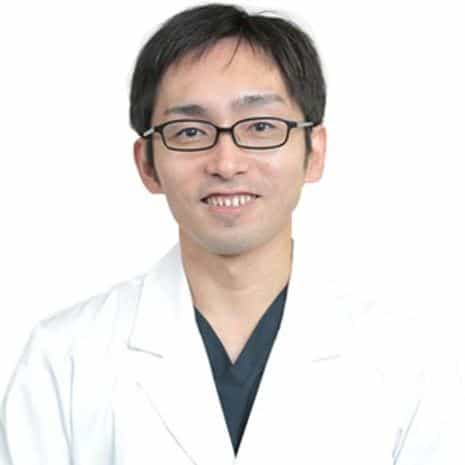
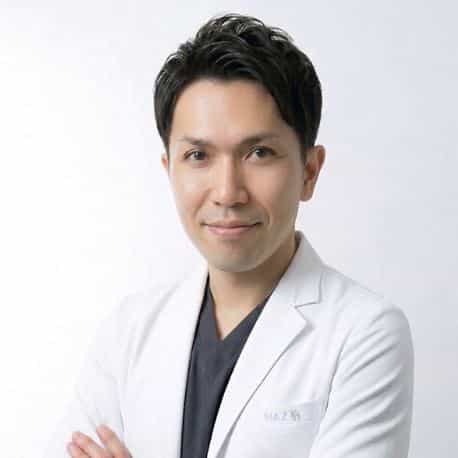
HELENE - Stem Cell Clinic
Overview
Japan Regenerative Medicine Leading Brand With over a decade of experience and more than 17,000 treated patients. Providing cutting-edge stem cell therapies tailored to various health concerns.
Read more details
 100.00% Patient Recommend
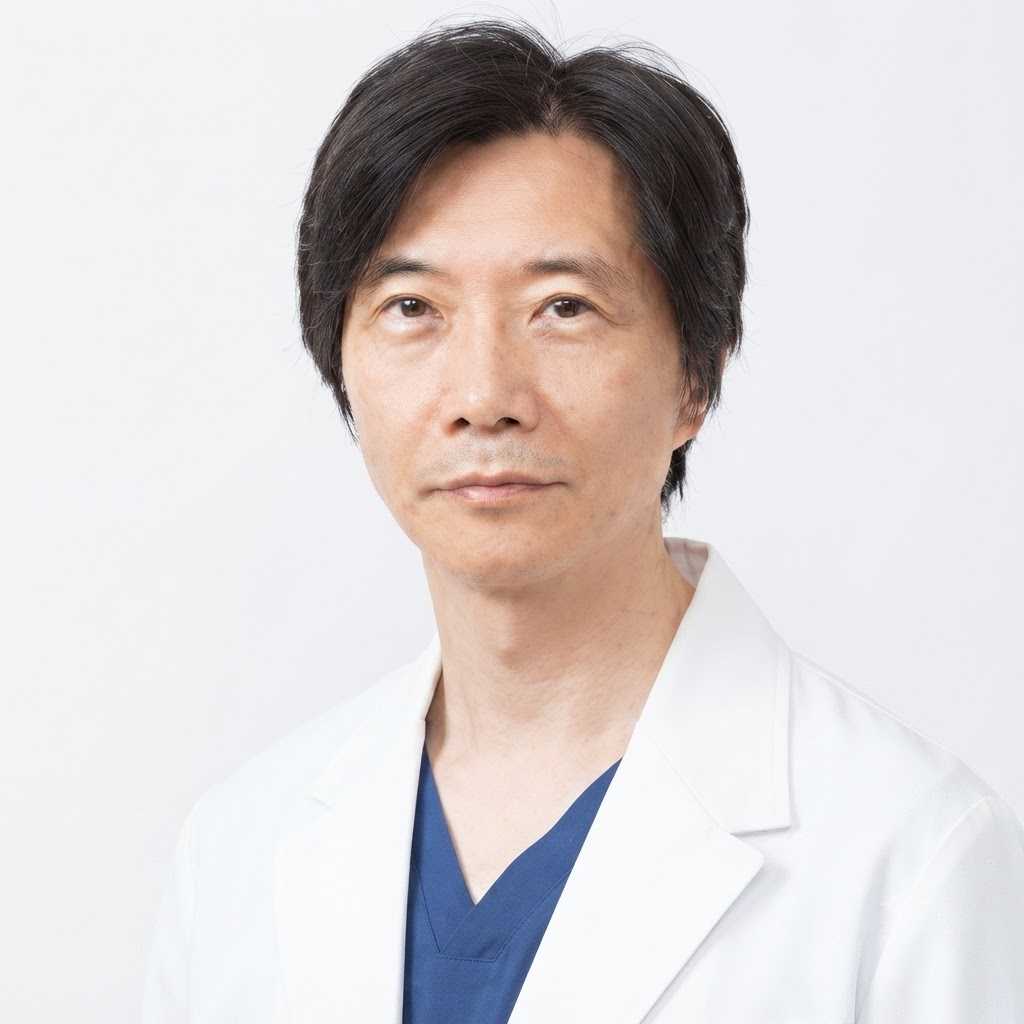
Azabu Skin Clinic - Dermatology and Stem Cell Therapy in Japan
Overview
Azabu Skin Clinic in Tokyo offers advanced stem cell treatments, regenerative treatments, dermatology, and aesthetic care. Book your consultation today.
Read more details
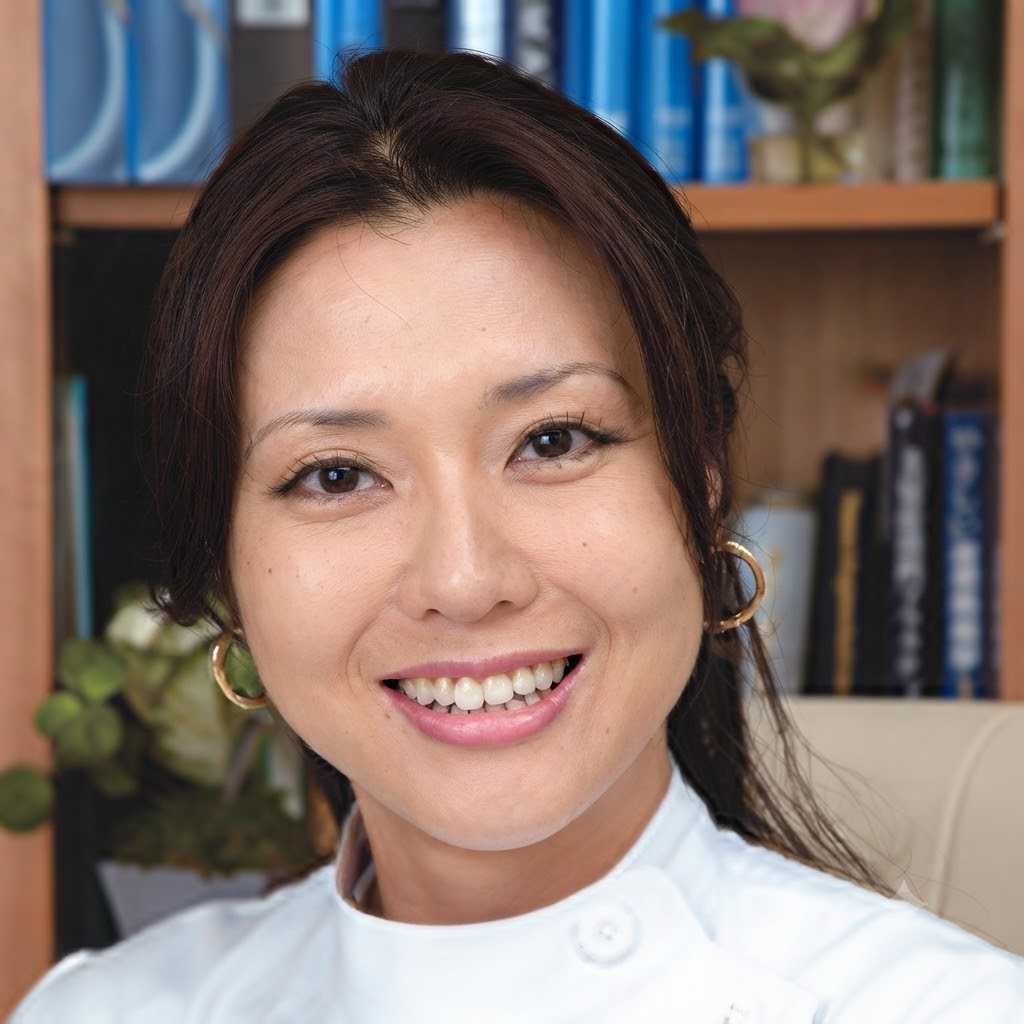
Clinique Haru Osaka Umeda - Japan Stem Cell Treatment
Overview
Clinique Haru Osaka Umeda specializes in Japan stem cell treatments for joint and musculoskeletal conditions using advanced regenerative medicine.
Read more detailsWhich are the best clinics for Stem Cell Therapy for Facelift in Japan?
For top-tier Stem Cell Therapy for Facelift in Japan, highly-rated clinics include HELENE - Stem Cell Clinic in Tokyo and Cell Grand Clinic in Osaka. Both facilities are renowned for their advanced regenerative medicine techniques, patient satisfaction, and focus on anti-aging and facial rejuvenation. They offer personalized treatment plans using cutting-edge stem cell applications to achieve natural-looking results.
When considering leading options for a stem cell facelift in Japan, HELENE - Stem Cell Clinic in Tokyo stands out for its extensive experience and thousands of treated patients in regenerative medicine. They prioritize tailoring treatments to individual health needs. Similarly, Cell Grand Clinic in Osaka is recognized as a premier destination, offering state-of-the-art regenerative therapies not just for anti-aging and facial aesthetic enhancement, but also for various chronic conditions. Both clinics emphasize patient safety, advanced technology, and personalized care approaches, which are crucial for optimal outcomes in regenerative aesthetic procedures. Their reputations are built on successful patient stories and a commitment to high-quality healthcare standards in the field of stem cell technology.
What should I look for in a Stem Cell Facelift clinic in Japan?
When selecting a stem cell facelift clinic in Japan, prioritize accreditation, specialized experience in regenerative aesthetics, and transparent communication about the procedure and expected results. Look for clinics that utilize advanced cell processing techniques and have a strong record of patient safety and satisfaction, ideally supported by testimonials and reviews. Confirm that the medical team has extensive expertise in stem cell applications for facial rejuvenation.
Choosing the right clinic for your stem cell facelift in Japan requires careful consideration. Here's a breakdown of key factors:
- Accreditation and Regulatory Compliance: Ensure the clinic operates under strict Japanese medical regulations. Look for certifications and affiliations that demonstrate adherence to high safety and quality standards in regenerative medicine.
- Expertise in Regenerative Aesthetics: Verify the clinic's focus and experience specifically in stem cell therapies for facial rejuvenation. Inquire about the number of successful procedures performed and the specialized training of their medical professionals.
- Advanced Technology and Lab Facilities: Modern clinics should boast state-of-the-art cell processing laboratories and cutting-edge equipment, ensuring optimal cell viability and precise application for your facelift.
- Personalized Treatment Plans: A reputable clinic will offer a customized approach, assessing your unique skin condition, aesthetic goals, and overall health to design a tailored stem cell therapy for natural, lasting results.
- Patient Testimonials and Before/After Results: Reviewing feedback from previous patients and visual evidence of outcomes can provide valuable insight into the clinic’s effectiveness and patient care quality.
- Comprehensive Consultations: The clinic should provide thorough pre-treatment consultations, clearly explaining the procedure, potential benefits, risks, and post-treatment care expectations. Clear, open communication is vital.
Are stem cell facelifts safe in Japan?
Stem cell facelifts in Japan are generally considered safe when performed in accredited clinics adhering to strict national guidelines for regenerative medicine. Japan has robust regulatory frameworks ensuring high standards for cell processing, administration, and patient safety protocols. As with any medical procedure, risks exist, but reputable Japanese clinics focus on minimizing these through rigorous screening and advanced techniques.
Japan is at the forefront of regenerative medicine, including aesthetic applications like stem cell facelifts. The safety of these procedures is heavily influenced by the clinic's adherence to stringent national regulations and ethical practices.
- Regulatory Oversight: Japan has a well-defined legal framework for regenerative medicine, which includes clinical research and applications of stem cells. Clinics must obtain specific approvals and follow strict protocols for cell procurement, culture, and administration, enhancing patient safety.
- Qualified Professionals: Reputable Japanese clinics employ highly trained medical professionals specializing in regenerative aesthetics and cell therapy. Their expertise minimizes potential complications and ensures appropriate patient selection and procedure execution.
- Autologous Cells: Many stem cell facelift procedures utilize autologous stem cells, meaning they are harvested from the patient's own body (e.g., adipose tissue). This significantly reduces the risk of immune rejection or allergic reactions, contributing to a safer profile.
- Minimally Invasive Techniques: Stem cell facelifts are typically less invasive than traditional surgical facelifts, involving injections rather than extensive incisions. This can lead to reduced recovery time and fewer surgical risks.
- Potential Side Effects: While generally safe, minor side effects can occur, such as swelling, bruising, or temporary discomfort at the injection sites. Serious complications are rare in well-regulated clinical settings.
What is the recovery process like for a stem cell facelift in Japan?
The recovery from a stem cell facelift in Japan is generally mild and quick compared to surgical facelifts. Patients typically experience minor swelling and bruising for a few days, often allowing them to resume light activities within 1-3 days. Full results become noticeable over several weeks as the regenerated cells enhance skin elasticity and volume.
The recovery period following a stem cell facelift in Japanese clinics is typically straightforward and less demanding than that of conventional surgical facelifts.
- Immediate Post-Procedure: Immediately after the stem cell injections, patients may experience some redness, swelling, or minor bruising at the treatment sites. This is a normal reaction and usually subsides within a few days.
- Downtime: Most individuals find they can return to light, non-strenuous daily activities within 1 to 3 days. It's recommended to avoid vigorous exercise or heavy lifting for about a week to ensure optimal healing and integration of the stem cells.
- Managing Discomfort: Any mild discomfort can usually be managed with over-the-counter pain relievers. Cold compresses can also help reduce swelling.
- Visible Results: Initial improvements in skin texture and radiance might be visible within a few weeks. However, the full regenerative effects, including enhanced skin elasticity, volume, and reduction of fine lines, typically develop gradually over 3 to 6 months as the stem cells work to rejuvenate the facial tissues.
- Follow-up Care: Clinics in Japan often schedule follow-up appointments to monitor progress and ensure satisfactory results, guiding patients through their recovery journey.
How do Japanese clinics ensure quality in stem cell facelift procedures?
Japanese clinics uphold rigorous quality through strict adherence to the country's advanced Regenerative Medicine Safety Law. They operate specialized cell processing facilities with sterile environments, employ highly trained specialists, use precise cell isolation and culture techniques, and maintain comprehensive patient tracking and data collection for continuous improvement and safety monitoring in stem cell facelift procedures.
Ensuring high quality in stem cell facelift procedures is a cornerstone of Japanese medical practice, especially within the specialized field of regenerative medicine.
- Strict Regulatory Compliance: Japan’s Regenerative Medicine Safety Law is one of the most comprehensive globally, governing everything from research to clinical application. Clinics must comply with these stringent regulations, which demand rigorous safety protocols and ethical standards.
- Certified Cell Processing Facilities: Clinics often have or partner with state-of-the-art Cell Processing Facilities (CPFs) that are certified for Good Manufacturing Practice (GMP) standards. These facilities ensure sterile environments and precise techniques for isolating, culturing, and preparing stem cells, maintaining their viability and purity.
- Expert Medical Teams: Procedures are performed by highly qualified medical doctors with specialized training and extensive experience in regenerative medicine and aesthetic procedures. Continuous education and adherence to best practices are standard.
- Advanced Research Integration: Many leading Japanese clinics actively participate in or contribute to ongoing research in regenerative medicine. This integration of research into clinical practice ensures they offer the latest, most effective, and scientifically backed techniques.
- Comprehensive Patient Management: Quality assurance extends to patient care, with thorough pre-screening, individualized treatment planning, detailed informed consent, and meticulous post-procedure follow-up to monitor outcomes and address any concerns.
What types of stem cells are commonly used for facelifts in Japan?
In Japan, Adipose-Derived Stem Cells (ADSCs) are predominantly used for stem cell facelifts. These adult stem cells are harvested from the patient's own fat tissue, offering a safe and effective method for facial rejuvenation. They are known for their ability to promote tissue regeneration, improve skin texture, and restore youthful volume.
The field of regenerative aesthetics in Japan primarily utilizes specific types of stem cells known for their safety and efficacy in facial rejuvenation.
- Adipose-Derived Stem Cells (ADSCs): These are the most common type of stem cells used for facelifts in Japan. ADSCs are adult stem cells obtained from the patient's own fat tissue through a minimally invasive liposuction procedure.
- Why ADSCs are preferred:
- Autologous Source: Being from the patient's own body, ADSCs eliminate the risk of immune rejection, allergic reactions, or disease transmission.
- Abundance: Fat tissue is a rich source of mesenchymal stem cells (MSCs), which are known for their multipotent differentiation capabilities and paracrine effects.
- Regenerative Properties: ADSCs stimulate collagen production, enhance blood supply, and promote tissue repair, leading to improved skin elasticity, reduced wrinkles, and restored facial volume.
- Minimally Invasive Harvest: The process of collecting fat cells is relatively simple and low-risk.
- Other Stem Cell Types: While less common for facelifts, some clinics might explore other adult stem cell sources or advanced cellular therapies based on specific research and patient needs, always within strict regulatory guidelines. However, ADSCs remain the gold standard due to their accessibility, safety profile, and regenerative potential for aesthetic purposes.
Can international patients easily access stem cell facelift clinics in Japan?
Yes, international patients can generally access stem cell facelift clinics in Japan, although it requires careful planning. Many clinics cater to medical tourists, offering English-speaking staff and assistance with travel arrangements. It's advisable to engage with clinics that have experience with foreign patients and can guide you through visa requirements and medical travel logistics for a smooth experience.
Accessing advanced medical treatments like stem cell facelifts in Japan as an international patient is certainly possible, and many clinics are well-equipped to assist.
- Medical Tourism Infrastructure: Japan's growing medical tourism sector means that an increasing number of clinics provide services tailored for international visitors. These often include multilingual staff, particularly English speakers, to ensure clear communication.
- Initial Consultations: Many clinics offer online or remote consultations, allowing prospective patients to discuss their needs and suitability for treatment before traveling. This helps in planning and managing expectations.
- Travel and Accommodation Support: While direct clinic assistance varies, some facilities or medical tourism facilitators can help with aspects like flight booking, local transportation, and accommodation arrangements, making the journey smoother.
- Visa Requirements: Patients will need to secure the appropriate visa for medical treatment in Japan. Clinics or facilitators can provide necessary documentation to support the visa application process.
- Language Barrier: While major clinics have English-speaking staff, having a translator for cultural nuances or informal interactions can be beneficial for a more comfortable experience.
- Preparation is Key: Thorough research and early communication with chosen clinics are crucial to ensure all logistical and medical requirements are met before travel.
What are the benefits of choosing a Japanese clinic for stem cell facelift?
Choosing a Japanese clinic for stem cell facelift offers access to highly regulated, cutting-edge regenerative therapies, and meticulous patient care. Japan's stringent medical standards ensure safety and quality, while clinics often integrate advanced research. This leads to natural-looking, long-lasting rejuvenation results, coupled with discreet and professional service in a culturally rich environment.
Japanese clinics offer several compelling advantages for individuals seeking stem cell facelift procedures:
- Advanced Regenerative Medicine Expertise: Japan is a global leader in stem cell research and application. Clinics often leverage the latest scientific advancements, offering state-of-the-art techniques and treatments that may not be available elsewhere.
- Strict Quality and Safety Standards: The Japanese government has stringent regulations for regenerative medicine through its Regenerative Medicine Safety Law. This ensures high ethical standards, rigorous quality control in cell processing, and patient safety, instilling confidence in the treatment.
- Experienced and Highly Skilled Medical Professionals: Japanese specialists in regenerative aesthetics are extensively trained and often have years of experience in performing stem cell facelifts. Their precision and attention to detail contribute to optimal outcomes.
- Natural-Looking Results: The focus in Japanese aesthetic medicine is often on achieving subtle, natural rejuvenation that enhances the individual's existing features rather than creating an artificial look. Stem cell therapy naturally improves skin quality and volume.
- Comprehensive and Personalized Care: Clinics in Japan are known for their meticulous patient care, offering thorough consultations, customized treatment plans, and attentive follow-up support throughout the entire patient journey.
- Technological Sophistication: Access to cutting-edge laboratory facilities and advanced equipment for cell isolation and purification is common, maximizing the efficacy of the stem cells used for facial rejuvenation.
What are the qualifications of specialists in Japanese stem cell facelift clinics?
Specialists in Japanese stem cell facelift clinics typically hold medical degrees, with additional board certifications in plastic surgery, dermatology, or regenerative medicine. They possess extensive training in advanced cell therapy techniques, often backed by significant clinical experience and participation in ongoing research. These qualifications ensure adherence to Japan's rigorous standards for safety and efficacy in regenerative aesthetic treatments.
The medical professionals performing stem cell facelifts in Japan are highly qualified and adhere to stringent national standards. Here's what you can generally expect regarding their qualifications:
- Medical Licensure: All specialists must possess a valid medical license from the Japanese government, confirming their foundational medical education and ability to practice medicine.
- Specialization and Board Certifications: Many leading practitioners will have advanced certifications in relevant fields such as plastic surgery, dermatology, or anti-aging medicine. For stem cell therapy specifically, many hold certifications or affiliations with societies dedicated to regenerative medicine.
- Extensive Training in Regenerative Medicine: Beyond general medical training, these specialists undergo specialized education in cell biology, stem cell isolation techniques, cell culture, and the safe administration of cell therapies. This training often includes both theoretical knowledge and hands-on practical experience.
- Clinical Experience: Look for clinics where specialists have a proven track record and significant experience in performing stem cell facelift procedures, with a focus on patient outcomes and safety.
- Continuing Education and Research: Many top Japanese specialists are involved in ongoing research and regularly participate in national and international conferences. This commitment ensures they stay updated with the latest advancements and best practices in regenerative aesthetics.
- Adherence to Regulations: Their practice is governed by Japan's strict Regenerative Medicine Safety Law, which requires practitioners to follow specific guidelines for approving, conducting, and reporting cell-based therapies.
Are there any non-surgical stem cell facelift options in Japan?
Yes, stem cell facelifts in Japan are inherently non-surgical in the sense that they don't involve traditional incisions or extensive tissue removal. The procedure relies on injections of the patient's own adipose-derived stem cells to rejuvenate facial skin, improve texture, reduce wrinkles, and restore volume naturally, offering a minimally invasive alternative to surgical lifts with minimal downtime.
Indeed, the very nature of stem cell facelifts in Japan positions them as a leading non-surgical or minimally invasive option for facial rejuvenation.
- Injection-Based Treatment: Unlike conventional surgical facelifts that involve incisions, tissue lifting, and skin removal, stem cell facelifts are primarily injection-based. This means that a concentrated solution of the patient's own adipose-derived stem cells (ADSCs) is carefully injected into specific areas of the face.
- Minimally Invasive Harvesting: The stem cells themselves are typically harvested from a small amount of fat tissue through a gentle liposuction procedure, which is also minimally invasive and requires only small punctures, not large incisions.
- Natural Rejuvenation: The injected stem cells work by stimulating the body's natural regenerative processes. They enhance collagen and elastin production, improve blood flow, and promote cellular repair, leading to a more youthful appearance without cutting or pulling the skin. This results in:
- Improved skin texture and tone.
- Reduction of fine lines and wrinkles.
- Restoration of lost facial volume.
- Enhanced skin elasticity and firmness.
- Reduced Downtime: The non-surgical approach significantly reduces recovery time and post-procedure discomfort, making it an attractive option for those seeking aesthetic improvements without the extensive downtime associated with traditional surgery.
- Complementary Therapies: Some clinics may combine stem cell injections with other non-surgical aesthetic treatments, like PRP (Platelet-Rich Plasma) or hyaluronic acid fillers, to further enhance results, all while maintaining a non-surgical profile.
What specific facial concerns can stem cell facelifts address in Japan?
Stem cell facelifts in Japan effectively target various aging concerns, including fine lines, wrinkles (especially around eyes, mouth, and forehead), sagging skin, and loss of facial volume. They rejuvenate skin texture, improve elasticity, and reduce hyperpigmentation, offering a comprehensive anti-aging solution for a more youthful and refreshed appearance.
Stem cell facelifts offered in Japanese clinics are designed to address a wide array of common facial aging concerns, utilizing the body's natural regenerative capabilities.
- Fine Lines and Wrinkles: The regenerative properties of stem cells can stimulate collagen and elastin production, which helps to smooth out fine lines and reduce the appearance of deeper wrinkles across the face, including crow's feet, forehead lines, and nasolabial folds.
- Loss of Facial Volume: As we age, fat pads in the face diminish, leading to a hollow or sunken appearance. Stem cell facelifts can restore lost volume in areas like the cheeks, temples, and under-eye troughs, contributing to a fuller, more youthful contour.
- Sagging Skin and Reduced Elasticity: Stem cells promote the regeneration of skin cells and improve overall skin health, leading to increased firmness and elasticity. This can help in tightening moderately sagging skin on the face and jawline, providing a subtle lift.
- Skin Texture and Tone Improvement: Beyond addressing wrinkles, stem cell therapy can significantly enhance the overall quality of the skin, leading to a smoother texture, more even tone, and a radiant complexion. It can also help reduce the appearance of enlarged pores.
- Hyperpigmentation and Sun Damage: The regenerative effects can also aid in reducing signs of sun damage and hyperpigmentation, contributing to a clearer and more uniform skin tone.
- Overall Facial Rejuvenation: By addressing these multiple concerns holistically, a stem cell facelift provides comprehensive rejuvenation, making the face look visibly younger, healthier, and more vibrant.
How long do stem cell facelift results typically last from Japanese clinics?
Results from stem cell facelifts at Japanese clinics typically last significantly longer than temporary fillers, often extending for several years, usually 2-5 years or more. Longevity depends on individual factors like lifestyle, age, and natural aging process. The treatment stimulates ongoing cellular rejuvenation, offering sustained improvement in skin quality and facial volume.
The duration of results from a stem cell facelift performed in Japanese clinics is one of its most appealing aspects, often outlasting many conventional aesthetic treatments.
- Extended Longevity: Unlike temporary fillers that degrade within months, stem cell facelift results can last for several years. While specific timelines vary for each individual, many patients report noticeable improvements lasting from 2 to 5 years, and sometimes even longer.
- Continuous Regeneration: The reason for this extended duration is that the injected adipose-derived stem cells (ADSCs) don't just provide immediate volume. They actively promote tissue regeneration, collagen synthesis, and improved blood supply in the treated areas. This ongoing cellular activity means the skin continues to rejuvenate over time.
- Individual Factors: Several factors can influence how long the results last:
- Patient's Age and Health: Younger, healthier individuals may experience longer-lasting effects due to their body's stronger regenerative capacity.
- Lifestyle Choices: Sun exposure, smoking, diet, and skincare routines can all impact the longevity of results. A healthy lifestyle and proper skin protection can help maintain the effects.
- Natural Aging Process: While the treatment significantly slows down the visible signs of aging, it cannot halt the natural aging process entirely. Future maintenance treatments might be considered to sustain the rejuvenated appearance.
- Number of Treatments: Sometimes, multiple sessions or touch-up treatments can enhance and prolong the initial results.
- Gradual and Natural Improvement: The improvements from a stem cell facelift are typically gradual and natural-looking, avoiding the sudden changes associated with some other cosmetic procedures. This natural progression also contributes to the sustained youthful appearance over time.
What post-treatment care is recommended after a stem cell facelift in Japan?
After a stem cell facelift in Japan, clinics recommend gentle skin care, avoiding direct sun exposure, and refraining from strenuous activities for about a week. Keep the treated area clean, stay hydrated, and follow any specific instructions regarding topical creams or medications to support optimal healing and cell integration for lasting facial rejuvenation.
Proper post-treatment care is crucial to maximize the benefits and ensure a smooth recovery after a stem cell facelift at a Japanese clinic. Here’s a general overview of recommended care:
- Gentle Skin Care:
- Avoid harsh cleansing or scrubbing the treated areas for at least a week.
- Use mild, non-irritating cleansers and moisturizers as advised by your clinic.
- Refrain from applying makeup for at least 24-48 hours, or as instructed, to prevent infection and allow the injection sites to heal.
- Sun Protection:
- Strictly avoid direct sun exposure for several weeks post-procedure. UV radiation can harm the delicate healing cells and potentially impact results.
- Apply a broad-spectrum sunscreen with a high SPF (30+) daily, even on cloudy days, and wear a wide-brimmed hat when outdoors.
- Activity Restrictions:
- Avoid strenuous exercise, heavy lifting, or activities that significantly increase blood pressure to the face for at least 1-2 weeks to minimize swelling and bruising.
- Light walks and gentle movements are usually fine after a day or two.
- Managing Swelling and Bruising:
- Apply cold compresses to the treated areas as directed by your specialist to help reduce swelling.
- Elevate your head while sleeping for the first few nights to help minimize fluid retention and swelling.
- Hydration and Nutrition:
- Maintain good hydration by drinking plenty of water.
- Follow a healthy diet rich in vitamins and antioxidants to support the body’s healing and regenerative processes.
- Follow-up Appointments: Attend all scheduled follow-up appointments with your Japanese clinic. These visits are vital for monitoring your progress and ensuring optimal results.
How PlacidWay helps individuals access Stem Cell Therapy for Facelift in Japan?
PlacidWay provides detailed, up-to-date information about Stem Cell Therapy for Facelift, including benefits, risks, and expected outcomes, empowering you with knowledge. We help users compare treatment in various clinics, ensuring affordable options without compromising on quality, by providing transparent pricing and clinic profiles. PlacidWay assists users in finding trusted, accredited clinics and medical professionals specializing in Stem Cell Therapy for Facelift in Japan, connecting you with top-tier healthcare providers. We offer one-on-one consultations to help users make informed decisions about their treatment, ensuring their specific needs are met through personalized guidance. After your treatment, PlacidWay ensures continued support, including follow-up care and recovery assistance, to ensure a smooth and successful post-procedure experience. Ready to get Stem Cell Therapy for Facelift in Japan? Contact us today for a personalized consultation.Share with AI
Share this page with AI assistants to get summaries and insights


List of Best Stem Cell Therapy for Facelift Clinics in Japan
Unlock the Best Stem Cell Therapy for Longevity Packages Just for You
Discover the ultimate Stem Cell Therapy for Longevity packages designed to meet your health and wellness goals. Choose the perfect fit for your journey.

Price starting from $10,000
Anti Aging and Cellular Rejuvenation Stem Cell Therapy Package in Tokyo, Japan by HELENE Clinic
HELENE - Stem Cell Clinic
- Stem Cell Therapy for Longevity
Tokyo, Japan

Price starting from $19,800
Stem Cell × Fibroblast Anti-Aging GOLD Regenerative Medicine Package in Osaka, Japan by Cell Grand Clinic
Cell Grand Clinic - 日本で最高の幹細胞クリニック
- Anti Aging
Osaka, Japan

Price starting from $10,000
Stem Cell Therapy for Skin and Facial Rejuvenation Package in Tokyo, Japan by HELENE Clinic
HELENE - Stem Cell Clinic
- Anti Aging
Tokyo, Japan

Price starting from $19,800
Stem Cell Therapy for Longevity in Japan – Exclusive Package at Cell Grand Clinic Osaka
Cell Grand Clinic - 日本で最高の幹細胞クリニック
- Stem Cell Therapy for Longevity
Osaka, Japan
Transformative Stem Cell Therapy for Longevity Experiences: Dive into Procedure Insights
Discover the power of Stem Cell Therapy for Longevity through compelling patient experiences. Uncover detailed insights into procedures, recovery journeys, and life-changing results.
.png)
Price starting from $10,000
Stem Cell Therapy for Hair Loss in Japan
- Stem Cell Treatment for Hair Loss, Stem Cell Therapy for Longevity
Japan
.png)
Price starting from $10,000
Stem Cell Therapy for Erectile Dysfunction in Japan
- Stem Cell Treatment for Erectile Dysfunction, Stem Cell Therapy for Longevity
Japan
.png)
Price starting from $19,800
Erectile Dysfunction Stem Cell Therapy in Osaka, Japan
- Stem Cell Treatment for Erectile Dysfunction, Stem Cell Therapy for Longevity
Osaka, Japan

Price starting from $10,000
Anti Aging Stem Cell Treatment in Japan
- Anti Aging Stem Cell Treatments, Stem Cell Therapy for Longevity
Japan
Explore Stem Cell Therapy for Longevity: Stories, Testimonials, and Procedures
Watch in-depth videos covering everything from Stem Cell Therapy for Longevity success stories to detailed procedure explanations. Learn what to expect and hear from real patients.

Expert Guide to Healthy Summer Nutrition Diet Plans in Baku, Azerbaijan
Stem Cell Therapy for Longevity
Liv Bona Dea Hospital in Baku, Azerbaijan
Azerbaijan

Personalized Stem Cell Therapy for Hay-Wells Syndrome in Gujarat, India
Stem Cell Therapy for Longevity
Dr. Pravin Patel Innovative Hospital & Research Center
India

Effective Advanced Sciatica and Hip Pain Treatment Procedure in Gujarat, India
Stem Cell Therapy for Longevity
Dr. Pravin Patel Innovative Hospital & Research Center
India
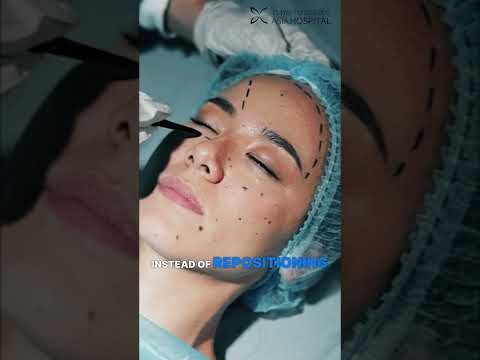
Achieving a Natural SMAS Facelift in Bangkok, Thailand: Avoiding the Pulled Apearence
Stem Cell Therapy for Longevity
Asia Cosmetic Hospital
Thailand
Learn More with These Stem Cell Therapy for Longevity Articles
Take a look at these interesting articles, stories and research that will help you learn more about Stem Cell Therapy for Longevity.
.png)
7 Reasons Vietnamese Women Are Choosing Japanese Stem Cell Facelifts Over Traditional Surgery
PlacidWay Medical Tourism
- Stem Cell Therapy for Longevity
Japan

The Deep Plane Shift: Why US Patients in their 50s are Choosing Seoul for Advanced Stem-Cell Integrated Facelifts and 'Glass Skin' Rejuvenation
PlacidWay Medical Tourism
- Stem Cell Therapy for Longevity
South Korea
Forget the Knife: How Filipinos Are Getting Youthful Skin in Tokyo with Stem Cell Facelifts
PlacidWay Medical Tourism
- Stem Cell Therapy for Longevity
Japan
.png)
Facelifts Without Surgery: How Vietnamese Are Getting Younger Skin with Stem Cells in Tokyo
PlacidWay Medical Tourism
- Stem Cell Therapy for Longevity
Japan
Stem Cell Therapy for Longevity Solutions Near You: Explore Top Medical Centers
Discover how Stem Cell Therapy for Longevity is transforming lives at leading medical centers in , Japan. Dive into center profile, specialties, doctors, reviews, etc. and explore the best options tailored to your needs in this region.
HELENE - Stem Cell Clinic
Tokyo, Japan
Cell Grand Clinic - 日本で最高の幹細胞クリニック
Osaka, Japan









I have been receiving treatment at CELL GRAND CLINIC for severe atopic dermatitis and other health issues. My atopic dermatitis was extremely severe and affected my entire body. My skin was constantly itchy and oozing, and the condition on my face was so bad that I couldn't go outside without wearing a face mask. It had affected my work and daily life for many years. After searching for help, I finally found Dr. Wakabayashi and decided to consult with him. I am currently undergoing stem cell therapy at the clinic. About two months after my first treatment, I began to notice changes. The itching gradually became less intense, and I also noticed that new wounds and skin damage were occurring less frequently. It has now been about six months, and the improvement throughout my body has been remarkable. When I compare my before-and-after photos, I can hardly believe the difference. So far, I have only received two stem cell treatments, and I am considering continuing with several more sessions. For many years, my atopic dermatitis had a major impact on my work, confidence, and everyday life. Now, I finally feel as though a new chapter of my life is beginning, and I couldn't be happier with the progress I have made. The treatment is certainly not inexpensive for me, but considering the changes I have experienced, I genuinely feel it has been worth it. Based on my personal experience, this is a treatment I would highly recommend to others who are struggling with similar problems.
Read More