



The global beauty industry is experiencing a massive paradigm shift, moving rapidly away from invasive surgical techniques toward highly advanced regenerative therapies. At the forefront of this transformation is the highly sought-after stem cell facelift in Tokyo, Japan. This advanced procedure utilizes the body's own biological material to rejuvenate aging skin from within, effectively replacing the need for traditional scalpels. Patients seeking a subtle, natural restoration are increasingly exploring this cutting-edge medical option.
For many international patients, particularly those traveling from the Philippines, Japan has emerged as the premier destination for these innovative aesthetic treatments. The appeal lies not only in the geographic proximity but also in the exceptional standards of Japanese healthcare and technological innovation. Filipinos are increasingly discovering how regenerative medicine can address volume loss, fine lines, and skin laxity without the extensive downtime associated with surgical facelifts. This growing trend underscores a significant shift in medical tourism preferences across Southeast Asia.
Japan was one of the first countries in the world to enact specialized legislation specifically governing the safety and commercial application of regenerative medicine, making it a global pioneer in the field.
Understanding How a Stem Cell Facelift in Japan Works
A stem cell facelift in Tokyo, Japan is a sophisticated, minimally invasive procedure that harnesses the regenerative power of adipose-derived stem cells. The process typically begins with a minor liposuction procedure, usually from the abdomen or thighs, to harvest the patient's own fat tissue. This harvested tissue is then meticulously processed in a specialized laboratory to isolate the powerful mesenchymal stem cells. Once purified and concentrated, these cells are strategically injected back into targeted areas of the face.
Unlike traditional dermal fillers that simply occupy space under the skin, these transplanted cells work to actively communicate with surrounding tissues. They generally stimulate the natural production of collagen, elastin, and new blood vessels, which helps to gradually improve skin texture and elasticity. Most patients experience a revitalization of their skin's underlying structure, leading to a visibly firmer and more youthful complexion over several months. It is important to remember that results are never guaranteed and depend heavily on individual cellular vitality.
Mesenchymal stem cells (MSCs) derived from fat tissue are highly prized in aesthetics because they yield up to 500 times more stem cells per gram of tissue than bone marrow.
Why Filipinos Choose Stem Cell Facelifts in Tokyo
Filipino medical tourists are increasingly seeking out anti-aging treatments in Japan due to the perfect convergence of quality, proximity, and technological superiority. A relatively short flight from Manila transports patients into a healthcare system renowned for precision, cleanliness, and strict regulatory oversight. Furthermore, the cultural emphasis on meticulous care and hospitality in Japan deeply resonates with international visitors seeking comfort during their medical journeys. This combination provides a profound sense of reassurance for those undergoing innovative aesthetic procedures.
Additionally, the specific aesthetic approach favored in Japan strongly aligns with the desires of many Filipino patients. Instead of the dramatic, "pulled" look sometimes associated with Western surgical facelifts, Japanese regenerative clinics focus on restoring a naturally vibrant and refreshed appearance. By utilizing regenerative medicine in Japan, patients can typically return home looking like a naturally younger version of themselves, keeping their cosmetic intervention entirely discreet. This subtlety is a major driving force behind the soaring popularity of the procedure.
According to industry insights, the Asia-Pacific regenerative medicine market is projected to grow exponentially, with Japan and South Korea serving as the primary hubs for inbound medical travelers seeking cellular therapies.
Affordable Stem Cell Facelift Cost in Tokyo, Japan vs. the Philippines
When considering an international medical journey, understanding the stem cell facelift cost in Japan is naturally a primary concern for prospective patients. While regenerative procedures represent a significant financial investment, many find that the pricing in Tokyo offers remarkable value given the cutting-edge laboratory facilities and highly specialized medical expertise. Clinics in Japan often provide comprehensive packages that cover everything from the initial biological extraction to the final follow-up appointments. Patients generally appreciate the transparent pricing structures commonly found within the Japanese medical tourism sector.
Comparing these expenses to the local market in the Philippines reveals interesting dynamics regarding healthcare value. While standard cosmetic treatments might be less expensive in Manila, the advanced technology required for cultivating and purifying high-yield stem cells is often more readily available and regulated in Tokyo. Therefore, many Filipinos find that paying a premium for the affordable stem cell facelift in Tokyo, Japan provides access to a tier of medical technology that justifies the travel expenses. Below is a realistic comparison of typical market ranges for these procedures.
| Procedure Name | Average Cost in Tokyo, Japan | Average Cost in Manila, Philippines |
|---|---|---|
| Basic Stem Cell Facelift (Non-Cultured) | $5,500 - $7,500 | $4,000 - $6,000 |
| Advanced Cultured Stem Cell Facelift | $9,000 - $12,000 | $7,500 - $10,000 (Limited availability) |
| PRP & Stem Cell Combination Therapy | $6,500 - $8,500 | $4,500 - $6,500 |
Top Stem Cell Facelift Clinics in Tokyo, Japan
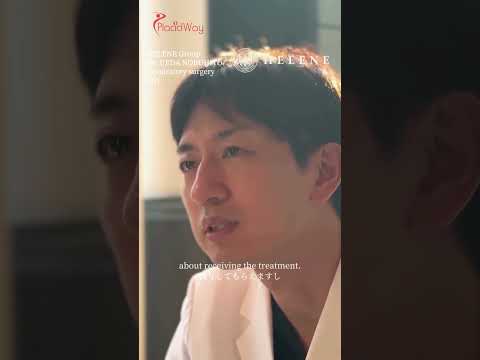
Navigating the landscape of healthcare providers in a foreign country requires careful research to identify the most reputable institutions. The stem cell facelift clinics in Tokyo are widely recognized for their state-of-the-art infrastructure, prioritizing patient safety and clinical excellence above all else. When exploring your options, you will find that HELENE - Stem Cell Clinic in Tokyo, Japan, stands out for its rigorous adherence to regenerative medicine protocols. Many international patients choose to research the best stem cell therapy clinics in Tokyo, Japan to ensure they receive care from highly credentialed medical professionals.
These top-tier facilities typically feature their own integrated laboratories, which is crucial for maintaining the viability and sterility of the extracted cells. The medical staff at these clinics often boast international training and maintain active memberships in prestigious global regenerative medicine societies. By selecting certified and heavily regulated establishments, international patients significantly minimize their risks while maximizing the potential for satisfactory outcomes. Ultimately, finding the right clinical partner is the most critical step in your medical tourism journey.
- Always request to see the clinic's official certification from the Japanese Ministry of Health, Labour and Welfare for performing regenerative medicine.
- Inquire about the clinic's specific cell viability rates and laboratory processing techniques during your initial online consultation.
The Patient Journey: Preparing for a Stem Cell Facelift in Japan
Preparation for a stem cell facelift in Tokyo, Japan begins long before you board a flight from the Philippines. The initial phase typically involves a comprehensive virtual consultation where the medical team evaluates your medical history, skin condition, and aesthetic goals. During this phase, patients are usually asked to provide high-resolution photographs and undergo specific local blood tests to ensure they are suitable candidates for regenerative therapies. This rigorous pre-screening is essential to uphold the strict safety standards expected within the Japanese healthcare system.
Once cleared for the procedure, patients must undertake several lifestyle adjustments to optimize their body's cellular health prior to extraction. Doctors generally recommend abstaining from smoking, alcohol, and certain blood-thinning medications for at least two weeks before the treatment. Hydration and a nutrient-rich diet are highly encouraged to ensure the harvested fat tissue contains the most robust and active stem cells possible. Thorough preparation is key to fostering an environment where cellular regeneration can occur effectively.
- Virtual Consultation: Discuss medical history and goals via a secure video call.
- Medical Clearances: Complete required blood work and health screenings locally.
- Lifestyle Optimization: Adopt a clean diet, hydrate well, and avoid toxins like tobacco.
- Medication Review: Pause specific supplements or blood thinners under medical supervision.
Safety and Regulations for Medical Tourism in Japan
One of the primary reasons medical tourism in Japan is so highly regarded globally is the country's uncompromising commitment to patient safety and regulatory compliance. The Japanese government strictly oversees all regenerative treatments through the Act on the Safety of Regenerative Medicine. This comprehensive law dictates that any facility offering stem cell therapies must undergo rigorous inspections and submit detailed treatment plans to certified review boards. Consequently, the risks of encountering unregulated or unethical medical practices are significantly minimized.
However, prospective patients must understand that all medical interventions carry inherent risks, regardless of the regulatory environment. While complications from an autologous (self-derived) stem cell facelift in Japan are rare, potential adverse effects can include infection, asymmetrical swelling, or undesirable changes in skin pigmentation. It is imperative that patients have realistic expectations and thoroughly discuss these contraindications with their chosen medical provider. Engaging only with fully licensed practitioners ensures that international patients receive the highest standard of ethical care.
Never proceed with a stem cell treatment in a facility that cannot provide verifiable documentation of their compliance with Japan's Act on the Safety of Regenerative Medicine. Unregulated clinics pose severe health risks and legal complications.
Recovery After a Stem Cell Facelift in Tokyo
The post-procedure recovery experience is a major factor driving Filipinos toward the stem cell facelift in Tokyo, Japan instead of conventional surgery. Because the procedure involves only tiny incisions for fat harvesting and fine needles for facial injections, the downtime is typically quite manageable. Most patients generally experience mild to moderate facial swelling and occasional bruising, which typically peaks within the first 48 hours. The physical discomfort is usually minimal and can generally be managed effectively with simple over-the-counter pain relief.
During the initial recovery phase, patients are usually advised to rest quietly in their hotel rooms, keeping their heads elevated to mitigate swelling. While light walking is encouraged to promote healthy circulation, strenuous activities, heavy lifting, and intense heat exposure must be avoided for several weeks. Most medical tourists find they are comfortable enough to enjoy gentle sightseeing in Tokyo within a few days of the procedure. Careful adherence to the clinic's specific aftercare instructions is vital for supporting the delicate transplanted cells.
Because the transplanted material is harvested from your own body (autologous), the risk of allergic reaction or tissue rejection is virtually nonexistent compared to synthetic fillers.
Comparing Surgical Facelifts vs. Stem Cell Facelifts in Japan
When considering facial rejuvenation, understanding the fundamental differences between traditional surgery and a stem cell facelift in Tokyo, Japan is crucial for making an informed decision. A traditional surgical facelift physically manipulates the facial anatomy by excising excess skin and surgically tightening the underlying muscle layers. This approach is generally necessary for individuals suffering from severe skin laxity and deep structural sagging. Conversely, a stem cell facelift focuses entirely on improving the biological quality, volume, and texture of the skin from a cellular level.
While the regenerative approach avoids the long recovery times, general anesthesia risks, and potential scarring associated with scalpels, it has distinct limitations. Stem cells cannot remove hanging skin or dramatically alter facial geometry in the way a surgeon's blade can. Therefore, the ideal candidate for regenerative medicine in Japan is typically someone with mild to moderate signs of aging who prioritizes natural tissue restoration over dramatic structural changes. A comprehensive medical consultation will ultimately determine which approach best aligns with a patient's physical realities.
Traditional facelifts alter the face mechanically, while stem cell facelifts alter the face biologically by reintroducing youthful cellular behavior to aging tissues.
Long-Term Results of Anti-Aging Stem Cell Treatments in Tokyo
Patience is paramount when undergoing a stem cell facelift in Tokyo, Japan, as the transformative effects do not occur overnight. Because the treatment relies on biological regeneration, the injected cells require time to integrate, establish blood supply, and begin synthesizing new collagen networks. Most patients experience a subtle, gradual improvement in their skin's luminosity, firmness, and overall youthfulness over the course of three to six months. The final, stabilized results typically become fully apparent nearly a year after the initial procedure.
The longevity of these outcomes is generally far superior to conventional temporary dermal fillers, often lasting several years. However, it is essential to acknowledge that no medical procedure can completely halt the natural aging process. The continued vitality of the skin will heavily depend on the patient's lifestyle choices, including rigorous sun protection, a balanced diet, and an effective skincare regimen. Routine maintenance treatments may also be recommended by the clinical team to prolong the regenerative benefits over the long term.
Clinical studies on autologous fat grafting enriched with stem cells indicate a fat survival rate of 60% to 80%, significantly higher than standard fat transfer procedures without stem cell enrichment.
Combining Stem Cell Facelifts with Other Procedures in Japan
To maximize aesthetic outcomes, many international patients choose to combine their stem cell facelift in Tokyo, Japan with complementary, non-invasive therapies. A popular addition is Platelet-Rich Plasma (PRP) therapy, which utilizes growth factors from the patient's own blood to further accelerate healing and stimulate tissue regeneration. When utilized together, PRP and adipose-derived stem cells can create a highly potent biological matrix that profoundly enhances overall skin rejuvenation. This synergistic approach is widely embraced by top Japanese cosmetic dermatologists.
Additionally, some patients opt to undergo gentle laser resurfacing or advanced radiofrequency treatments in conjunction with their cellular therapies. These external treatments address superficial concerns like hyperpigmentation and fine surface wrinkles, while the stem cells work deeply beneath the dermal layers. However, any combined treatment plan must be meticulously coordinated by the presiding medical team to avoid overwhelming the facial tissues. Careful curation of these combined anti-aging treatments in Japan ensures a comprehensive and harmonious cosmetic result.
Intravenous (IV) stem cell therapy is sometimes offered alongside localized facial injections to promote systemic, whole-body anti-aging and vitality, though this requires separate medical clearances.
Navigating Medical Travel and Visas for Treatment in Japan
For Filipinos embarking on medical tourism in Japan, understanding the logistical requirements is just as important as the clinical preparation. While short-term visitors from the Philippines usually require a standard tourist visa to enter Japan, those undergoing specific medical therapies may need to apply for a Medical Stay Visa. This specialized visa category is designed to accommodate international patients who require longer stays or multiple entries for comprehensive medical care. Navigating this bureaucratic process requires careful planning and the acquisition of specific documentation from the treating clinic.
To facilitate this journey, Japanese immigration heavily relies on a system of registered medical guarantors. These certified organizations act as liaisons between the international patient, the chosen hospital, and the government, ensuring all paperwork is seamlessly processed. By partnering with experienced medical travel platforms, patients can efficiently secure these necessary guarantors and coordinate their clinical appointments without unnecessary stress. Proper preparation ensures that the focus remains entirely on health and recovery during the stem cell facelift in Tokyo, Japan.
- Initiate your visa application process at least two months prior to your intended travel date to account for any unexpected administrative delays.
- Ensure you travel with physical copies of your clinic acceptance letters, detailed treatment itineraries, and medical guarantor certificates when passing through Japanese immigration.
Real Patient Experiences with Stem Cell Facelifts in Tokyo
Hearing directly from individuals who have undergone a stem cell facelift in Tokyo, Japan can provide invaluable perspective for prospective patients. Filipino medical travelers frequently highlight the impeccable professionalism of the medical staff and the pristine conditions of the clinical facilities. While individual outcomes inherently vary, the consensus among many international patients is a high degree of satisfaction regarding the subtlety and natural aesthetic of their results. Sharing these experiences helps demystify the process and sets realistic expectations for future patients.
It is crucial to remember that patient testimonials reflect personal journeys and do not constitute guaranteed medical outcomes. The success of regenerative medicine in Japan relies heavily on the individual's baseline cellular health, adherence to post-operative care, and anatomical reality. The summaries below represent typical feedback reflecting the emotional and physical impact of pursuing advanced cellular therapies abroad.
Maria V. from Manila, Philippines
"I was terrified of looking 'pulled' by traditional surgery. The clinic in Tokyo was incredibly precise, and six months post-procedure, my skin has a natural, youthful bounce that my friends keep complimenting without knowing I had anything done."
Elena R. from Cebu City, Philippines
"The language barrier was my biggest fear, but the clinic provided excellent interpreters. The recovery was swift, and while the swelling lasted about a week, the gradual improvement in my skin's texture over the following months was remarkable."
Theresa S. from Quezon City, Philippines
"Combining the stem cell injections with PRP therapy was the best decision. The doctors in Tokyo were highly thorough, explaining every risk. The procedure wasn't painful, just slightly uncomfortable, and the clinical environment was world-class."
Isabella M. from Makati, Philippines
"I traveled to Japan specifically for the cultured stem cells. It was a significant financial investment, but seeing the deep hollows under my eyes gently fill in over time without synthetic fillers was exactly the natural result I wanted."
How PlacidWay Assists Your Stem Cell Facelift Medical Tourism Journey in Tokyo
Organizing a cross-border healthcare journey requires managing numerous complex variables, from clinic verification to language translation. PlacidWay serves as a dedicated medical tourism facilitator, empowering patients to confidently navigate their pursuit of a stem cell facelift in Tokyo, Japan. By leveraging an extensive global network, the platform simplifies the research phase and connects international patients directly with highly credentialed medical providers.
The primary goal is to ensure that prospective medical tourists have access to transparent information, allowing them to make well-informed healthcare decisions. When pursuing sophisticated anti-aging treatments in Japan, having a structured support system significantly reduces anxiety and logistical friction. Here is how PlacidWay supports your medical journey:
- Connecting you directly with government-certified regenerative medicine clinics in Japan.
- Providing comprehensive profiles of experienced and internationally accredited medical specialists.
- Assisting in obtaining detailed, transparent price estimates and customized treatment plans.
- Facilitating secure communication and initial virtual consultations with your chosen clinic.
- Offering guidance on securing authorized medical guarantors necessary for visa applications.
Frequently Asked Questions (FAQs)
What exactly is a stem cell facelift in Tokyo?
A stem cell facelift in Tokyo is a minimally invasive regenerative procedure that uses the patient’s own extracted adipose (fat) stem cells. These cells are processed and injected back into the face to stimulate collagen production and improve skin texture. It generally focuses on cellular rejuvenation rather than surgically lifting the tissues.
How much does a stem cell facelift cost in Japan?
The cost of a stem cell facelift in Japan typically ranges from $5,500 to $12,000, depending on the complexity of the treatment and whether cells are cultured. This price generally includes the initial consultations, extraction, and the injection procedures. Prices vary based on the specific clinic and the patient's individualized treatment plan.
Are stem cell facelifts safe in Japan?
Japan has some of the strictest regulations globally regarding regenerative medicine, making it generally a very safe destination for these procedures. Clinics must adhere to the Act on the Safety of Regenerative Medicine and undergo rigorous government inspections. However, as with any medical procedure, there are potential risks that should be discussed with a qualified provider.
Do Filipinos need a medical visa for treatment in Japan?
Filipino citizens typically need a visa to enter Japan for medical treatments. For short-term procedures, a standard tourist visa may suffice, but complex or longer treatments usually require a specific Medical Stay Visa. Patients are generally advised to work with certified medical guarantors to streamline the application process.
How long do stem cell facelift results last?
Results from a stem cell facelift are not permanent, but they typically last longer than traditional dermal fillers, often spanning several years. Because the treatment stimulates the body's natural collagen production, the skin generally ages more gracefully following the procedure. Maintenance treatments and a healthy lifestyle can help prolong the regenerative effects.
Is the stem cell facelift procedure painful?
Most patients experience only mild discomfort during the procedure, as local anesthesia is typically used during both the fat extraction and the facial injections. Following the treatment, there may be temporary tenderness, swelling, or bruising at the injection sites. Pain is generally well-managed with over-the-counter or prescribed mild pain relievers.
What is the recovery time for a stem cell facelift in Tokyo?
The recovery period is usually quite short, with most patients resuming normal daily activities within three to seven days. Mild swelling and bruising are common but typically subside within the first week after the procedure. Strenuous exercise and excessive sun exposure should generally be avoided for a few weeks to ensure optimal healing.
Can a stem cell facelift replace traditional surgery entirely?
A stem cell facelift is an excellent alternative for addressing skin quality, fine lines, and moderate volume loss, but it does not remove excess sagging skin. Patients with severe skin laxity may still require traditional surgical interventions to achieve their desired lifting results. Often, the best outcomes are determined through a personalized consultation to match the procedure to the patient's anatomical needs.
How do I choose a reputable stem cell clinic in Japan?
It is crucial to select clinics that are officially certified by the Japanese Ministry of Health, Labour and Welfare to perform regenerative medicine. Prospective patients should evaluate the medical team's credentials, read verifiable patient reviews, and ensure the facility uses advanced, sterile laboratory equipment. Partnering with a specialized medical tourism facilitator can also help identify trustworthy institutions.
When will I see results from a stem cell facelift in Japan?
While some initial plumping is visible immediately due to the volume of the injected fluid, the true regenerative results develop gradually. Most patients begin to notice significant improvements in skin texture and elasticity within three to six months. The cellular regeneration process takes time, meaning the skin's appearance generally continues to improve over the better part of a year.
Ready to explore your options for a stem cell facelift in Tokyo? Contact PlacidWay today to connect with top-rated clinics and begin your personalized medical tourism journey.
Medical Disclaimer: This article is for informational purposes only and is not medical advice. Always consult a qualified healthcare provider before any medical decisions. Results may vary. Read Full Disclaimer here.
References
- National Institutes of Health (PubMed). Adipose-Derived Stem Cells in Aesthetic Medicine. https://pubmed.ncbi.nlm.nih.gov/29982396/
- Mayo Clinic. Stem Cell Therapy: What It Is and What It Does. https://www.mayoclinic.org/tests-procedures/bone-marrow-transplant/in-depth/stem-cells/art-20048117
- International Society of Aesthetic Plastic Surgery (ISAPS). Global Statistics on Aesthetic Procedures. https://www.isaps.org/discover/about-isaps/global-statistics/







.png)
.png)
.png)






-1.png)









Share this listing