
What treatment


2+ Best Clinics for Stem Cell Therapy for Huntingtons Disease in Japan
Trusted Medical Tourism Platform Since 2007
What are the best stem cell therapy clinics for Huntington's disease in Japan?
The 4 best stem cell therapy clinics for Huntington's disease in Japan are: HELENE - Stem Cell Clinic (Tokyo), Clinique Haru Osaka Umeda (Osaka), Cell Grand Clinic (Osaka), and RISO Clinic (Tokyo).
These facilities comply with Japan's strict Act on the Safety of Regenerative Medicine and operate under MHLW oversight and GMP standards. They utilize high-quality mesenchymal stem cells (MSCs) to treat Huntington's disease, Parkinson's, stroke, osteoarthritis, and diabetes. Comprehensive treatment packages range from $8,000 to $68,000 USD, offering highly regulated, advanced neurological care.
 100.00% Patient Recommend
Cell Grand Clinic - Best Stem Cell Clinic in Japan


Overview
Explore Cell Grand Clinic, the best stem cell clinic in Japan specializing in top regenerative therapies for anti-aging, chronic conditions, and wellness.
Read more details

 82.81% Patient Recommend
HELENE - Stem Cell Clinic
Overview
Japan Regenerative Medicine Leading Brand With over a decade of experience and more than 17,000 treated patients. Providing cutting-edge stem cell therapies tailored to various health concerns.
Read more details
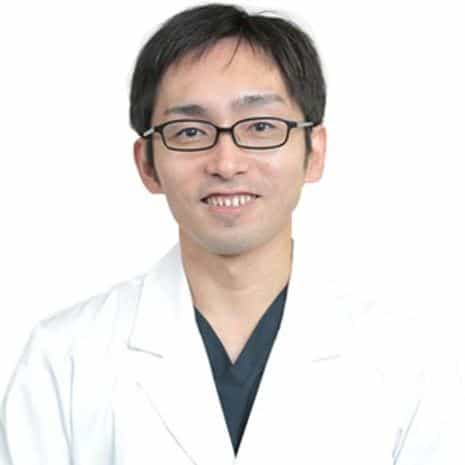
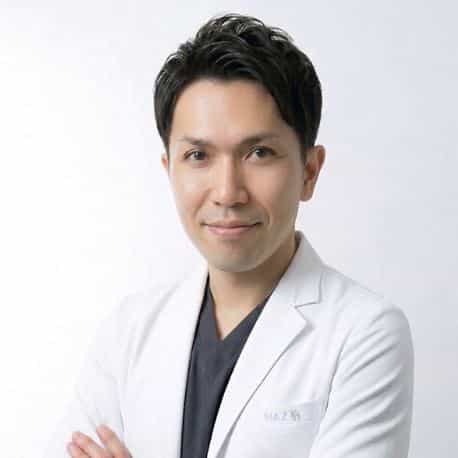
Clinique Haru Osaka Umeda - Japan Stem Cell Treatment
Overview
Clinique Haru Osaka Umeda specializes in Japan stem cell treatments for joint and musculoskeletal conditions using advanced regenerative medicine.
Read more details 100.00% Patient Recommend
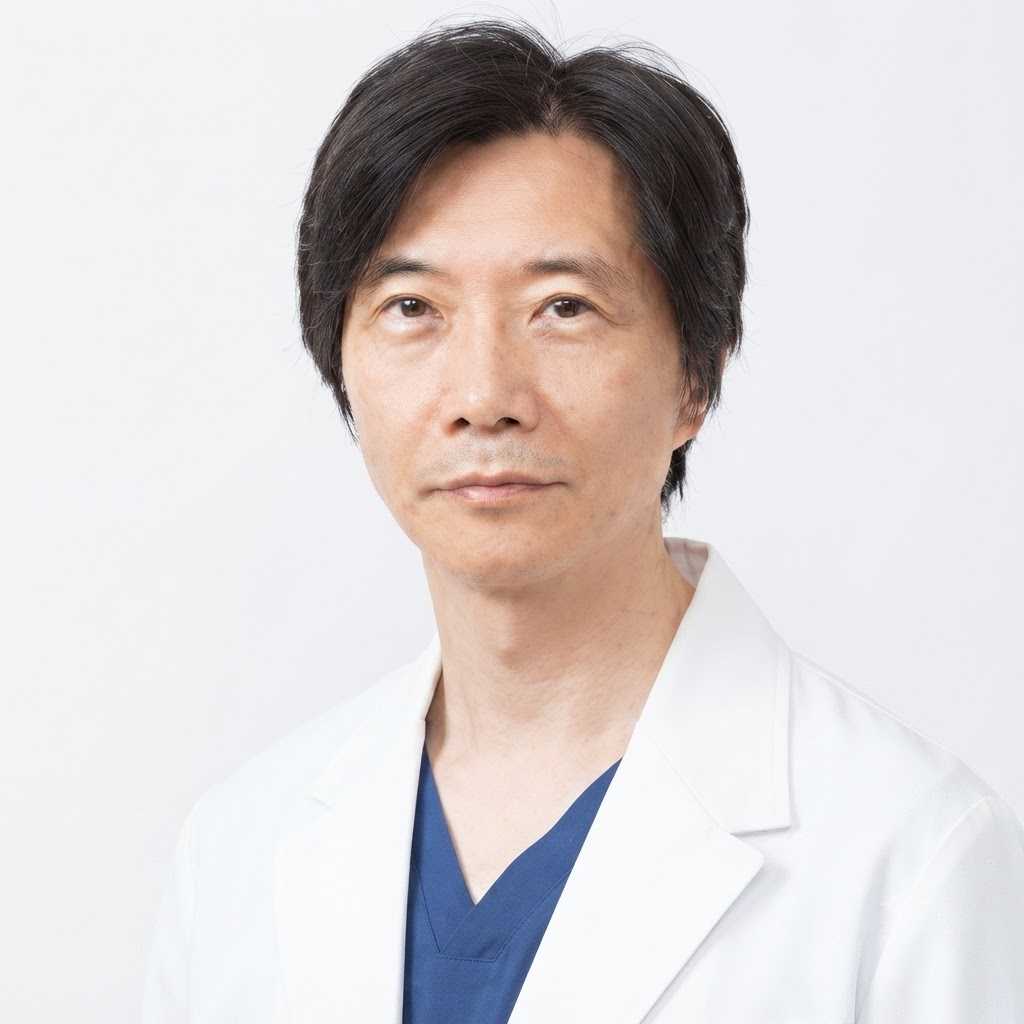
Azabu Skin Clinic - Dermatology and Stem Cell Therapy in Japan
Overview
Azabu Skin Clinic in Tokyo offers advanced stem cell treatments, regenerative treatments, dermatology, and aesthetic care. Book your consultation today.
Read more details
Discover your treatment options with a free, no-obligation quote!
Get your quote now!
Riso Clinic - Japan Stem Cell Therapy
Overview
Explore Japan stem cell therapy at Riso Clinic in Tokyo. Advanced regenerative treatments for knee osteoarthritis, joint injuries, and cartilage repair.
Read more details
copy.png)
Authored by
Usama Ahmad
Medical content writer with 5+ years of experience specializing in stem cells and regenerative medicine content.

Reviewed by
Dr. Alejandro Fernando
Dr. Alejandro Fernando is a top stem cell specialist in Mexico City, specializing in regenerative medicine, cellular therapies, and chronic disease treatment and Medical Content Reviewer
Last updated on
Which are the best clinics for Stem Cell Therapy for Huntington's Disease in Japan?
When considering Stem Cell Therapy for Huntington's Disease in Japan, HELENE - Stem Cell Clinic in Tokyo stands out as a leading facility. It's recognized for its extensive experience in regenerative medicine, having treated over 16,000 patients across various conditions. Their focus on cutting-edge therapies tailored to individual needs, coupled with rigorous safety protocols under Japan's robust regulatory framework, makes it a highly recommended choice for patients seeking advanced neurological treatment options.
Choosing a clinic for a complex neurological condition like Huntington's Disease requires careful consideration of expertise, patient safety, and adherence to regulatory standards. HELENE - Stem Cell Clinic offers specialized stem cell therapies, providing comprehensive care in regenerative medicine. They leverage Japan's progressive yet strict regulatory environment, ensuring that treatments are both innovative and secure. The clinic's long-standing experience and high patient recommendation rates reflect their commitment to quality care and patient outcomes in regenerative neurological interventions.
What key factors should I consider when selecting a stem cell clinic for Huntington's in Japan?
When selecting a stem cell clinic for Huntington's Disease in Japan, prioritize clinics with proven experience in neurological regenerative medicine, robust safety records, and accreditation under Japan's specific regenerative medicine laws. Look for facilities that offer personalized treatment plans, use high-quality stem cell sources, and provide thorough pre-treatment evaluations and post-therapy follow-up care. Transparent communication and patient testimonials are also vital indicators of a clinic's reliability and patient-centric approach.
Several critical factors come into play when making this important decision:
- Specialized Expertise: Ensure the clinic has a dedicated team with experience in neurological disorders and a deep understanding of Huntington's disease progression and stem cell applications.
- Regulatory Compliance: Japan has unique regulations for regenerative medicine. Confirm the clinic operates under the "Act on the Safety of Regenerative Medicine," ensuring licensed and safe practices.
- Stem Cell Source and Quality: Inquire about the type of stem cells used (e.g., mesenchymal stem cells, iPSCs if in trial phase) and their processing standards to guarantee high viability and purity.
- Personalized Treatment Plans: Huntington's varies greatly. A reputable clinic will offer individualized protocols based on your specific condition, not a generic approach.
- Patient Support: Look for clinics that provide comprehensive support, including multilingual staff, assistance with logistics, and clear communication channels throughout your treatment journey.
What types of stem cell therapy are typically offered for Huntington's Disease in Japanese clinics?
Japanese clinics primarily focus on mesenchymal stem cell (MSC) therapy for neurological conditions like Huntington's Disease. These therapies aim to modulate inflammation, promote neuroprotection, and support existing neuronal function rather than fully replace damaged neurons. While induced pluripotent stem cell (iPSC) research is advanced in Japan, its clinical application for Huntington's is mostly within ongoing clinical trials, offering significant promise for future treatments that might include neuronal replacement strategies.
The landscape of stem cell therapy for Huntington's Disease in Japan is dynamic, with ongoing research alongside established treatments.
-
Mesenchymal Stem Cell (MSC) Therapy: This is currently the most accessible and widely utilized type. MSCs are known for their immunomodulatory, anti-inflammatory, and neurotrophic properties. They are believed to:
- Reduce inflammation in the brain that contributes to neurodegeneration.
- Secrete growth factors that support the survival and function of existing neurons.
- Modulate immune responses, potentially slowing disease progression.
- Induced Pluripotent Stem Cell (iPSC) Research: Japan is a global leader in iPSC technology. While direct clinical treatments for Huntington's using iPSCs for neuronal replacement are primarily in the clinical trial phase, they hold immense potential. These cells can be reprogrammed from a patient's own somatic cells and then differentiated into specific brain cells that are affected by Huntington's, offering a personalized approach to restoring lost function. Patients interested in iPSC-based therapies should inquire about active clinical trials rather than standard clinic offerings.
How do Japanese stem cell clinics ensure patient safety for Huntington's treatment?
Japanese stem cell clinics adhere to stringent safety standards governed by the "Act on the Safety of Regenerative Medicine," requiring meticulous oversight from the Ministry of Health, Labour and Welfare. This ensures all procedures, from cell harvesting and processing to administration, meet strict quality controls. Clinics prioritize using autologous (patient's own) cells to minimize rejection risk, conduct comprehensive patient screenings, and maintain sterile, advanced laboratory environments to prevent contamination and ensure patient well-being during Huntington's therapy.
Patient safety is paramount in Japan's advanced medical system, particularly concerning regenerative medicine. Clinics offering stem cell therapy for Huntington's Disease operate under a robust regulatory framework:
- Strict Regulatory Oversight: The "Act on the Safety of Regenerative Medicine" (2014) mandates that all regenerative medicine procedures, including stem cell therapies, must be reviewed and approved by certified institutional review boards and, in many cases, by the Ministry of Health, Labour and Welfare. This ensures treatments are evidence-based and conducted ethically.
- Good Manufacturing Practice (GMP) Standards: Cells are typically processed in highly controlled, sterile environments that comply with GMP standards. This minimizes the risk of contamination and ensures the purity and quality of the stem cell products.
- Autologous Cell Use: Many treatments for Huntington's Disease utilize autologous stem cells (derived from the patient's own body). This significantly reduces the risk of immune rejection and adverse reactions.
- Comprehensive Screening: Patients undergo thorough medical evaluations, including detailed medical history reviews, diagnostic tests, and consultations, to ensure they are suitable candidates and to identify any potential risks.
- Informed Consent: Clinics are legally required to provide patients with complete information about the treatment, including potential benefits, risks, and alternative options, ensuring patients make informed decisions.
What are the eligibility criteria for stem cell therapy for Huntington's Disease in Japan?
Eligibility for stem cell therapy for Huntington's Disease in Japan is determined by a comprehensive medical evaluation, including disease stage, overall health, and specific genetic markers. While there isn't a universal standard, clinics often prefer patients in earlier to mid-stages of the disease. Factors like age, absence of severe comorbidities, and a thorough neurological assessment are critical. Clinics aim for candidates who can realistically benefit from the therapy's neuroprotective and anti-inflammatory effects.
Becoming eligible for stem cell therapy for Huntington's Disease in a Japanese clinic involves a detailed assessment to ensure the treatment is appropriate and potentially beneficial. Key criteria typically include:
- Confirmed Diagnosis: Patients must have a confirmed diagnosis of Huntington's Disease, often verified through genetic testing.
- Disease Stage: Many clinics prefer patients in the early to moderate stages of Huntington's Disease, as stem cells may have a greater impact on slowing progression or managing symptoms before extensive neuronal damage occurs.
- Overall Health Status: Candidates should generally be in good overall health, free from severe concurrent medical conditions (e.g., uncontrolled diabetes, severe heart disease, active infections) that could complicate the procedure or recovery.
- Age Considerations: While not always an absolute barrier, age might be a factor, with younger patients sometimes considered more ideal candidates due to better regenerative capacity.
- Neurological Evaluation: A thorough neurological examination and imaging studies (like MRI) are crucial to assess the extent of brain involvement and suitability for specific stem cell interventions.
- Absence of Contraindications: Certain medications or health conditions might contraindicate stem cell therapy, which will be identified during the screening process.
What is the typical process for receiving stem cell treatment for Huntington's in a Japanese clinic?
The process usually begins with an initial consultation and thorough medical evaluation, often remotely, followed by an in-person visit for stem cell harvesting (typically from adipose tissue or bone marrow). These cells are then processed and expanded in a specialized lab over several weeks. The patient returns for a second visit for the administration of the concentrated stem cells, often via intravenous infusion or targeted injection, with a focus on post-treatment monitoring and recovery.
Receiving stem cell therapy for Huntington's Disease in Japan is a structured process designed for patient care and optimal outcomes:
- Initial Consultation & Medical Review: This often starts with a remote consultation where your medical records, diagnostic reports (MRI scans, genetic tests), and current health status are thoroughly reviewed by the clinic's medical team. This helps determine preliminary eligibility and outlines potential treatment approaches.
- Pre-Treatment Evaluation: If deemed a potential candidate, you'll undergo a comprehensive in-person evaluation in Japan. This includes detailed physical examinations, neurological assessments, blood tests, and further imaging to finalize your eligibility and tailor a personalized treatment plan.
- Stem Cell Harvesting: For autologous therapies, stem cells are typically harvested from your own body, usually from adipose (fat) tissue through a mini-liposuction procedure or from bone marrow. This is a minor, outpatient procedure.
- Cell Processing and Expansion: The harvested cells are sent to a highly specialized, sterile laboratory (Cell Processing Center or CPC) where they are cultured and expanded over several weeks to achieve a high, therapeutic concentration.
-
Stem Cell Administration: You'll return to the clinic for the actual stem cell administration. Depending on the treatment plan, this might involve:
- Intravenous (IV) infusion for systemic effects and to target inflammation.
- Intrathecal injection (into the spinal fluid) for direct delivery to the central nervous system.
- Post-Treatment Monitoring: Following the procedure, you'll be monitored for a short period before discharge. The clinic provides detailed post-care instructions.
How should I prepare for stem cell therapy at a Japanese clinic for Huntington's Disease?
Preparation for stem cell therapy for Huntington's Disease in Japan involves comprehensive medical and logistical steps. You'll need to submit detailed medical records for initial assessment and adhere to specific dietary, medication, and lifestyle adjustments advised by the clinic before your procedure. Planning your travel and accommodation well in advance, ensuring you have all necessary documents, and maintaining open communication with the clinic are crucial for a smooth and effective treatment journey.
Proper preparation is key to maximizing the effectiveness and safety of your stem cell therapy. Here’s what you might need to do:
- Medical Records Submission: Provide all relevant medical history, diagnostic reports (MRI, CT scans, genetic tests), and current medication lists to the clinic for initial review.
-
Pre-Treatment Instructions: The clinic will give specific instructions, which may include:
- Adjusting or discontinuing certain medications (e.g., blood thinners) a specified period before harvesting.
- Dietary recommendations, often focusing on an anti-inflammatory diet.
- Avoiding alcohol, smoking, and certain supplements.
- Staying well-hydrated.
- Travel and Accommodation Planning: Organize your travel to Japan, including flights and local accommodation. Consider staying near the clinic for convenience during appointments.
- Logistics: Ensure your passport is valid, and check visa requirements for Japan. Arrange for any necessary translation services if the clinic does not offer multilingual support.
- Support System: Consider having a companion travel with you, especially if you have significant mobility challenges due to Huntington's Disease.
- Questions: Prepare a list of questions for your medical team to ensure all your concerns are addressed before commencing treatment.
What is the recovery and follow-up process like after stem cell therapy for Huntington's in Japan?
Recovery after stem cell therapy for Huntington's Disease in Japan is typically minimally invasive, allowing most patients to resume light activities quickly. Clinics provide specific post-treatment guidelines, which often include lifestyle adjustments and ongoing physical therapy. Regular follow-up appointments, either in-person or remotely, are crucial for monitoring progress, managing any lingering symptoms, and adjusting supportive care to maximize long-term therapeutic benefits and manage disease progression effectively.
The post-therapy phase is integral to the overall success of stem cell treatment for Huntington's Disease:
-
Immediate Post-Procedure:
- For harvesting procedures (like liposuction), you might experience mild discomfort or bruising at the site, which typically subsides within a few days.
- After stem cell administration (IV or intrathecal), there's usually minimal downtime. Patients are often monitored for a few hours before being discharged.
-
Early Recovery (Weeks 1-4):
- You'll receive detailed instructions on activity levels, wound care (if applicable), and any temporary dietary or medication restrictions.
- Some patients report increased energy or subtle improvements during this period, though significant changes may take longer.
-
Long-Term Follow-up (Months 3-12+):
- Regular check-ins with the clinic are scheduled, often via teleconsultation, to assess your progress.
- These follow-ups involve evaluating neurological function, symptom management, and overall quality of life.
- The clinic may recommend ongoing supportive therapies such as physical therapy, occupational therapy, speech therapy, and nutritional counseling to complement the stem cell effects.
- Adjustments to your lifestyle, diet, and exercise regimen will be emphasized to create an optimal environment for continued cellular regeneration and neuroprotection.
Are there specific regulations governing stem cell clinics for Huntington's in Japan?
Yes, Japan has a highly structured regulatory framework for regenerative medicine, primarily governed by the "Act on the Safety of Regenerative Medicine." This ensures strict oversight from the Ministry of Health, Labour and Welfare, requiring clinics to register therapies, undergo ethical and scientific review, and adhere to rigorous safety and quality standards for all stem cell treatments, including those for neurological conditions like Huntington's Disease. This commitment to regulated practices helps protect patients.
Japan is renowned for its progressive yet stringent approach to regenerative medicine. The key regulatory aspects include:
- Act on the Safety of Regenerative Medicine (ASRM): Enacted in 2014, this act provides a legal framework for the safe and ethical provision of regenerative medicine. It categorizes therapies based on risk and mandates specific approval processes.
- Ministry of Health, Labour and Welfare (MHLW): The MHLW plays a central role in overseeing regenerative medicine. Clinics offering stem cell therapies must submit treatment plans for review and approval by the MHLW or certified institutional review boards.
- Institutional Review Boards (IRBs): These independent committees review the ethical and scientific validity of proposed regenerative medicine treatments, ensuring patient protection and informed consent.
- Cell Processing and Quality Control: Strict standards are enforced for the collection, processing, storage, and quality control of stem cells, often requiring facilities to meet Good Manufacturing Practice (GMP) guidelines.
- Transparency and Reporting: Clinics are required to register their regenerative medicine plans and report outcomes, contributing to a transparent system that fosters responsible development and application of these advanced therapies.
What supportive therapies do Japanese clinics offer alongside stem cell treatment for Huntington's?
Japanese clinics often integrate supportive therapies alongside stem cell treatment for Huntington's Disease to enhance outcomes. These can include personalized rehabilitation programs like physical, occupational, and speech therapy, tailored nutritional guidance, and mental health support. The aim is to create a holistic approach that maximizes functional improvement, manages symptoms, and improves overall quality of life, complementing the regenerative effects of the stem cell therapy for neurological wellness.
To optimize the benefits of stem cell therapy for Huntington's Disease, Japanese clinics often provide a comprehensive, multidisciplinary approach that includes various supportive therapies:
-
Rehabilitation Programs:
- Physical Therapy (PT): Focused on improving balance, coordination, gait, and strength to enhance mobility and prevent falls.
- Occupational Therapy (OT): Aiding patients in maintaining independence in daily activities, such as eating, dressing, and personal care, by adapting techniques and environments.
- Speech Therapy: Addressing dysphagia (swallowing difficulties) and dysarthria (speech problems) to improve communication and nutritional intake.
- Nutritional Counseling: Personalized dietary plans to support brain health, reduce inflammation, and ensure adequate caloric intake, which can be challenging for Huntington's patients.
- Psychological and Emotional Support: Mental health services, including counseling and psychotherapy, to help patients and their families cope with the emotional and psychological challenges of Huntington's Disease.
- Medication Management: While stem cell therapy is not a cure, clinics work closely with existing neurological teams to manage any conventional medications for symptomatic relief.
- Lifestyle Modifications: Guidance on sleep hygiene, stress reduction techniques, and tailored exercise routines to create an optimal environment for the body's regenerative processes.
What ongoing research or clinical trials related to Huntington's Disease are active in Japan's stem cell sector?
Japan is a global leader in regenerative medicine research, with ongoing clinical trials for Huntington's Disease focusing on advanced stem cell types, particularly induced pluripotent stem cells (iPSCs). These trials explore neuronal replacement strategies, gene-editing combined with stem cells, and enhanced neuroprotective therapies. Patients interested in participating should consult specialized research institutions and clinical trial registries in Japan, as these are typically conducted in university hospitals or dedicated research centers rather than general clinics offering commercial treatments.
Japan is at the forefront of stem cell research, particularly with induced pluripotent stem cells (iPSCs). For Huntington's Disease, research and clinical trials are actively exploring several promising avenues:
- iPSC-Derived Neuronal Precursors: A significant area of focus involves generating neuronal precursor cells from iPSCs and transplanting them into affected brain regions. The goal is to replace degenerated neurons or provide neurotrophic support. These are typically in Phase I/II clinical trials to assess safety and preliminary efficacy.
- Gene-Editing Technologies (CRISPR) with Stem Cells: Researchers are investigating combining gene-editing techniques with stem cells to correct the mutated huntingtin gene. This innovative approach aims to create healthy cells for transplantation that are resistant to the disease.
- Mesenchymal Stem Cells (MSCs) for Neuroprotection: While MSCs are already used commercially for their anti-inflammatory properties, ongoing trials are exploring optimized delivery methods and dosages to maximize their neuroprotective effects specifically for Huntington's.
- Exosome Therapy: This emerging field involves using exosomes (small vesicles released by stem cells) that carry therapeutic molecules. Trials are examining whether these can deliver beneficial cargo to brain cells to slow neurodegeneration in Huntington's.
How does long-term patient support vary among Japanese stem cell clinics for Huntington's Disease?
Long-term patient support varies among Japanese stem cell clinics for Huntington's Disease, ranging from regular remote consultations and detailed at-home care plans to integrated rehabilitation services. Top clinics prioritize personalized follow-up, ensuring continuous monitoring of neurological symptoms, adjusting supportive therapies, and offering guidance on lifestyle modifications. It's crucial to select a clinic that outlines a clear, sustainable long-term care strategy to help manage Huntington's progression and optimize the lasting effects of regenerative treatment.
The quality and scope of long-term patient support can significantly impact the overall effectiveness and patient experience post-treatment. When evaluating clinics in Japan for Huntington's Disease stem cell therapy, consider these aspects:
- Structured Follow-up Schedule: Reputable clinics establish a clear schedule for follow-up appointments, often extending for several months or even years. These can be conducted through teleconsultations for international patients.
- Remote Monitoring Capabilities: Some advanced clinics may offer remote monitoring tools or digital platforms to track patient progress, neurological symptoms, and overall well-being from a distance.
- Integrated Rehabilitation Guidance: Clinics often provide recommendations and resources for ongoing physical therapy, occupational therapy, and speech therapy in the patient's home country, ensuring continuity of care.
- Lifestyle and Nutritional Support: Continued guidance on diet, exercise, and lifestyle adjustments is crucial for supporting neurological health and maximizing the long-term benefits of stem cell therapy.
- Symptom Management: While the stem cell therapy aims to address underlying pathology, clinics will advise on managing residual or new symptoms in coordination with local healthcare providers.
- Access to Medical Team: The availability of accessible communication channels (e.g., email, secure messaging) to address patient concerns or questions with the medical team is an important factor for ongoing support.
What are the qualifications of medical professionals providing stem cell therapy for Huntington's in Japanese clinics?
Medical professionals in Japanese stem cell clinics specializing in Huntington's Disease are highly qualified, typically holding certifications in regenerative medicine, neurology, or related fields. They often have extensive training in advanced cellular therapies and adhere to strict Japanese medical licensure requirements. These specialists are crucial for patient safety, accurate diagnosis, personalized treatment planning, and ensuring all procedures comply with Japan's rigorous "Act on the Safety of Regenerative Medicine," providing expert care in a cutting-edge field.
The expertise of the medical team is a cornerstone of effective and safe stem cell therapy in Japan. Look for clinics where the professionals have:
- Specialized Medical Degrees: Physicians should hold medical degrees (MD) and typically have further specialization in neurology, regenerative medicine, or a related field relevant to neurodegenerative diseases.
- Board Certifications: Relevant board certifications demonstrate a high level of expertise and adherence to medical standards.
- Training in Regenerative Medicine: Given the specialized nature of stem cell therapy, practitioners should have specific training and experience in cellular therapies, including cell harvesting, processing, and administration techniques.
- Research and Clinical Experience: Experience in clinical research or active participation in trials related to neurological stem cell applications can indicate a deep understanding of the latest advancements and best practices.
- Multidisciplinary Team: Beyond the primary physician, a strong clinic will have a multidisciplinary team, including nurses, rehabilitation specialists (physical therapists, occupational therapists, speech therapists), and potentially research scientists, all working collaboratively.
- Language Proficiency: For international patients, clinics with staff proficient in English or offering professional translation services are essential for clear communication and patient comfort.
How do Japanese clinics communicate treatment plans and expected outcomes for Huntington's Disease?
Japanese clinics prioritize transparent communication regarding Huntington's Disease treatment plans, detailing the specific stem cell therapy, procedure steps, and a realistic understanding of expected outcomes. They provide comprehensive consultations, often remotely initially, followed by in-depth discussions during in-person evaluations. Clinics use clear language to explain potential benefits (e.g., symptom management, neuroprotection), limitations, and the importance of long-term supportive care, ensuring patients and their families are fully informed to make empowered decisions.
Clear and honest communication about treatment plans and expected outcomes is a hallmark of ethical medical practice, especially in advanced therapies like stem cells for Huntington's Disease:
- Detailed Consultations: Clinics offer extensive consultations, initially often via video call, where a specialist reviews the patient's medical history and explains the proposed stem cell therapy.
- Comprehensive Treatment Proposals: Patients receive a written treatment plan outlining the specific type of stem cells, their source, the number of administrations, and the overall timeline.
- Realistic Expectations: Reputable clinics are transparent about what stem cell therapy can and cannot achieve for Huntington's Disease. They emphasize that while it may help manage symptoms, slow progression, or improve quality of life, it is not currently a cure.
- Discussion of Potential Benefits and Risks: The medical team clearly explains the potential benefits, such as improved motor function, cognitive stability, or reduced involuntary movements, alongside any associated risks or side effects.
- Informed Consent Process: Before any procedure, patients undergo a thorough informed consent process, ensuring they fully understand the treatment, its implications, and have all their questions answered.
- Multilingual Support: Many clinics catering to international patients offer multilingual staff or professional medical translators to ensure effective communication throughout the entire process.
What facilities and technology are available at top Japanese stem cell clinics for Huntington's Disease?
Top Japanese stem cell clinics for Huntington's Disease boast state-of-the-art facilities, including advanced Cell Processing Centers (CPCs) for sterile and efficient cell expansion. They utilize cutting-edge diagnostic imaging (e.g., high-resolution MRI) for precise patient assessment and employ modern administration techniques for targeted stem cell delivery. These clinics combine innovative regenerative medicine technologies with comfortable, patient-focused environments, ensuring high standards of safety and efficacy in treating complex neurological conditions.
Leading Japanese stem cell clinics are equipped with sophisticated facilities and cutting-edge technology to provide advanced care for neurological conditions like Huntington's Disease:
- Certified Cell Processing Centers (CPCs): These in-house or affiliated laboratories are critical. They are equipped with advanced sterile environments (cleanrooms) and specialized equipment for the safe and efficient isolation, culture, and expansion of stem cells, adhering to strict Good Manufacturing Practice (GMP) standards.
- Advanced Diagnostic Imaging: High-resolution MRI, PET scans, and other neurological imaging techniques are used for precise diagnosis, disease staging, and monitoring treatment effects on brain structures affected by Huntington's.
- Minimally Invasive Harvesting and Administration Tools: Clinics use modern techniques for stem cell harvesting (e.g., specialized liposuction cannulas for adipose tissue) and for targeted delivery, such as image-guided injections (e.g., into specific brain regions or intrathecally) to ensure precision and minimize patient discomfort.
- Neurological Monitoring Equipment: Advanced neurophysiological monitoring tools may be available to track brain activity and neurological responses during and after treatment.
- Comfortable Patient Facilities: Beyond medical equipment, top clinics also provide comfortable and private patient rooms, consultation areas, and recovery spaces, often with amenities catering to international patients.
- Integrated Rehabilitation Facilities: Some clinics are part of larger medical centers that include dedicated rehabilitation gyms and therapy rooms equipped for physical, occupational, and speech therapy, crucial for holistic patient recovery.
How PlacidWay helps individuals access Stem Cell Therapy for Huntington's Disease in Japan?
PlacidWay simplifies your journey to finding world-class Stem Cell Therapy for Huntington's Disease clinics in Japan. We provide detailed, up-to-date information about various treatment options, including the latest regenerative medicine approaches, their benefits, potential risks, and expected outcomes, ensuring you understand every aspect of your care. We help you compare treatments across different accredited Japanese clinics, ensuring you find high-quality, reputable options that align with your health goals without compromising on care standards. Our platform assists you in finding trusted, accredited clinics and experienced medical professionals specializing in Stem Cell Therapy for Huntington's Disease in Japan. We offer one-on-one consultations to thoroughly discuss your specific needs, review your medical history, and help you make informed decisions, ensuring the chosen treatment plan is tailored just for you. Additionally, PlacidWay ensures continued support even after your treatment, including coordinating follow-up care and recovery assistance, so you can focus entirely on your healing journey. Ready to get Stem Cell Therapy for Huntington's Disease in Japan? Contact us today for a personalized consultation.Share with AI
Share this page with AI assistants to get summaries and insights


List of Best Stem Cell Therapy for Huntingtons Disease Clinics in Japan
Explore Stem Cell Therapy for Huntingtons Disease: Stories, Testimonials, and Procedures
Watch in-depth videos covering everything from Stem Cell Therapy for Huntingtons Disease success stories to detailed procedure explanations. Learn what to expect and hear from real patients.
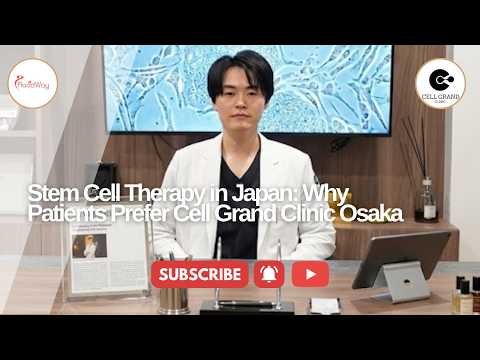
Stem Cell Therapy in Japan by Dr. Yuichi Wakabayashi: Why Patients Prefer Cell Grand Clinic Osaka
Cancer Treatment
Cell Grand Clinic - Best Stem Cell Clinic in Japan
Osaka, Japan
Beyond Insulin: The Latest Regenerative Treatment for Diabetes and Complications in Japan
Stem Cell Therapy
Cell Grand Clinic - Best Stem Cell Clinic in Japan
Osaka, Japan
Advanced Knee Regenerative Medicine in Tokyo, Japan: A Comprehensive Guide
Stem Cell Therapy
Riso Clinic - Japan Stem Cell Therapy
Tokyo, Japan
Stem Cell Therapy for Knee Osteoarthritis | Non-Surgical Knee Treatment in Japan
Stem Cell Therapy
Cell Grand Clinic - Best Stem Cell Clinic in Japan
Osaka, Japan
Unlock the Best Stem Cell Therapy for Huntingtons Disease Packages Just for You
Discover the ultimate Stem Cell Therapy for Huntingtons Disease packages designed to meet your health and wellness goals. Choose the perfect fit for your journey.
Price starting from $16,000
Stem Cell Treatment for Autism Package - Malaysia
Dr. Ebenezer Abel Paul - Stem Cells in Malaysia
- Stem Cell Therapy
Kuala Lumpur, Malaysia

Price starting from $26,000
Stem Cell + NK Cell Immune Regeneration Package in Osaka, Japan by Cell Grand Clinic
Cell Grand Clinic - Best Stem Cell Clinic in Japan
- Stem Cell Therapy
Osaka, Japan

Price starting from $19,800
Erectile Dysfunction Stem Cell Therapy Package in Osaka, Japan by Cell Grand Clinic
Cell Grand Clinic - Best Stem Cell Clinic in Japan
- Stem Cell Therapy
Osaka, Japan

Price starting from $10,000
Stem Cell Therapy for Diabetes Package in Tokyo, Japan by Helene Clinic
HELENE - Stem Cell Clinic
- Stem Cell Therapy
Tokyo, Japan
Transformative Stem Cell Therapy for Huntingtons Disease Experiences: Dive into Procedure Insights
Discover the power of Stem Cell Therapy for Huntingtons Disease through compelling patient experiences. Uncover detailed insights into procedures, recovery journeys, and life-changing results.
.png)
Price starting from $19,800
Stem Cell Therapy for Diabetes in Japan
- Stem Cell Treatment for Diabetes, Stem Cell Therapy
Japan
.png)
Price starting from $10,000
Stem Cell Therapy for Diabetes in Tokyo, Japan
- Stem Cell Treatment for Diabetes, Stem Cell Therapy
Tokyo, Japan
.png)
Price starting from $10,000
Stem Cell Therapy for Parkinson’s Disease in Japan
- Stem Cell Treatment for Parkinsons Disease, Stem Cell Therapy
Japan

Price starting from $10,000
Stem Cell Therapy for Spinal Cord Injury in Tokyo Japan
- Stem Cell Treatment for Spinal Cord Injury, Stem Cell Therapy
Tokyo, Japan








I am truly grateful. My diabetes test results have improved, and I am genuinely amazed by the progress.
Read More