
What treatment


4+ Best Clinics for Stem Cell Treatment for Degenerative Diseases in Japan
Trusted Medical Tourism Platform Since 2007
What are the best stem cell therapy clinics in Japan?
The top stem cell therapy clinics in Japan include HELENE Stem Cell Clinic, Azabu Skin Clinic, and Riso Clinic in Tokyo, alongside Clinique Haru Osaka Umeda in Osaka.
Operating under Japan's strict Act on the Safety of Regenerative Medicine, these facilities utilize advanced mesenchymal stem cells (MSCs) and induced pluripotent stem cells (iPSCs). They specialize in treating degenerative diseases including knee osteoarthritis, diabetes, Parkinson's disease, and spinal cord injuries. Treatment costs typically range from $8,000 to $45,000 USD, providing patients with highly regulated, world-class regenerative care and personalized therapy plans.
 100.00% Patient Recommend
Cell Grand Clinic - Best Stem Cell Clinic in Japan


Overview
Explore Cell Grand Clinic, the best stem cell clinic in Japan specializing in top regenerative therapies for anti-aging, chronic conditions, and wellness.
Read more details

 82.81% Patient Recommend
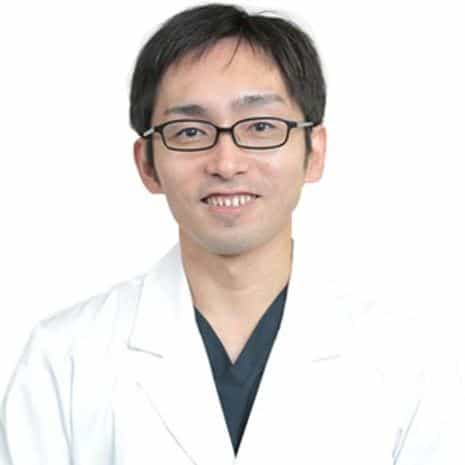
HELENE - Stem Cell Clinic
Overview
Japan Regenerative Medicine Leading Brand With over a decade of experience and more than 17,000 treated patients. Providing cutting-edge stem cell therapies tailored to various health concerns.
Read more details
 100.00% Patient Recommend
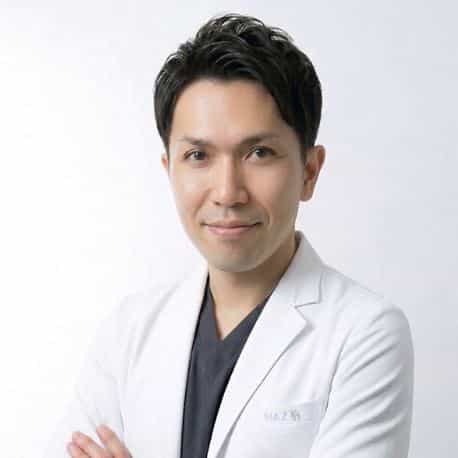
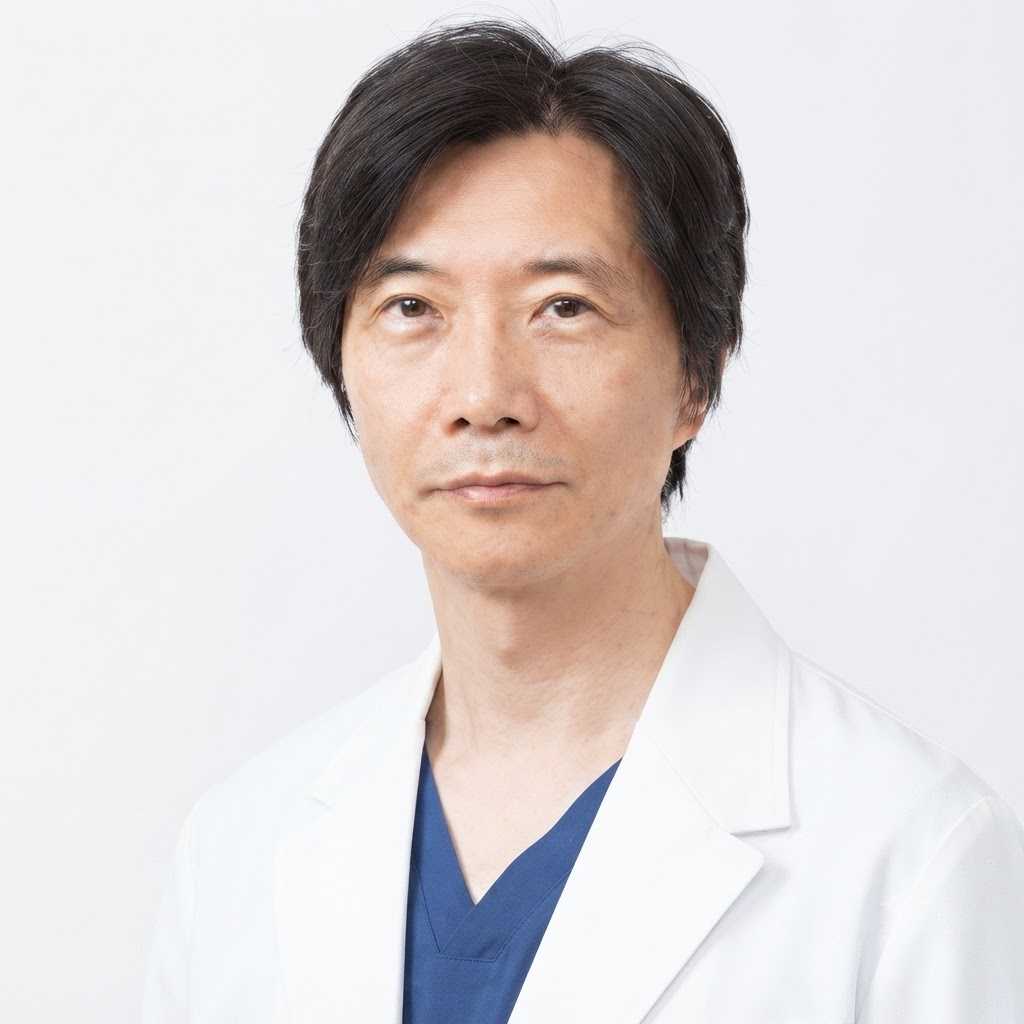
Azabu Skin Clinic - Dermatology and Stem Cell Therapy in Japan
Overview
Azabu Skin Clinic in Tokyo offers advanced stem cell treatments, regenerative treatments, dermatology, and aesthetic care. Book your consultation today.
Read more details
Riso Clinic - Japan Stem Cell Therapy
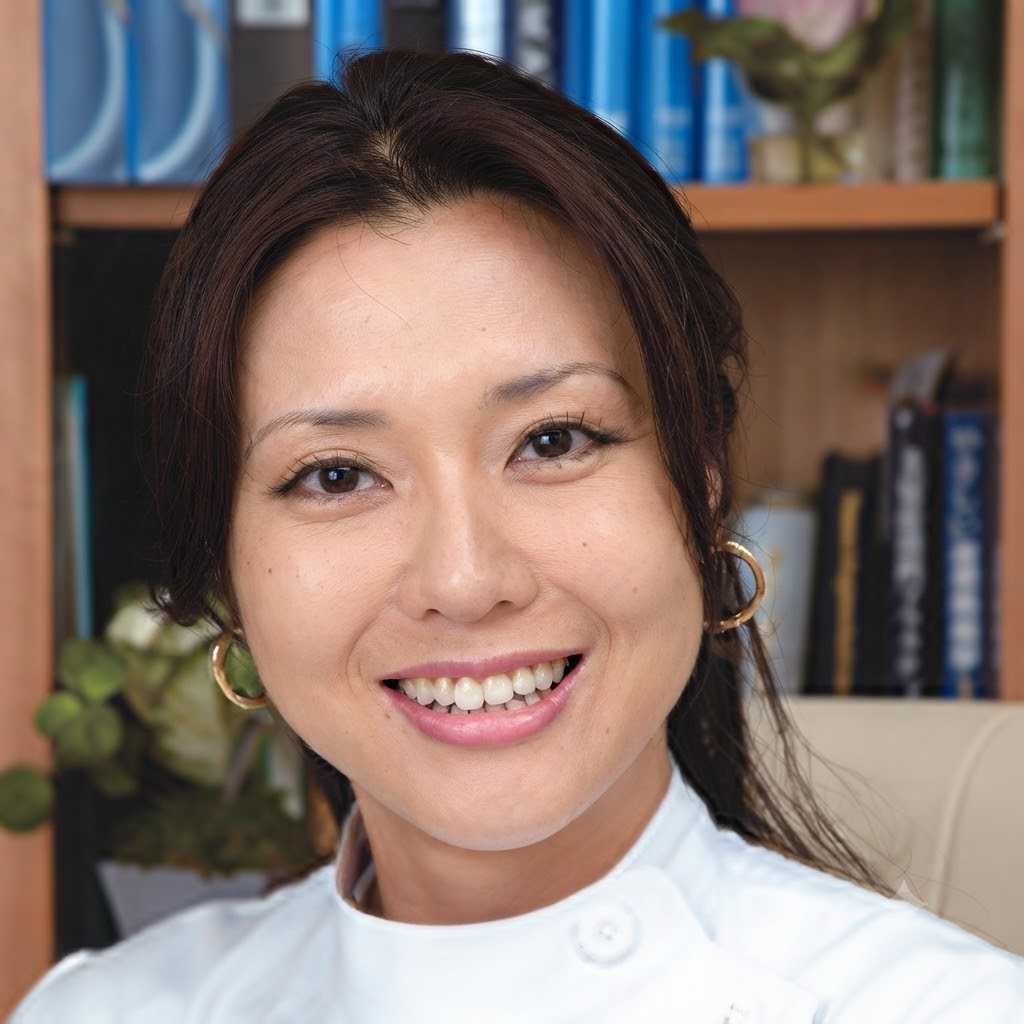
Overview
Explore Japan stem cell therapy at Riso Clinic in Tokyo. Advanced regenerative treatments for knee osteoarthritis, joint injuries, and cartilage repair.
Read more details
Discover your treatment options with a free, no-obligation quote!
Get your quote now!
Clinique Haru Osaka Umeda - Japan Stem Cell Treatment
Overview
Clinique Haru Osaka Umeda specializes in Japan stem cell treatments for joint and musculoskeletal conditions using advanced regenerative medicine.
Read more detailscopy.png)
Authored by
Usama Ahmad
Medical content writer with 5+ years of experience specializing in stem cells and regenerative medicine content.

Reviewed by
Dr. Alejandro Fernando
Dr. Alejandro Fernando is a top stem cell specialist in Mexico City, specializing in regenerative medicine, cellular therapies, and chronic disease treatment and Medical Content Reviewer
Last updated on
Which are the top-rated clinics for Stem Cell Treatment for Degenerative Diseases in Japan?
When seeking top-rated stem cell treatment for degenerative diseases in Japan, patients often look for clinics known for their experience, advanced techniques, and positive patient outcomes. HELENE - Stem Cell Clinic in Tokyo is a prominent option, boasting over a decade of experience and thousands of treated patients. They specialize in cutting-edge stem cell therapies tailored to various health concerns, reflecting Japan's leadership in regenerative medicine and offering personalized care with a strong focus on patient satisfaction and comprehensive support throughout the treatment journey.
Choosing a clinic for advanced treatments like stem cell therapy requires careful consideration. In Japan, the medical landscape for regenerative medicine is highly regulated and continually advancing. HELENE - Stem Cell Clinic in Tokyo stands out for its extensive experience in regenerative medicine, having treated a significant number of patients for various degenerative conditions. They emphasize personalized care, utilizing advanced stem cell techniques to address specific patient needs. Their focus extends to providing thorough information and support, ensuring patients feel confident and well-informed throughout their treatment process.
What types of degenerative diseases can be treated with stem cell therapy in Japanese clinics?
Japanese clinics specializing in stem cell therapy, like HELENE - Stem Cell Clinic, address a broad spectrum of degenerative diseases. These include common conditions such as knee osteoarthritis, diabetes, and neurological disorders like Alzheimer's. Beyond these, treatments are also explored for conditions affecting joint health, spinal cord injuries, and even age-related concerns through anti-aging stem cell applications, leveraging Japan's advanced research in regenerative medicine for personalized therapeutic approaches.
Stem cell therapy in Japan is being applied to a growing list of degenerative conditions. Clinics offer treatments for:
- Joint and Musculoskeletal Conditions: Such as knee osteoarthritis, rheumatoid arthritis, and meniscus tears, aiming to reduce pain and improve mobility.
- Neurological Disorders: Including Alzheimer's disease, Parkinson's disease, and spinal cord injuries, with the goal of promoting neural regeneration and function.
- Metabolic Diseases: Notably diabetes, where stem cells may help improve insulin production or sensitivity.
- Age-Related Conditions: Anti-aging stem cell therapies focusing on cellular rejuvenation and overall vitality.
- Other Degenerative Conditions: Including liver diseases, kidney failure, and erectile dysfunction, reflecting the broad potential of regenerative medicine.
How do Japanese stem cell clinics ensure patient safety and ethical practices?
Japanese stem cell clinics operate under strict national regulations, including the Act on the Safety of Regenerative Medicine, ensuring high standards for patient safety and ethical conduct. Clinics prioritize thorough patient evaluations, informed consent, and robust quality control for stem cell processing. They maintain transparent practices, often sharing patient success rates and clinical outcomes, and adhere to global best practices to minimize risks and ensure treatments are both effective and ethically sound.
Patient safety and ethical considerations are paramount in Japan's regenerative medicine sector. Here's how clinics ensure these:
- Government Regulation: Japan has a comprehensive regulatory framework, including the Act on the Safety of Regenerative Medicine, which strictly governs stem cell research and clinical applications.
- Rigorous Screening: Patients undergo extensive medical evaluations to determine their suitability for therapy, ensuring the treatment aligns with their specific health needs and minimizes potential risks.
- Informed Consent: Clinics provide detailed information about the procedure, potential benefits, risks, and alternative treatments, ensuring patients make fully informed decisions.
- Quality Control: Strict protocols are followed for the collection, processing, and administration of stem cells to maintain purity, viability, and safety.
- Ongoing Monitoring: Patients are continuously monitored during and after treatment for any adverse effects, and long-term follow-up is often standard practice.
What is the typical patient journey for stem cell treatment at clinics in Japan?
The patient journey for stem cell treatment in Japanese clinics generally begins with an initial consultation and thorough diagnostic assessment. This is followed by personalized treatment planning, where doctors discuss the proposed therapy and secure informed consent. The treatment itself involves stem cell collection (often from the patient's own body), processing, and administration. Post-treatment, patients receive detailed aftercare instructions and scheduled follow-up appointments to monitor progress and recovery.
The patient journey typically involves several key stages:
- Initial Consultation & Assessment: This often starts remotely, with patients submitting medical records for review. If deemed a candidate, an in-person consultation in Japan includes comprehensive diagnostics.
- Personalized Treatment Plan: Based on the assessment, a tailored treatment plan is developed, outlining the type of stem cells, number of treatments, and expected duration.
- Informed Consent: Detailed discussions ensure the patient fully understands the procedure, potential outcomes, and any associated risks.
- Stem Cell Collection: If autologous (from the patient's own body), stem cells are collected, often from bone marrow or adipose tissue.
- Processing: The collected cells are processed in a sterile laboratory to isolate and prepare them for therapy.
- Administration: The refined stem cells are administered to the patient, typically via injection at the target site or intravenously.
- Post-Treatment Care & Follow-up: Patients receive instructions for recovery and attend follow-up visits to track progress and address any concerns.
What innovative stem cell technologies are used in leading Japanese clinics?
Leading Japanese stem cell clinics leverage a range of innovative technologies to enhance treatment efficacy and safety. These often include advanced cell culture techniques for expanding specific stem cell types like mesenchymal stem cells (MSCs) and induced pluripotent stem cells (iPSCs). They also utilize state-of-the-art imaging for precise cell delivery and employ rigorous genetic screening and quality control measures to ensure the integrity and safety of the cells used in therapy.
Japanese clinics are at the forefront of regenerative medicine, employing advanced technologies such as:
- Mesenchymal Stem Cells (MSCs): Commonly derived from bone marrow, adipose tissue, or umbilical cord blood, MSCs are favored for their immunomodulatory and regenerative properties.
- Induced Pluripotent Stem Cells (iPSCs): While more in the research phase, Japan is a global leader in iPSC technology, which allows adult cells to be reprogrammed into pluripotent stem cells, potentially offering personalized therapy without ethical concerns associated with embryonic stem cells.
- Exosomes: These tiny vesicles released by stem cells contain therapeutic molecules and are increasingly used for their regenerative potential.
- Growth Factors and Biologics: Often used in conjunction with stem cell therapies to enhance cell survival, proliferation, and differentiation at the site of injury or disease.
- Precision Delivery Systems: Advanced imaging techniques guide the precise delivery of stem cells to targeted areas, maximizing therapeutic effect and minimizing off-target effects.
- Rigorous Quality Control: State-of-the-art laboratory facilities ensure the purity, viability, and safety of stem cells before administration.
How do I prepare for stem cell treatment at a clinic in Japan?
Preparing for stem cell treatment in Japan typically involves several key steps. Initially, you'll undergo a comprehensive medical evaluation, often including remote consultations and detailed diagnostics upon arrival. Your clinic will provide specific instructions regarding medications, diet, and lifestyle adjustments before the procedure. It's crucial to follow these guidelines carefully to optimize treatment outcomes and ensure a smooth process. Planning travel and accommodation well in advance is also highly recommended.
Proper preparation is crucial for successful stem cell treatment:
- Initial Medical Review: Submit your medical history, diagnosis, and any relevant imaging or lab results for an initial assessment by the clinic's medical team.
- Diagnostic Testing: Upon arrival in Japan, you'll likely undergo further comprehensive tests to confirm your diagnosis and assess your overall health.
- Medication Review: Discuss all current medications, supplements, and herbal remedies with your doctor. You may need to stop certain medications (like blood thinners) before the procedure.
- Lifestyle Adjustments: Clinics often recommend dietary changes, avoiding alcohol and smoking, and ensuring adequate rest leading up to the treatment.
- Travel Arrangements: Plan your travel and accommodation in Tokyo, ensuring sufficient time for consultations, treatment, and initial recovery.
- Personal Support: Consider having a companion travel with you, especially if you anticipate any mobility restrictions or need emotional support.
What is the typical recovery process after stem cell therapy in Japanese clinics?
The recovery process after stem cell therapy in Japanese clinics is carefully managed, focusing on patient comfort and optimal healing. Immediately after treatment, patients are often advised to rest and avoid strenuous activities. The clinic provides detailed post-procedure instructions, including pain management, wound care (if applicable), and guidelines for physical activity. Full recovery varies depending on the condition treated and individual health, but clinics emphasize monitoring and gradual return to normal activities.
The recovery timeline can vary significantly based on the treated condition, the type of stem cell therapy, and individual patient factors.
- Immediate Post-Procedure: Patients usually experience minimal discomfort. Any discomfort is typically managed with prescribed medication. Rest is advised, and strenuous activity is to be avoided for a short period.
- Activity Restrictions: Depending on the area treated, specific restrictions on movement or weight-bearing may be in place. Your clinic will provide clear instructions tailored to your treatment.
- Physical Therapy/Rehabilitation: For musculoskeletal conditions, a tailored rehabilitation program often begins shortly after treatment to optimize the integration of the new cells and improve function.
- Monitoring & Follow-up: Regular check-ups are essential to monitor progress and identify any potential complications early. This could involve physical examinations, imaging studies, and lab tests.
- Long-term Care: Many clinics provide guidelines for long-term lifestyle adjustments to support the regenerative process and maintain the therapeutic benefits.
Do Japanese stem cell clinics offer personalized treatment plans?
Yes, personalized treatment plans are a cornerstone of stem cell therapy in reputable Japanese clinics like HELENE - Stem Cell Clinic. Given the complex nature of degenerative diseases and individual patient variations, a standardized approach is rarely effective. Clinics conduct thorough assessments to understand each patient's specific diagnosis, medical history, and overall health. This allows medical professionals to tailor the type of stem cells, dosage, delivery method, and post-treatment care for optimal and targeted results.
Japanese stem cell clinics are known for their patient-centric approach, which includes developing highly personalized treatment plans. Here’s why this is so important:
- Individualized Diagnosis: Degenerative diseases manifest differently in each patient, requiring a precise understanding of the underlying causes and progression of their specific condition.
- Customized Cell Selection: The type of stem cells (e.g., mesenchymal stem cells, iPSCs) and their source (autologous or allogeneic) are chosen based on the patient's condition, age, and health status.
- Tailored Dosage and Delivery: The number of cells administered and the method of delivery (e.g., intravenous, direct injection into affected joint or organ) are adjusted to maximize therapeutic effect for the individual.
- Integrated Care: Personalized plans often include recommendations for complementary therapies, nutritional guidance, and rehabilitation programs to enhance recovery and overall well-being.
- Dynamic Adjustments: Treatment plans are not static; they are often adjusted based on the patient’s response to therapy and ongoing monitoring results, ensuring the most effective course of action.
What are the key factors to consider when selecting a stem cell clinic in Japan?
When selecting a stem cell clinic in Japan for degenerative diseases, crucial factors include verifying the clinic's accreditation and adherence to Japan's strict regenerative medicine laws. Look for transparency in treatment protocols, a strong emphasis on patient safety, and comprehensive diagnostic processes. Experience in treating your specific condition, the types of stem cells offered, and patient testimonials can provide valuable insight into the clinic's expertise and success rates.
Choosing the right clinic involves several critical considerations:
- Accreditation and Regulation: Ensure the clinic is licensed and operates under Japan's rigorous Act on the Safety of Regenerative Medicine. This ensures compliance with national safety and ethical standards.
- Expertise and Experience: Look for clinics with a proven track record in treating your specific degenerative disease, backed by years of experience and specialized medical teams.
- Transparency: A reputable clinic will be open about its treatment protocols, types of stem cells used, success rates, potential risks, and costs.
- Personalized Care: The best clinics offer tailored treatment plans based on extensive patient evaluations, rather than a one-size-fits-all approach.
- Facility Standards: Investigate the clinic's facilities, especially their laboratories for stem cell processing, ensuring they meet international sterile and quality standards.
- Patient Support: Consider the level of support offered, including assistance with travel, accommodation, language services, and post-treatment follow-up.
- Patient Testimonials: Reviews and testimonials from previous patients can offer insights into the overall experience and treatment effectiveness.
What kind of follow-up care can patients expect from stem cell clinics in Japan?
Post-treatment follow-up care from stem cell clinics in Japan is an integral part of the patient's recovery journey, designed to monitor progress and optimize long-term results. Patients can expect scheduled consultations, both in-person and potentially remote, to assess their health status and treatment response. This often includes repeat diagnostic tests like imaging or blood work to track regenerative changes. Clinics also provide continuous guidance on rehabilitation, lifestyle modifications, and nutritional support to sustain the therapeutic benefits.
Comprehensive follow-up care is a critical component of stem cell therapy at Japanese clinics:
- Scheduled Check-ups: Clinics typically schedule several follow-up appointments, starting from weeks to several months post-treatment. These can be in-person or remote via teleconsultation.
- Diagnostic Re-evaluation: Repeat imaging (e.g., MRI, X-ray) and laboratory tests are performed to objectively assess the regenerative effects and overall health improvements.
- Symptom Monitoring: The medical team will closely track changes in symptoms, pain levels, mobility, and overall quality of life.
- Rehabilitation Guidance: For conditions affecting mobility, physical therapy or rehabilitation exercises will be recommended or adjusted to maximize functional recovery.
- Lifestyle and Nutritional Advice: Patients often receive personalized recommendations on diet, exercise, and supplements to support the body's healing processes and enhance the longevity of treatment benefits.
- Continued Communication: Many clinics maintain open lines of communication to address any concerns or questions that may arise during the recovery period.
How PlacidWay helps individuals access Stem Cell Treatment for Degenerative Diseases in Japan?
PlacidWay provides detailed, up-to-date information about Stem Cell Treatment for Degenerative Diseases, including benefits, risks, and expected outcomes, empowering you to make informed decisions. We help users compare treatments across various clinics, ensuring you find affordable options without compromising on quality. PlacidWay assists you in finding trusted, accredited clinics and medical professionals specializing in Stem Cell Treatment for Degenerative Diseases in Japan. We offer one-on-one consultations to help users make informed decisions about their treatment, ensuring their specific needs are met. PlacidWay ensures continued support after the treatment, including follow-up care and recovery assistance, making your health journey seamless. Ready to get Stem Cell Treatment for Degenerative Diseases in Japan? Contact us today for a personalized consultation.Share with AI
Share this page with AI assistants to get summaries and insights


List of Best Stem Cell Treatment for Degenerative Diseases Clinics in Japan
Explore Stem Cell Treatment for Degenerative Diseases: Stories, Testimonials, and Procedures
Watch in-depth videos covering everything from Stem Cell Treatment for Degenerative Diseases success stories to detailed procedure explanations. Learn what to expect and hear from real patients.
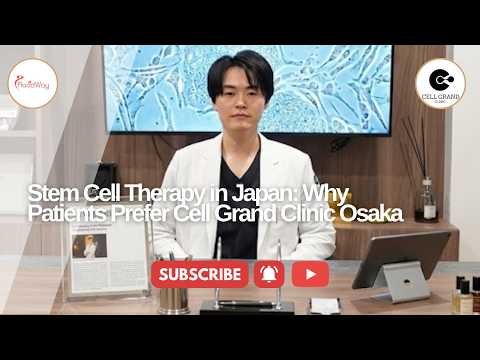
Stem Cell Therapy in Japan by Dr. Yuichi Wakabayashi: Why Patients Prefer Cell Grand Clinic Osaka
Cancer Treatment
Cell Grand Clinic - Best Stem Cell Clinic in Japan
Osaka, Japan

Safety of Stem Cell Therapy Explained by Cell Grand Clinic in Osaka, Japan
Cancer Treatment
Cell Grand Clinic - Best Stem Cell Clinic in Japan
Osaka, Japan
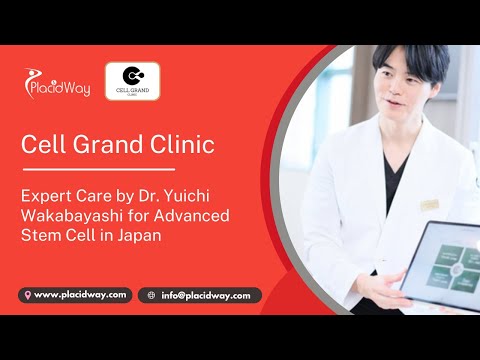
Expert Care by Dr. Yuichi Wakabayashi for Advanced Stem Cell in Japan at Cell Grand Clinic
Cancer Treatment
Cell Grand Clinic - Best Stem Cell Clinic in Japan
Osaka, Japan
Minimally Invasive Stem Cell Therapy and Advanced Cultivation
Cancer Treatment
HELENE - Stem Cell Clinic
Tokyo, Japan
Unlock the Best Stem Cell Treatment for Degenerative Diseases Packages Just for You
Discover the ultimate Stem Cell Treatment for Degenerative Diseases packages designed to meet your health and wellness goals. Choose the perfect fit for your journey.

Price starting from $19,800
Knee Regenerative Medicine Package in Osaka, Japan by Cell Grand Clinic
Cell Grand Clinic - Best Stem Cell Clinic in Japan
- Stem Cell Therapy
Osaka, Japan

Price starting from $10,000
Stem Cell Therapy for Diabetes Package in Tokyo, Japan by Helene Clinic
HELENE - Stem Cell Clinic
- Stem Cell Therapy
Tokyo, Japan

Price starting from $68,000
Advanced Autologous Stem Cell Treatment for Diabetes Package in Tokyo, Japan by HELENE Clinic
HELENE - Stem Cell Clinic
- Stem Cell Therapy
Tokyo, Japan

Price starting from $10,000
Stem Cell Therapy for Parkinson’s Disease Package in Tokyo, Japan by HELENE Clinic
HELENE - Stem Cell Clinic
- Stem Cell Therapy
Tokyo, Japan
Transformative Stem Cell Treatment for Degenerative Diseases Experiences: Dive into Procedure Insights
Discover the power of Stem Cell Treatment for Degenerative Diseases through compelling patient experiences. Uncover detailed insights into procedures, recovery journeys, and life-changing results.
.png)
Stem Cell Therapy for Spinal Cord Injury in Japan
- Stem Cell Treatment for Spinal Cord Injury, Stem Cell Therapy
Japan

Price starting from $10,000
Stem Cell Therapy for Heart Disease in Japan
- Stem Cell Therapy for Heart Disease, Stem Cell Therapy
Japan
.png)
Price starting from $10,000
Stem Cell Therapy for Alzheimer’s Disease in Japan
- Stem Cell Treatment for Alzheimers Disease, Stem Cell Therapy
Japan
.png)
Price starting from $19,800
Stem Cell Therapy for Diabetes in Japan
- Stem Cell Treatment for Diabetes, Stem Cell Therapy
Japan








I am truly grateful. My diabetes test results have improved, and I am genuinely amazed by the progress.
Read More