

The prevalence of degenerative diseases in Malaysia, such as osteoarthritis and neurodegenerative conditions, has prompted many patients to look beyond their borders for advanced medical interventions. For years, the standard approach has often involved invasive surgeries, long rehabilitation periods, and reliance on pain management medications. However, as medical science progresses, many individuals are actively seeking less invasive, highly regulated alternatives that focus on long-term functional improvement.
This growing demand has positioned stem cell therapy in Japan as a leading option for international patients seeking conservative management of chronic conditions. Tokyo has developed a robust medical infrastructure dedicated to regenerative medicine, backed by rigorous government oversight. For Malaysian patients, the combination of technological precision, stringent safety protocols, and a focus on non-surgical tissue repair makes Japan an appealing destination for managing complex degenerative health challenges.
According to industry reports, the global regenerative medicine market is expanding rapidly, with Japan remaining one of the primary hubs in Asia due to its specialized regulatory framework introduced in 2014.
Why Malaysian Patients Seek Stem Cell Treatment in Tokyo
One of the primary reasons patients travel for regenerative medicine in Tokyo is the highly specialized regulatory environment that governs these procedures. Unlike regions where stem cell treatments operate in a legal gray area, Japan has implemented strict legal frameworks that require clinics to undergo rigorous certification processes. This provides a strong layer of assurance for international patients who prioritize safety, ethical practices, and clinical transparency.
Furthermore, geographical proximity and cultural factors play a significant role in this medical tourism trend. The flight from Kuala Lumpur to Tokyo is relatively short and direct, making the logistical aspect of the journey manageable for individuals dealing with chronic pain or mobility issues. Additionally, the renowned Japanese standard of hospitality and patient care ensures that medical tourists feel supported, respected, and comfortable throughout their clinical experience.
Japan's "Act on the Safety of Regenerative Medicine" is globally recognized as one of the most comprehensive legal frameworks, specifically designed to accelerate the safe application of cellular therapies while heavily penalizing uncertified practices.
Common Degenerative Diseases Treated with Stem Cells in Tokyo
When discussing non-surgical degenerative disease treatment, it is crucial to identify which conditions are most commonly addressed through these therapies. Orthopedic conditions represent the majority of cases, with patients seeking alternatives to total joint replacement surgeries. Musculoskeletal deterioration, particularly in the knees, hips, and spine, is a primary focus for many specialized clinics in Japan.
In addition to orthopedics, ongoing clinical applications are cautiously exploring the benefits of stem cells for broader systemic and autoimmune conditions. While these treatments do not guarantee a cure, they aim to modulate the immune system, reduce chronic inflammation, and promote cellular repair. Medical professionals conduct extensive evaluations to determine if a patient's specific diagnosis aligns with the therapeutic capabilities of stem cells.
- Osteoarthritis: Targeting cartilage degradation and chronic joint inflammation.
- Degenerative Disc Disease: Addressing spinal pain and disc volume loss without spinal fusion surgery.
- Rheumatoid Arthritis: Utilizing the immunomodulatory properties of stem cells to manage autoimmune responses.
- Sports Injuries: Aiding in the recovery of chronic tendon and ligament tears.
- Neurological Support: Exploring supportive therapies for early-stage neurodegenerative symptoms under strict clinical protocols.
Analyzing Stem Cell Therapy Cost in Tokyo Compared to Malaysia
Understanding the financial implications is a vital step for anyone considering medical tourism in Japan. Patients often find that while the absolute cost of treatment in Tokyo may be higher than local options in Malaysia, the value is derived from access to highly advanced cell cultivation laboratories and internationally recognized specialists. Pricing in Japan is typically transparent, with comprehensive packages that clearly outline the fees for initial consultations, cell harvesting, laboratory expansion, and the final administration.
It is important to note that the stem cell treatment cost in Japan varies widely based on the specific type of cells used, the number of cell millions required for the condition, and the complexity of the laboratory cultivation process. Below is a comparative overview of average costs to help international patients build realistic financial expectations.
| Procedure / Sub-Treatment | Average Cost in Tokyo, Japan (USD) | Cost Comparison with Malaysia (USD) |
|---|---|---|
| Autologous MSCs for Joint Injection (Single Joint) | $15,000 - $18,000 | $8,000 - $12,000 |
| Intravenous (IV) Stem Cell Infusion (Systemic) | $18,000 - $25,000 | $10,000 - $15,000 |
| Spinal Disc Stem Cell Injection | $16,000 - $20,000 | $9,000 - $14,000 |
| Initial Evaluation & Blood Work | $500 - $1,500 | $200 - $600 |
The Science Behind Non-Surgical Stem Cell Procedures in Japan
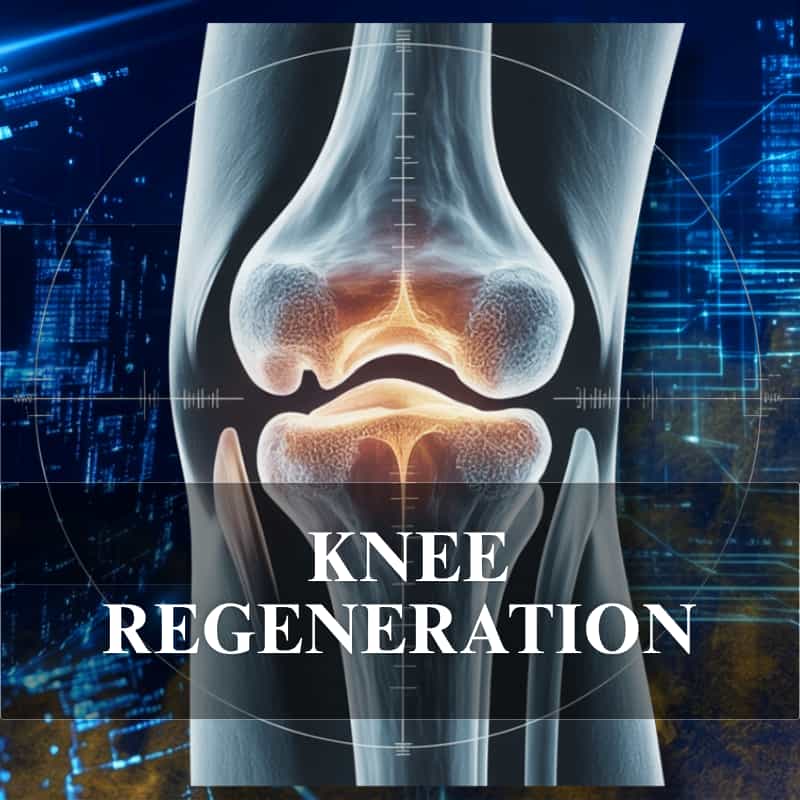
The foundation of regenerative therapies in Tokyo relies heavily on the use of Mesenchymal Stem Cells (MSCs). These cells are unique because they have the potential to differentiate into various tissue types, including bone, cartilage, and muscle. When introduced into a degenerative environment, such as an arthritic knee, MSCs act as powerful signaling mechanisms. They release growth factors and anti-inflammatory proteins that generally encourage the body's natural repair processes.
Most advanced clinics in Japan utilize an autologous approach, meaning the cells are harvested from the patient’s own body—usually from adipose (fat) tissue or bone marrow. This minimizes the risk of immune rejection or cross-contamination. After extraction, the cells are isolated, purified, and often multiplied in tightly controlled, state-of-the-art laboratories before being reintroduced into the patient's body via targeted injections or intravenous infusions.
Mesenchymal Stem Cells (MSCs) do not just attempt to replace damaged cells; their primary function is often paracrine signaling—meaning they secrete factors that instruct neighboring cells to reduce inflammation and promote tissue healing.
Regulatory Safety and Quality of Stem Cell Clinics in Japan
For international patients, one of the most critical factors in choosing a medical destination is the safety and regulatory oversight of the healthcare system. Japan handles this through the Ministry of Health, Labour and Welfare (MHLW). Any facility offering regenerative medicine must undergo a stringent peer-review process by an certified institutional review board before receiving government approval to treat patients.
This oversight dictates how cells are harvested, processed, stored, and administered. The laboratories where cell cultivation takes place, known as Cell Processing Centers (CPCs), must adhere to strict Good Gene, Cellular, and Tissue-based Products Manufacturing Practice (GCTP) guidelines. This uncompromising commitment to quality control is exactly why stem cell clinics in Japan are trusted globally for their procedural integrity.
Always verify that your chosen medical facility holds a valid certification from the Japanese Ministry of Health, Labour and Welfare for the specific regenerative procedure you are planning to undergo. Uncertified treatments pose severe health risks.
Evaluating Top Stem Cell Therapy Clinics in Tokyo Japan
When selecting a facility for treatment, it is vital to assess the clinic's clinical expertise, technological infrastructure, and experience in handling international patients. High-quality clinics provide comprehensive pre-treatment evaluations to ensure that the patient is a viable candidate for cellular therapy. They also maintain transparent communication regarding what the treatment can realistically achieve, avoiding exaggerated promises or guaranteed cures.
International patients should seek out clinics that have dedicated international departments capable of handling medical records translation, logistical coordination, and clear clinical explanations. For instance, facilities like HELENE - Stem Cell Clinic in Tokyo, Japan represent the high standard of care and strict regulatory compliance that medical tourists seek when researching stem cell clinics in Tokyo.
Request a virtual consultation before traveling. This allows you to speak directly with the medical team, assess their English proficiency (or availability of interpreters), and gauge their transparency regarding potential risks and outcomes.
The Step-by-Step Patient Journey for Stem Cell Therapy in Japan
The patient journey for medical tourism in Japan is meticulously structured to prioritize safety and precision. The process begins long before the patient arrives in Tokyo, usually starting with a remote review of local medical records, MRI scans, and blood tests from Malaysia. Once deemed a suitable candidate, the patient travels to Japan for comprehensive in-person diagnostics.
The clinical phase is typically divided into two main visits. The first visit involves a minimally invasive extraction of the necessary tissue. After extraction, the patient can often return home or enjoy Tokyo while the laboratory spends several weeks isolating and cultivating the cells. The final step involves a targeted reinjection or infusion of the multiplied stem cells under precise image guidance.
- Initial Consultation: Comprehensive review of medical history and physical examination.
- Tissue Harvesting: A minor outpatient procedure to extract adipose tissue or bone marrow using local anesthesia.
- Laboratory Cultivation: The extracted cells are sent to a strict clean-room laboratory where they are multiplied over 3 to 4 weeks.
- Administration: The cultured cells are administered back into the patient via precise intra-articular injection or IV infusion.
- Post-Procedure Monitoring: Immediate observation followed by a structured long-term follow-up plan coordinated with the patient's local doctors.
What to Expect During Recovery from Stem Cell Procedures in Tokyo
Because stem cell therapy is designed as a non-surgical alternative, the recovery process is vastly different from traditional orthopedic surgery. Most patients experience minimal downtime and are usually treated on an outpatient basis. Following an intra-articular joint injection, it is common to experience mild localized swelling, stiffness, or slight discomfort at the injection site for a few days.
Physicians generally advise patients to avoid strenuous physical activities, heavy lifting, or high-impact sports for several weeks post-treatment to allow the cells to properly adhere and begin the tissue repair process. However, light walking and basic daily activities are typically encouraged almost immediately to promote healthy blood flow to the treated area.
Unlike joint replacement surgery, which often requires months of intensive physical therapy, patients undergoing stem cell injections can usually board a flight back to their home country within 24 to 48 hours after the final administration.
Measuring the Long-Term Benefits of Stem Cells for Degenerative Diseases
Patience is essential when evaluating the outcomes of affordable stem cell therapy in Japan. Regenerative medicine does not provide immediate pain relief like a corticosteroid injection; instead, it relies on natural biological processes that take time to develop. Most patients begin to notice subtle improvements in mobility and reductions in pain levels around the three-to-six-month mark, as the anti-inflammatory and tissue-repairing effects take hold.
It is vital to understand that results vary widely depending on the patient's age, overall health status, and the severity of the degenerative condition prior to treatment. While many individuals report sustained relief lasting for years, avoiding the need for invasive surgery entirely, others may require follow-up therapies. Clinical transparency regarding these varying outcomes is a hallmark of reputable Japanese healthcare providers.
Clinical observations in orthopedic stem cell treatments suggest that over 70% of carefully selected candidates with mild to moderate osteoarthritis report a clinically significant reduction in pain scores at the 12-month follow-up point.
Preparing for Your Medical Tourism in Japan Stem Cell Journey
Proper preparation ensures a smooth and stress-free medical travel experience. For Malaysian citizens, entering Japan for short-term stays is generally straightforward, but verifying current visa regulations is crucial depending on the expected duration of your medical visits. Gathering all pertinent medical records—including recent MRI imaging, detailed doctors' notes, and a list of current medications—is the most critical first step.
Additionally, organizing your medical files in chronological order and obtaining official English translations can significantly expedite your initial consultations in Tokyo. Although major clinics employ bilingual staff, having your baseline health data clearly documented helps the Japanese specialists formulate a highly accurate and personalized treatment protocol without unnecessary delays.
Always travel with digital copies of your imaging (like MRIs or X-rays) on a USB drive, as well as printed summaries of your condition. Japanese clinics rely heavily on high-resolution imaging to determine cell placement accuracy.
Assessing the Risks of Stem Cell Therapy for International Patients
While utilizing a patient's own cells significantly mitigates the risk of allergic reactions or immune system rejection, no medical procedure is entirely without risk. Complications related to stem cell therapy in Japan are rare but can include localized infection at the harvesting or injection site, minor bleeding, or failure to achieve the desired clinical outcome. Adherence to strict sterilization protocols by Japanese clinics greatly reduces the incidence of these complications.
Furthermore, responsible medical providers enforce strict contraindications to safeguard patient health. Individuals with active systemic infections, certain types of cancer, or severe blood disorders are generally not considered suitable candidates for regenerative cell therapies. A comprehensive pre-treatment screening is mandatory to rule out any underlying conditions that could complicate the healing process or trigger adverse reactions.
Autologous treatments (using your own cells) are widely preferred for degenerative joint diseases because they bypass the complex compatibility testing required for donor cells and eliminate the need for immunosuppressant drugs.
Real Patient Experiences with Stem Cell Therapy in Japan
Reading about the journeys of others can provide invaluable perspective for Malaysian patients contemplating this significant healthcare decision. Real patient experiences often highlight the nuances of traveling abroad for treatment, detailing everything from the initial anxiety of the process to the eventual outcomes. These accounts underscore the professionalism of the medical staff in Tokyo and the practical benefits of choosing a non-surgical route.
While every patient’s body responds differently to regenerative medicine, a common theme among successful cases is the profound improvement in overall quality of life. The ability to return to hobbies, walk without severe pain, and delay or cancel invasive orthopedic surgeries are frequent highlights of these patient summaries.
Overcoming Knee Osteoarthritis
A 62-year-old patient from Kuala Lumpur successfully avoided a bilateral knee replacement after undergoing autologous adipose-derived stem cell therapy in Tokyo. Within eight months, she reported a significant decrease in daily joint stiffness and a return to regular morning walks.
Managing Degenerative Disc Pain
Facing constant lower back pain, a 55-year-old executive opted for stem cell injections in Japan rather than spinal fusion. The non-surgical approach allowed him to return to light office duties quickly, with substantial pain relief noted after five months.
Shoulder Mobility Restored
An active sports enthusiast dealing with chronic rotator cuff degeneration traveled to Tokyo for targeted cellular injections. The minimally invasive procedure, combined with careful physical therapy, restored his range of motion without the lengthy downtime of traditional surgery.
Systemic Wellness Approach
A patient suffering from early-stage autoimmune-related joint inflammation sought treatment at an MHLW-certified clinic in Japan. Through a carefully managed IV infusion protocol, she experienced a gradual reduction in generalized fatigue and systemic flare-ups over a year.
How PlacidWay Assists Your Stem Cell Therapy Medical Tourism Journey in Japan
Navigating the complexities of international healthcare requires expertise, reliable information, and a trusted partner. Organizing cross-border medical treatments involves meticulous planning, from verifying clinic credentials to understanding precise treatment protocols. Patients need assurance that they are connecting with properly certified, top-tier medical facilities.
PlacidWay serves as a dedicated platform to bridge the gap between patients seeking advanced therapies and world-class medical providers. By facilitating transparent communication and providing structured resources, PlacidWay empowers patients to make highly informed healthcare decisions.
- Connecting patients with rigorously vetted, government-certified regenerative medicine clinics in Japan.
- Providing comprehensive access to detailed provider profiles, medical team credentials, and facility capabilities.
- Facilitating secure, direct communication channels between patients and international medical coordinators.
- Offering guidance on gathering, organizing, and transmitting medical records for pre-treatment evaluations.
- Delivering objective information and comparative data to help patients understand different therapeutic options and cost structures.
Frequently Asked Questions
How long does a stem cell therapy procedure take in Japan?
The initial harvesting procedure typically takes a few hours and is performed on an outpatient basis. After a cultivation period of a few weeks, the injection phase generally requires only a short visit.
Is a medical visa required for Malaysians traveling to Japan?
Malaysian citizens generally enjoy visa-free entry to Japan for short-term stays, which is often sufficient for medical consultations and treatments. However, you should always verify current immigration rules before booking.
Are stem cell treatments in Japan safe?
Japan maintains stringent regulations under the Act on the Safety of Regenerative Medicine. Clinics must be strictly certified by the Ministry of Health, Labour and Welfare to ensure high safety standards.
When will I see results from my stem cell therapy?
Most patients experience gradual improvements over a period of three to six months as the cells work to repair tissue. However, individual results vary widely depending on the severity of the condition.
What is the primary difference between autologous and allogeneic stem cells?
Autologous stem cells are harvested from your own body, which virtually eliminates the risk of immune rejection. Allogeneic cells come from a donor and are generally used in different types of specialized therapies.
Will I need to stay in a hospital overnight?
In most cases, stem cell therapies for degenerative diseases in Japan are non-surgical and performed as outpatient procedures. Patients typically return to their accommodations on the same day.
How do I communicate with Japanese medical staff?
Top-tier clinics that cater to international patients usually have in-house English-speaking coordinators. Professional medical translation services are also widely available to ensure clear communication.
Can stem cells cure osteoarthritis completely?
Stem cell therapy is not a guaranteed cure, but it is designed to manage symptoms, reduce inflammation, and potentially slow disease progression. Many patients report significant pain relief and improved joint mobility.
What are the contraindications for stem cell therapy?
Common contraindications include active systemic infections, certain active cancers, and severe blood disorders. A comprehensive medical evaluation is always required to determine your eligibility.
How much does stem cell therapy cost in Japan compared to other countries?
While prices vary by clinic and condition, stem cell therapy in Japan generally ranges from $15,000 to $25,000 USD. This is often competitive with advanced treatments in Western nations while offering highly regulated quality.
Ready to explore non-surgical solutions for degenerative diseases in Japan? Contact PlacidWay today to connect with certified stem cell clinics, evaluate your treatment options, and start your journey toward a better quality of life.
References
- National Institutes of Health (NIH). Stem Cell Basics. https://stemcells.nih.gov/info/basics/stc-basics
- World Health Organization (WHO). Osteoarthritis. https://www.who.int/news-room/fact-sheets/detail/osteoarthritis
- Mayo Clinic. Stem cells: What they are and what they do. https://www.mayoclinic.org/tests-procedures/bone-marrow-transplant/in-depth/stem-cells/art-20048117
- Wikipedia. Stem-cell therapy. https://en.wikipedia.org/wiki/Stem-cell_therapy


.png)



-(2).png)
.png)
.png)
.png)



.png)
.jpg)








Share this listing