
What treatment


3+ Best Clinics for Stem Cell Treatment for Degenerative Diseases in South Korea
Trusted Medical Tourism Platform Since 2007
What are the best stem cell therapy clinics in South Korea?
The best stem cell therapy clinics in South Korea are Chaum Medical Center, Seoul Smart Bon Clinic, and Yonsei BH Clinic, all located in Seoul.
Overseen by the Korean Ministry of Food and Drug Safety (MFDS), these facilities use mesenchymal stem cells (MSCs) to safely treat severe degenerative conditions. Specialized treatments address Parkinson's disease, Alzheimer's, dementia, osteoarthritis, diabetes, lupus, and spinal cord injuries. Comprehensive treatment packages start at $33,000 USD, providing patients with access to world-class regenerative medicine and highly personalized protocols.
 100.00% Patient Recommend
Chaum Medical Center


Overview
Premium healthcare at Chaum Medical Center, Seoul. Personalized anti-aging, stem cell therapy, and advanced medical services for a youthful life.
Read more details
Seoul Smart Bon Clinic in South Korea

Overview
Discover advanced care at Spine, Neurology & Stem Cell Clinic in South Korea by Seoul Smart Bon Clinic with innovative treatments for lasting recovery.
Read more details
Yonsei BH Clinic


Overview
Yonsei BH Clinic offers advanced stem cell therapy in Seoul, South Korea, for erectile dysfunction, anti-aging, Parkinson disease, dementia, diabetes, and more.
Read more details
Allheart plastic surgery
AllHeart Plastic Surgery in Gangnam specializes in advanced cosmetic procedures, offering expert care in a modern facility for natural and safe results.


copy.png)
Authored by
Usama Ahmad
Medical content writer with 5+ years of experience specializing in stem cells and regenerative medicine content.
Reviewed by
Dr. Alejandro Fernando
Dr. Alejandro Fernando is a top stem cell specialist in Mexico City, specializing in regenerative medicine, cellular therapies, and chronic disease treatment and Medical Content Reviewer
Last updated on
Why South Korea is the Global Leader in Stem Cell Therapy for Degenerative Diseases?
South Korea has established itself as the premier biotechnology hub of Asia, merging government-backed research with world-class clinical applications. For patients suffering from osteoarthritis, neurological degeneration, and autoimmune conditions, South Korea offers scientifically validated regenerative solutions.
Government-Regulated Biotech Infrastructure
South Korea is one of the few countries with legally approved, commercialized stem cell therapeutics overseen by the K-FDA. This strict governmental oversight ensures that all cellular products used for degenerative conditions meet the highest international standards for sterility, viability, and efficacy.
Pioneers in Cell Culturing Technology
Korean laboratories excel in advanced stem cell expansion and culturing techniques. Rather than relying solely on same-day minimally processed cells, South Korean facilities can ethically culture millions of pure, highly potent mesenchymal stem cells tailored to target specific degenerative tissues.
Multidisciplinary Research Hospitals
Patients in South Korea do not just visit standard clinics; they are often treated in elite university-affiliated research hospitals. This means your stem cell protocol is integrated with cutting-edge neurology, orthopedics, and internal medicine departments for a comprehensive approach to disease management.
Cost-Effective Medical Innovation
Despite offering some of the most advanced biotechnology in the world, the cost of complex regenerative therapies in South Korea remains highly competitive. Patients can access intensive, multi-phase cellular treatments at nearly half the price of comparable, yet often less regulated, procedures in the United States.
Stem Cell Therapy Costs in South Korea vs. United States (2026)
Review projected 2026 pricing for regenerative treatments targeting degenerative diseases. South Korean medical centers offer transparent, tiered pricing based on the disease severity, required cell counts, and specialized delivery methods.
| Procedure | South Korea Price | US / UK Price | You Save | Savings % |
|---|---|---|---|---|
| Joint Injection (Osteoarthritis) | $6,000–$8,500 | $18,000–$25,000 | $12,000+ | 66% |
| Systemic IV Infusion (Autoimmune) | $8,500–$12,000 | $25,000–$35,000 | $16,500+ | 65% |
| Intrathecal Injection (Neurological) | $12,000–$18,000 | $40,000–$55,000 | $28,000+ | 70% |
| Multi-Phase Advanced Protocol | $18,000–$25,000 | $60,000–$80,000 | $42,000+ | 70% |
* Prices are 2026 estimates based on verified PlacidWay partner hospitals in South Korea. Final costs vary according to the specific degenerative condition, cell harvesting techniques, cell expansion requirements, and length of hospital stay. Request a free quote for personalized pricing.
Seoul vs. Alternative South Korean Cities for Cellular Therapy
While the capital is the primary hub, South Korea features several distinct regions known for medical excellence. Compare these top destinations to find the right environment for your degenerative disease treatment.
Seoul
Global Medical Innovation Hub
Home to the nation's most prestigious university hospitals and highly regulated stem cell laboratories. Seoul is the optimal choice for patients seeking treatment for complex neurological and autoimmune degenerative conditions requiring advanced specialist collaboration.
Busan
Southern Medical Port
Offers world-class orthopedic regenerative medicine paired with the therapeutic benefits of a coastal city. Busan is highly recommended for patients receiving treatment for severe joint degeneration who prefer a less congested recovery environment.
Incheon
The Aerotropolis
Located adjacent to Korea's main international airport, Incheon features modern medical facilities catering specifically to international patients. It provides unmatched logistical ease for mobility-impaired patients seeking quick, outpatient stem cell infusions.
Daegu
Korea's Medi-City
Designated as a special medical zone by the Korean government, Daegu houses specialized clinics focusing on anti-aging and systemic disease management. It offers a highly concentrated network of health professionals dedicated to restorative therapies.
Targeted Stem Cell Treatments for Degenerative Conditions
Korean medical centers utilize precise delivery mechanisms to ensure stem cells reach the compromised tissues effectively. Procedures range from joint-specific injections to advanced central nervous system protocols.
Intra-Articular Joint Injections
$6,000 – $8,500Designed specifically for osteoarthritis and degenerative joint disease. Cultured mesenchymal stem cells are injected directly into the knee, hip, or shoulder capsule under ultrasound guidance to stimulate cartilage regeneration and heavily reduce localized inflammation.
Save $12,000+ vs. US prices
Systemic Intravenous (IV) Infusion
$8,500 – $12,000Ideal for patients battling widespread inflammation, autoimmune conditions, or systemic degeneration. Millions of expanded stem cells are administered via an IV drip, allowing the cells to circulate throughout the body and home in on areas of cellular damage and immune dysfunction.
Save $16,500+ vs. US prices
Intrathecal Stem Cell Therapy
$12,000 – $18,000A highly specialized protocol for neurological degenerative diseases such as Parkinson's, ALS, and Multiple Sclerosis. Stem cells are injected into the spinal canal fluid, bypassing the blood-brain barrier to deliver neuroprotective and regenerative cells directly to the central nervous system.
Save $28,000+ vs. US prices
Comprehensive Multi-Therapy Protocol
$18,000 – $25,000For severe or late-stage degenerative conditions. This intensive inpatient program combines local injections, systemic IV infusions, advanced physiotherapy, and supportive exosomes. It maximizes cellular engraftment and provides the highest possible dosage of therapeutic cells.
Save $42,000+ vs. US prices
How to Choose a Stem Cell Center in South Korea?
South Korea offers exceptional healthcare, but selecting the right facility for your specific condition requires diligence. Follow this 5-step checklist to ensure a safe and effective regenerative journey.
Verify K-FDA Approvals and Licensing
Confirm that the hospital's laboratories operate under strict Korean Ministry of Food and Drug Safety (K-FDA) guidelines. Legitimate facilities will transparently share their certifications for cell processing, culturing, and storage protocols.
Identify the Specialist's Medical Focus
Ensure your lead doctor is a specialist in your specific degenerative disease—such as a board-certified neurologist for Parkinson’s or an orthopedic surgeon for osteoarthritis—rather than a general practitioner performing injections.
Inquire About the Source and Cell Count
Ask whether the clinic uses autologous cells (from your own body) or allogeneic umbilical cord cells. Furthermore, request specific numbers regarding the millions of viable stem cells that will be administered during your treatment.
Review the International Patient Support
Because medical protocols in South Korea are highly detailed, ensure the hospital provides dedicated English-speaking coordinators and medical translators to help you navigate medical terminology and post-care instructions accurately.
Utilize an Independent Medical Facilitator
Partnering with PlacidWay removes language and cultural barriers. We connect you exclusively with accredited South Korean hospitals that have proven track records of safety and positive outcomes for international patients.
Your Path to Cellular Healing in South Korea
Understanding the medical timeline ensures you are fully prepared for the advanced care you will receive. Here is the standard progression for degenerative disease treatments.
Step 1: Telemedicine Consultation & File Review
Your journey begins at home. You will submit your comprehensive medical records, recent MRI/CT scans, and blood work. South Korean specialists will conduct a virtual review to determine if your degenerative condition qualifies for cellular therapy and propose a custom protocol.
Step 2: Arrival & Advanced Diagnostics
Upon checking into the hospital in Seoul or Busan, you will undergo rigorous state-of-the-art diagnostics. The medical team will evaluate your current baseline functioning, immunity levels, and exact areas of tissue degradation to calibrate the cell dosage.
Step 3: Cell Harvesting & Culturing (If Applicable)
If using autologous cells, a specialist extracts a small sample of adipose tissue or bone marrow. The sample is sent to the on-site K-FDA-approved lab where the mesenchymal stem cells are isolated, heavily concentrated, and sometimes cultured over several weeks for maximum yield.
Step 4: The Targeted Administration
The administration phase takes place in a highly sterile clinical environment. Depending on your condition, the refined stem cells are delivered via image-guided intra-articular injection, intrathecal spinal injection, or systemic IV drip to reach the damaged tissues.
Step 5: Clinical Observation & Long-Term Care
Following treatment, you will remain under hospital observation to monitor for any mild immune responses. Upon discharge, you will be given a post-treatment rehabilitation plan. The hospital continues to track your degenerative disease progression remotely over the next 6 to 12 months.
South Korea Stem Cell Therapy for Degenerative Diseases FAQ
Detailed, fact-based answers addressing the primary concerns of international patients seeking advanced cellular care in South Korea.
Voices of Healing from South Korea
Discover how international patients have slowed disease progression and reclaimed their quality of life through advanced Korean regenerative medicine.
"My severe knee osteoarthritis was robbing me of my independence, and US doctors only offered a total joint replacement. Traveling to Seoul for cultured stem cell injections was the best decision I've made. The precision of the medical staff was incredible. Six months later, the grinding pain is gone, and my latest imaging shows genuine cartilage improvement."
"After my Parkinson’s diagnosis, I refused to just accept the inevitable decline. The research led me to South Korea’s advanced intrathecal stem cell protocols. The hospital infrastructure rivaled anything back home. While it’s not a cure, the systemic therapy has noticeably reduced my tremors and restored an energy I thought was lost forever."
Why Choose PlacidWay for Your Stem Cell Journey?
Accessing highly regulated biotechnology abroad requires medical expertise and advocacy. PlacidWay connects you directly with South Korea’s elite, government-approved regenerative institutions.
Vetted Biotech Hospitals
We partner exclusively with top-tier South Korean hospitals that possess K-FDA-compliant laboratories and a proven history of utilizing safe, highly concentrated mesenchymal stem cells for degenerative conditions.
Unbiased Medical Comparisons
Our priority is patient success. We offer transparent comparisons between various Korean clinics and treatment protocols, empowering you to select the exact medical approach that matches your condition's severity.
Direct Specialist Collaboration
We facilitate virtual consultations before you ever commit to traveling. You will speak directly with the Korean neurologists, orthopedists, and immunologists who will oversee your cellular therapy.
Dedicated Patient Advocacy
From translating complex medical records for the receiving specialists to ensuring clear communication regarding your post-treatment care plan, our medical coordinators support your health journey entirely.
Combat Degeneration with Leading Medical Science
Don't wait for your condition to worsen. Access government-approved, advanced cellular therapies in South Korea and save up to 70% compared to Western alternatives. Take the first step toward reclaiming your health today.
Get Free QuoteDisclaimer: PlacidWay is a medical tourism facilitator and does not provide medical advice, diagnosis, or treatment. We connect patients with independently verified clinics abroad. Always consult with a qualified healthcare provider regarding your specific medical condition.
Share with AI
Share this page with AI assistants to get summaries and insights


List of Best Stem Cell Treatment for Degenerative Diseases Clinics in South Korea
Unlock the Best Stem%Cell%Therapy Packages Just for You
Discover the ultimate Stem%Cell%Therapy packages designed to meet your health and wellness goals. Choose the perfect fit for your journey.
Price starting from $16,000
Stem Cell Treatment for Autism Package - Malaysia
Dr. Ebenezer Abel Paul - Stem Cells in Malaysia
- Stem Cell Therapy
Dubai, UAE
Price starting from $4,500
Advanced Degenerative Disc Treatment with Bangkok Stem Cell Package by Vega Clinic
Vega Stem Cell Clinic in Bangkok Thailand
- Stem Cell Therapy
Bangkok, Thailand

Price starting from $6,200
Stem Cell Therapy Package in Seoul, South Korea by VG Plastic Surgery
VG Plastic Surgery
- Anti Aging
Seoul, South Korea
Price starting from $9,800
Stem Cell Therapy for Degenerative Disc Disease Package in Kuala Lumpur, Malaysia by FirstCell
FirstCell Malaysia
- Stem Cell Therapy
Kuala Lumpur, Malaysia
Transformative Stem%Cell%Therapy Experiences: Dive into Procedure Insights
Discover the power of Stem%Cell%Therapy through compelling patient experiences. Uncover detailed insights into procedures, recovery journeys, and life-changing results.
.png)
Price starting from $3,000
Stem Cell Therapy for Shoulder Pain in Thailand
- Stem Cell Therapy for Shoulder , Stem Cell Therapy
Thailand
.png)
Price starting from $9,800
Stem Cell Therapy for Brain Injury in Kuala Lumpur, Malaysia
- Stem Cell Therapy for Brain Injury, Stem Cell Therapy
Kuala Lumpur, Malaysia
.png)
Price starting from $9,800
Stem Cell Therapy for Osteoarthritis in Kuala Lumpur, Malaysia
- Stem Cell Therapy for Osteoarthritis, Stem Cell Therapy
Kuala Lumpur, Malaysia
Explore Stem%Cell%Therapy: Stories, Testimonials, and Procedures
Watch in-depth videos covering everything from Stem%Cell%Therapy success stories to detailed procedure explanations. Learn what to expect and hear from real patients.
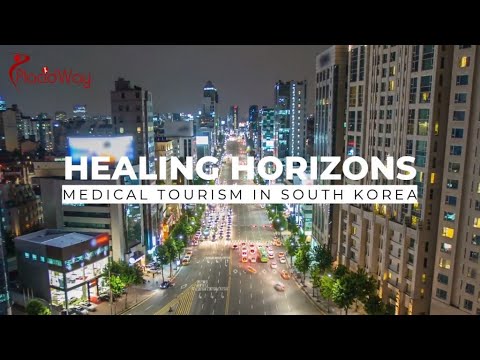
Seoulful Healing: Unveiling Excellence in Health Tourism in South Korea
Stem Cell Therapy
PlacidKorea
South Korea
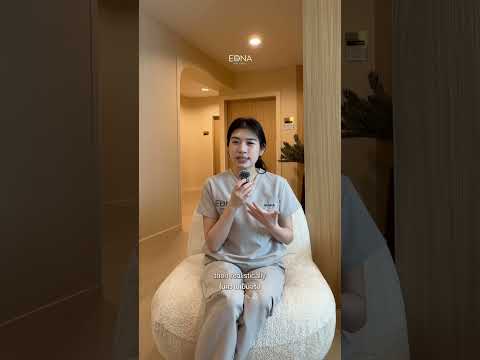
Can Stem Cell Treatment in Bangkok, Thailand Replace Surgery Explained by EDNA Wellness?
Stem Cell Therapy
EDNA Wellness - Surgeon-Led Stem Cell Clinic in Bangkok Thailand
Thailand

This Is the Idea Behind Regenerative Medicine in Bangkok, Thailand | EDNA Wellness
Stem Cell Therapy
EDNA Wellness - Surgeon-Led Stem Cell Clinic in Bangkok Thailand
Thailand

A Quick Look at Our Patient’s Experience at EDNA Wellness Stem Cell Clinic in Bangkok
Stem Cell Therapy
EDNA Wellness - Surgeon-Led Stem Cell Clinic in Bangkok Thailand
Thailand
Learn More with These Stem%Cell%Therapy Articles
Take a look at these interesting articles, stories and research that will help you learn more about Stem%Cell%Therapy.

The Deep Plane Shift: Why US Patients in their 50s are Choosing Seoul for Advanced Stem-Cell Integrated Facelifts and 'Glass Skin' Rejuvenation
PlacidWay Medical Tourism
- Stem Cell Therapy for Longevity
South Korea

The Exosome Era: Why Gangnam’s New ‘Cellular Reset’ is 2026’s Most Requested Regenerative Treatment for Global Travelers
PlacidWay Medical Tourism
- Stem Cell Therapy for Longevity
South Korea

Beyond the Surface: Why Japanese Patients are Choosing South Korea for Stem-Cell-Based Skin Therapy
PlacidWay Medical Tourism
- Stem Cell Therapy
South Korea

Degenerative Diseases in Malaysia? Stem Cells in Tokyo Are Offering a Revolutionary Non-Surgical Solution
PlacidWay Medical Tourism
- Stem Cell Therapy
Japan
Stem%Cell%Therapy Solutions Near You: Explore Top Medical Centers
Discover how Stem%Cell%Therapy is transforming lives at leading medical centers in , South Korea. Dive into center profile, specialties, doctors, reviews, etc. and explore the best options tailored to your needs in this region.
Allheart plastic surgery
Seoul, South Korea
Seoul Smart Bon Clinic in South Korea
Seoul, South Korea
Chaum Medical Center
Seoul, South Korea
Yonsei BH Clinic
Seoul, South Korea








Hospital attended by rich people in Cheongdam-dong, Gangnam
Read More