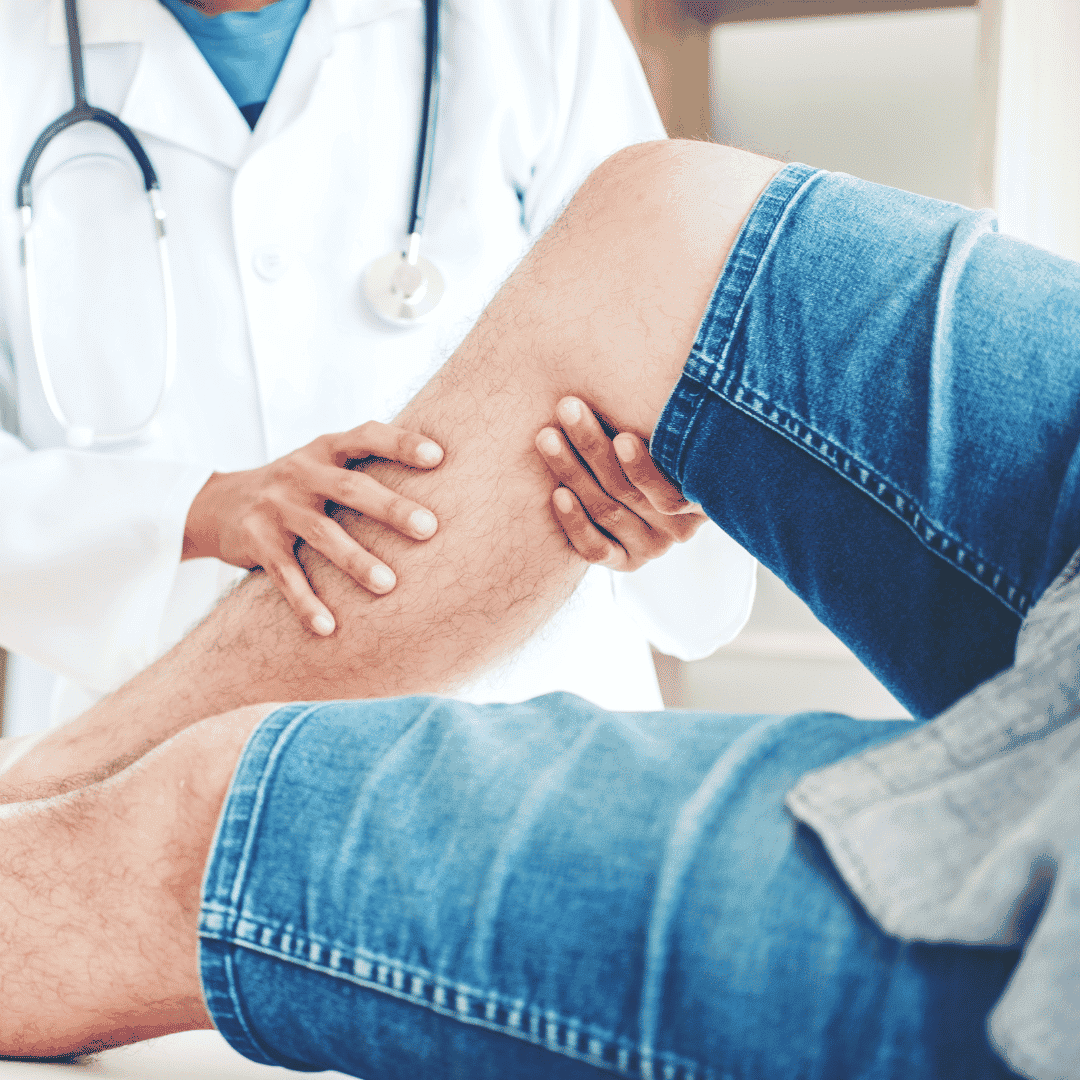
Stem Cell Therapy for Shoulder Pain in Thailand

Publish date: Sep 29, 2025 Modified date: May 29, 2026 Medically reviewed by: Dr. Alejandro Fernando on May 29, 2026 Author: Pinki Sharma

Experience Price

$2,550 Price starting from
Stem Cell Therapy for Shoulder Pain in Thailand

Contents

Are you tired of shoulder pain dictating your daily life, making even simple tasks like reaching for a shelf or sleeping through the night a challenge? For many, the choice used to be between endless physical therapy or invasive surgery with a long, painful recovery. Today, Thailand is changing that narrative. As a global leader in regenerative medicine, Thailand offers advanced stem cell therapies specifically designed to treat rotator cuff tears, osteoarthritis, and chronic bursitis without the need for a scalpel.

Choosing Thailand for your shoulder recovery means stepping into an ecosystem where high-tech labs meet five-star hospitality. The treatment focuses on using Mesenchymal Stem Cells (MSCs), which possess incredible anti-inflammatory properties and the ability to signal the body to repair damaged cartilage and tendons. Whether harvested from your own adipose tissue (fat cells) or sourced from high-purity umbilical cord tissue in world-class labs, these cells are injected with precision to restart your body’s natural healing process.

The Thai medical model is unique because it integrates traditional restorative wellness with cutting-edge biology. You aren't just getting an injection; you are entering a comprehensive program that often includes physical rehabilitation, specialized nutrition, and hyperbaric oxygen therapy—all designed to ensure the stem cells have the best possible environment to thrive.

If you are looking for an alternative to shoulder replacement or want to repair a persistent sports injury, Thailand’s specialized regenerative clinics offer a pathway back to mobility in one of the world’s most beautiful destinations.

!

Did You Know?

Thailand was the first country in Asia to receive JCI (Joint Commission International) accreditation. Today, it has over 60 JCI-accredited facilities, many of which house specialized regenerative medicine departments that adhere to the same stringent safety standards as the top hospitals in the United States and Europe.

Key Insights at a Glance

1
Precision Delivery:

Injections are performed using ultrasound or fluoroscopic guidance to ensure cells reach the exact site of injury.

2
No Hospitalization:

The procedure is minimally invasive and typically performed on an outpatient basis, meaning no overnight stays.

3
High Cell Viability:

Thailand’s labs are known for high viability rates, ensuring the stem cells injected are active and healthy.

4
Short Recovery:

Unlike surgery (6+ months), stem cell patients often return to light activity within days or weeks.

5
Legal and Safe:

Regenerative treatments in Thailand are regulated by the Ministry of Public Health, ensuring legal safety.

6
Multi-Joint Focus:

Many clinics allow for the treatment of both shoulders or additional joints in a single session.

FUN FACT

The Medical Concierge Culture

In Thailand, many clinics don't just treat your shoulder; they have "International Patient Centers" that handle everything from your visa extensions to recommending the best local spas. It’s the only place where your recovery period might include a world-class sunset view in Phuket or a visit to the historic temples of Bangkok.

Thailand is famous for bundling medical excellence with logistical ease. The leading clinics in cities like Bangkok and Phuket offer comprehensive all-inclusive packages designed to remove all the stress from your journey. These typically include the stem cell procedure, pre-operative blood work, imaging (like MRI or ultrasound), and post-op rehabilitation sessions. Browse our curated selection of packages to find a provider that offers the specific cell type and supportive therapies that match your recovery goals.

Note: All-inclusive packages often provide the best value by combining the treatment with dedicated recovery support and translation services.

`

Understanding the financial aspect is key to planning your medical travel. Thailand offers advanced regenerative treatments at a fraction of the cost of similar therapies in North America or Australia. In the table below, you can see a transparent breakdown of average costs for various stem cell protocols in Thailand. While prices are highly competitive, they reflect the use of premium laboratory standards and specialized medical talent. Use this data to help you budget for your procedure and any additional wellness therapies you might choose.

Tip: Always inquire about the "cell count" provided in the quote, as this is a primary factor in the final price and treatment efficacy.

Stem Cell Therapy for Shoulder Centers Cost Comparison in Thailand

Provider Procedure Price
Vega Stem Cell Clinic in Bangkok Thailand Stem Cell Therapy for Shoulder , Stem Cell Therapy $2550

Stem Cell Therapy for Shoulder Cost Comparison in Thailand

Country Procedure Price
United States Stem Cell Therapy for Shoulder , Stem Cell Therapy $35000

Your results depend on the quality of the laboratory and the skill of the physician. We have identified several premier medical centers across Thailand—ranging from high-end regenerative boutiques to major multi-specialty hospitals—that are world-renowned for their work in orthopedic stem cell therapy. These centers are vetted for their state-of-the-art infrastructure, adherence to international sterilization protocols, and patient success rates. Explore the profiles below to learn more about each facility's unique approach to shoulder repair.

Safety First: Look for centers with their own in-house ISO-certified cell processing laboratories for maximum quality control.
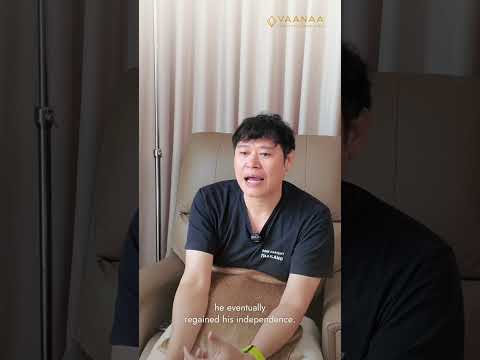
Nothing provides peace of mind like hearing from someone who has already been there. The video testimonials featured below showcase real patients who traveled to Thailand to address chronic shoulder pain. Watch as they discuss their decision-making process, the actual experience of the injection, and the timeline of their functional improvement. These stories offer an authentic look at the medical journey and the life-changing results achieved by Thai specialists.

Insight: Patient videos often provide valuable tips on what to pack and how to navigate the recovery phase in Thailand.
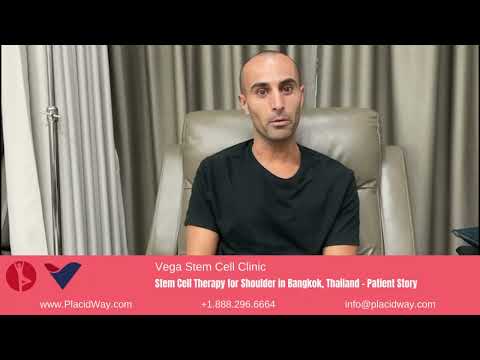
Verified patient reviews highlight why Thailand remains a top choice for regenerative medicine. Beyond the medical outcome, patients consistently praise the "warmth" of the staff and the unhurried nature of the consultations. In this section, you can read honest feedback regarding clinical results, facility hygiene, and the overall value of the experience. Use these ratings to help you choose a clinic that resonates with your personal standards of care.

Review Tip: Pay attention to reviews from patients who have similar conditions to yours, such as rotator cuff tears or arthritis.

Is stem cell therapy safe for treating shoulder pain?

Yes, stem cell therapy is generally considered safe, particularly when using autologous (your own) or high-quality allogeneic cells from umbilical cord tissue. In Thailand, clinics use Mesenchymal Stem Cells (MSCs), which have a low risk of rejection or side effects. Because the procedure is minimally invasive—requiring only an injection rather than a surgical incision—the risk of infection and anesthesia-related complications is significantly lower than traditional surgery. Thai clinics also adhere to strict JCI or ISO standards, ensuring that cell processing occurs in a sterile, government-monitored environment.

How long does it take to see results after the procedure?

Unlike a steroid shot which offers immediate but temporary relief, stem cells work by repairing tissue, which takes time. Most patients in Thailand report an initial reduction in inflammation within the first 2-4 weeks. However, significant structural repair and functional improvement usually peak between 3 to 6 months after the injection. This timeline varies based on the severity of the shoulder injury and the patient's adherence to post-op physical therapy. The results are intended to be long-lasting because the treatment addresses the root cause of the pain rather than just masking the symptoms.

What is the success rate for rotator cuff repair with stem cells?

Success rates are high, particularly for partial tears and chronic inflammation. Many Thai specialists report success rates exceeding 75-80% in terms of significant pain reduction and increased range of motion. It is important to note that "success" means avoiding surgery and returning to daily activities without pain. For complete tears where the tendon has fully detached from the bone, stem cells may be used as an adjunct to surgery to speed up healing rather than a standalone replacement. A detailed MRI review by a Thailand specialist is the best way to determine your specific success probability.

How much does stem cell therapy cost in Thailand?

Cost is one of the main reasons patients choose Thailand. A typical stem cell treatment for shoulder pain in Thailand ranges from $5,000 to $12,000, depending on the cell source (adipose vs. umbilical cord) and the cell count. In comparison, similar treatments in the US or Canada can cost between $10,000 and $25,000, and are rarely covered by insurance. The lower price in Thailand is due to lower operating costs and a highly efficient medical tourism infrastructure, allowing you to access premium, laboratory-expanded cells that are often unavailable in many Western clinics.

Are there any risks or side effects?

The risks are minimal compared to surgery. The most common side effects are temporary soreness, swelling, or redness at the injection site, which typically resolves within 48-72 hours. Because MSCs are immune-privileged, the risk of an allergic reaction or "rejection" is extremely low. However, as with any injection, there is a very small risk of infection. This is why it is crucial to choose a licensed, accredited clinic in Thailand that follows international sterile protocols. Reputable Thai doctors will conduct a thorough screening to ensure you don't have active infections or contraindications.

What is the difference between Adipose and Bone Marrow stem cells?

In Thailand, both are available. Adipose-derived stem cells are harvested from your own fat tissue, which is abundant in MSCs and involves a very simple, painless harvest. Bone marrow-derived stem cells (BMAC) involve a slightly more invasive harvest from the hip bone. Many Thai clinics now prefer "Umbilical Cord-derived MSCs" (UC-MSCs) because they are "younger" cells with higher proliferative capacity and do not require a harvesting procedure from the patient. Your Thai specialist will recommend the best source based on your age, health status, and the specific nature of your shoulder injury.

Am I a good candidate for this treatment?

Ideal candidates are those with chronic shoulder pain due to arthritis, labral tears, or rotator cuff injuries who want to avoid or delay surgery. Patients who haven't found relief through physical therapy or cortisone injections are often excellent candidates. However, if you have active cancer, severe blood disorders, or a complete tendon rupture that requires mechanical reattachment, you may not be suitable. The best way to know is to submit your recent MRI or X-ray reports for a free remote evaluation by a Thai specialist via PlacidWay.

How long do I need to stay in Thailand?

While the actual procedure only takes 1-2 hours, we typically recommend a stay of 5 to 7 days in Thailand. This allows time for a thorough pre-op consultation, the procedure itself, and a follow-up assessment to ensure there is no acute reaction before you fly home. Rushing back onto a long-haul flight immediately after an injection is not ideal, as cabin pressure and immobility can increase swelling. A week allows you to rest and even begin a light rehabilitation program under the clinic's supervision.

Is the procedure painful?

The procedure is minimally invasive and performed under local anesthesia. You may feel a slight pinch during the numbing process and some pressure during the injection into the joint space. Most patients describe it as being similar to a standard cortisone shot or blood draw. If cells are being harvested from your fat, a small amount of local numbing is used, and the discomfort is comparable to a minor dental procedure. Most patients are able to walk out and return to their hotel immediately afterward.

What is the follow-up process like after I return home?

Post-treatment care is vital for success. Most Thai clinics provide a detailed "Home Care Manual" and a personalized physical therapy schedule to share with your therapist at home. You will typically have scheduled video follow-up calls at the 1-month, 3-month, and 6-month marks to monitor your progress. The medical team in Thailand remains available via email or messaging apps to answer any questions or review follow-up imaging if needed, ensuring a continuous bridge of care across borders.

Where Can Shoulders Stem Cell Therapy Improve Mobility in Thailand?

In Thailand, shoulder stem cell therapy may help improve mobility for patients with osteoarthritis, rotator cuff injuries, and cartilage damage. Major medical hubs like Bangkok and Phuket offer these regenerative treatments for eligible patients. Living with chronic shoulder pain can severely limit your daily life. Simple tasks like reaching for a high shelf, brushing your hair, or getting dressed can become painful hurdles. For patients exploring alternatives or supportive treatments to standard orthopedic care, shoulder stem cell therapy in Thailand has emerged as an option worth investigating. This approach falls under the umbrella of regenerative medicine, focusing on harnessing the body’s own biological materials to potentially ease inflammation and support joint healing. Key Takeaways Regenerative treatments in Thailand primarily target partial rotator cuff tears, tendinopathy, and mild to moderate osteoarthritis. Bangkok, Phuket, and Chiang Mai are the primary locations offering specialized orthopedic care for international patients. The therapy involves using your own cells (autologous), typically extracted from bone marrow or fat tissue. Outcomes vary widely; while some experience improved mobility, the treatment is not a cure and may not benefit severe, bone-on-bone arthritis. Proper preparation includes sending recent MRI scans to specialists and arranging for local follow-up care in your home country. What Shoulder Conditions Are Treated with Stem Cell Therapy in Thailand? In Thailand, regenerative treatments often target degenerative conditions like early osteoarthritis, partial rotator cuff tears, tendinopathy, and localized cartilage defects. The shoulder is an incredibly complex and mobile joint, relying on a delicate network of tendons, muscles, and cartilage. When these tissues degrade due to age, repetitive stress, or injury, mobility decreases significantly. Specialists evaluating patients for these procedures focus primarily on non-surgical or pre-surgical conditions. Osteoarthritis of the shoulder occurs when the protective cartilage on the ends of your bones wears down over time. For patients with mild to moderate wear, orthobiologics (including stem cells and platelet-rich plasma) are sometimes used in an attempt to alter the inflammatory environment inside the joint capsule. Similarly, partial tears of the rotator cuff—the group of muscles and tendons that stabilize the shoulder—may be treated with targeted injections to encourage localized tissue repair. It is crucial to understand that a completely retracted tendon tear will not reconnect through injections and typically requires surgical intervention. How Does Stem Cell Therapy Aim to Improve Shoulder Mobility? Stem cell therapy aims to reduce joint inflammation and support the body's natural healing mechanisms, which may help ease stiffness and improve range of motion. Loss of mobility in the shoulder is frequently tied to chronic inflammation and swelling within the joint space. When you experience a degenerative condition, your body can get stuck in a cycle of inflammation that breaks down healthy tissue faster than it can be repaired. Mesenchymal stem cells (MSCs) are multipotent cells capable of differentiating into various cell types, including bone and cartilage cells. However, current medical understanding suggests their primary benefit in joint injections is not necessarily growing brand-new cartilage. Instead, these cells release specific proteins and growth factors called cytokines. These substances communicate with surrounding tissues to help modulate the immune response, potentially calming the chronic inflammation that causes stiffness and pain. If the swelling subsides and the tissue environment stabilizes, you may find it easier to participate in physical therapy, which is the true driver of long-term mobility improvement. Which Cities in Thailand Are Popular for Shoulder Stem Cell Treatments? Bangkok, Phuket, and Chiang Mai serve as the primary hubs where patients can find experienced medical professionals offering these regenerative procedures. Thailand has structured its healthcare system to accommodate a massive influx of international patients. The geographic location you choose often depends on your logistical preferences and whether you want an urban or coastal environment for your initial recovery. Bangkok: The capital city is home to the highest concentration of internationally accredited medical centers. Here, you will find comprehensive orthopedic departments equipped with advanced laboratories for cell processing and imaging. Phuket: Known for its coastal setting, Phuket offers several modern facilities that blend orthopedic care with a relaxed, recovery-focused environment. Many patients prefer the slower pace for resting after joint injections. Chiang Mai: Located in the mountainous north, this city provides a cooler, quieter alternative to Bangkok. It hosts several reputable facilities with specialized sports medicine and regenerative medicine departments. What Is the Estimated Shoulder Stem Cell Therapy Cost in Thailand? The shoulder stem cell therapy cost in Thailand typically ranges from $4,000 to $8,000, though prices vary depending on the extraction method and complexity of the treatment. Pricing for regenerative medicine can be highly variable. The estimated costs mentioned are for the medical procedure itself and do not include airfare, accommodation, or extended physical therapy. Factors that influence the final price include: Source of Cells: Extracting stem cells from bone marrow (Bone Marrow Aspirate Concentrate) versus adipose (fat) tissue can alter the cost due to the different processing techniques required in the lab. Additional Orthobiologics: Sometimes, doctors combine stem cell injections with Platelet-Rich Plasma (PRP) to potentially enhance the cellular environment, which adds to the total cost. Diagnostic Imaging: If your home MRIs are outdated, you may need fresh imaging (MRI, CT, or ultrasound) upon arrival, which will be billed separately. Important Consideration: Always request a detailed, itemized estimate from your provider before traveling. Ensure you understand what is included, such as lab fees, physician fees, ultrasound guidance, and follow-up consultations. Am I a Suitable Candidate for a Shoulder Stem Cell Clinic in Thailand? Finding the right shoulder stem cell clinic in Thailand begins with an assessment to confirm you have a mild to moderate joint condition and are healthy enough for the procedure. Not everyone with shoulder pain will benefit from stem cell therapy. Responsible medical providers will screen you thoroughly to ensure the treatment aligns with your specific pathology. Ideal candidates usually have mild to moderate structural damage where the joint retains enough space and integrity to respond to treatment. You may be advised against this therapy if you fall into certain categories. Absolute contraindications typically include active infections, blood-borne diseases, or active cancer. Furthermore, if you have severe "bone-on-bone" osteoarthritis where the joint space has completely collapsed, cellular therapy is highly unlikely to provide meaningful improvement in mobility. In such advanced cases, traditional surgical options like a total shoulder arthroplasty (replacement) are usually the recommended standard of care. What Should I Expect During the Procedure? The procedure usually involves harvesting your own stem cells, processing them in a laboratory, and then carefully injecting them into your shoulder joint under ultrasound guidance. The entire process is typically performed on an outpatient basis over one or two days. Because autologous cells are used, the first step is extraction. If bone marrow is used, the physician will numb an area on your pelvis (iliac crest) and draw a small amount of marrow. If adipose tissue is used, a mini-liposuction procedure is performed, usually on the abdomen or flanks, under local anesthesia. Once harvested, the biological material is taken to a sterile laboratory setting. A centrifuge is used to separate and concentrate the mesenchymal stem cells and growth factors from the rest of the tissue. Finally, the physician cleans your shoulder and uses real-time ultrasound or fluoroscopic guidance to inject the concentrated cells precisely into the damaged tendon or joint capsule. Using imaging guidance is a critical step, as a "blind" injection may miss the target tissue entirely. How Long Is the Recovery Period After Shoulder Injections? Patients often experience initial soreness for a few days, followed by a gradual rehabilitation phase where mobility may slowly improve over several weeks or months. Recovery from an injection is vastly different from surgical recovery, but it still requires patience and discipline. In the first 48 to 72 hours, it is common to experience a temporary increase in pain, stiffness, and swelling in the shoulder. This is considered a normal inflammatory response to the injection. You will likely be instructed to rest the joint and avoid anti-inflammatory medications (like ibuprofen), as they may interfere with the biological healing process. By the second week, most patients begin a structured physical therapy regimen. The goal is to gradually reintroduce movement, prevent scar tissue formation, and strengthen the supporting muscles of the rotator cuff. Meaningful improvements in mobility do not happen overnight; if the therapy is successful, patients typically notice functional changes between the two-month and six-month marks. Recovery Phase Typical Timeline Patient Activity Focus Acute Phase Days 1-3 Rest, managing injection-site soreness, avoiding NSAIDs. Early Mobility Weeks 1-4 Gentle, guided passive range of motion exercises. Strengthening Months 1-3 Active physical therapy, rebuilding rotator cuff strength. Evaluation Months 3-6 Assessing total mobility improvement and symptom relief. What Are the Potential Risks and Side Effects? While generally considered well-tolerated when using your own cells, risks include injection site pain, swelling, infection, and the possibility that the treatment may not improve your symptoms. Every medical procedure carries inherent risks, and regenerative medicine is no exception. Because the most common protocols utilize your own autologous cells, the risk of an allergic reaction or tissue rejection is remarkably low. However, the procedures used to harvest and inject the cells can lead to complications. Potential risks include bleeding or bruising at the harvest site (pelvis or abdomen) and the injection site (shoulder). There is also a small risk of joint infection whenever a needle breaches the skin and enters the joint capsule. Perhaps the most common risk patients face is a lack of efficacy. You must be prepared for the possibility that the procedure may not yield the mobility improvements you hope for, ultimately requiring you to pursue traditional surgical options. Why Do Patients Choose Medical Tourism in Thailand for Regenerative Medicine? Many international patients explore medical tourism in Thailand because it combines access to modern healthcare facilities with the opportunity to recover in a warm, comfortable environment. Over the past two decades, Thailand has strategically developed its healthcare infrastructure to serve both domestic and international populations. The country boasts numerous medical centers that adhere to high standards of hygiene, technology, and patient care. For regenerative medicine specifically, many providers in Thailand have invested in specialized orthopedic equipment, including high-resolution imaging and sterile cell-processing laboratories. Furthermore, the supportive environment—ranging from comprehensive health check-ups to in-house physiotherapy centers—allows patients to manage their acute recovery phase before undertaking a long flight home. The combination of multidisciplinary medical care and a focus on patient experience drives many to seek care here. How Should I Prepare for Shoulder Stem Cell Therapy in Thailand? Preparing for shoulder stem cell therapy in Thailand requires gathering your recent imaging, sharing your full medical history with your provider, and planning your travel logistics carefully. Adequate preparation is vital for your safety and the potential success of your treatment. Begin by obtaining a clear, recent MRI of your shoulder (usually no older than six months). You will need to securely transmit these images to the medical team in Thailand so they can evaluate your joint structure before you book a flight. You must also provide a comprehensive medical history. Disclose all medications you take, particularly blood thinners or NSAIDs, as you will likely need to pause these prior to the extraction and injection. Finally, consult with your primary care physician or local orthopedist at home. It is crucial to have a medical professional available in your home country who is aware of your treatment and can assist with long-term physical therapy and monitor for any delayed complications once you return. Why Choose PlacidWay for Medical Tourism in Thailand? Navigating healthcare options abroad requires accurate information. PlacidWay assists patients by providing an educational platform to explore their choices. ? Offers a centralized platform to compare various healthcare providers and orthopedic departments in Thailand. ? Provides access to preliminary information regarding various regenerative treatments and estimated cost ranges. ? Facilitates direct digital communication between international patients and medical teams. ? Helps patients gather necessary details about facility accreditations and physician specialties. ? Supports informed decision-making by supplying educational resources on orthopedic health and procedures. Frequently Asked Questions How soon might I notice changes in shoulder mobility after the injection? Many patients do not feel immediate improvement. It typically takes anywhere from four to twelve weeks for the initial inflammation to subside and for potential functional improvements in mobility to become noticeable. Are stem cells used in Thailand typically from my own body? Yes, the most commonly used approach involves autologous stem cells. These are harvested directly from your own bone marrow or adipose (fat) tissue, which lowers the risk of allergic reactions or rejection. Can shoulder stem cell therapy completely heal a torn rotator cuff? Stem cell therapy is not a guaranteed cure and cannot fully reconnect a completely torn rotator cuff tendon. It is most often used for partial tears or to support healing after surgical repair. Will I need physical therapy in Thailand after the procedure? You may begin light physical therapy shortly after treatment. Many international patients start their initial rehabilitation with a physiotherapist in Thailand before transitioning to a home-based program under the guidance of their local doctor. Are multiple injections required for shoulder osteoarthritis? The number of injections depends on the severity of your joint degeneration and the specific protocol recommended by your specialist. Some patients receive a single injection, while others may require a series over several months. How do Thai medical regulations handle regenerative therapies? The Thai Medical Council provides guidelines for regenerative medicine, primarily supporting the use of autologous (self-derived) stem cells for specific orthopedic conditions. Always ensure your chosen provider adheres to these national regulations. Is it safe to fly home immediately after shoulder stem cell treatment? Doctors usually advise waiting a few days before taking a long-haul flight. Flying immediately can increase discomfort and swelling, so a brief observation period in your destination city is recommended. What happens if I experience a flare-up after returning home from Thailand? You should establish a relationship with a local orthopedic specialist before you travel. If complications or severe flare-ups occur back home, your local doctor can evaluate the joint and provide necessary care. Can this therapy replace shoulder replacement surgery? For patients with severe, bone-on-bone osteoarthritis, stem cell therapy cannot reverse the damage or replace a joint replacement. It may offer temporary pain relief for some, but surgery often remains the definitive treatment for advanced cases. Do I need an MRI before traveling to Thailand for treatment? Yes, providing recent MRI scans and X-rays is highly recommended. These images allow specialists in Thailand to evaluate your joint thoroughly and determine if you are a suitable candidate before you commit to travel. Explore Your Orthopedic Options Gather more information about treatments, review estimated costs, and connect with healthcare providers to see if this therapy aligns with your medical needs. Request Treatment Information References Orthobiologics – American Academy of Orthopaedic Surgeons (AAOS) Mesenchymal Stem Cells in the Treatment of Joint Disease – National Center for Biotechnology Information (NCBI) Information About Regenerative Medicine Therapies – U.S. Food and Drug Administration (FDA) Traveler's Health: Thailand – Centers for Disease Control and Prevention (CDC) Stem Cell Therapy for Arthritis – Arthritis Foundation Patient Resources on Cell and Gene Therapy – International Society for Cell & Gene Therapy (ISCT) Medical Disclaimer: The information provided in this article is for educational and informational purposes only and does not constitute medical advice, diagnosis, or treatment planning. Outcomes, risks, and recovery times for cellular therapies vary significantly based on individual patient health, severity of the condition, and the specific protocol utilized. Cellular treatments are not a guaranteed cure and may not be suitable for all patients. Always consult with a qualified, appropriately licensed healthcare provider or orthopedic specialist before making any decisions regarding your medical care or traveling for treatment.

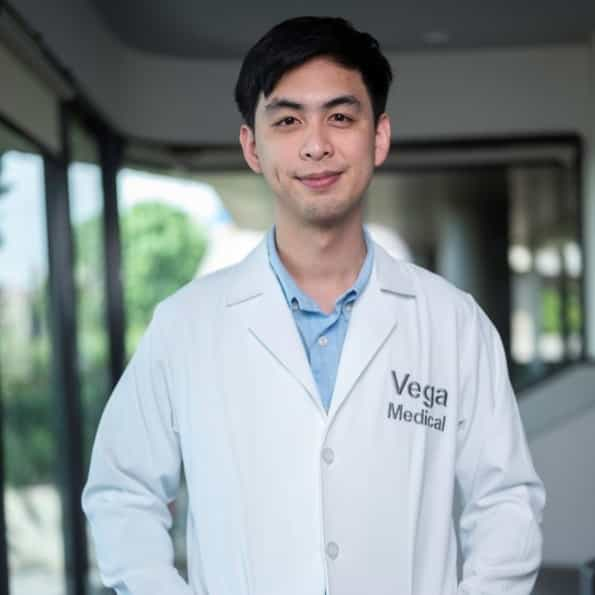
In Thailand, regenerative medicine is a highly specialized field. The doctors we recommend are pioneers who often hold post-graduate qualifications from American or European universities. They combine the precision of an orthopedic surgeon with the advanced knowledge of a cellular biologist, ensuring your shoulder receives the most effective treatment plan.

1

Orthopedic Regenerative Experts

Board-Certified Specialists

These specialists focus specifically on non-surgical joint repair. They are experts in using ultrasound guidance to ensure that stem cells are delivered directly into the rotator cuff or joint capsule, maximizing the chances of successful tissue regeneration.

2

Anti-Aging & Wellness Pioneers

AABB & ISO Laboratory Leaders

Leading the laboratories, these specialists ensure the purity and potency of the cells. They oversee the cultivation of Mesenchymal Stem Cells in clean-room environments that meet international standards, ensuring you receive the highest therapeutic dose possible.

3

Multidisciplinary Support Teams

Holistic Recovery Management

Success isn't just about the injection. The top centers in Thailand provide access to physical therapists and nutritionists who specialize in musculoskeletal health, working together to create an optimized environment for your shoulder to heal.
1

Advanced Regulatory Framework

Thailand has developed a sophisticated legal and medical infrastructure for regenerative medicine. Unlike many countries where stem cell therapy exists in a legal "gray area," Thailand has clear regulations enforced by the Ministry of Public Health.

This framework allows for the operation of world-class, ISO-certified laboratories where cells can be legally expanded and concentrated to reach high therapeutic doses that are often restricted in the US or Europe.

2

Incredible Cost Efficiency

Medical tourism in Thailand offers a "premium for less" experience. Patients can access the latest generation of umbilical cord-derived MSCs and receive care in facilities that resemble luxury resorts for 50-70% less than the cost of basic treatments in the West.

This affordability allows patients to afford comprehensive packages that include imaging, multiple injections, and specialized rehabilitation that would be financially prohibitive elsewhere.

3

The Restorative Environment

Stress is the enemy of healing. Thailand’s natural beauty and culture of hospitality provide the perfect psychological backdrop for recovery. Recovering from a shoulder procedure while enjoying a tropical climate, nutrient-rich Thai cuisine, and a peaceful atmosphere can significantly enhance the wellness journey.

The ease of travel—with visa-on-arrival for many countries and a highly tourism-oriented economy—makes Thailand a low-friction choice for those looking to focus entirely on their health.

Regenerating your health abroad is a significant step, and you shouldn't take it alone. PlacidWay acts as your trusted partner, bridging the gap between you and Thailand’s elite regenerative clinics. We handle the complexity so you can focus on your recovery.

Rigorous Clinic Vetting

We pre-screen facilities for government licensing, laboratory certifications, and international safety accreditations to ensure you are in safe hands.

Information Transparency

We provide you with clear, itemized cost breakdowns and detailed clinic profiles, empowering you to make an informed, data-driven choice.

Direct Specialist Access

We facilitate video consultations with Thai regenerative specialists, allowing you to discuss your case and ask questions before leaving home.

Personalized Planning

We assist in coordinating your medical schedule, ensuring that your consultations, treatment, and follow-ups are efficiently organized.

Authentic Patient Insights

We provide access to verified patient reviews and before-and-after case studies, giving you a realistic expectation of potential outcomes.

Patient Advocacy

Our team is available to support you throughout the inquiry process, acting as your liaison with the medical center to ensure your needs are met.

Ready to reclaim your mobility? Contact PlacidWay today for a free, personalized consultation and start your journey to a pain-free life in Thailand.

Get Your Free Personalized Quote

Stem Cell Therapy for Shoulder Pain in Thailand thumbnail

About Experience

  • Translations: EN AR TL ID JA KO RU TH VI ZH
  • Price Range: $2,550 - $2,550
  • Treatment: Stem Cell Therapy for Shoulder , Stem Cell Therapy
  • Location: Thailand
  • Clinics: Surecell Medical Clinic, Vega Stem Cell Clinic in Bangkok Thailand, WIH Hospital, EDNA Wellness - Surgeon-Led Stem Cell Clinic in Bangkok Thailand, Mousai Wellness Center - Stem Cell Bangkok Thailand, Boston Health Longevity - Anti Aging Stem Cell Therapy in Thailand,
  • Doctors Surasak Jirapornchai, Dr. Chollawat Thongthaisi, Dr. Sirintip Jira-Adsai,
  • Packages Stem Cell Treatment for Shoulder Osteoarthritis Package in Bangkok, Thailand by Vega Clinic,
  • Overview Stem Cell Thailand for Faster Shoulder Pain Recovery

Trusted Medical Tourism Platform Since 2007

60+
Countries
2k+
Clinics
19.5k+
Reviews
2.5k+
Qualified Doctors
1.1M+
Patients Served Since 2007