
What treatment


3+ Best Clinics for Stem Cell Treatment for Muscular Dystrophy in South Korea
Trusted Medical Tourism Platform Since 2007
What are the best stem cell therapy clinics for muscular dystrophy in South Korea?
The top medical facilities for stem cell treatment in South Korea are Chaum Medical Center (Seoul), Seoul Smart Bon Clinic (Seoul), and Yonsei BH Clinic (Seoul).
These facilities operate under the strict guidelines of the Korean Ministry of Health and Welfare and process cells in GMP-certified laboratories. Using advanced mesenchymal stem cells (MSCs), they specialize in regenerative therapies for muscular dystrophy, Parkinson's disease, dementia, and anti-aging. Comprehensive treatment packages generally start at approximately $33,000 USD, which includes comprehensive evaluations, targeted stem cell administration, and integrated rehabilitation support.
 100.00% Patient Recommend
Chaum Medical Center


Overview
Premium healthcare at Chaum Medical Center, Seoul. Personalized anti-aging, stem cell therapy, and advanced medical services for a youthful life.
Read more details
Seoul Smart Bon Clinic in South Korea

Overview
Discover advanced care at Spine, Neurology & Stem Cell Clinic in South Korea by Seoul Smart Bon Clinic with innovative treatments for lasting recovery.
Read more details
Yonsei BH Clinic


Overview
Yonsei BH Clinic offers advanced stem cell therapy in Seoul, South Korea, for erectile dysfunction, anti-aging, Parkinson disease, dementia, diabetes, and more.
Read more details
Allheart plastic surgery
AllHeart Plastic Surgery in Gangnam specializes in advanced cosmetic procedures, offering expert care in a modern facility for natural and safe results.


Why South Korea is the Premier Destination for Stem Cell Therapy for Muscular Dystrophy?
South Korea merges globally recognized biotechnology with rigorous medical standards. Here is why patients seeking advanced regenerative solutions for progressive muscle-wasting conditions choose this technological hub.
Advanced Biotech & Research Hub
South Korea is a global leader in biotechnology and stem cell research. Clinics utilize state-of-the-art laboratories to cultivate highly concentrated, highly viable mesenchymal stem cells specifically targeted for neuromuscular regeneration, offering protocols often unavailable in Western countries.
Stringent Safety Standards
The Korean Ministry of Food and Drug Safety (KFDA) enforces some of the world's strictest medical and laboratory regulations. Patients traveling for neuromuscular therapies benefit from rigorous cell screening, Good Manufacturing Practice (GMP) compliant labs, and internationally accredited hospital environments.
Comprehensive Neurological Care
Korean medical centers do not just offer standard injections; they provide holistic, multidisciplinary care. Patients receive integrated treatments including cutting-edge robotic-assisted physical rehabilitation, hydrotherapy, and nutritional support to maximize the engraftment and efficacy of the cellular treatment.
World-Class Infrastructure
Cities like Seoul boast ultra-modern, highly accessible medical infrastructure. Traveling patients with severe mobility challenges will find specialized patient coordinators, barrier-free hospital designs, and a seamless healthcare experience tailored specifically for international visitors seeking complex care.
Costs of Stem Cell Therapy for Muscular Dystrophy in South Korea vs. United States (2026)
Compare projected 2026 pricing for comprehensive neuromuscular regenerative protocols. South Korean medical centers provide transparent, all-inclusive packages tailored to the specific type of dystrophy and the required volume of cellular administration.
| Procedure | South Korea Price | US / UK Price | You Save | Savings % |
|---|---|---|---|---|
| Initial Stem Cell Neurological Evaluation | $2,000–$3,500 | $8,000–$12,000 | $6,000+ | 70% |
| Intravenous (IV) MSC Therapy (Single Session) | $6,000–$9,000 | $15,000–$25,000 | $9,000+ | 60% |
| Targeted Intramuscular Stem Cell Injections | $5,000–$8,000 | $12,000–$20,000 | $7,000+ | 58% |
| Comprehensive MD Protocol (Multi-Dose + Rehab) | $18,000–$28,000 | $50,000–$80,000 | $32,000+ | 64% |
* Prices are 2026 estimates based on verified PlacidWay partner hospitals in South Korea. Total costs vary significantly depending on the patient's age, disease progression, required cell volume (millions of cells), length of required rehabilitation, and diagnostic tests. Request a free quote for customized pricing.
Seoul vs. Alternative South Korean Cities for Muscular Dystrophy Care
While the entire country maintains high medical standards, different cities offer distinct advantages for patients undergoing intensive regenerative protocols.
Seoul
The Capital of Innovation
The epicenter of Korean medical tourism, offering the highest concentration of specialized neurology institutes and cutting-edge stem cell laboratories. Ideal for patients seeking the absolute highest tier of internationally renowned experts and multi-disciplinary hospital systems.
Busan
Southern Medical Center
South Korea's second-largest city provides world-class medical facilities combined with a more relaxed, coastal atmosphere. It is an excellent choice for patients requiring long-term rehabilitation stays who prefer to avoid the intense bustle of the capital.
Incheon
Gateway City
Home to the primary international airport, making it incredibly convenient for patients with severe mobility limitations caused by muscular dystrophy. It minimizes ground travel time while still offering access to exceptional smart-hospitals and dedicated international clinics.
Daegu
Technology & Research Hub
Officially recognized as a medical technology center, Daegu focuses heavily on advanced research and clinical trials. It frequently offers highly competitive pricing for rigorous regenerative treatments without compromising on clinical safety or laboratory quality.
Options for Stem Cell Therapy for Muscular Dystrophy in South Korea
Because muscular dystrophy is a systemic condition, South Korean specialists utilize various administration methods and combination therapies to target muscle degeneration effectively.
Systemic Intravenous (IV) MSC Therapy
$6,000 – $9,000Delivers high volumes of mesenchymal stem cells directly into the bloodstream. This foundational treatment aims to reduce systemic inflammation, modulate the immune system, and deliver regenerative factors to muscle tissues body-wide to slow overall disease progression.
Save $9,000+ vs. US prices
Targeted Intramuscular Injections
$5,000 – $8,000For patients experiencing severe weakness in specific muscle groups (like the quadriceps or shoulders), specialists inject stem cells directly into the affected tissue. This concentrated approach delivers growth factors locally to stimulate localized muscle fiber repair.
Save $7,000+ vs. US prices
Intrathecal Stem Cell Administration
$8,000 – $12,000Under expert guidance, stem cells are injected into the spinal fluid. This allows the cells to bypass the blood-brain barrier and interface directly with the central nervous system, addressing neurological deficits associated with certain complex forms of dystrophy.
Save $10,000+ vs. US prices
Comprehensive Neuromuscular Protocol
$18,000 – $28,000An intensive, multi-modal approach executed over several weeks. It combines multiple IV doses, intramuscular injections, and extensive robotic rehabilitation therapy designed to maximize cellular engraftment and produce tangible functional recovery in patients.
Save $32,000+ vs. US prices
How to Choose a Clinic for Stem Cell Therapy for Muscular Dystrophy in South Korea?
Selecting the right medical center is critical for managing a complex condition like muscular dystrophy. Follow this essential checklist when evaluating South Korean hospitals.
Verify KFDA Regulatory Compliance
Ensure the clinic adheres strictly to the Korean Food and Drug Administration guidelines for cellular expansion. Legitimate facilities will transparently share their lab certifications, ensuring you receive sterile, legally approved biologic treatments.
Evaluate Neurological Expertise
Muscular dystrophy requires highly specialized care. The treating physicians must be board-certified neurologists or experts in neuromuscular disorders with dedicated, ongoing training in advanced regenerative medicine protocols.
Ask About Cell Culturing Standards
Inquire about the cell source (e.g., ethically sourced umbilical cord tissue) and the lab's Good Manufacturing Practice (GMP) status. High viability and purity of the expanded mesenchymal stem cells are critical for therapeutic efficacy.
Look for Integrated Rehabilitation
Stem cells require stimulation to function optimally. The top South Korean hospitals incorporate customized physical therapy, robotic gait training, and nutritional counseling to activate the newly introduced cells and rebuild muscle function.
Utilize a Trusted Medical Facilitator
Navigating South Korea's advanced healthcare system is easier with an expert. PlacidWay connects you exclusively with pre-vetted, English-accommodating clinical facilities that specialize in international patient care.
Your Path to Treatment in South Korea
Understanding the medical process provides peace of mind. Here is a typical timeline for patients traveling for comprehensive neuromuscular regenerative therapies.
Step 1: Case Review & Virtual Consultation
Submit your genetic testing, EMG results, and current mobility status. South Korean neurologists review your specific type of muscular dystrophy to determine candidacy and design a customized, preliminary treatment protocol.
Step 2: Arrival & Comprehensive Diagnostics
Upon arriving in South Korea, dedicated coordinators guide you through hospital admission. You will undergo extensive baseline testing, including blood work and muscle function assessments, to finalize the exact cellular dosage required.
Step 3: Cellular Administration
Over the course of a few days to weeks, you will receive your scheduled therapies. This may include systemic IV drips, precise intramuscular injections into weakened areas, or specialized intrathecal delivery, all performed in strictly sterile environments.
Step 4: Integrated Robotic Rehabilitation
Following the administration, you will participate in an intensive rehabilitation phase. Utilizing advanced Korean robotic exoskeletons and physiotherapy, this crucial step helps activate the stem cells, encouraging new muscle fiber growth and preventing atrophy.
Step 5: Ongoing Monitoring & Return Home
Before departure, you are provided with a long-term home care plan. The medical team will conduct scheduled virtual follow-ups to track improvements in energy levels, motor function, and disease stabilization over the subsequent 3 to 6 months.
Stem Cell Therapy for Muscular Dystrophy in South Korea FAQ
Detailed answers to common questions regarding advanced regenerative protocols for neuromuscular diseases in South Korea.
What Families Say About Neuromuscular Care in South Korea
Read firsthand accounts from individuals who sought out South Korea's advanced biotechnology to address progressive muscle disorders.
"Traveling to Seoul for my son's Duchenne muscular dystrophy was the best decision we made. The level of neurological care and the advanced lab facilities gave us hope we couldn't find at home. After completing his systemic cellular protocol, we have seen a noticeable plateau in his disease progression and a significant boost in his daily energy levels."
"Living with Becker muscular dystrophy was slowly taking away my independence. The clinic in South Korea didn't just give me stem cell injections; they provided a comprehensive robotic rehab program alongside it. Five months post-treatment, my core strength has improved, and I have regained mobility that I thought was gone forever."
Why Choose PlacidWay for Your Stem Cell Journey?
Managing a progressive neuromuscular condition requires accessing the best technology safely. As an independent medical facilitator, PlacidWay connects you with South Korea's highest-rated cellular specialists.
Verified Clinical Excellence
We rigorously audit South Korean biotech clinics to ensure they hold proper KFDA certifications, utilize GMP-compliant laboratories, and employ board-certified neurologists specializing in muscular disorders.
Objective Treatment Options
As an independent facilitator, we provide transparent access to multiple top-tier medical centers. This allows you to compare protocols and pricing to find the exact cellular therapy plan suited to your specific dystrophy type.
Direct Access to Specialists
We facilitate direct virtual consultations between you and South Korea's leading regenerative medicine experts. Discuss your genetic profile and medical history directly with the doctors before making any commitments.
Patient-Centric Advocacy
From assisting with complex medical record translations to monitoring your post-treatment outcomes, our dedicated medical coordination team acts as your continuous advocate throughout your entire regenerative health journey.
Halt Disease Progression and Enhance Your Quality of Life
Access South Korea's world-leading regenerative technology and save up to 60% on comprehensive neuromuscular protocols. Get connected with elite specialists today to explore your options.
Get Free QuoteDisclaimer: PlacidWay is a medical tourism facilitator and does not provide medical advice, diagnosis, or treatment. We connect patients with independently verified clinics abroad. Always consult with a qualified healthcare provider regarding your specific medical condition.
Share with AI
Share this page with AI assistants to get summaries and insights


List of Best Stem Cell Treatment for Muscular Dystrophy Clinics in South Korea
Unlock the Best Stem Cell Therapy Packages Just for You
Discover the ultimate Stem Cell Therapy packages designed to meet your health and wellness goals. Choose the perfect fit for your journey.

Price starting from $9,800
Stem Cell Therapy for Neuro Muscular Package in Kuala Lumpur, Malaysia by FirstCell
FirstCell Malaysia
- Stem Cell Therapy
Kuala Lumpur, Malaysia

Price starting from $6,200
Stem Cell Therapy Package in Seoul, South Korea by VG Plastic Surgery
VG Plastic Surgery
- Anti Aging
Seoul, South Korea

Price starting from $15,000
Stem Cells Bangkok for Muscular Dystrophy Package at Vega Clinic Thailand
Vega Stem Cell Clinic in Bangkok Thailand
- Stem Cell Therapy
Bangkok, Thailand
Price starting from $16,000
Stem Cell Treatment for Autism Package - Malaysia
Dr. Ebenezer Abel Paul - Stem Cells in Malaysia
- Stem Cell Therapy
Dubai, UAE
Transformative Stem Cell Therapy Experiences: Dive into Procedure Insights
Discover the power of Stem Cell Therapy through compelling patient experiences. Uncover detailed insights into procedures, recovery journeys, and life-changing results.
.png)
Price starting from $9,800
Stem Cell Therapy for Neuro Muscular in Kuala Lumpur, Malaysia
- Stem Cell Treatment for Muscular Dystrophy, Stem Cell Therapy
Kuala Lumpur, Malaysia
.png)
Muscular Dystrophy Stem Cell Therapy in India
- Stem Cell Treatment for Muscular Dystrophy, Stem Cell Therapy
India

Explore Stem Cell Therapy: Stories, Testimonials, and Procedures
Watch in-depth videos covering everything from Stem Cell Therapy success stories to detailed procedure explanations. Learn what to expect and hear from real patients.
Can Stem Cell Treatment in Bangkok, Thailand Replace Surgery Explained by EDNA Wellness?
Stem Cell Therapy
EDNA Wellness - Surgeon-Led Stem Cell Clinic in Bangkok Thailand
Thailand

This Is the Idea Behind Regenerative Medicine in Bangkok, Thailand | EDNA Wellness
Stem Cell Therapy
EDNA Wellness - Surgeon-Led Stem Cell Clinic in Bangkok Thailand
Thailand
Seoulful Healing: Unveiling Excellence in Health Tourism in South Korea
Stem Cell Therapy
PlacidKorea
South Korea

A Quick Look at Our Patient’s Experience at EDNA Wellness Stem Cell Clinic in Bangkok
Stem Cell Therapy
EDNA Wellness - Surgeon-Led Stem Cell Clinic in Bangkok Thailand
Thailand
Learn More with These Stem Cell Therapy Articles
Take a look at these interesting articles, stories and research that will help you learn more about Stem Cell Therapy.

The Deep Plane Shift: Why US Patients in their 50s are Choosing Seoul for Advanced Stem-Cell Integrated Facelifts and 'Glass Skin' Rejuvenation
PlacidWay Medical Tourism
- Stem Cell Therapy for Longevity
South Korea
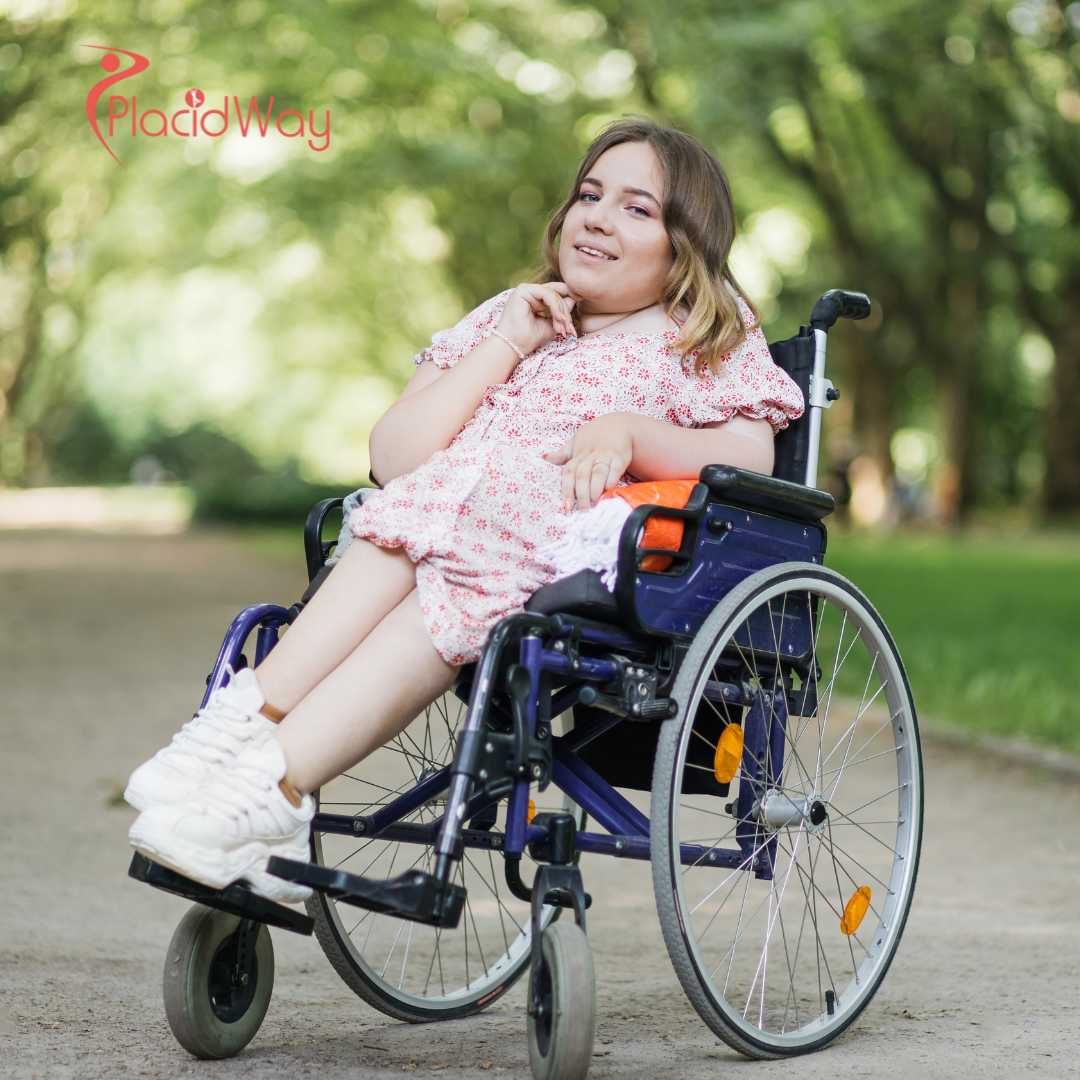
Muscular Dystrophy Stem Cell Therapy in India: Ultimate Guide to Cost, Safety, and Success
PlacidWay Medical Tourism
- Stem Cell Therapy
India

The Exosome Era: Why Gangnam’s New ‘Cellular Reset’ is 2026’s Most Requested Regenerative Treatment for Global Travelers
PlacidWay Medical Tourism
- Stem Cell Therapy for Longevity
South Korea

ReLife International Medical Center Calls For International Support To Help Patient With Muscular Dystrophy
ReLife International Medical Center
- Stem Cell Therapy
China
Stem Cell Therapy Solutions Near You: Explore Top Medical Centers
Discover how Stem Cell Therapy is transforming lives at leading medical centers in , South Korea. Dive into center profile, specialties, doctors, reviews, etc. and explore the best options tailored to your needs in this region.
Chaum Medical Center
Seoul, South Korea
Allheart plastic surgery
Seoul, South Korea
Seoul Smart Bon Clinic in South Korea
Seoul, South Korea
Yonsei BH Clinic
Seoul, South Korea








Hospital attended by rich people in Cheongdam-dong, Gangnam
Read More