
What treatment


2+ Best Clinics for Stem Cell Treatment for Parkinsons Disease in Japan
Trusted Medical Tourism Platform Since 2007
What are the best stem cell therapy clinics for Parkinson's disease in Japan?
The top stem cell therapy clinics in Japan are Cell Grand Clinic (Osaka), HELENE Stem Cell Clinic (Tokyo), and Clinique Haru Osaka Umeda (Osaka).
These facilities operate under strict oversight from the Ministry of Health, Labour and Welfare, with some achieving JCI accreditation. They utilize mesenchymal stem cells (MSCs) and advanced induced pluripotent stem cells (iPSCs) to treat Parkinson's disease, spinal cord injuries, diabetes, osteoarthritis, and anti-aging. Comprehensive treatment packages typically range from $8,000 to $68,000 USD.
 100.00% Patient Recommend
Cell Grand Clinic - Best Stem Cell Clinic in Japan


Overview
Explore Cell Grand Clinic, the best stem cell clinic in Japan specializing in top regenerative therapies for anti-aging, chronic conditions, and wellness.
Read more details

 82.81% Patient Recommend
HELENE - Stem Cell Clinic
Overview
Japan Regenerative Medicine Leading Brand With over a decade of experience and more than 17,000 treated patients. Providing cutting-edge stem cell therapies tailored to various health concerns.
Read more details


Clinique Haru Osaka Umeda - Japan Stem Cell Treatment
Overview
Clinique Haru Osaka Umeda specializes in Japan stem cell treatments for joint and musculoskeletal conditions using advanced regenerative medicine.
Read more details 100.00% Patient Recommend
Azabu Skin Clinic - Dermatology and Stem Cell Therapy in Japan
Overview
Azabu Skin Clinic in Tokyo offers advanced stem cell treatments, regenerative treatments, dermatology, and aesthetic care. Book your consultation today.
Read more details
Discover your treatment options with a free, no-obligation quote!
Get your quote now!
Riso Clinic - Japan Stem Cell Therapy
Overview
Explore Japan stem cell therapy at Riso Clinic in Tokyo. Advanced regenerative treatments for knee osteoarthritis, joint injuries, and cartilage repair.
Read more details
Which are the top clinics for Stem Cell Treatment for Parkinson's Disease in Japan?
For Parkinson's disease stem cell treatment in Japan, leading clinics include Helene Clinic in Tokyo and Cell Grand Clinic in Osaka. These facilities are recognized for their advanced regenerative medicine protocols, extensive patient experience, and commitment to innovative therapies aimed at improving neurological function and patient well-being, utilizing cutting-edge techniques and comprehensive care approaches.
Helene Clinic, located in Tokyo, is a prominent name in regenerative medicine, known for over a decade of experience and a high volume of treated patients. They focus on advanced stem cell therapies tailored for various health concerns, including Parkinson's. Cell Grand Clinic in Osaka is also highly regarded as a top facility, specializing in regenerative therapies for chronic conditions and overall wellness. Both clinics prioritize patient safety and leverage Japan's robust medical research and strict regulatory environment.
What are the benefits of choosing a Japanese clinic for Parkinson's stem cell therapy?
Opting for a Japanese clinic for Parkinson's stem cell therapy offers numerous advantages, primarily access to pioneering research, stringent quality controls, and a patient-centered approach. Japan is a global leader in regenerative medicine, ensuring advanced treatment protocols and a high standard of medical innovation and precision in care delivery for complex neurological conditions like Parkinson's disease.
Japanese clinics are at the forefront of medical innovation, often among the first to offer promising new stem cell therapies backed by rigorous research. The country has strict regulatory frameworks ensuring the safety and efficacy of these treatments. Patients benefit from a holistic care philosophy, meticulous diagnostic processes, and personalized treatment plans that extend beyond the procedure to include post-treatment support. This blend of expertise and patient focus makes Japan a compelling choice for advanced therapies.
How do Japanese stem cell clinics ensure patient safety for Parkinson's treatment?
Japanese stem cell clinics prioritize patient safety through comprehensive regulatory oversight, meticulous screening processes, and adherence to strict ethical guidelines for Parkinson's treatment. They employ highly trained specialists, utilize advanced sterile environments, and maintain rigorous quality control over cell sourcing and preparation, ensuring optimal safety and efficacy in all regenerative medicine procedures performed.
Patient safety is paramount in Japanese stem cell clinics. They operate under strict national regulations governing regenerative medicine, which include thorough approval processes for therapies. Before treatment, patients undergo extensive medical evaluations to determine suitability and minimize risks. Clinics adhere to international best practices for facility hygiene and cell handling. Furthermore, specialized medical teams continuously monitor patients during and after treatment, allowing for prompt management of any potential side effects.
What types of stem cells are typically used for Parkinson's disease in Japan?
In Japan, clinics treating Parkinson's disease primarily utilize mesenchymal stem cells (MSCs) and induced pluripotent stem cells (iPSCs). MSCs are favored for their anti-inflammatory and neuroprotective properties, often sourced from bone marrow or adipose tissue. iPSCs, still largely in clinical trials, hold promise for generating dopamine-producing neurons, offering potential long-term benefits in advanced research settings.
Mesenchymal stem cells (MSCs) are commonly employed due to their ability to modulate immune responses, reduce inflammation, and promote tissue repair. They can be harvested from the patient's own body (autologous), reducing rejection risks. Induced pluripotent stem cells (iPSCs) represent a cutting-edge approach. While still under extensive research and in early clinical trial stages for Parkinson's, iPSCs can be reprogrammed to become specific cell types, like dopamine-producing neurons, which are deficient in Parkinson's patients, holding immense therapeutic potential for future treatments.
What should I consider when selecting a stem cell clinic in Japan for Parkinson's?
When choosing a Parkinson's stem cell clinic in Japan, key considerations include the clinic's accreditation, the medical team's expertise in neurological disorders, transparency regarding treatment protocols, and patient testimonials or success rates. It's crucial to verify their regulatory compliance, review their specialized facilities, and ensure a clear understanding of the entire treatment process, including aftercare.
Begin by researching the clinic's licensing and accreditation by relevant Japanese medical authorities. Look into the experience and qualifications of the medical specialists, particularly their background in neurology and regenerative medicine. A reputable clinic will provide clear, evidence-based information about their specific stem cell therapies, expected outcomes, and potential risks. Pay attention to their patient support services, including language assistance if needed, and verify their follow-up care programs. Patient reviews and transparent communication are also vital indicators of quality care.
How does stem cell therapy for Parkinson's typically work in a Japanese clinic setting?
In a Japanese clinic, stem cell therapy for Parkinson's typically involves an initial comprehensive assessment, followed by cell harvesting (e.g., from bone marrow or adipose tissue). These cells are then processed and expanded in a specialized laboratory. Finally, they are administered to the patient, often via intravenous infusion or targeted injection, with careful monitoring and subsequent rehabilitation plans tailored for optimal recovery and functional improvement.
The process begins with a detailed diagnostic evaluation to confirm the diagnosis, assess disease progression, and determine patient suitability. If eligible, stem cells are typically collected from the patient's bone marrow or adipose tissue in a minor surgical procedure. These cells are then cultured and prepared in highly sterile, specialized labs to achieve therapeutic quantities. Administration methods vary but commonly include intravenous infusions or direct injections into affected areas. Post-treatment, patients receive detailed guidance on recovery, rehabilitation exercises, and follow-up appointments to track progress.
What rehabilitation support is available after stem cell treatment for Parkinson's in Japan?
Post-stem cell treatment for Parkinson's in Japan, clinics often offer integrated rehabilitation support programs tailored to each patient's needs. This typically includes physical therapy, occupational therapy, and speech therapy, all designed to maximize functional recovery and improve quality of life. These comprehensive programs aim to enhance motor skills, balance, communication, and daily living activities.
Japanese clinics recognize that stem cell therapy is often part of a broader treatment strategy. Many facilities provide or coordinate access to specialized rehabilitation services. Physical therapy focuses on improving mobility, strength, and balance to mitigate Parkinson's motor symptoms. Occupational therapy helps patients adapt daily tasks and improve independence, while speech therapy addresses communication and swallowing difficulties. This multidisciplinary approach ensures continuous support throughout the recovery journey, helping patients integrate improvements into their daily lives.
Are Japanese clinics for Parkinson's stem cell therapy accredited internationally?
While Japanese clinics primarily adhere to strict national regulations and accreditations, many facilities offering Parkinson's stem cell therapy also seek international certifications. This global recognition demonstrates their commitment to high-quality healthcare, patient safety, and adherence to international medical standards, providing an added layer of assurance for international patients seeking advanced regenerative treatments.
Japan has robust national regulatory bodies, like the Ministry of Health, Labour and Welfare, which strictly oversee regenerative medicine. Beyond national compliance, several clinics pursue international accreditations such as those from the Joint Commission International (JCI). These international accreditations signify that the clinic meets global benchmarks for patient safety and quality of care, which is particularly beneficial for medical tourists. When considering a clinic, inquire about both their national licensing and any international accreditations they hold.
What are common patient experiences at stem cell clinics in Japan for Parkinson's?
Patients undergoing Parkinson's stem cell therapy in Japan often report positive experiences characterized by highly professional staff, meticulous attention to detail, and a calm, respectful environment. Many highlight the advanced facilities, the comprehensive diagnostic workups, and the clear communication from medical teams, which contribute significantly to their confidence and comfort throughout their treatment journey.
Common feedback from patients emphasizes the exceptional standard of care. They frequently mention feeling well-informed and supported, from the initial consultation through to post-treatment follow-ups. The clinics are generally described as clean, modern, and equipped with state-of-the-art technology. While individual outcomes vary, patients appreciate the personalized approach to their condition, feeling that their specific needs and concerns are addressed. The cultural emphasis on precision and hospitality in Japan also extends to the healthcare experience, creating a reassuring atmosphere.
How do Japanese clinics customize Parkinson's stem cell treatment plans?
Japanese clinics customize Parkinson's stem cell treatment plans through thorough individual assessments, considering disease stage, symptoms, patient health, and lifestyle. They develop personalized protocols that may integrate specific stem cell types, dosages, and administration methods, alongside tailored rehabilitation strategies. This patient-centric approach aims to optimize therapeutic outcomes and enhance the individual's quality of life.
Customization begins with an in-depth evaluation that includes advanced diagnostic imaging, neurological assessments, and a comprehensive review of the patient's medical history. This detailed understanding allows specialists to formulate a precise treatment strategy. For example, the chosen stem cell source (e.g., autologous adipose-derived MSCs) and delivery method (e.g., intravenous or intrathecal) are selected based on the patient's unique profile. The treatment plan is often dynamic, allowing for adjustments based on the patient's response and progress, integrating rehabilitation to support recovery and long-term well-being.
How PlacidWay helps individuals access Stem Cell Treatment for Parkinson's Disease in Japan?
PlacidWay provides detailed, up-to-date information about Stem Cell Treatment for Parkinson's Disease, including benefits, risks, and expected outcomes. We help users compare treatment options in various clinics, ensuring affordable options without compromising on quality. PlacidWay assists users in finding trusted, accredited clinics and medical professionals specializing in Stem Cell Treatment for Parkinson's Disease in Japan. We offer one-on-one consultations to help users make informed decisions about their treatment, ensuring their specific needs are met. PlacidWay also ensures continued support after the treatment, including follow-up care and recovery assistance. Ready to get Stem Cell Treatment for Parkinson's Disease in Japan? Contact us today for a personalized consultation.Share with AI
Share this page with AI assistants to get summaries and insights


List of Best Stem Cell Treatment for Parkinsons Disease Clinics in Japan
Unlock the Best Stem Cell Therapy Packages Just for You
Discover the ultimate Stem Cell Therapy packages designed to meet your health and wellness goals. Choose the perfect fit for your journey.

Price starting from $12,800
Stem Cell Therapy for Parkinson’s Disease Package in Kuala Lumpur, Malaysia by FirstCell
FirstCell Malaysia
- Stem Cell Therapy
Kuala Lumpur, Malaysia

Price starting from $16,200
Stem Cell Therapy for Brain or Neurological Disorders Package in Kuala Lumpur, Malaysia by Merkel Clinic
Merkel Clinic
- Stem Cell Therapy
Kuala Lumpur, Malaysia

Price starting from $10,000
Stem Cell Therapy for Parkinson’s Disease Package in Tokyo, Japan by HELENE Clinic
HELENE - Stem Cell Clinic
- Stem Cell Therapy
Tokyo, Japan

Price starting from $12,310
Parkinson’s Stem Cell Therapy Program in Bangkok, Thailand by EDNA Wellness
EDNA Wellness - Surgeon-Led Stem Cell Clinic in Bangkok Thailand
- Stem Cell Therapy
Bangkok, Thailand
Transformative Stem Cell Therapy Experiences: Dive into Procedure Insights
Discover the power of Stem Cell Therapy through compelling patient experiences. Uncover detailed insights into procedures, recovery journeys, and life-changing results.
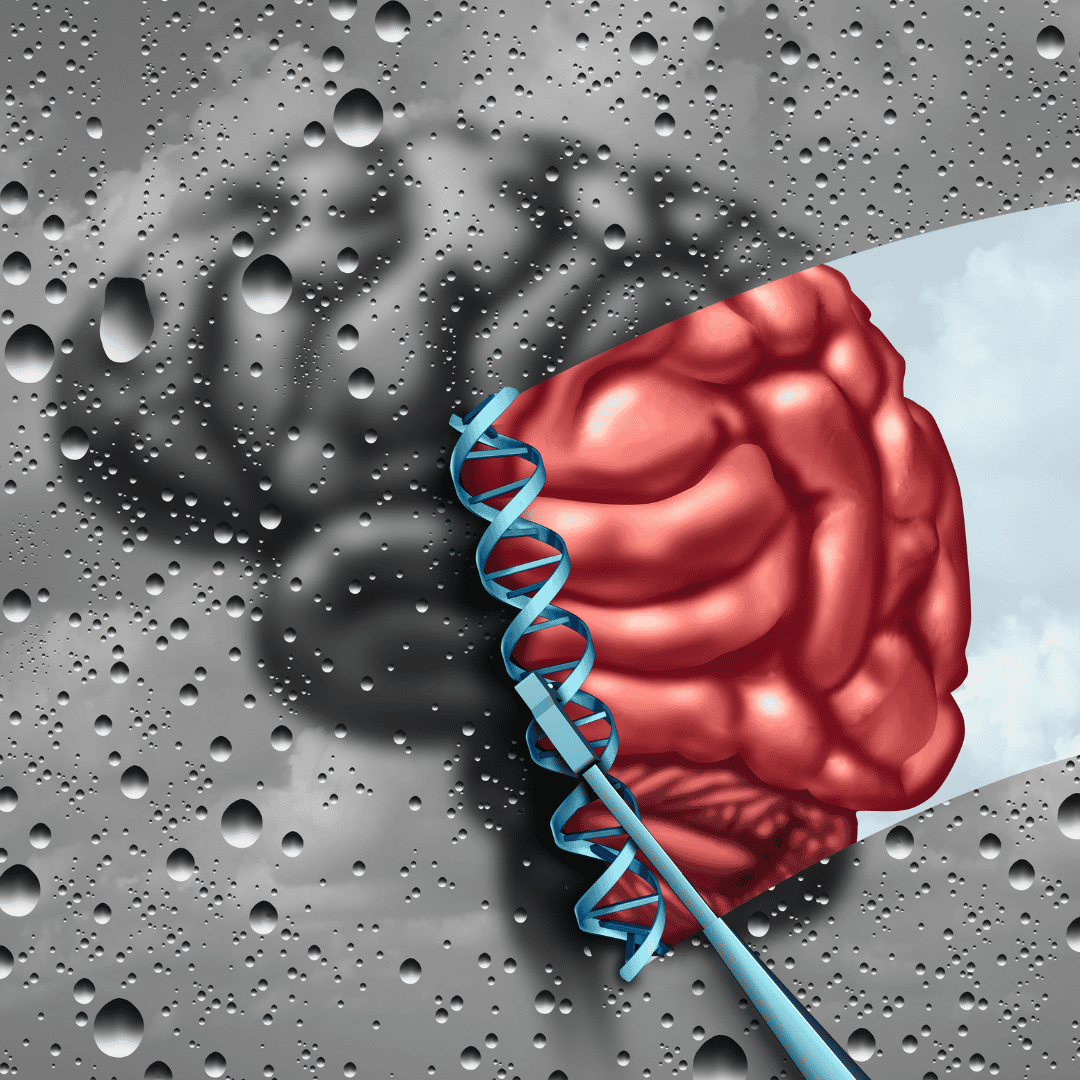
Stem Cell Therapy for Parkinson's Disease in India
- Stem Cell Treatment for Parkinsons Disease, Stem Cell Therapy
India
.png)
Price starting from $10,000
Stem Cell Therapy for Parkinson’s Disease in Japan
- Stem Cell Treatment for Parkinsons Disease, Stem Cell Therapy
Japan
.png)
Price starting from $10,000
Stem Cell Therapy for Parkinson’s Disease in Thailand
- Stem Cell Treatment for Parkinsons Disease, Stem Cell Therapy
Thailand
.png)
Price starting from $10,000
Stem Cell Therapy for Diabetes in Tokyo, Japan
- Stem Cell Treatment for Diabetes, Stem Cell Therapy
Tokyo, Japan
Explore Stem Cell Therapy: Stories, Testimonials, and Procedures
Watch in-depth videos covering everything from Stem Cell Therapy success stories to detailed procedure explanations. Learn what to expect and hear from real patients.
Minimally Invasive Stem Cell Therapy and Advanced Cultivation
Stem Cell Therapy
HELENE - Stem Cell Clinic
Japan
Expert Care by Dr. Yuichi Wakabayashi for Advanced Stem Cell in Japan at Cell Grand Clinic
Stem Cell Therapy
Cell Grand Clinic - Best Stem Cell Clinic in Japan
Japan
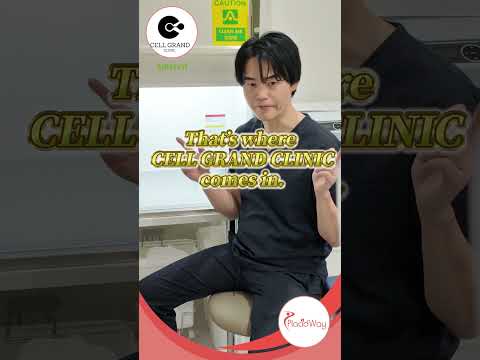
How Stem Cell Therapy Works at Cell Grand Clinic in Osaka, Japan
Stem Cell Therapy
Cell Grand Clinic - Best Stem Cell Clinic in Japan
Japan

Cell Grand Clinic: Best Stem Cell Clinic in Japan Featured in Exclusive 28-Minute JP TV Interview
Stem Cell Therapy
Cell Grand Clinic - Best Stem Cell Clinic in Japan
Japan
Learn More with These Stem Cell Therapy Articles
Take a look at these interesting articles, stories and research that will help you learn more about Stem Cell Therapy.
.png)
Parkinson’s Disease: Thais Are Finding New Hope with Stem Cells in Tokyo
PlacidWay Medical Tourism
- Stem Cell Therapy
Japan

Bangkok’s Leading Parkinson’s Stem Cell Clinics in 2026: Success Rates and Safety
PlacidWay Medical Tourism
- Stem Cell Therapy
Thailand

“Amchepry” iPS Cell Therapy for Parkinson’s Disease in Japan: Dr. Yuichi Wakabayashi of CELL GRAND CLINIC Explains the Latest Advances
Cell Grand Clinic - Best Stem Cell Clinic in Japan
- Stem Cell Therapy
Japan

Reclaiming Clarity: The Advanced Exosome and Stem Cell Protocols for Parkinson’s in Tokyo
PlacidWay Medical Tourism
- Stem Cell Therapy
Japan
Stem Cell Therapy Solutions Near You: Explore Top Medical Centers
Discover how Stem Cell Therapy is transforming lives at leading medical centers in , Japan. Dive into center profile, specialties, doctors, reviews, etc. and explore the best options tailored to your needs in this region.
Cell Grand Clinic - Best Stem Cell Clinic in Japan
Osaka, Japan

HELENE - Stem Cell Clinic
Tokyo, Japan








I am truly grateful. My diabetes test results have improved, and I am genuinely amazed by the progress.
Read More