
What treatment


4+ Best Clinics for Stem Cell Treatment for Vascular Diseases in Japan
Trusted Medical Tourism Platform Since 2007
What are the best stem cell therapy clinics for vascular diseases in Japan?
The best clinics for stem cell treatment for vascular diseases in Japan are: HELENE - Stem Cell Clinic (Tokyo), Azabu Skin Clinic (Tokyo), Riso Clinic (Tokyo), and Clinique Haru Osaka Umeda (Osaka).
Governed by the PMDA and the Ministry of Health, Labour and Welfare, these facilities use autologous stem cells to treat peripheral arterial disease (PAD), critical limb ischemia (CLI), diabetic angiopathy, and heart disease. Procedures are performed in ISO-certified cleanrooms, with general stem cell therapy and package costs ranging from $8,000 to $68,000 USD depending on the specific condition and personalized treatment protocol.
 100.00% Patient Recommend
Cell Grand Clinic - 日本で最高の幹細胞クリニック


Overview
Explore Cell Grand Clinic, the best stem cell clinic in Japan specializing in top regenerative therapies for anti-aging, chronic conditions, and wellness.
Read more details

 82.81% Patient Recommend
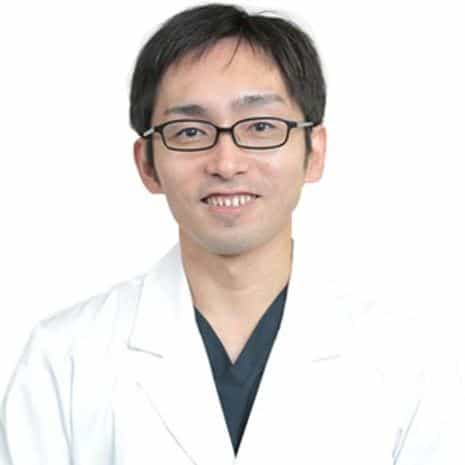
HELENE - Stem Cell Clinic
Overview
Japan Regenerative Medicine Leading Brand With over a decade of experience and more than 17,000 treated patients. Providing cutting-edge stem cell therapies tailored to various health concerns.
Read more details
 100.00% Patient Recommend
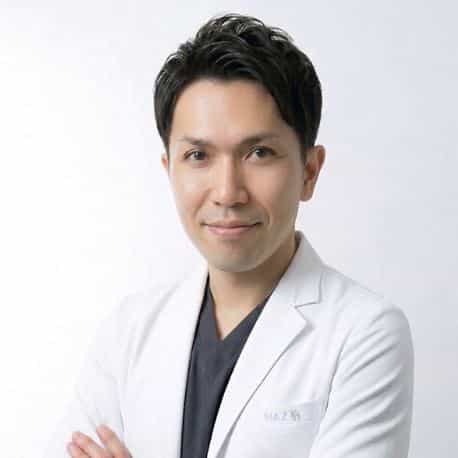
Azabu Skin Clinic - Dermatology and Stem Cell Therapy in Japan
Overview
Azabu Skin Clinic in Tokyo offers advanced stem cell treatments, regenerative treatments, dermatology, and aesthetic care. Book your consultation today.
Read more details

Riso Clinic - Japan Stem Cell Therapy
Overview
Explore Japan stem cell therapy at Riso Clinic in Tokyo. Advanced regenerative treatments for knee osteoarthritis, joint injuries, and cartilage repair.
Read more details
Discover your treatment options with a free, no-obligation quote!
Get your quote now!
Clinique Haru Osaka Umeda - Japan Stem Cell Treatment
Overview
Clinique Haru Osaka Umeda specializes in Japan stem cell treatments for joint and musculoskeletal conditions using advanced regenerative medicine.
Read more detailsWhich are the best clinics for Stem Cell Treatment for Vascular Diseases in Japan?
For leading stem cell treatment for vascular diseases in Japan, clinics like HELENE - Stem Cell Clinic in Tokyo are highly regarded. These specialized facilities offer advanced regenerative medicine, utilizing innovative techniques to address various vascular conditions with a focus on cutting-edge research and personalized patient care. They uphold rigorous Japanese regulatory standards, ensuring safety and efficacy in treatments for circulatory issues.
Japan is renowned globally for its pioneering work in regenerative medicine, particularly in stem cell therapies. Clinics here often integrate the latest research with clinical applications, focusing on conditions such as peripheral arterial disease, critical limb ischemia, and diabetic angiopathy. When evaluating top clinics, consider their specialization in vascular applications, patient outcomes, and adherence to national health guidelines.
What are the common vascular diseases treated with stem cells in Japanese clinics?
Japanese stem cell clinics commonly treat a range of vascular conditions including peripheral arterial disease (PAD), critical limb ischemia (CLI), diabetic angiopathy, and certain forms of heart disease. These therapies aim to improve blood flow, stimulate new vessel formation (angiogenesis), and repair damaged tissues, offering hope for patients where conventional treatments may be insufficient.
Stem cell therapy for vascular diseases often focuses on improving circulatory function. For instance, in peripheral arterial disease, stem cells can be injected to promote the growth of new blood vessels, bypassing blocked arteries. Similarly, for diabetic angiopathy, stem cells help to restore microvascular function and reduce complications. Clinics in Japan often use autologous stem cells (from the patient's own body) to minimize rejection risks.
How does the Japanese regulatory environment impact vascular stem cell treatments?
Japan's regulatory framework for regenerative medicine, notably the PMDA (Pharmaceuticals and Medical Devices Agency), is progressive and distinct, promoting accelerated approval for certain stem cell therapies. This impacts vascular treatments by fostering innovation while maintaining strict oversight on clinical safety and ethical standards, making it a desirable location for advanced and accessible treatments.
The country's "Act on the Safety of Regenerative Medicine" streamlines the approval process for new regenerative therapies, including those for vascular diseases, if they demonstrate potential efficacy and safety. This unique approach allows patients to access innovative treatments faster than in many other countries. Clinics must adhere to rigorous protocols set by the Ministry of Health, Labour and Welfare, ensuring treatments are provided responsibly and with patient safety paramount.
What should I look for in a Japanese stem cell clinic's facility and technology?
When considering a Japanese stem cell clinic for vascular diseases, prioritize facilities with advanced laboratory capabilities for cell processing, modern diagnostic imaging, and dedicated regenerative therapy units. Look for clinics that utilize state-of-the-art equipment for precise cell delivery and monitoring, ensuring the highest standards of safety and therapeutic efficacy for vascular regeneration.
Cutting-edge technology is vital for effective stem cell treatment. A reputable clinic should possess ISO-certified or equivalent cleanroom facilities for cell culture and preparation. Advanced imaging technologies like MRI, CT angiography, and Doppler ultrasound are essential for accurate diagnosis and guiding stem cell injections. Furthermore, look for clinics that actively participate in clinical research and publish their findings, demonstrating a commitment to scientific advancement and patient care quality.
Are there specific patient safety protocols in Japanese stem cell clinics for vascular diseases?
Yes, Japanese stem cell clinics adhere to stringent patient safety protocols, governed by national regulations. These include rigorous screening to ensure patient suitability, strict ethical guidelines for cell sourcing and handling, comprehensive informed consent processes, and continuous monitoring for adverse effects, all designed to safeguard patients undergoing vascular stem cell therapies.
Patient safety is paramount in Japanese regenerative medicine. Clinics follow strict guidelines from initial consultation to post-treatment follow-up. This includes thorough medical evaluations, discussions of potential risks and benefits, and detailed explanations of the procedure. Cell preparation often occurs in highly controlled, sterile environments to prevent contamination. Patients also undergo regular check-ups after treatment to track progress and detect any complications early.
How is the treatment process structured in Japanese clinics for vascular stem cell therapy?
The treatment process in Japanese clinics typically begins with an in-depth consultation and diagnostic evaluation to assess suitability. This is followed by cell harvesting (often from bone marrow or adipose tissue), processing and expansion in a specialized lab, and then targeted delivery of the stem cells. The procedure is meticulously planned and executed, concluding with a structured post-treatment follow-up.
After the initial assessment, the patient's own stem cells are usually harvested. This minor procedure typically involves extracting bone marrow or fat tissue. The cells are then carefully prepared and, if necessary, expanded in a laboratory to achieve the optimal cell count. The delivery method for vascular conditions varies but often involves injecting cells directly into the affected area or intravenously. The entire process is tailored to the individual's condition and needs.
What kind of long-term support and follow-up care can I expect from a Japanese clinic?
Japanese clinics offering vascular stem cell treatment provide thorough long-term support and follow-up. This often includes scheduled check-ups, ongoing monitoring of vascular health, and personalized lifestyle recommendations. Many clinics emphasize continued communication and offer remote consultations, ensuring patients receive comprehensive care beyond their initial treatment period.
Effective follow-up is crucial for maximizing treatment benefits and ensuring patient well-being. Patients typically receive a detailed aftercare plan, including instructions for medication, activity levels, and dietary adjustments. Follow-up appointments, which can be conducted in person or via telehealth, focus on assessing improvements in symptoms, monitoring blood flow, and evaluating overall recovery. This integrated approach ensures continuous support throughout the healing journey.
Can international patients easily access Stem Cell Treatment for Vascular Diseases in Japan?
Yes, many Japanese stem cell clinics are well-equipped to serve international patients seeking vascular disease treatment. They often provide multilingual staff, assistance with travel logistics, visa procedures, and accommodation, ensuring a smooth and accessible experience for patients traveling from abroad to receive specialized care.
Japan's medical tourism sector has grown, with clinics adapting to cater to a global clientele. Services like translation, patient coordinators, and assistance with local transportation are common. Patients should prepare necessary medical records in English and understand the visa requirements for medical travel to Japan. Reputable clinics will typically guide patients through each step of this process, making advanced vascular stem cell therapy an attainable option for international individuals.
What makes Japan a preferred destination for stem cell therapy for vascular diseases?
Japan is a preferred destination for vascular stem cell therapy due to its advanced medical research, a progressive regulatory framework that supports innovative regenerative treatments, and a strong emphasis on patient safety and high-quality care. Its clinics combine cutting-edge technology with a holistic approach to patient well-being, attracting those seeking pioneering solutions for vascular conditions.
The nation's commitment to scientific advancement is evident in its numerous research institutions and sophisticated medical facilities. Japanese healthcare professionals are highly skilled and trained in the latest regenerative techniques. Furthermore, the cultural emphasis on precision and patient care contributes to a high standard of medical service, ensuring patients feel supported and confident in their treatment journey. This combination of innovation, regulation, and compassionate care makes Japan a top choice.
How do Japanese stem cell clinics integrate new research into vascular disease treatments?
Japanese stem cell clinics are at the forefront of integrating new research into vascular disease treatments through ongoing clinical trials, collaborative partnerships with universities and research institutes, and regular updates to their therapeutic protocols. This ensures patients receive the most current and evidence-based regenerative therapies, directly benefiting from the latest scientific breakthroughs in vascular health.
Many clinics in Japan are actively involved in research, moving discoveries from the laboratory to clinical practice efficiently, thanks in part to supportive regulatory policies. They constantly evaluate emerging stem cell types, delivery methods, and combination therapies to improve outcomes for conditions like peripheral artery disease or stroke recovery. This dynamic approach means patients gain access to therapies refined by the newest scientific understanding and clinical data, reflecting Japan's role as a global leader in regenerative medicine.
How PlacidWay helps individuals access Stem Cell Treatment for Vascular Diseases in Japan?
PlacidWay acts as your dedicated guide, providing detailed, up-to-date information about Stem Cell Treatment for Vascular Diseases, including its benefits, potential risks, and expected outcomes. We empower you to compare treatment options across various accredited clinics in Japan, helping you find affordable solutions without compromising on quality or safety. Our platform assists you in connecting with trusted, accredited facilities and experienced medical professionals specializing in vascular stem cell therapy in Japan. We offer one-on-one consultations to thoroughly understand your specific needs, enabling you to make informed decisions about your treatment plan. Additionally, PlacidWay ensures continued support even after your treatment, including guidance on follow-up care and recovery assistance, for a comprehensive healthcare journey. Ready to get Stem Cell Treatment for Vascular Diseases in Japan? Contact us today for a personalized consultation.Share with AI
Share this page with AI assistants to get summaries and insights


List of Best Stem Cell Treatment for Vascular Diseases Clinics in Japan
Unlock the Best Stem Cell Therapy Packages Just for You
Discover the ultimate Stem Cell Therapy packages designed to meet your health and wellness goals. Choose the perfect fit for your journey.
.png)
Price starting from $10,000
Stem Cell Therapy for Knee Osteoarthritis Package in Tokyo, Japan by HELENE Clinic
HELENE - Stem Cell Clinic
- Stem Cell Therapy
Tokyo, Japan

Price starting from $68,000
Advanced Autologous Stem Cell Treatment for Diabetes Package in Tokyo, Japan by HELENE Clinic
HELENE - Stem Cell Clinic
- Stem Cell Therapy
Tokyo, Japan

Price starting from $19,800
Diabetes Regenerative Medicine Package in Osaka, Japan by Cell Grand Clinic
Cell Grand Clinic - 日本で最高の幹細胞クリニック
- Stem Cell Therapy
Osaka, Japan

Price starting from $19,800
Knee Regenerative Medicine Package in Osaka, Japan by Cell Grand Clinic
Cell Grand Clinic - 日本で最高の幹細胞クリニック
- Stem Cell Therapy
Osaka, Japan
Transformative Stem Cell Therapy Experiences: Dive into Procedure Insights
Discover the power of Stem Cell Therapy through compelling patient experiences. Uncover detailed insights into procedures, recovery journeys, and life-changing results.
.png)
Price starting from $19,800
Stem Cell Therapy for Diabetes in Japan
- Stem Cell Treatment for Diabetes, Stem Cell Therapy
Japan
.png)
Price starting from $10,000
Stem Cell Therapy for Parkinson’s Disease in Japan
- Stem Cell Treatment for Parkinsons Disease, Stem Cell Therapy
Japan
.png)
Stem Cell Therapy for Spinal Cord Injury in Japan
- Stem Cell Treatment for Spinal Cord Injury, Stem Cell Therapy
Japan
-(2).png)
Explore Stem Cell Therapy: Stories, Testimonials, and Procedures
Watch in-depth videos covering everything from Stem Cell Therapy success stories to detailed procedure explanations. Learn what to expect and hear from real patients.

Pramod Goel, CEO of PlacidWay Medical Tourism Interview: How AI is Transforming Patient Journeys
Stem Cell Therapy
PlacidWay Medical Tourism
Japan

Cell Grand Clinic: Best Stem Cell Clinic in Japan Featured in Exclusive 28-Minute JP TV Interview
Stem Cell Therapy
Cell Grand Clinic - 日本で最高の幹細胞クリニック
Japan
Expert Care by Dr. Yuichi Wakabayashi for Advanced Stem Cell in Japan at Cell Grand Clinic
Stem Cell Therapy
Cell Grand Clinic - 日本で最高の幹細胞クリニック
Japan
Minimally Invasive Stem Cell Therapy and Advanced Cultivation
Stem Cell Therapy
HELENE - Stem Cell Clinic
Japan
Learn More with These Stem Cell Therapy Articles
Take a look at these interesting articles, stories and research that will help you learn more about Stem Cell Therapy.

Age Gracefully with Science: Anti-Aging Stem Cell Therapy in Japan Empowering Patients from Indonesia
PlacidWay Medical Tourism
- Stem Cell Therapy
Japan

Stem Cell Therapy in Japan for Hong Kong Patients: Easy Osaka Access and MHLW-Regulated Care at Cell Grand Clinic
PlacidWay Japan Medical Tourism
- Stem Cell Therapy
Japan

Better Aging & Wellness Support: Anti-Aging & Longevity Stem Cell Program in Japan for UAE Patients
PlacidWay Japan Medical Tourism
- Stem Cell Therapy
Japan
Stem Cell Therapy Solutions Near You: Explore Top Medical Centers
Discover how Stem Cell Therapy is transforming lives at leading medical centers in , Japan. Dive into center profile, specialties, doctors, reviews, etc. and explore the best options tailored to your needs in this region.
Cell Grand Clinic - 日本で最高の幹細胞クリニック
Osaka, Japan
Riso Clinic - Japan Stem Cell Therapy
Tokyo, Japan

HELENE - Stem Cell Clinic
Tokyo, Japan








I came to CELL GRAND CLINIC for facial stem cell treatment because my skin had become hard and stiff after having too many laser treatments over the years. I just wanted to see if there was anything that could help. It’s been about six months now, and my skin gradually feels softer and more natural. I’m honestly so happy because this had been bothering me for a long time. Really glad I decided to do it.
Read More