Hair Restoration and Transplantation Cost in Thailand
Hair Restoration and Transplantation in Thailand costs on average $3390, with most clinics quoting between $1600 and $5180. Based on verified quotes from 13+ clinics, last updated 2026-06-01. Compare clinic prices, see what's included, and estimate your total trip cost below.
Last Updated: Aug 2026 Author: Araya Chaiyaporn Medically reviewed by Dr. Lorenzo Halverson
Medical Center Reviews
234 Reviews
6.5K
$1600 Price starting from
Share this listing
Quick Facts: Hair Restoration and Transplantation in Thailand
Review essential quick facts for hair restoration and transplantation in Thailand. Discover vital details covering the location, average cost, and full price range.
Procedure
Hair Restoration and Transplantation
Location
Thailand
Average Price (USD)
$3390
Price Range (USD)
$1600 - $5180
Last Verified
2026-06-01
How Much Does a Hair Restoration and Transplantation Cost in Thailand?
Explore total pricing for various types of hair restoration and transplantation in Thailand. Compare comprehensive costs for popular FUE, FUT, and DHI procedures.
Procedure
Low
High
Typically Includes
FUE Hair Transplant (per 3,000 grafts)
$1,800
$3,500
Varies by total graft count
DHI Hair Transplant (per 3,000 grafts)
$2,500
$4,500
Requires specialized implanter pen tools
FUT Hair Transplant
$1,500
$2,800
Depends on strip size needed
Beard or Eyebrow Transplant
$1,200
$2,500
Depends on desired facial density
PRP Hair Loss Therapy
$150
$400
Priced per individual therapy session
Prices are starting estimates; final cost varies by clinic, surgeon experience, and patient anatomy. Always request a personalized quote.
Cost Breakdown by Component
Analyze a detailed cost breakdown for hair transplantation in Thailand. Understand how specific components like surgeon fees, grafts, and facilities impact prices.
Component
Low (USD)
High (USD)
Notes
Surgeon's Fee
$800
$1,800
Varies by surgeon's global expertise
Graft Extraction & Implantation
$600
$2,000
Scales with total grafts extracted
Local Anesthesia
$100
$250
Standard local anesthesia application cost
Pre-operative Blood Tests
$50
$100
Standard pre-surgical screening lab work
Post-op Care & Medications
$100
$300
Includes specialized lotions and shampoos
Which Clinics in Thailand Offer the Best Hair Restoration and Transplantation Packages?
Evaluate top-rated clinics offering hair restoration and transplantation packages in Thailand. Compare medical options, expert care, and facility quality standards.
Hair Restoration and Transplantation, Cosmetic/Plastic Surgery
★★★★★ 4.7 (76)
What Is Usually Included and Not Included in a Thailand Hair Restoration and Transplantation, Cosmetic/Plastic Surgery Package?
Clarify what is typically included and excluded in Thailand hair transplant packages. Review details regarding grafts, accommodation, transfers, and post-op care.
✓ Typically Included
These are the items most patients expect to see inside a standard hair restoration package in Thailand. The exact clinic package can still vary, so users should confirm details in writing.
These are the items most patients expect to see inside a standard hair restoration package in Thailand. The exact clinic package can still vary, so users should confirm details in writing.
International flights to Thailand
Hotel accommodation
Additional grafts beyond package limit
Medical travel insurance
Personal meals and tourism expenses
What Do Real Families Say About Hair Restoration and Transplantation, Cosmetic/Plastic Surgery in Thailand?
Read verified reviews from real patients regarding their hair transplant experiences in Thailand. Gain valuable insights into clinical outcomes and satisfaction.
★★★★★ 4.8 / 5 · 234 verified reviews
"The best experience. It was my first time getting filler and I wasn’t sure what to expect. I felt like I was in the best hands and I can already see great results!"
- Liza Schranz (Verified by PlacidWay)
"Professionalism at its best,
Dr Jean Luc is always a message away, even months after his services.
The attention to detail by the whole team is impressive , always felt taken care off
Very positive results.
Keep up the excellent work."
- Justin Borg (Verified by PlacidWay)
"I'm very satisfied with the service, from the moment I contacted them online to schedule the exam. I was very nervous, and the doctors were understanding and kind. The staff is super attentive, friendly and supportive. I recommend them."
- Tathiana Chermont (Verified by PlacidWay)
Frequently Asked Questions About Hair Restoration and Transplantation, Cosmetic/Plastic Surgery in Thailand
Find answers to frequently asked questions about hair restoration and transplantation in Thailand. Resolve common concerns about recovery, safety, and graft survival.
How much does a hair transplant cost in Thailand?
Hair transplant costs in Thailand typically range from $1,500 to $3,500. Pricing depends on the number of grafts needed and the technique used, offering huge savings over Western prices.
What is the most popular hair restoration technique in Thailand?
FUE (Follicular Unit Extraction) is the most popular technique. It involves extracting individual hair follicles, leaving no linear scars and ensuring a faster, more comfortable recovery.
How long should I stay in Thailand for a hair transplant?
Patients should plan to stay in Thailand for 5 to 7 days. This allows time for the initial consultation, the procedure itself, and a crucial follow-up checkup before flying home.
Are hair transplants in Thailand safe and effective?
Yes, hair transplantation in Thailand is very safe. The country boasts internationally accredited facilities and highly skilled surgeons, ensuring excellent success rates and hygiene.
Does a hair transplant procedure in Thailand hurt?
The procedure is generally painless. Local anesthesia is applied to the scalp before the surgery begins, so patients only feel minor pressure or mild discomfort during the extraction.
What is the recovery time for a Thai hair transplant?
Initial recovery takes about 7 to 10 days, during which minor swelling subsides. Most patients can return to work within a week, though strenuous activities should be avoided for a month.
When will I see the final results of my hair transplant?
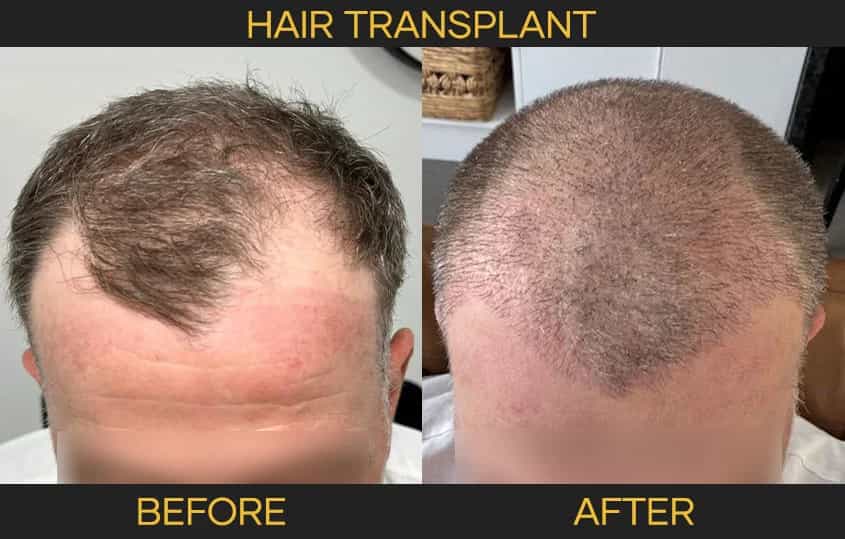
New hair growth typically begins around 3 to 4 months post-surgery. However, it usually takes 12 to 15 months to see the complete, final results of your hair restoration procedure.
Do Thai doctors speak English during consultations?
Yes, medical tourism is highly developed in Thailand. Most surgeons and medical staff speak fluent English, ensuring clear communication regarding your treatment plan and expectations.
Will my transplanted hair look natural after the surgery?
Yes, the results look completely natural. Experienced Thai surgeons carefully angle and place each follicle to match your natural hair growth pattern and create a seamless hairline.
Are there hidden fees in Thailand hair transplant packages?
Reputable facilities provide transparent pricing. Packages often include the surgery, medications, and follow-ups. Always confirm exactly what is covered during your initial consultation.
Can women get hair restoration surgery in Thailand?
Absolutely. Many facilities in Thailand offer specialized hair transplant techniques for female pattern baldness, effectively restoring volume and lowering hairlines for women safely.
Ready to Explore Advanced Healthcare Options?
Get a free, personalized quote from leading, board-certified specialists. No obligation our patient coordination team will reply within 24 hours.
PlacidWay.com provides medical travel information, not healthcare services. We don't endorse any providers, and we're not responsible for the care you receive.
Pricing: Prices on our site are estimates only, provided by the centers. Always confirm actual prices directly with the provider before booking to ensure full transparency and avoid hidden fees.
Your Health: Consult your local licensed healthcare provider before pursuing any treatment found on our site. Your health decisions are your responsibility.
Share with AI
Share this page with AI assistants to get summaries and insights
Request your Free Quote
×
Trusted Medical Tourism Platform Since 2007
60+
Countries
2k+
Clinics
19.5k+
Reviews
2.5k+
Qualified Doctors
1.1M+
Patients Served Since 2007
Cosmetic Plastic Surgery Solutions Near You: Explore Top Medical Centers
Discover how Cosmetic Plastic Surgery is transforming lives at leading medical centers in , Thailand. Dive into center profile, specialties, doctors, reviews, etc. and explore the best options tailored to your needs in this region.
Capturing Beauty at The Klinique Surgery Center in Thailand
Cosmetic/Plastic Surgery
Bangkok, Thailand
Transformative Cosmetic Plastic Surgery Experiences: Dive into Procedure Insights
Discover the power of Cosmetic Plastic Surgery through compelling patient experiences. Uncover detailed insights into procedures, recovery journeys, and life-changing results.
Explore Cosmetic Plastic Surgery: Stories, Testimonials, and Procedures
Watch in-depth videos covering everything from Cosmetic Plastic Surgery success stories to detailed procedure explanations. Learn what to expect and hear from real patients.




.png)
.png)
.png)
.png)







.png)








Share this listing