
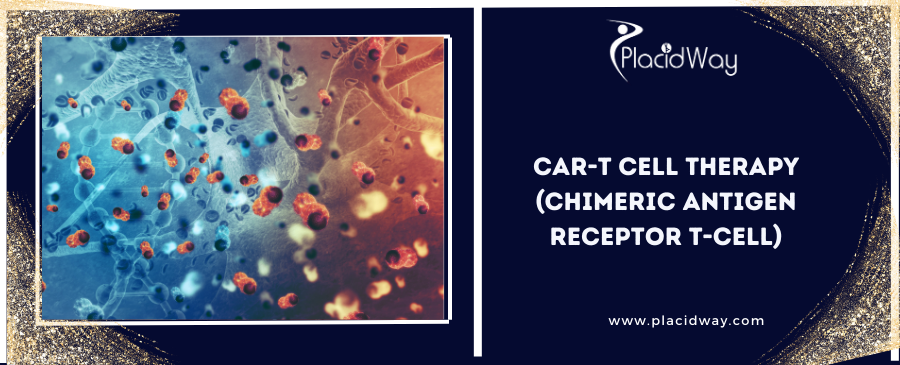
Unlocking New Hope: Your Guide to CAR-T Cell Therapy for Advanced Cancer
Facing a life-threatening cancer diagnosis is an immense challenge, and for many, traditional treatments may not be enough. If you or a loved one are battling certain advanced blood cancers like aggressive lymphomas, acute lymphoblastic leukemia (ALL), or multiple myeloma, you might have heard about a revolutionary treatment offering a new horizon of hope: CAR-T Cell Therapy (Chimeric Antigen Receptor T-Cell Therapy).
This cutting-edge immunotherapy transforms a patient's own immune cells into a targeted, living drug designed to seek out and destroy cancer. Imagine your body's natural defense system, reprogrammed and supercharged, to fight back with unprecedented precision. CAR-T Cell Therapy represents a significant leap forward in oncology, particularly for patients who have relapsed or become refractory to other treatments.
Many individuals searching online for "CAR-T cell therapy options," "best cancer treatments for relapse," or "new therapies for lymphoma" are seeking this kind of breakthrough. It's a complex, highly personalized procedure, and understanding its intricacies, from how it works to who qualifies, is crucial. For those exploring "CAR-T cell therapy cost abroad" or "getting CAR-T therapy overseas," the prospect of seeking treatment beyond their borders often brings questions about access, affordability, and quality. This comprehensive guide aims to demystify CAR-T Cell Therapy, address your most pressing concerns, and illuminate the path for those considering this life-changing treatment, especially within the context of medical tourism.
What conditions can CAR-T Cell Therapy effectively treat?
CAR-T Cell Therapy is not a general cancer treatment; it's highly specific to particular types of blood cancers, mainly B-cell lymphomas and leukemias, and more recently, multiple myeloma. The primary conditions it targets include:
- Relapsed or Refractory Diffuse Large B-Cell Lymphoma (DLBCL): This is an aggressive non-Hodgkin lymphoma that has not responded to at least two prior lines of systemic therapy. Patients often experience symptoms like rapidly growing lymph nodes, unexplained fever, night sweats, and weight loss.
- Relapsed or Refractory High-Grade B-Cell Lymphoma: Similar to DLBCL, these are fast-growing lymphomas.
- Relapsed or Refractory Mantle Cell Lymphoma (MCL): A rare and often aggressive type of non-Hodgkin lymphoma.
- Relapsed or Refractory Follicular Lymphoma (FL): When FL becomes aggressive or resistant to other treatments.
- Relapsed or Refractory B-cell Acute Lymphoblastic Leukemia (ALL): Primarily in children and young adults who have failed or relapsed after other therapies. Symptoms often include persistent fever, bone pain, easy bruising, and fatigue.
- Relapsed or Refractory Multiple Myeloma: A cancer of plasma cells that accumulates in the bone marrow. Patients typically experience bone pain, fatigue, kidney problems, and frequent infections.
Understanding these conditions is crucial because CAR-T therapy targets specific markers (like CD19 for lymphomas/leukemias or BCMA for multiple myeloma) found on these cancer cells.
What are the underlying causes and risk factors for these serious blood cancers?
While the precise "cause" for many cancers, including those treated by CAR-T, remains elusive, we understand common risk factors and the biological mechanisms that lead to their development. These cancers arise from genetic mutations within blood cells (lymphocytes or plasma cells) that lead to uncontrolled growth and replication.
- Genetic Mutations: These are often acquired throughout life rather than inherited. They disrupt normal cell growth and death signals.
- Weakened Immune System: People with compromised immune systems (e.g., organ transplant recipients on immunosuppressants, HIV patients) have a higher risk.
- Infections: Certain viral infections, such as Epstein-Barr Virus (EBV) or HIV, have been linked to an increased risk of specific lymphomas.
- Exposure to Chemicals and Radiation: Long-term exposure to certain pesticides, herbicides, or benzene, as well as high doses of radiation, can increase risk.
- Age: The risk of most lymphomas and multiple myeloma increases with age. ALL is more common in children.
- Family History: A family history of lymphoma or myeloma can slightly increase an individual's risk.
- Obesity: Some studies suggest a link between obesity and an increased risk of certain lymphomas and multiple myeloma.
Patients often search for "causes of lymphoma" or "risk factors for leukemia" to understand their diagnosis better. While these factors contribute, the development of cancer is complex and often multifactorial.
How does CAR-T Cell Therapy work and how is it different from other treatments?
CAR-T Cell Therapy is often described as a "living drug" because it uses a patient's own modified immune cells to fight cancer. The process typically involves several key steps:
- Apheresis (T-cell Collection): Blood is drawn from the patient, and a specialized machine separates out the T-cells (a type of white blood cell). The remaining blood is returned to the patient. This process is similar to donating blood.
- Genetic Engineering: In a specialized lab, the collected T-cells are genetically modified. A new gene, encoding a Chimeric Antigen Receptor (CAR), is inserted into the T-cells using a viral vector. This CAR allows the T-cells to recognize a specific protein (like CD19 or BCMA) on the surface of cancer cells.
- Expansion: The modified CAR T-cells are then grown and multiplied in the lab until there are millions of them. This can take several weeks.
- Lymphodepleting Chemotherapy: Before the CAR T-cells are infused, the patient receives a short course of chemotherapy. This "lymphodepleting" chemo helps to reduce existing immune cells, making space for the new CAR T-cells to expand and work effectively.
- Infusion: The now-expanded CAR T-cells are infused back into the patient's bloodstream, similar to a blood transfusion.
- Cancer Cell Attack: Once infused, the CAR T-cells begin to identify and attach to the cancer cells, initiating an immune response that destroys them. They can persist in the body for months or even years, providing ongoing surveillance against cancer.
This differs significantly from other treatments:
- Chemotherapy: Uses powerful drugs to kill rapidly dividing cells, both cancerous and healthy, leading to widespread side effects.
- Radiation Therapy: Uses high-energy rays to damage cancer cells and shrink tumors in a localized area.
- Targeted Therapy: Drugs that specifically attack cancer cells with certain mutations or proteins, but don't involve modifying the patient's own cells.
- Stem Cell Transplant: Replaces diseased bone marrow with healthy stem cells, often requiring high-dose chemotherapy and immunosuppression.
CAR-T is unique because it's a personalized, one-time treatment that reprograms the body's own defense system for a highly specific, potentially long-lasting attack. Many patients search for "how CAR T-cell therapy works" or "CAR T-cell vs. chemo" to understand these differences.
Who is considered eligible for CAR-T Cell Therapy?
Because CAR-T Cell Therapy is a powerful and complex treatment, patient eligibility is a critical factor. Not everyone with a CAR-T treatable cancer will qualify. Key criteria typically include:
- Specific Cancer Diagnosis: The patient must have one of the approved types of blood cancer (e.g., relapsed or refractory DLBCL, ALL, MCL, FL, or Multiple Myeloma).
- Prior Treatment Failure: Patients must have exhausted other standard treatment options, meaning their cancer has relapsed after or been refractory to multiple previous therapies. CAR-T is generally a "third line" or later treatment.
- Overall Health Status: Patients need to be healthy enough to withstand the collection process, lymphodepleting chemotherapy, and potential side effects of CAR-T. This means having good organ function (heart, lung, kidney, liver) and a good performance status.
- No Active Infections: Patients should not have any uncontrolled active infections.
- No Active Brain Metastases: While CAR-T can sometimes cross the blood-brain barrier, active brain metastases are generally a contraindication.
- Age: While there isn't a strict age cut-off, older patients may have more comorbidities that could affect their eligibility. The ALL CAR-T therapy is approved for pediatric and young adult patients up to age 25.
- Accessibility for Follow-up: Given the need for close monitoring, patients must be able to stay near the treatment center for several weeks post-infusion.
Patients often search for "CAR-T therapy criteria" or "who can get CAR-T cell therapy" to understand if this revolutionary treatment is an option for them. A thorough medical evaluation by a specialized team is always required.
What is the expected recovery time and what should patients anticipate after CAR-T?
The journey after CAR-T Cell Therapy is unique for each patient, but it's important to have realistic expectations regarding recovery. It's not a quick fix, and intense monitoring is required.
- Initial Hospital Stay: Patients typically remain hospitalized for about 2-4 weeks after CAR T-cell infusion. This period is crucial for managing potential acute side effects like Cytokine Release Syndrome (CRS) and Immune Effector Cell-Associated Neurotoxicity Syndrome (ICANS).
- Outpatient Monitoring: Following hospital discharge, patients must stay near the treatment center for another 4-8 weeks for frequent follow-up appointments, blood tests, and continued monitoring for delayed side effects. This means a total stay of 6-12 weeks in the vicinity of the clinic.
- Fatigue and Weakness: It's common for patients to experience significant fatigue, weakness, and loss of appetite for several weeks or even months post-treatment. This is partly due to the lymphodepleting chemotherapy and the immune system's intense activity.
- Immunosuppression: The immune system can be weakened for several months to a year, increasing the risk of infections. Patients will need to take precautions, and doctors will monitor their immune status.
- Long-Term Follow-up: Regular follow-up appointments, including blood tests and imaging scans, will be necessary for years to monitor for cancer recurrence and long-term side effects.
Patients and their caregivers frequently search for "CAR T-cell therapy recovery" or "life after CAR T-cell infusion." It's vital to remember that CAR-T is a marathon, not a sprint, and patience along with strong support systems are key to recovery.
What are the potential risks and side effects of CAR-T Cell Therapy?
While CAR-T Cell Therapy offers incredible potential, it's also associated with unique and sometimes severe side effects that require expert management. These side effects stem from the powerful activation of the immune system.
The two most significant and commonly discussed side effects are:
- Cytokine Release Syndrome (CRS): This is the most common and potentially life-threatening side effect, occurring when the activated CAR T-cells release a large amount of inflammatory proteins called cytokines. Symptoms can range from mild (fever, fatigue, headache, muscle pain) to severe (low blood pressure, rapid heart rate, difficulty breathing, organ dysfunction). CRS typically occurs within the first 1-14 days after infusion and is managed with supportive care and specific medications like tocilizumab.
- Immune Effector Cell-Associated Neurotoxicity Syndrome (ICANS): This refers to neurological side effects that can occur, often shortly after or concurrently with CRS. Symptoms can include confusion, delirium, difficulty speaking, tremors, seizures, or even swelling of the brain. ICANS is also managed with supportive care and sometimes steroids.
Other potential side effects include:
- Infections: Due to the immunosuppression caused by lymphodepleting chemo and CAR-T therapy itself, patients are at a higher risk of bacterial, viral, and fungal infections.
- Low Blood Counts (Cytopenias): Prolonged low levels of red blood cells, white blood cells, and platelets are common, requiring transfusions and growth factor support.
- Hypogammaglobulinemia: A long-term reduction in antibody levels, increasing infection risk, which may require intravenous immunoglobulin (IVIG) infusions.
- Fertility Issues: The lymphodepleting chemotherapy can impact fertility.
- Off-Target Effects: Rarely, CAR T-cells might target healthy cells that express the same antigen as the cancer cells.
Patients often search for "CAR T-cell therapy risks" or "CAR T-cell therapy side effects" to understand the full picture. The specialized medical teams administering CAR-T are trained to monitor and manage these complications promptly.
Why consider CAR-T Cell Therapy abroad for advanced cancer care?
For many patients globally, accessing CAR-T Cell Therapy in their home country presents significant hurdles. This often leads them to explore options abroad, a decision driven by several compelling factors:
- Cost Savings: The cost of CAR-T therapy in countries like the United States can be prohibitively high, often exceeding $500,000 to $1 million (before hospitalization and supportive care). Many other countries offer the same high-quality, FDA/EMA-approved CAR-T products at a fraction of the cost, making it financially feasible for more patients.
- Access and Availability: In some regions, CAR-T therapy may not be available at all, or there might be extensive waiting lists for approved treatments. Traveling abroad can provide faster access to this time-sensitive treatment.
- Broader Treatment Options: Some countries may have access to a wider range of approved CAR-T products or participate in clinical trials for newer CAR-T constructs that are not yet available elsewhere.
- Expertise and Specialized Centers: Many leading medical tourism destinations have established world-class oncology centers with extensive experience in CAR-T Cell Therapy, staffed by highly skilled specialists.
- Personalized Care: Some international clinics offer a more personalized and holistic approach, including dedicated patient coordinators who assist with all aspects of travel and treatment.
Patients often search for "CAR T-cell therapy international" or "medical tourism for CAR T-cell therapy" to find these alternatives. For many, seeking care abroad isn't just about cost; it's about finding hope and a viable path to treatment when domestic options are limited.
Which countries offer the best value and expertise for CAR-T Cell Therapy, and what are the costs?
When considering CAR-T Cell Therapy abroad, patients often seek a balance of world-class expertise and affordability. Several countries have emerged as leading destinations for medical tourism offering this advanced treatment:
- Germany: Known for its stringent medical standards, advanced research, and state-of-the-art facilities.
- South Korea: A leader in medical technology and research, offering excellent healthcare infrastructure and competitive pricing.
- India: Provides high-quality medical care from highly trained specialists at a fraction of Western costs, with many hospitals accredited internationally.
- Turkey: Growing reputation for medical tourism, offering modern facilities, experienced doctors, and attractive price points.
- Spain/Italy: Also have reputable centers, often at more competitive rates than the US.
Here’s a general overview of CAR-T Cell Therapy cost comparisons. Please note these are estimates and actual prices can vary based on the specific CAR-T product, hospital, patient's condition, and duration of stay:
| Country | Estimated CAR-T Base Cost (USD) | Why Consider |
|---|---|---|
| USA | $500,000 - $1,000,000+ | Pioneering research, wide access to approved therapies (highest cost) |
| Germany | $250,000 - $400,000 | High standards, advanced facilities, EMA-approved therapies |
| South Korea | $200,000 - $350,000 | Cutting-edge technology, strong medical infrastructure |
| India | $100,000 - $250,000 | Accredited hospitals, highly skilled doctors, very competitive pricing |
| Turkey | $150,000 - $300,000 | Modern facilities, experienced specialists, growing medical tourism hub |
It's important to remember that these costs typically cover the CAR-T product itself and the infusion. They may not include pre-screening, lymphodepleting chemotherapy, prolonged hospital stays for side effect management, or post-treatment monitoring, which can add substantially to the total cost. Always request a comprehensive, all-inclusive quote.
How can you ensure safety and high-quality care when seeking CAR-T abroad?
The decision to undergo a complex procedure like CAR-T Cell Therapy abroad requires meticulous research and planning to ensure the highest standards of safety and quality. Here’s how you can approach it:
- Choose Internationally Accredited Hospitals: Look for hospitals with international accreditations such as Joint Commission International (JCI), ISO, or other recognized bodies. These accreditations signify adherence to global standards for patient safety and quality of care.
- Verify Physician Credentials and Experience: Research the hematologists/oncologists who will be leading your care. Ensure they are board-certified, have extensive experience specifically with CAR-T Cell Therapy, and ideally have published research or presentations in the field.
- Review CAR-T Program Volume and Outcomes: Inquire about the hospital's volume of CAR-T cases and their success rates (remission rates, survival rates) for your specific condition. Higher volume centers often have more experience in managing potential complications.
- Understand the Facility's Infrastructure: CAR-T requires specialized critical care units (ICUs) and multidisciplinary teams to manage potential side effects like CRS and ICANS. Confirm the hospital has these resources readily available.
- Assess Regulatory Approval of CAR-T Product: Ensure the CAR-T product used is approved by relevant international regulatory bodies (e.g., FDA in the US, EMA in Europe, or equivalent national agencies if manufacturing a local product).
- Communicate Clearly with Medical Teams: Ensure there are excellent communication channels, including language services if needed, to fully understand your treatment plan, risks, and follow-up care.
- Utilize Reputable Medical Tourism Facilitators: Companies like PlacidWay specialize in connecting patients with vetted, high-quality international hospitals. They can provide essential services like evaluating clinics, arranging consultations, assisting with travel logistics, and ensuring transparency in pricing and treatment plans. This partnership significantly reduces the burden and risk for patients.
By taking these steps, patients searching for "safe CAR T-cell therapy abroad" or "quality international cancer treatment" can make informed decisions and find peace of mind.
What should patients expect when traveling for CAR-T Cell Therapy, and what about success stories?
Embarking on a CAR-T Cell Therapy journey abroad requires careful planning and a clear understanding of the logistics involved. It’s a significant commitment, but the potential rewards can be life-changing.
What to Expect When Traveling:
- Extended Stay: Be prepared for a stay of 2-3 months in the destination country. This includes time for initial evaluations, T-cell collection, the manufacturing period (when you might return home or stay), lymphodepleting chemo, CAR T-cell infusion, and crucial post-infusion monitoring.
- Caregiver Support: It is essential to travel with a primary caregiver who can provide support during your hospital stay and recovery period. They will be vital for emotional support, communication, and practical assistance.
- Accommodation: Plan for suitable long-term accommodation near the hospital for the outpatient monitoring phase. Medical tourism facilitators can often assist with this.
- Visa and Travel Arrangements: Ensure all necessary visas are obtained well in advance. Consider travel insurance, but be aware that coverage for pre-existing conditions and complex treatments like CAR-T can be challenging to secure.
- Language and Cultural Differences: Be open to different cultural norms and be prepared for potential language barriers, though most reputable medical centers for international patients offer excellent translation services.
- Financial Planning: Beyond the treatment cost, factor in travel, accommodation, food, and potential emergency funds.
Success Stories: A Beacon of Hope
CAR-T Cell Therapy has created numerous inspiring success stories, offering a beacon of hope for patients facing limited options. For many, CAR-T has not just extended life, but has offered a chance at long-term, durable remission, allowing them to return to their families, hobbies, and normal lives.
- Emily's Story (DLBCL): Diagnosed with aggressive lymphoma that recurred multiple times, Emily traveled to a specialized center abroad after being told she had run out of options at home. After CAR-T, she achieved complete remission and is now years post-treatment, enjoying a healthy, active life. "It was daunting to travel so far, but it was worth every single step," she shares.
- Marco's Journey (ALL): A young adult with relapsed ALL, Marco's family explored CAR-T in Asia due to cost and faster access. Following successful treatment and diligent post-care, he is now back in college, pursuing his dreams, a testament to the therapy's profound impact.
These stories underscore the potential of CAR-T and the courage of patients and families who seek out advanced care globally. While not every patient will achieve the same outcome, the profound impact on those who do offers a powerful motivation. Finding the right global partner, like PlacidWay, can help facilitate these transformative journeys.
Take the Next Step with PlacidWay
Ready to explore treatment options abroad? Discover top clinics, compare prices, and get a free quote tailored to your needs with PlacidWay.
Cancer Treatment Abroad, Breast Cancer, Lung Cancer
.png)






Share this listing