
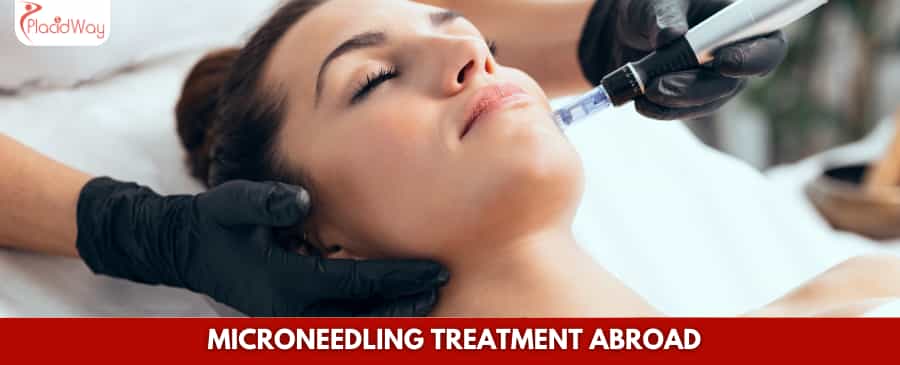
Rejuvenate Your Skin: Unlocking a Brighter You with Microneedling
Are you looking in the mirror and wishing for smoother skin, reduced acne scars, or a more youthful glow? Many people face common skin concerns like uneven texture, fine lines, or visible pores that can impact their confidence. It’s a natural desire to want to feel comfortable and radiant in your own skin, and finding an effective solution can be a journey.
That's where microneedling comes in – a popular and highly effective treatment designed to revitalize your complexion from within. Often called collagen induction therapy, microneedling harnesses your body's incredible ability to heal and regenerate, stimulating the production of vital collagen and elastin. Imagine your skin becoming naturally firmer, smoother, and more even-toned, minimizing the appearance of those stubborn imperfections.
Whether you're struggling with the lingering marks of past acne breakouts, the subtle signs of aging like "crow's feet" or "smile lines," or simply want to improve your skin's overall texture and radiance, microneedling offers a promising path. It's a versatile treatment that addresses a range of issues by encouraging your skin to renew itself. And for many seeking not only exceptional results but also excellent value, exploring microneedling options through medical tourism has become an increasingly attractive choice. Let's delve into how this procedure works and what it can offer you on your journey to beautiful, healthy-looking skin.
What visible skin concerns can microneedling help improve?
Many patients seek microneedling to target a variety of visible skin imperfections. These "symptoms" of skin damage or aging are often what people are searching for solutions to online. Are you asking, "How can I get rid of my acne scars?" or "What helps with wrinkles?" Microneedling is a powerful tool for concerns such as:
- Acne Scars: Especially atrophic scars like "ice pick scars," "boxcar scars," and "rolling scars," which leave depressions in the skin. Microneedling helps by breaking down old scar tissue and stimulating new collagen to fill in these depressions.
- Fine Lines and Wrinkles: Targeting areas around the eyes ("crow's feet"), mouth, and forehead, it encourages collagen and elastin to plump up the skin, reducing the depth of lines. People often search for "anti-aging treatments" or "wrinkle reduction."
- Large Pores: By thickening the epidermis and stimulating collagen around the pores, it can make them appear smaller and less noticeable. This is often a concern for those looking to "minimize pores."
- Uneven Skin Tone and Texture: It can improve blotchiness, hyperpigmentation (like sunspots or melasma), and general rough skin texture, leading to a smoother, more uniform complexion. Searches for "brightening skin" or "fixing dull skin" often lead here.
- Stretch Marks: While challenging, microneedling can improve the appearance of both red and white stretch marks by rebuilding collagen and elastin fibers.
- Mild Skin Laxity: For those with early signs of sagging skin, particularly around the jawline or cheeks, microneedling can offer a tightening effect.
- Sun Damage: It helps to repair photo-damaged skin, improving overall appearance and resilience.
- Aging: As we get older, our bodies naturally produce less collagen and elastin, leading to a loss of skin elasticity and firmness. This results in the formation of "fine lines" and "wrinkles" and can contribute to larger pores and sagging.
- Sun Exposure: Chronic exposure to UV radiation accelerates collagen breakdown and can lead to uneven pigmentation, sunspots, and premature aging. Many people wonder "how to reverse sun damage."
- Acne and Inflammation: Severe acne can cause inflammation that damages the dermal layers of the skin. As the skin heals, it may produce too little or too much collagen, resulting in "acne scars" or "potholes in skin."
- Trauma or Injury: Cuts, burns, or other skin injuries can lead to scarring if the skin's healing process is disrupted or excessive collagen is produced (hypertrophic scars) or too little (atrophic scars).
- Genetics: Your genetic makeup can influence your skin type, how quickly you age, and your predisposition to certain conditions like large pores or stretch marks.
- Lifestyle Factors: Smoking, poor nutrition, dehydration, and environmental pollutants can all contribute to oxidative stress and collagen degradation, making skin appear "dull" or "tired."
- Traditional Microneedling (Dermapen or Roller): This is the classic form where a device with tiny needles (either a handheld roller or an automated pen) glides over the skin. The needles create microscopic channels, stimulating collagen production. This is often the starting point for "skin resurfacing" treatments.
- Radiofrequency (RF) Microneedling: This advanced technique combines traditional microneedling with radiofrequency energy. The needles deliver RF energy directly into the deeper layers of the skin, causing additional heat-induced collagen contraction and stimulation. This offers enhanced "skin tightening" and "scar revision" results, often seen with devices like Morpheus8 or Vivace.
- Microneedling with PRP (Platelet-Rich Plasma) or PRF (Platelet-Rich Fibrin): Often dubbed the "Vampire Facial," this procedure involves drawing a small amount of your blood, processing it to concentrate the platelets (rich in growth factors), and then applying this PRP/PRF topically to the skin during or immediately after microneedling. The micro-channels allow the growth factors to penetrate deeply, significantly boosting healing, collagen production, and overall "skin rejuvenation."
- Have Realistic Expectations: Understand that microneedling provides gradual improvements over a series of sessions, not instant dramatic changes.
- Are in Good Overall Health: Free from serious medical conditions that could impair healing.
- Are Concerned About:
- Acne scars (especially atrophic scars)
- Fine lines and wrinkles
- Large pores
- Uneven skin tone and texture
- Mild skin laxity
- Stretch marks
- Sun damage
- Active Acne or Skin Infections: Including herpes simplex (cold sores) outbreaks. The procedure could spread bacteria or viruses.
- Certain Skin Conditions: Such as eczema, psoriasis, or rosacea in the treatment area.
- Keloid Scars: A history of keloid scarring (thick, raised scars) can increase the risk of new keloids forming.
- Blood Clotting Disorders or Anticoagulant Medications: These can increase the risk of bleeding or bruising.
- Recent Use of Isotretinoin (Accutane): It's usually recommended to wait at least 6 months after completing a course of Accutane due to increased skin sensitivity and impaired healing.
- Pregnancy or Breastfeeding: While not definitively harmful, it's generally advised to avoid cosmetic procedures during these times.
- Immediate Post-Procedure (Day 1): Your skin will look and feel like you have a moderate sunburn. There will be redness, mild swelling, and potentially some tightness or sensitivity. Some minor pinpoint bleeding might occur during the procedure itself, but it usually stops quickly.
- Days 2-3: Redness and swelling will start to subside. Your skin may feel dry, tight, and a little rough to the touch. You might experience some mild peeling, similar to how sunburned skin peels. This is normal and a sign of cellular turnover.
- Days 4-7: Most visible signs of redness should have diminished. Your skin texture will likely feel smoother, and you'll begin to notice an improved glow. Minor flaking or dryness might continue for a few more days.
- Sun Protection: Absolutely critical! Your skin will be highly sensitive to the sun. Use a broad-spectrum SPF 30+ daily and avoid direct sun exposure.
- Gentle Cleansing: Use a mild, hydrating cleanser.
- Moisturize: Keep your skin well-hydrated with a gentle, non-comedogenic moisturizer.
- Avoid Active Ingredients: Steer clear of harsh exfoliants, retinoids, vitamin C, and acids (AHAs/BHAs) for several days.
- Makeup: Avoid makeup for at least 24 hours, ideally 48-72 hours, to let your skin breathe and heal.
- No Strenuous Activity: Avoid heavy sweating for 24-48 hours.
- Common and Temporary Side Effects (Expected):
- Redness (Erythema): The most common side effect, similar to a sunburn, lasting 1-3 days.
- Swelling (Edema): Mild to moderate swelling, particularly around the eyes, for 1-2 days.
- Dryness and Flaking: Skin may feel tight, dry, and begin to peel within a few days.
- Mild Bruising: More common in delicate areas or if you're prone to bruising.
- Sensitivity: Skin may be more sensitive to touch and products.
- Less Common but More Serious Risks:
- Infection: If proper sterilization protocols are not followed or if post-care instructions are neglected, bacterial, viral, or fungal infections can occur.
- Hyperpigmentation: Especially in individuals with darker skin tones, there's a risk of Post-Inflammatory Hyperpigmentation (PIH), where treated areas become darker. This risk increases with sun exposure post-treatment or improper technique.
- Allergic Reaction: Though rare, an allergic reaction to topical products (like numbing cream or serums) used during the procedure is possible.
- Scarring: Extremely rare when performed correctly by a professional. It can occur if needles are too long, too much pressure is applied, or if the skin is treated too aggressively, particularly in individuals prone to keloids.
- Herpes Simplex Reactivation: If you have a history of cold sores, microneedling can trigger an outbreak.
- Significant Cost Savings: This is often the primary driver. As seen in the cost comparison, the price of a full course of microneedling can be dramatically lower in many countries, even when factoring in travel and accommodation.
- Access to Advanced Technology and Expertise: Many international clinics specialize in aesthetic medicine and invest heavily in the latest microneedling devices (like advanced RF microneedling systems) and techniques. You might find highly experienced practitioners with extensive portfolios.
- Shorter Waiting Times: In some countries, wait lists for cosmetic procedures can be long. Traveling abroad often means you can schedule your treatment much sooner, fitting into your preferred timeline.
- Combining Treatment with a Vacation: Imagine recovering from your procedure while enjoying a beautiful new environment. Many patients combine their microneedling sessions with a relaxing holiday, turning a medical trip into a holistic rejuvenation experience.
- Privacy and Anonymity: Some individuals prefer the discretion of having cosmetic procedures performed away from their home country.
- High-Quality Care: Many medical tourism destinations boast world-class, internationally accredited facilities with exceptional standards of care and patient service, often exceeding expectations.
- Turkey: Particularly Istanbul, is a global hub for medical tourism. It offers highly competitive prices for microneedling and often includes advanced options like RF microneedling. Clinics are modern, and doctors are well-trained.
- South Korea: Renowned worldwide for its cutting-edge aesthetic and dermatological treatments. Korean clinics often utilize the latest technologies and techniques, delivering exceptional results, especially for skin texture and tone, at prices significantly lower than Western countries.
- Thailand: Destinations like Bangkok and Phuket are popular for their excellent medical facilities, highly skilled English-speaking doctors, and renowned hospitality. Microneedling here is very affordable, and clinics are often part of luxurious wellness resorts.
- Mexico: Easily accessible for North American patients, Mexico offers a wide range of clinics, especially in border cities and popular tourist destinations. Prices are very attractive, and many doctors are US-trained or board-certified.
- Colombia: An emerging destination, especially for aesthetic procedures. Cities like Medellín and Bogotá boast experienced dermatologists and plastic surgeons, offering high-quality microneedling at very competitive rates.
- Pre-Trip Planning:
- Research: Thoroughly investigate clinics and practitioners. Use platforms like PlacidWay to find accredited facilities and read patient reviews.
- Consultation: Many clinics offer virtual consultations to discuss your concerns, assess your suitability, and outline the treatment plan and costs.
- Travel Logistics: Book flights and accommodation. Consider booking a hotel or guesthouse that is comfortable for recovery and close to the clinic.
- Visa and Documentation: Check visa requirements for your chosen destination. Ensure your passport is valid.
- Travel Insurance: Consider comprehensive travel insurance that covers medical emergencies, although cosmetic procedures are rarely covered.
- Communication: Confirm that the clinic has English-speaking staff or offers translation services if needed.
- Arrival and Procedure:
- Initial Consult: An in-person consultation with your dermatologist/aesthetician upon arrival is standard to finalize the treatment plan.
- The Procedure: Microneedling sessions are relatively quick (30-60 minutes). You'll typically have topical numbing cream applied beforehand.
- Post-Procedure and Recovery Abroad:
- Downtime: As mentioned, expect 2-5 days of redness and sensitivity. Plan to stay in your destination for a few extra days to allow initial healing before extensive travel.
- Follow-up: Your clinic might schedule a follow-up appointment or provide clear instructions for at-home care.
- Sun Protection: Paramount during recovery. Bring wide-brimmed hats and high-SPF sunscreen.
- Gentle Care: Stick to the recommended post-care products provided by your clinic.
- Look for International Accreditations:
- Joint Commission International (JCI): This is the gold standard for healthcare accreditation globally, signifying that a clinic meets rigorous international patient safety and quality standards.
- ISO Certification: ISO (International Organization for Standardization) certifications, particularly ISO 9001, indicate a commitment to quality management systems.
- Verify Practitioner Qualifications and Experience:
- Research the doctor's education, certifications, and experience specifically with microneedling. Look for board certifications in dermatology or plastic surgery.
- Ask to see their portfolio of before-and-after photos for microneedling patients.
- Read Patient Reviews and Testimonials:
- Look for reviews on independent platforms, not just the clinic's website. Pay attention to comments regarding results, cleanliness, staff professionalism, and post-care support.
- Demand Clear Communication:
- Ensure the clinic provides clear, detailed information about the procedure, potential risks, expected results, and post-care instructions in a language you understand.
- Don't hesitate to ask questions during your virtual or in-person consultation.
- Inspect Clinic Facilities (if possible virtually):
- Ask for virtual tours or photos of the treatment rooms. Ensure they appear clean, modern, and well-maintained.
- Confirm they use sterile, single-use needles for each patient.
- Understand the Full Package:
- Be clear about what's included in the price (e.g., consultations, procedure, specific products, follow-ups). Avoid clinics that seem to cut corners or offer prices that are "too good to be true."
- Dramatic Improvement in Acne Scars: Many patients who have struggled for years with "deep acne scars" or "pockmarks" report a remarkable reduction in their appearance, leading to smoother skin and a significant boost in self-confidence. They often highlight how the affordable multi-session packages abroad made this comprehensive treatment accessible.
- Visibly Younger-Looking Skin: Individuals seeking "anti-aging solutions" share stories of diminished "fine lines and wrinkles," particularly around the eyes and mouth, alongside a firmer and more supple skin texture. The combination of advanced RF microneedling options abroad often enhances these skin-tightening results.
- Radiant and Even Skin Tone: Patients with "dull skin," "sun damage," or "uneven pigmentation" frequently celebrate achieving a more uniform, brighter, and healthier complexion. The ability to receive a full series of treatments without financial strain contributes to these comprehensive results.
- Enhanced Overall Skin Texture: Many report a noticeable refinement in their skin's surface, with "smaller pores" and a generally smoother feel, which makes makeup application easier and skin appear more "flawless."
- Positive Medical Tourism Experience: Beyond the clinical results, many success stories highlight the seamless experience of combining treatment with travel. Patients often praise the professionalism and warmth of international clinic staff, the modern facilities, and the opportunity to recover in a beautiful, relaxing environment, turning a medical necessity into an enjoyable journey.
By stimulating your skin's natural healing process, microneedling encourages your body to replace damaged skin cells with new, healthy ones, leading to visible and lasting improvements.
What causes the skin imperfections that microneedling targets?
Understanding the root causes of your skin concerns can help you appreciate how microneedling works. Most of the issues it treats are linked to damage or depletion of key structural components in your skin – collagen and elastin. Common causes include:
Microneedling directly addresses these underlying causes by prompting the skin to rebuild its collagen and elastin framework, essentially helping your body repair itself from within.
What types of microneedling procedures are available today?
While the core principle remains the same – creating controlled micro-injuries – microneedling has evolved into several effective variations. When searching for "different kinds of microneedling" or "best microneedling treatment," you might encounter:
The best type for you depends on your specific skin concerns, desired outcomes, and budget. A qualified practitioner can help you determine the most suitable option during a consultation.
Am I a good candidate for microneedling treatment?
Many people wonder, "Is microneedling right for me?" or "Who can get microneedling?" Generally, microneedling is safe and effective for most skin types and tones. You might be an ideal candidate if you:
However, there are certain contraindications where microneedling might not be suitable:
A thorough consultation with a qualified practitioner is essential to assess your skin, medical history, and determine if microneedling is the best treatment option for you.
What is the typical recovery time and what should I expect post-procedure?
One of the most common questions is, "How long does microneedling take to heal?" or "What does my face look like after microneedling?" Recovery is generally quick and manageable, earning it the nickname "lunchtime facial" when superficial treatments are done. Here's what you can typically expect:
Post-Care Instructions are Crucial:
Results are not immediate but become progressively visible over several weeks and months as new collagen matures. Most people require a series of 3-6 treatments, spaced 4-6 weeks apart, for optimal results. This staged approach allows for maximum collagen rebuilding.
What are the potential risks and side effects of microneedling?
Like any medical procedure, microneedling carries potential risks and side effects, though it's generally considered very safe when performed by a trained professional. When searching for "is microneedling safe?" or "microneedling complications," these are the points to consider:
To minimize risks, always choose a licensed and experienced practitioner, follow all pre and post-procedure instructions carefully, and be transparent about your medical history. Never attempt at-home microneedling with devices meant for professional use, as this significantly increases the risk of complications.
How does the cost of microneedling compare across different countries?
The cost of microneedling is a significant factor for many, leading to searches like "microneedling cost comparison" or "how much does microneedling cost worldwide." Prices can fluctuate dramatically based on geographic location, the clinic's reputation, the practitioner's experience, the type of microneedling (e.g., traditional vs. RF microneedling vs. PRP), and the number of sessions required. Here's a general cost comparison for a single microneedling session (without PRP/RF unless specified):
| Country | Estimated Cost Per Session (USD) | Notes |
|---|---|---|
| United States | $300 - $800+ | Higher costs, especially in major cities. RF or PRP can be $800-$1500+. |
| United Kingdom | $250 - $700+ (approx. £200-£550) | Varies by clinic and location. |
| Canada | $250 - $700+ (approx. CAD $340-$950) | Similar to US, slightly lower in some regions. |
| Mexico | $50 - $250+ | Significant savings, popular for medical tourism. Quality varies, research crucial. |
| Turkey | $70 - $350+ | Very competitive prices, especially in cities like Istanbul. Often package deals. |
| Thailand | $70 - $300+ | Affordable, especially in Bangkok and Phuket. Excellent service culture. |
| South Korea | $100 - $400+ | Known for advanced aesthetic treatments and high quality. Prices can vary widely by clinic. |
| Colombia | $80 - $300+ | Emerging medical tourism destination with skilled doctors and lower costs. |
These are general estimates for one session. A full course of treatment (3-6 sessions) would multiply these figures. The potential for substantial savings in medical tourism destinations makes them attractive for many patients.
Why should I consider microneedling treatment abroad?
The decision to travel for medical care, often called "medical tourism," is becoming increasingly popular for cosmetic procedures like microneedling. When people search "why get microneedling overseas?" or "benefits of medical tourism for skin," several key advantages emerge:
Ultimately, traveling abroad for microneedling allows you to achieve your aesthetic goals more affordably, efficiently, and often with the added bonus of a memorable travel experience.
Which countries offer the best value and quality for microneedling procedures?
When searching for "best country for microneedling" or "affordable skin treatments abroad," certain destinations consistently stand out for their blend of quality care and cost-effectiveness:
When choosing, always prioritize researching specific clinics and practitioners, looking for international accreditations (like JCI) and patient reviews, rather than just focusing on the country alone.
What should I expect when traveling abroad for microneedling?
Embarking on a medical trip requires careful planning to ensure a smooth experience. If you're wondering "what to know before microneedling abroad" or "travel tips for medical procedures," here's a general roadmap:
Having a clear itinerary and understanding the recovery process will make your medical tourism journey far more comfortable and successful.
How can I ensure safety and quality when choosing a clinic for microneedling abroad?
Ensuring your safety and receiving high-quality care is paramount when opting for microneedling abroad. Don't just search for "cheap microneedling." Instead, focus on "reputable clinics abroad" and "safe medical tourism." Here’s how to do your due diligence:
Partnering with a reputable medical tourism facilitator like PlacidWay can significantly simplify this process, as they often vet clinics and provide comprehensive packages, offering an added layer of security and convenience.
What are common patient success stories from microneedling abroad?
While specific patient names and detailed stories are private, the overarching themes of success for microneedling patients, especially those who travel abroad, are consistently positive. These narratives often include:
These collective experiences underscore the power of microneedling to transform skin and the increasing appeal of medical tourism for making these transformations both achievable and affordable.
Take the Next Step with PlacidWay
Ready to explore treatment options abroad? Discover top clinics, compare prices, and get a free quote tailored to your needs with PlacidWay.
Anti-aging | A world-renowned Antiaging facility






.png)









Share this listing