
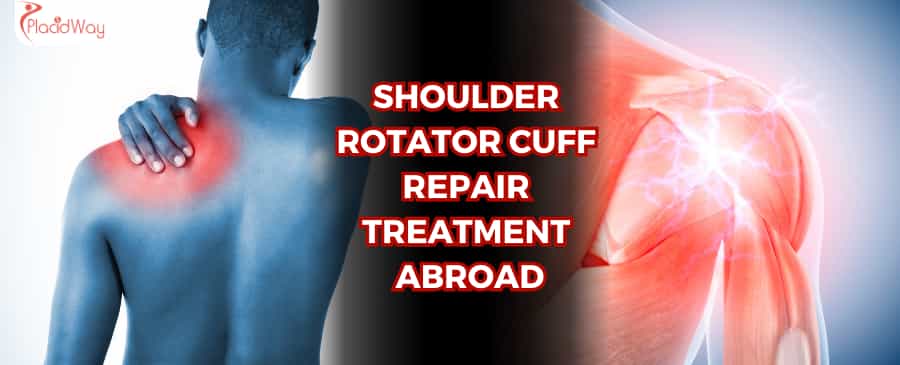
Regain Your Shoulder's Strength: Understanding Rotator Cuff Repair Options
Has persistent shoulder pain stolen your ability to lift, reach, or even sleep comfortably? Many people experience the debilitating effects of a torn rotator cuff, a common injury that can severely impact daily life. You might find yourself searching for "shoulder pain relief," "what is rotator cuff surgery," or "how to fix a torn shoulder tendon," seeking a pathway back to a pain-free, active life.
A healthy shoulder is crucial for countless daily activities, from reaching for a book on a high shelf to participating in sports. When the rotator cuff—a group of four muscles and their tendons that stabilize the shoulder joint—gets torn, it can lead to chronic pain, weakness, and a significant loss of motion. Ignoring these symptoms often leads to further damage and increased discomfort. This is where rotator cuff repair surgery becomes a vital consideration.
Rotator cuff repair is a surgical procedure designed to reattach the torn tendon(s) to the bone in your upper arm (humerus). The goal is to restore the integrity of your shoulder, alleviate pain, and improve your strength and range of motion. It's a common and highly effective treatment for significant rotator cuff tears that don't respond to non-surgical methods like physical therapy or injections. This procedure can be life-changing, allowing you to regain the ability to perform everyday tasks, enjoy hobbies, and return to work or sports without constant discomfort.
If you're experiencing symptoms like a dull ache deep in the shoulder, difficulty raising your arm, weakness when lifting, or pain that worsens at night, it’s essential to consider a diagnosis. Causes often range from acute injuries, like a fall, to degenerative wear and tear over time. Understanding your options for medical treatment abroad, including finding "affordable shoulder surgery" or "best clinics for rotator cuff repair," can open doors to high-quality, cost-effective care. This guide will walk you through everything you need to know about rotator cuff repair, whether you're considering treatment at home or exploring options globally.
What are the common symptoms of a torn rotator cuff?
Recognizing the symptoms of a torn rotator cuff is the first step towards getting the right treatment. Many patients initially dismiss their discomfort as just "shoulder stiffness" or "age-related aches." However, a torn rotator cuff typically presents with distinct signs that warrant medical attention. Patients often search for "signs of a torn shoulder tendon" or "shoulder pain when lifting arm."
- Persistent, Dull Ache: This is perhaps the most common symptom, often felt deep within the shoulder. It can be constant or worsen with specific movements.
- Pain that Worsens at Night: Many individuals with rotator cuff tears find it difficult to sleep on the affected side, and the pain can intensify during nighttime hours.
- Weakness in the Arm: You might notice a significant loss of strength when trying to lift, carry, or rotate your arm. Simple tasks like pouring a drink or reaching for something overhead become challenging.
- Difficulty Reaching Overhead or Behind Your Back: Activities like combing your hair, fastening a bra, or reaching into a back pocket become painful or impossible.
- Crackling or Popping Sensation: Some people report a grinding or popping sound and feeling when moving their shoulder.
- Limited Range of Motion: You may find it hard to move your arm through its full range of motion.
If these symptoms sound familiar, especially if they are severe or persistent, consulting a doctor is crucial for an accurate diagnosis and appropriate treatment plan.
What causes rotator cuff tears and who is at risk?
Understanding the causes can help in prevention and identifying why your shoulder might be hurting. People often search for "causes of shoulder tendon damage" or "who gets rotator cuff tears."
There are generally two main categories of rotator cuff tears:
- Acute Tears: These happen suddenly, often due to a specific injury. Examples include:
- Falling on an outstretched arm.
- Lifting a heavy object with a sudden jerking motion.
- An impact from an accident, such as a car crash.
- Degenerative Tears: These develop over time due to a gradual wearing down of the tendon. This is more common in older adults. Factors contributing to degenerative tears include:
- Age: The risk of a tear increases significantly with age; tendons naturally degenerate.
- Repetitive Stress: Repeated overhead activities common in sports (baseball, tennis) and certain occupations (painters, carpenters) can cause tendons to fray and tear.
- Lack of Blood Supply: As we age, blood supply to the rotator cuff tendons decreases, impairing the body's natural ability to repair minor damage.
- Bone Spurs: Overgrowth of bone on the underside of the acromion (a part of the shoulder blade) can rub on the rotator cuff tendon when the arm is lifted, leading to impingement and eventual tearing.
Risk factors include age (over 40), participating in overhead sports, jobs requiring repetitive arm movements, and a family history of rotator cuff issues.
What types of rotator cuff repair surgery are available?
When considering surgical options, patients often ask, "What are the surgical options for torn rotator cuff?" or "Difference between arthroscopic and open shoulder surgery." The type of repair depends on several factors, including the size and location of the tear, the quality of the tendon tissue, and the surgeon's experience.
- Arthroscopic Repair: This is the most common and least invasive method. The surgeon uses a small camera (arthroscope) and specialized instruments inserted through tiny incisions (keyholes). They reattach the torn tendon to the bone using small anchors.
- Benefits: Smaller incisions, less pain, faster initial recovery, lower risk of infection.
- Ideal for: Most rotator cuff tears.
- Open Repair: In this traditional method, the surgeon makes a larger incision (several inches) to directly visualize and repair the torn tendon. This might be necessary for very large or complex tears, or if other procedures (like bone spur removal) are also needed.
- Benefits: Direct visualization for complex tears.
- Ideal for: Large, complex tears, or when other open procedures are required.
- Mini-Open Repair: This technique combines elements of both arthroscopic and open surgery. The arthroscope is used to assess the tear and address other issues, while a smaller incision (about 3-5 cm) is made to directly repair the tendon.
- Benefits: Less invasive than open, good visualization for repair.
- Ideal for: Tears that are too large for arthroscopic-only repair but don't require a full open incision.
- Superior Capsular Reconstruction (SCR): For irreparable tears where the tendon quality is too poor for direct repair, a patch of tissue (often from a cadaver or animal) is used to reconstruct the upper capsule of the shoulder joint, providing stability and improving function.
- Benefits: Option for severe, irreparable tears.
- Reverse Total Shoulder Arthroplasty: In very severe cases, particularly for older patients with irreparable tears and significant arthritis, a reverse shoulder replacement might be considered. This alters the joint mechanics, allowing other muscles to lift the arm.
- Benefits: Can restore significant function in severe cases.
Your surgeon will discuss the best approach based on your specific condition and diagnostic imaging (MRI).
Am I a good candidate for rotator cuff surgery?
Deciding whether surgery is right for you is a crucial step. Patients often ask, "When is rotator cuff surgery necessary?" or "Who qualifies for shoulder surgery?"
You might be considered a good candidate for rotator cuff repair if:
- You have a significant tear: Tears larger than 3 cm, or full-thickness tears, are more likely to benefit from surgery than partial tears.
- Non-surgical treatments have failed: You've tried physical therapy, rest, anti-inflammatory medications, and corticosteroid injections for 6-12 months without significant improvement in pain or function.
- Your symptoms are severe: You experience persistent, debilitating pain, significant weakness, or substantial loss of shoulder function that interferes with daily activities or sleep.
- You have an acute, traumatic tear: Tears resulting from a recent injury, especially in younger, active individuals, often benefit from early surgical intervention to prevent the tear from enlarging.
- You are in good general health: You don't have medical conditions that would significantly increase the risks associated with surgery and anesthesia.
- You are committed to rehabilitation: Post-surgical physical therapy is critical for a successful outcome. Candidates must be willing and able to participate fully in this process.
Conversely, surgery might be delayed or not recommended if the tear is very small and doesn't cause significant symptoms, if you have other serious health conditions, or if the tendon quality is very poor (in which case other procedures might be considered).
What is the typical recovery time after rotator cuff repair?
Recovery is a gradual process and requires patience and dedication. Patients often search for "rotator cuff surgery recovery timeline" or "how long after shoulder surgery until normal."
The recovery process can be broken down into several phases:
- Initial Immobilization (0-6 weeks):
- Immediately after surgery, your arm will be in a sling to protect the repair and allow the tendon to heal.
- You'll likely start gentle passive range-of-motion exercises (where a therapist moves your arm) within a few days to weeks.
- Pain management will be a key focus during this phase.
- Early Rehabilitation (6-12 weeks):
- The sling is gradually removed, and you'll begin active-assisted and then active range-of-motion exercises.
- The goal is to restore flexibility without putting stress on the healing tendon.
- Strengthening Phase (3-6 months):
- Once sufficient healing has occurred, strengthening exercises are introduced.
- This phase focuses on rebuilding the strength of the rotator cuff and surrounding shoulder muscles.
- Return to Activity (6-12+ months):
- Gradual return to more demanding activities, including sports or heavy lifting, occurs under the guidance of your therapist and surgeon.
- Full recovery, including maximal strength and endurance, can take up to a year or even longer for some individuals.
Adherence to your physical therapy program is paramount for a successful outcome. Skipping exercises or trying to rush recovery can lead to re-injury or poor results.
What are the risks and side effects of rotator cuff surgery?
While rotator cuff repair is generally safe and effective, it's important to be aware of potential complications. Patients often inquire about "risks of shoulder surgery" or "what are the side effects of rotator cuff repair."
Potential risks and side effects include:
- Infection: Though rare, infection can occur at the incision site or within the joint.
- Nerve or Blood Vessel Damage: There's a small risk of damage to surrounding nerves or blood vessels during the procedure.
- Anesthesia Complications: Risks associated with general anesthesia, such as nausea, vomiting, or more serious reactions.
- Stiffness (Frozen Shoulder/Adhesive Capsulitis): The shoulder joint can become stiff and painful, limiting motion. This is often managed with physical therapy but can sometimes require further intervention.
- Failure of the Tendon to Heal (Re-tear): Despite surgical repair, the tendon may not heal properly or could re-tear, especially in cases of very large tears, poor tendon quality, or non-compliance with post-operative instructions.
- Pain: While surgery aims to relieve pain, some discomfort is expected during recovery, and in some cases, chronic pain can persist.
- Scar Tissue Formation: Excessive scar tissue can sometimes limit movement.
- Hardware Irritation: The anchors used to reattach the tendon can occasionally cause irritation.
- Swelling and Bruising: Common immediate side effects around the surgical site.
Your surgeon will discuss these risks with you and take precautions to minimize them. Choosing an experienced surgeon and diligently following post-operative care instructions can significantly reduce the likelihood of complications.
How much does rotator cuff repair cost globally?
Cost is a major factor for many patients, leading to searches like "rotator cuff surgery cost comparison" or "affordable shoulder surgery abroad." The price of rotator cuff repair can vary dramatically depending on the country, the clinic, the type of procedure (arthroscopic vs. open), the surgeon's fees, and whether physical therapy and post-operative care are included.
| Country | Estimated Cost Range (USD) | Notes |
|---|---|---|
| USA | $20,000 - $50,000+ | High costs, extensive insurance reliance. |
| Canada | $15,000 - $30,000+ | Costs vary for private options, public system generally free for residents. |
| Mexico | $6,000 - $12,000 | Popular for US patients seeking affordable, high-quality care. |
| Costa Rica | $7,000 - $13,000 | Known for quality medical tourism, pleasant recovery environment. |
| Turkey | $5,000 - $10,000 | Emerging medical tourism hub, modern facilities. |
| India | $4,500 - $9,000 | Highly competitive prices, internationally accredited hospitals. |
| Thailand | $7,000 - $14,000 | Excellent private hospitals, combines treatment with vacation. |
| Germany | $12,000 - $25,000 | High-quality care with advanced technology, but higher costs than Asia/Latin America. |
These figures are estimates and can fluctuate. It's crucial to get a detailed quote that includes all aspects of treatment, from consultation to post-operative care.
Why consider rotator cuff repair abroad?
The decision to travel for medical treatment, often referred to as medical tourism, is becoming increasingly popular for procedures like rotator cuff repair. Many patients search for "medical tourism for shoulder surgery" or "benefits of surgery overseas."
- Cost Savings: This is often the primary driver. As seen in the table above, the cost of rotator cuff repair in countries like Mexico, India, or Turkey can be a fraction of the price in Western countries, even when factoring in travel expenses.
- Access to High-Quality Care: Many international hospitals boast state-of-the-art technology and highly experienced, internationally trained surgeons, often with certifications from renowned global bodies.
- Reduced Waiting Times: In some countries, public healthcare systems can have long waiting lists for orthopedic procedures. Traveling abroad can provide immediate access to necessary surgery.
- Combining Treatment with Travel: Patients can combine their treatment with a vacation, recovering in a comfortable, often scenic, environment, which can enhance the overall experience and reduce stress.
- Privacy and Anonymity: Some individuals prefer the discretion offered by seeking treatment away from their home country.
For those facing high out-of-pocket costs, limited insurance coverage, or long waits, medical tourism presents a compelling alternative for achieving effective relief from shoulder pain.
Which countries offer the best value for rotator cuff surgery?
Finding the "best country for rotator cuff surgery" involves balancing cost, quality, and the overall patient experience. Based on common medical tourism trends and patient feedback, several countries consistently stand out:
- Mexico: Particularly popular for patients from the United States and Canada due to its proximity. Mexico offers highly competitive prices, modern facilities, and many U.S.-board-certified surgeons. Cities like Tijuana, Cancun, and Guadalajara are medical tourism hotspots.
- Costa Rica: Known for its beautiful environment and high-quality, personalized care. It's an excellent option for those seeking a relaxing recovery alongside their treatment.
- Turkey: An emerging leader in medical tourism, Turkey provides excellent, modern hospitals with English-speaking staff at very attractive prices. Istanbul and Ankara are key centers.
- India: A global powerhouse for medical tourism, India offers state-of-the-art medical facilities and highly skilled surgeons at some of the lowest prices worldwide. Many hospitals are JCI-accredited.
- Thailand: Combining world-class hospitals with a renowned hospitality industry, Thailand provides a comfortable and efficient medical tourism experience. Bangkok is a major hub for various medical procedures.
When selecting a country, consider not only the surgical cost but also travel expenses, accommodation, and the duration of your stay for follow-up appointments and physical therapy.
What to expect when traveling for this procedure?
Traveling for surgery requires careful planning. Patients often ask, "Planning for shoulder surgery abroad" or "What's involved in medical travel?" Here’s a general overview:
- Pre-Trip Coordination: You'll typically work with a medical tourism facilitator (like PlacidWay) or directly with the international clinic. This involves sharing medical records, getting a personalized treatment plan and quote, and scheduling your surgery. Visa requirements for your chosen country will also need to be checked.
- Travel Logistics: Booking flights, arranging airport transfers, and securing accommodation (often near the hospital for convenience) are essential steps.
- Arrival and Consultation: Upon arrival, you'll have a thorough consultation with your surgeon, including physical examinations and potentially further diagnostic tests to finalize the surgical plan.
- The Procedure and Hospital Stay: The surgery itself will be performed. You'll then typically stay in the hospital for a few days for initial recovery and monitoring.
- Post-Operative Recovery Abroad: After discharge, you'll need to stay in the country for a period (often 1-3 weeks, depending on the procedure and surgeon's recommendation) to attend follow-up appointments, wound care, and begin initial physical therapy. This ensures you are stable enough for travel home.
- Return Home and Continued Rehabilitation: Once cleared to travel, you'll return home to continue your physical therapy regimen. It's wise to have a local physical therapist lined up and communicate with your international surgeon for ongoing guidance.
Packing for your trip should include comfortable, loose-fitting clothing that is easy to put on over a sling, and any personal items you'll need for an extended stay.
How can I ensure safety and quality abroad for rotator cuff repair?
Patient safety and treatment quality are paramount concerns when considering medical procedures abroad. Patients frequently search for "safe shoulder surgery overseas" or "checking surgeon credentials abroad."
Here’s how to ensure you receive top-tier care:
- Choose Accredited Facilities: Look for hospitals that have international accreditations like Joint Commission International (JCI), ISO, or local government health ministry certifications. These indicate adherence to high standards of patient care and safety.
- Verify Surgeon Credentials: Research your surgeon's qualifications, experience, and specialization. Many international surgeons are U.S. or European board-certified or have received training in these regions. Ask about their specific experience with rotator cuff repair.
- Read Patient Reviews and Testimonials: Look for unbiased reviews and success stories from previous international patients. Medical tourism facilitators often provide these.
- Utilize Reputable Medical Tourism Facilitators: Companies like PlacidWay specialize in vetting clinics and surgeons, coordinating travel logistics, and providing support throughout your journey, adding a layer of security.
- Clear Communication: Ensure there are no language barriers. Many international hospitals cater to English-speaking patients and provide interpreters if needed.
- Understand the Full Package: Clarify what is included in the cost (surgery, anesthesia, hospital stay, physical therapy, follow-ups). Ask about contingency plans for complications and emergency procedures.
- Prepare Medical Records: Provide all relevant medical history, diagnostic images (MRI), and reports to the international medical team for a comprehensive assessment.
By being diligent and asking the right questions, you can significantly mitigate risks and ensure a high-quality outcome.
Can I hear about patient success stories from abroad?
Hearing about others' experiences can provide reassurance and insight. Patients often look for "rotator cuff surgery testimonials overseas" or "successful shoulder surgery stories abroad." While individual results vary, many patients who travel for rotator cuff repair share positive outcomes.
For example, a patient from the U.S. might share: "After a sports injury, I had a severe rotator cuff tear. My local quotes were astronomical. I found a clinic in Costa Rica through PlacidWay. The surgeon was excellent, the facility was modern, and the entire staff was incredibly supportive. I saved over $15,000, and after dedicated physical therapy, I'm back on the golf course with no pain!"
Another might say: "I suffered from chronic shoulder pain for years, limiting my ability to even comb my hair. I chose to go to Turkey for my rotator cuff repair. The experience was seamless – from airport pickup to my post-op appointments. The cost was unbelievably low compared to what I expected. My shoulder feels strong again, and I've regained full range of motion. It was the best decision for my health and my wallet."
These stories highlight not only the financial benefits but also the positive patient experience, including the quality of surgical expertise, attentive post-operative care, and the overall efficiency of medical tourism services. These narratives underscore the potential for a renewed quality of life after successful rotator cuff repair abroad.
Take the Next Step with PlacidWay
Ready to explore treatment options abroad? Discover top clinics, compare prices, and get a free quote tailored to your needs with PlacidWay.
Orthopedic Surgery Abroad, Knee Sugery Abroad




.png)
.png)
.png)



.png)

.png)
.png)












Share this listing