
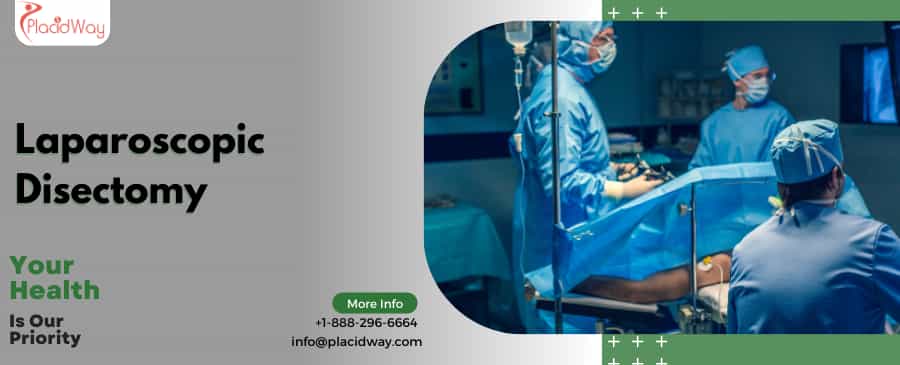
Relieve Chronic Back Pain: Understanding Laparoscopic Discectomy for a Healthier Spine
Living with chronic back and leg pain can feel like carrying a heavy burden, impacting every aspect of your life. If you're experiencing persistent discomfort, numbness, or weakness due to a herniated disc, and conservative treatments haven't provided relief, you might be exploring advanced solutions. One such option gaining prominence for its effectiveness and minimal invasiveness is Laparoscopic Discectomy.
This procedure offers a modern approach to alleviating the pressure a herniated disc places on your spinal nerves. Unlike traditional open surgery, Laparoscopic Discectomy utilizes small incisions and specialized instruments, leading to less pain, reduced scarring, and a significantly faster recovery. It's a beacon of hope for individuals seeking lasting relief from conditions like sciatica, allowing them to reclaim their mobility and quality of life.
For many, the high costs or long waiting lists for such specialized spine surgery in their home country make medical tourism an increasingly attractive path. Patients worldwide are discovering that top-tier Laparoscopic Discectomy treatments are available abroad, often at a fraction of the cost, without compromising on quality or care. This guide will delve into everything you need to know about Laparoscopic Discectomy, from understanding the underlying causes of your pain to navigating your options for treatment overseas.
What Are the Symptoms of a Herniated Disc?
A herniated disc, often called a "slipped disc," can manifest with a variety of symptoms, primarily depending on where in the spine it occurs and which nerve roots are affected. Most commonly, herniated discs occur in the lower back (lumbar spine) or neck (cervical spine).
- Radiating Pain (Sciatica): This is the most classic symptom, especially for lumbar herniations. The pain starts in the lower back and travels down the buttocks, into the leg, and sometimes to the foot. It often feels like a sharp, burning, or electric shock sensation. For cervical herniations, pain can radiate into the shoulder, arm, hand, or fingers.
- Numbness or Tingling: Patients often describe a "pins and needles" sensation or numbness in the area served by the affected nerve. This can occur in the leg, foot, arm, or hand.
- Muscle Weakness: The compressed nerve can interfere with muscle function, leading to weakness in certain muscles of the leg or arm. For instance, a foot drop (difficulty lifting the front part of the foot) can be a sign of a severe lumbar herniation.
- Localized Back or Neck Pain: While radiating pain is prominent, you might also feel pain directly at the site of the herniation. This pain can range from a dull ache to a sharp, intense pain that worsens with movement.
- Pain that Worsens with Movement: Bending, twisting, sitting, coughing, or sneezing can often intensify the pain as these actions put pressure on the disc and nerves.
If you're experiencing persistent leg pain, tingling in your foot, or weakness in your arm, it's crucial to seek medical advice to determine the underlying cause and explore effective treatment options.
What Causes a Herniated Disc and Who is at Risk?
The discs in your spine act as shock absorbers between your vertebrae. Each disc has a tough outer ring (annulus fibrosus) and a soft, gel-like center (nucleus pulposus). A herniated disc occurs when the soft inner material pushes through a tear in the outer ring, irritating nearby nerves.
Here are the common causes and risk factors:
- Age-Related Degeneration: This is the most common cause. As we age, our discs lose water content, becoming less flexible and more prone to tearing. This natural "wear and tear" process can make discs more susceptible to herniation.
- Sudden Injury or Trauma: A fall, a car accident, or other direct trauma to the spine can cause a disc to herniate.
- Improper Lifting Techniques: Using your back muscles instead of your leg muscles to lift heavy objects can strain the spine and lead to a herniated disc.
- Repetitive Strain: Jobs that involve frequent bending, twisting, lifting, or prolonged sitting can increase the risk.
- Obesity: Excess body weight puts additional stress on the discs in your lower back.
- Genetics: Some individuals may have a genetic predisposition to disc problems.
- Smoking: Nicotine can reduce blood flow to spinal discs, accelerating degeneration and making them more fragile.
- Sedentary Lifestyle: Lack of regular exercise can weaken core muscles, which are vital for supporting the spine.
- Poor Posture: Maintaining incorrect posture for extended periods, especially while sitting, can put undue pressure on the spinal discs.
Understanding these factors can help in prevention and in identifying why a herniation might have occurred.
What Types of Discectomy Procedures Are Available?
Discectomy procedures aim to remove the portion of the herniated disc that is pressing on a spinal nerve. While the goal is the same, the surgical approach can vary significantly in invasiveness:
- Open Discectomy: This is the traditional approach, involving a larger incision (several inches) and retraction of muscles to access the spine. It allows the surgeon a direct, wide view but comes with more tissue disruption, greater post-operative pain, and a longer recovery period.
- Microdiscectomy: This is the most common and widely accepted minimally invasive discectomy. Performed with a small incision (1-2 inches), the surgeon uses a microscope or specialized magnifying loupes to visualize the disc and nerve. Muscles are typically dilated rather than cut, leading to less tissue damage, reduced blood loss, and faster recovery compared to open surgery.
- Endoscopic Discectomy: Even less invasive than microdiscectomy, this technique uses a tiny incision (less than 1 inch) through which a small camera (endoscope) and surgical instruments are inserted. The endoscope provides a magnified view on a monitor, allowing precise removal of the herniated disc material. This approach is often associated with minimal pain and very rapid recovery.
- Laparoscopic Discectomy: While 'laparoscopic' typically refers to abdominal surgery, in the context of spine, it generally implies a highly advanced, minimally invasive approach, often falling under the umbrella of endoscopic or percutaneous techniques. For lumbar spine issues, a true "laparoscopic" approach would involve an anterior (front) approach to the spine, usually through the abdomen. This is less common for simple herniated disc removal and more often used in conjunction with spinal fusion for severe instability, or in very specific cases where a posterior approach is not feasible. The term is sometimes used more broadly to convey "highly advanced minimally invasive." In general, "minimally invasive discectomy" often refers to microdiscectomy or endoscopic discectomy, which are the primary advancements in disc removal surgery.
The choice of procedure depends on the specific characteristics of the herniation, the surgeon's expertise, and the patient's overall health. Your doctor will discuss the best option for your condition.
Am I a Candidate for Laparoscopic Discectomy?
Deciding on spine surgery is a significant step. Here’s a breakdown of typical criteria that make someone a good candidate for Laparoscopic (or generally, minimally invasive) Discectomy:
- Confirmed Herniated Disc: Imaging tests, primarily an MRI scan, must clearly show a herniated disc that is pressing on a spinal nerve root.
- Persistent Radicular Pain: Your primary symptom should be leg pain (sciatica) or arm pain that is more severe than your back or neck pain, indicating nerve compression. This pain usually doesn't improve with activity and may worsen.
- Failure of Conservative Treatments: You should have undergone at least 6-12 weeks of non-surgical treatments without significant improvement. These can include physical therapy, anti-inflammatory medications, pain relievers, and epidural steroid injections.
- Neurological Deficits: While not always required, signs like progressive muscle weakness, numbness, or loss of reflexes in the affected limb strengthen the case for surgery. However, severe, rapidly worsening neurological deficits (like cauda equina syndrome, leading to bowel/bladder dysfunction) require emergency surgery and may not be suitable for an elective laparoscopic approach.
- Good Overall Health: You should be in reasonably good health, able to tolerate anesthesia and surgery. Certain chronic conditions might increase surgical risks, which your surgeon will assess.
- Commitment to Recovery: A willingness to participate in post-operative physical therapy and follow recovery guidelines is crucial for optimal outcomes.
It’s important to have a thorough consultation with a spine specialist who can review your medical history, symptoms, and imaging results to determine if this procedure is the right course of action for your specific situation.
What is the Recovery Time and What Can I Expect After Laparoscopic Discectomy?
One of the main advantages of a minimally invasive discectomy is the comparatively quicker recovery. Here's a general timeline and what you can expect:
- Immediately After Surgery (Hospital Stay): You'll typically be discharged within 1-2 days. You'll likely feel some incision site pain, which will be managed with medication. Many patients experience immediate relief from leg pain as the nerve pressure is gone. You'll be encouraged to walk gently soon after surgery.
- First Few Weeks (0-4 weeks):
- Pain Management: Continue with prescribed pain medication as needed.
- Activity Restrictions: Avoid bending, twisting, heavy lifting, and prolonged sitting. Light walking is encouraged.
- Physical Therapy: Your surgeon will likely prescribe physical therapy to start within a few weeks, focusing on gentle stretching, core strengthening, and proper body mechanics.
- Return to Work: For sedentary jobs, you might return to light duty or remote work within 2-4 weeks. Physically demanding jobs will require a longer break.
- Intermediate Recovery (4-12 weeks):
- Increased Activity: Gradually increase your activity level as guided by your physical therapist.
- Strength Building: Focus on strengthening your core and back muscles to support your spine.
- Driving: You can usually resume driving after 2-4 weeks, once you are off strong pain medication and can comfortably operate a vehicle.
- Full Recovery (3-6 months):
- Most patients experience significant improvement and can return to most normal activities, including sports, around 3-6 months post-surgery. Full benefits of the surgery and continued strengthening can extend even longer.
It's vital to follow your surgeon's specific post-operative instructions and commit to your physical therapy program to ensure the best possible long-term outcome.
What are the Risks and Side Effects of Laparoscopic Discectomy?
Like any surgical procedure, Laparoscopic Discectomy carries potential risks and side effects, though serious complications are uncommon, especially with experienced surgeons and modern techniques. It's important to discuss these with your surgeon.
- General Surgical Risks:
- Infection: At the incision site or within the disc space.
- Bleeding: Usually minor, but can sometimes require a blood transfusion.
- Anesthesia Complications: Reactions to medication, breathing problems, or other issues related to general anesthesia.
- Blood Clots: Deep vein thrombosis (DVT) in the legs, which can potentially travel to the lungs (pulmonary embolism).
- Specific Risks of Discectomy:
- Nerve Damage: Though rare, there's a small risk of damage to the spinal nerves, which could lead to increased pain, numbness, or weakness.
- Dural Tear (CSF Leak): The dura is a membrane surrounding the spinal cord and nerves, containing cerebrospinal fluid (CSF). A tear can occur during surgery, leading to CSF leakage. This usually heals on its own but may require additional surgery or bed rest.
- Disc Re-herniation: The disc can herniate again at the same or a different level. This occurs in a small percentage of patients (around 5-15%) and may require further surgery.
- Persistent Pain: Sometimes, even after successful surgery, some residual pain or nerve symptoms may persist, especially if nerve compression was long-standing.
- Bowel or Bladder Dysfunction: Extremely rare but serious, often associated with severe nerve damage.
- Injury to Abdominal Organs (for anterior approach): Specific to truly laparoscopic or anterior approaches, there is a very small risk of injury to blood vessels or organs within the abdominal cavity.
Your surgical team will take all necessary precautions to minimize these risks. Open communication with your doctor about any concerns is always recommended.
Laparoscopic Discectomy Cost Comparison Worldwide
One of the primary drivers for considering Laparoscopic Discectomy abroad is the significant cost difference. Prices can fluctuate based on the country, the clinic's reputation, the surgeon's experience, the specific technique used, and what's included in the package (e.g., hospital stay, pre-op tests, physical therapy, accommodation).
| Country | Estimated Cost Range (USD) | Notes |
|---|---|---|
| USA | $20,000 - $50,000+ | Highest costs, often due to facility fees, surgeon fees, and complex billing. |
| UK | $13,000 - $32,000 (£10,000 - £25,000) | Private sector costs can be high, long waiting lists for public healthcare. |
| Germany | $11,000 - $27,000 (€10,000 - €25,000) | Known for high medical standards and advanced technology. |
| Mexico | $6,000 - $12,000 | Popular for US patients due to proximity and significant savings. |
| Turkey | $5,000 - $10,000 | Emerging medical hub with modern facilities and experienced surgeons. |
| India | $4,000 - $8,000 | Very competitive pricing with highly skilled doctors and accredited hospitals. |
| Thailand | $5,000 - $10,000 | Combines excellent medical care with appealing tourist destinations. |
*These are estimated ranges and can vary widely. It is crucial to get a personalized quote that includes all aspects of your treatment.
As you can see, the savings can be substantial, making life-changing surgery accessible to more people.
Why Consider Laparoscopic Discectomy Abroad?
The decision to seek medical treatment abroad is becoming increasingly common for various procedures, and Laparoscopic Discectomy is no exception. Here are compelling reasons why patients choose medical tourism:
- Significant Cost Savings: As shown in the table above, the cost difference can be tens of thousands of dollars, making treatment affordable for those without adequate insurance or with high deductibles.
- Access to Immediate Care: In many Western countries, waiting lists for non-emergency spine surgeries can be months long, causing prolonged pain and disability. Medical tourism offers the ability to schedule surgery much sooner.
- World-Class Facilities and Technology: Many international hospitals catering to medical tourists boast state-of-the-art equipment, modern infrastructure, and highly advanced surgical suites comparable to or exceeding those in developed nations.
- Highly Experienced Surgeons: Surgeons in popular medical tourism destinations often perform a high volume of these specific procedures, leading to deep expertise and refined techniques. Many are internationally trained and board-certified.
- Comprehensive Care Packages: Many clinics and medical tourism facilitators offer all-inclusive packages that cover not just the surgery, but also pre-operative tests, post-operative care, physical therapy, accommodation, airport transfers, and even translation services.
- Privacy and Anonymity: Some patients prefer to undergo significant medical procedures away from their home country for privacy reasons.
- Opportunity for a Healing Vacation: Combining surgery with recovery in a relaxing, sometimes resort-like environment can be a beneficial psychological boost for patients.
These factors combine to make medical tourism for Laparoscopic Discectomy a practical and attractive option for many seeking effective back pain relief.
Which Countries Offer the Best Value for Laparoscopic Discectomy?
When seeking high-quality, affordable Laparoscopic Discectomy abroad, several countries consistently stand out:
- Mexico:
- Pros: Proximity to the United States and Canada, competitive pricing, accredited facilities, and bilingual staff. Offers excellent value for US patients.
- Focus: General medical tourism destination, strong in a variety of procedures including spine.
- Turkey:
- Pros: Modern, well-equipped hospitals, highly qualified surgeons (often European-trained), and very competitive prices. Istanbul is a major medical tourism hub.
- Focus: Rapidly growing medical tourism sector with significant government investment in healthcare infrastructure.
- India:
- Pros: Renowned for highly skilled surgeons, JCI-accredited hospitals, and extremely low costs, especially for complex procedures. English is widely spoken in medical settings.
- Focus: High-volume surgical procedures, particularly in orthopedics and neurosurgery.
- Thailand:
- Pros: Excellent hospitality, state-of-the-art private hospitals, and a pleasant recovery environment often combined with a vacation. English-speaking staff are common.
- Focus: Blends top-tier medical care with a strong emphasis on patient comfort and tourism.
- Germany:
- Pros: While generally higher priced than Asian or Latin American options, Germany offers some of the highest standards of medical care and technological advancement in Europe. Excellent for those seeking European quality at a slightly reduced cost compared to the UK or US.
- Focus: Precision medicine, cutting-edge technology, and rigorous quality control.
Each country offers unique advantages, and the "best" choice depends on your budget, desired level of luxury, geographic preference, and specific medical needs.
What to Expect When Traveling for Laparoscopic Discectomy Abroad?
Embarking on a medical journey abroad might seem daunting, but with proper planning, it can be a smooth and rewarding experience. Here's a general overview of what to expect:
- Initial Inquiry and Consultation:
- You'll typically start by contacting a medical tourism facilitator like PlacidWay or a specific clinic.
- You'll be asked to provide your medical records, including MRI scans, X-rays, and diagnostic reports.
- An international patient coordinator will review your case, discuss suitable surgeons/clinics, and provide a treatment plan and cost estimate. Virtual consultations with the surgeon are often arranged.
- Pre-Trip Planning:
- Once you decide on a destination and clinic, assistance will be provided for visa applications (if needed), flight bookings, and accommodation arrangements.
- You'll receive a detailed itinerary for your medical trip.
- Arrival and Pre-Operative Phase:
- Upon arrival, you'll typically be met at the airport and transferred to your accommodation or directly to the hospital.
- You'll have an in-person consultation with your surgeon, undergo any final diagnostic tests, and prepare for surgery.
- The Procedure and Hospital Stay:
- The Laparoscopic Discectomy procedure will be performed.
- You'll stay in the hospital for 1-2 days for observation and initial recovery.
- Post-Operative Recovery and Follow-up:
- After discharge, you'll recover in your accommodation, often attending follow-up appointments and starting initial physical therapy sessions.
- Most patients stay for 7-14 days in the destination country to ensure they are stable enough to travel safely.
- Return Home:
- Before returning, you'll receive detailed post-operative instructions, medication, and recommendations for continued physical therapy in your home country.
- Telemedicine follow-ups with your surgeon abroad might also be an option.
A good medical tourism facilitator will guide you through each step, making the process as seamless as possible.
How to Ensure Safety and Quality for Spine Surgery Abroad?
Your health and safety are paramount. While medical tourism offers many benefits, due diligence is crucial. Here's how to ensure a high standard of care:
- Choose JCI Accredited Hospitals: Look for hospitals accredited by Joint Commission International (JCI). JCI accreditation signifies that a hospital meets rigorous international standards for patient care and safety. This is a globally recognized benchmark of quality.
- Verify Surgeon Credentials and Experience:
- Ensure your surgeon is board-certified in neurosurgery or orthopedic spine surgery.
- Inquire about their experience with Laparoscopic Discectomy specifically – how many procedures have they performed? What are their success rates?
- Check for international training or affiliations with renowned medical institutions.
- Read Patient Reviews and Testimonials: Seek out genuine reviews from previous international patients. Websites, forums, and medical tourism platforms can be valuable resources.
- Utilize Reputable Medical Tourism Facilitators: Companies like PlacidWay specialize in connecting patients with vetted, high-quality international providers. They conduct their own due diligence, assist with communication, logistics, and often have direct relationships with hospitals, ensuring better coordination and advocacy for the patient.
- Transparent Communication: Ensure clear and direct communication with the medical team regarding your diagnosis, treatment plan, risks, expected outcomes, and post-operative care. Don't hesitate to ask questions until you feel fully informed.
- All-Inclusive Packages and Transparency in Pricing: Opt for packages that clearly outline all costs (surgery, anesthesia, hospital stay, medications, physical therapy, transfers) to avoid hidden fees.
- Understand Follow-up Care: Confirm how post-operative care and any potential complications will be managed once you return home.
By taking these steps, you can significantly mitigate risks and enhance your chances of a successful and safe treatment experience abroad.
What are Patient Success Stories and Outcomes for Discectomy Abroad?
Patient success stories are powerful indicators of the effectiveness of Laparoscopic Discectomy, both domestically and internationally. For those who travel abroad, these stories often highlight additional benefits:
- Dramatic Pain Relief: A recurring theme is the immediate and significant reduction in leg pain (sciatica) after surgery. Patients often describe it as an instant release from chronic agony, allowing them to finally sleep comfortably and move freely.
- Improved Mobility and Function: Many testimonials speak to regaining the ability to walk, stand, sit, and engage in daily activities without limitations. This restoration of function is crucial for returning to work, hobbies, and an active lifestyle.
- Enhanced Quality of Life: Beyond physical relief, patients frequently report a profound improvement in their overall quality of life, citing a return to happiness, independence, and the ability to enjoy time with family and friends.
- Praise for International Medical Teams: Patients often commend the compassionate care, professionalism, and expertise of the doctors, nurses, and support staff in international hospitals. Many are surprised by the personalized attention they receive.
- Affordability and Accessibility: The ability to access high-quality surgery at a fraction of the cost, without long waiting lists, is a major positive. Many patients express gratitude for being able to afford a procedure that would have been financially out of reach in their home country.
- Seamless Travel Experience: Testimonials often include positive remarks about the well-organized logistics, from airport transfers to accommodation, making the entire medical journey stress-free.
While individual results can vary, the overwhelming sentiment from patients who undergo Laparoscopic Discectomy abroad is one of satisfaction and renewed hope for a pain-free future. These success stories serve as inspiration and reassurance for others considering this life-changing procedure.
Take the Next Step with PlacidWay
Ready to explore treatment options abroad? Discover top clinics, compare prices, and get a free quote tailored to your needs with PlacidWay.
Affordable Spine Surgery | Best Spine Surgery Abroad


.png)
.jpg)

.png)




.png)
.png)
.png)
.png)











Share this listing