
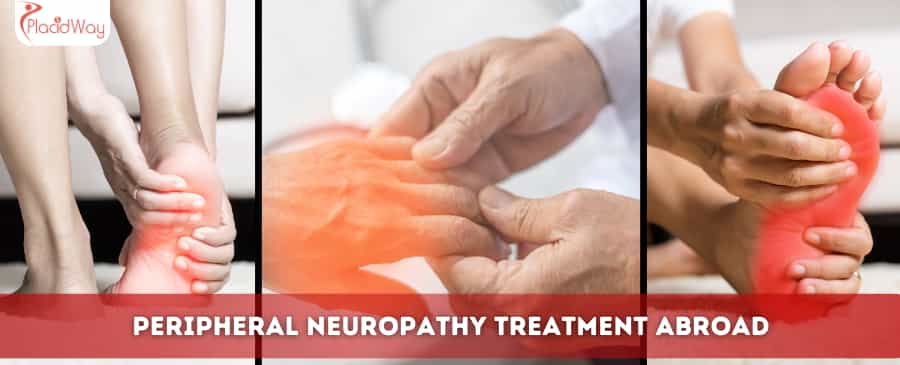
Finding Relief: Comprehensive Guide to Peripheral Neuropathy Treatment
Are you experiencing persistent tingling, numbness, burning pain, or muscle weakness in your hands or feet? These could be signs of peripheral neuropathy, a condition affecting millions worldwide. Living with nerve damage can be debilitating, impacting your daily life, sleep, and overall well-being. But there's hope. Understanding your condition and exploring effective treatment options is the first step towards finding relief and reclaiming your quality of life.
Peripheral neuropathy occurs when nerves outside of your brain and spinal cord are damaged, often leading to pain, weakness, and numbness, most commonly in the hands and feet. For many, the journey to diagnosis and effective treatment can be long and frustrating. However, advancements in medical science, combined with the growing accessibility of global healthcare, mean that more innovative and affordable solutions are within reach. This guide will delve into everything you need to know about peripheral neuropathy treatment, from understanding its symptoms and causes to exploring advanced therapies, comparing costs internationally, and navigating the exciting possibilities of medical tourism.
Whether you're struggling with "what are the best treatments for nerve pain?" or searching for "affordable neuropathy relief," we're here to provide clarity and guidance. We understand that living with chronic nerve pain can make simple tasks feel monumental. Our goal is to empower you with knowledge, helping you make informed decisions about your health and discover pathways to a more comfortable, active future. Let's explore how you can find lasting solutions, potentially in a world-class facility abroad, designed to restore your comfort and mobility.
What Are the Signs and Symptoms of Peripheral Neuropathy?
Recognizing the symptoms of peripheral neuropathy is crucial for early diagnosis and treatment. This condition manifests in various ways, depending on which nerves are affected (sensory, motor, or autonomic). Patients frequently search for "what does nerve damage feel like?" or "neuropathy symptoms in hands and feet."
- Numbness or Tingling (Paresthesia): Often described as a "pins and needles" sensation, or a gradual onset of numbness in the hands or feet, which can spread up into the arms and legs.
- Sharp, Burning, or Throbbing Pain: Many describe the pain as electric-shock like, stabbing, or intense burning sensations. This is a common and often debilitating symptom, leading searches like "chronic nerve pain solutions."
- Extreme Sensitivity to Touch: Even light touch, such as from clothing or bedding, can cause severe pain (allodynia).
- Muscle Weakness: Difficulty with coordination, tripping, or feeling like you've lost strength in your limbs.
- Loss of Reflexes: Diminished or absent reflexes.
- Changes in Skin, Hair, or Nails: Due to nerve damage affecting blood vessels and nutrient supply.
- Autonomic Symptoms (less common, but severe): Problems with digestion, bladder or bowel control, blood pressure regulation (dizziness upon standing), or excessive sweating.
If you experience any of these symptoms, especially if they are persistent or worsening, it's important to consult a healthcare professional for an accurate diagnosis.
What Causes Peripheral Neuropathy and Who Is at Risk?
Understanding the underlying cause of peripheral neuropathy is vital for effective treatment. Patients often search for "why do my nerves hurt?" or "risk factors for nerve damage."
Common causes and risk factors include:
- Diabetes: The most common cause, high blood sugar levels can damage nerves throughout the body.
- Autoimmune Diseases: Conditions like lupus, rheumatoid arthritis, Sjögren's syndrome, and Guillain-Barré syndrome can attack nerve tissue.
- Infections: Lyme disease, shingles (postherpetic neuralgia), HIV, Hepatitis B and C, and diphtheria can all lead to nerve damage.
- Trauma or Injury: Accidents, falls, or repetitive stress (like carpal tunnel syndrome) can damage nerves directly.
- Exposure to Toxins: Certain industrial chemicals, heavy metals, and some chemotherapy drugs can be neurotoxic.
- Alcoholism: Poor dietary choices often associated with alcohol abuse can lead to vitamin deficiencies that cause neuropathy.
- Vitamin Deficiencies: Lack of B vitamins (B1, B6, B12, niacin) and Vitamin E can harm nerves.
- Kidney or Liver Disease: These conditions can lead to toxin buildup that damages nerves.
- Tumors: Both cancerous and non-cancerous growths can press on nerves or cause paraneoplastic syndromes that trigger neuropathy.
- Inherited Disorders: Such as Charcot-Marie-Tooth disease.
- Age: Risk increases with age.
- Genetics: Family history can play a role.
In many cases, however, the exact cause (idiopathic neuropathy) remains unknown, even after extensive testing.
What Are the Various Treatment Options for Peripheral Neuropathy?
Treatment for peripheral neuropathy often focuses on addressing the underlying cause, relieving symptoms, and preventing further nerve damage. Patients are often keen to find "what is the newest treatment for peripheral neuropathy?" or "effective nerve pain remedies."
Options include:
- Medications:
- Pain relievers: Over-the-counter pain relievers (NSAIDs) for mild symptoms, or prescription medications for more severe pain.
- Anti-seizure medications: Gabapentin (Neurontin) and Pregabalin (Lyrica) are often used to relieve nerve pain.
- Antidepressants: Tricyclic antidepressants (e.g., amitriptyline) and SNRIs (e.g., duloxetine, venlafaxine) can help by altering pain perception.
- Topical treatments: Capsaicin cream or lidocaine patches can offer localized relief.
- Physical Therapy: Can improve strength, balance, and reduce pain, helping with mobility and function.
- Lifestyle Changes:
- Dietary adjustments: Ensuring adequate vitamin intake, especially B vitamins.
- Exercise: Regular, moderate exercise can improve circulation and reduce symptoms.
- Avoiding alcohol and tobacco: Both can worsen nerve damage.
- Blood sugar control: Crucial for diabetic neuropathy.
- Advanced Therapies:
- Transcutaneous Electrical Nerve Stimulation (TENS): Delivers mild electric current to the skin to block pain signals.
- Plasma Exchange and Intravenous Immune Globulin (IVIG): Used for autoimmune neuropathies to suppress immune system activity.
- Nerve Blocks: Injections of local anesthetics and steroids to block pain signals in specific areas.
- Spinal Cord Stimulation (SCS): A device implanted to send electrical impulses to the spinal cord, modulating pain signals.
- Regenerative Therapies (e.g.stem cell therapy for neuropathy): Emerging treatments that aim to repair or regenerate damaged nerve tissue. While promising, many are still considered experimental in some regions and require thorough vetting.
The best treatment approach is highly individualized and depends on the underlying cause, severity, and patient response.
Am I a Candidate for Peripheral Neuropathy Treatment?
Patients often ask, "who can get nerve treatment?" or "is neuropathy treatable?" Generally, anyone diagnosed with peripheral neuropathy can explore treatment options. However, suitability for specific advanced treatments like stem cell therapy or spinal cord stimulation requires more stringent criteria.
Key factors influencing eligibility include:
- Diagnosis Confirmation: A clear diagnosis of peripheral neuropathy, often through nerve conduction studies, electromyography (EMG), and blood tests, is the first step.
- Underlying Cause: Identifying and managing the cause (e.g., controlling diabetes) is paramount.
- Overall Health: Patients should generally be in stable health without uncontrolled chronic conditions that might complicate treatment or recovery.
- Symptom Severity and Duration: Mild cases might respond to lifestyle changes and basic medications, while severe, chronic pain might warrant more aggressive interventions.
- Response to Previous Treatments: If conventional therapies haven't provided sufficient relief, advanced options may be considered.
- Patient Expectations: Realistic expectations about treatment outcomes are crucial, especially for conditions that might not be fully curable.
- Specific Treatment Criteria: For highly specialized treatments, clinics will have their own detailed eligibility criteria based on the treatment protocol, patient's medical history, and specific type of neuropathy.
A consultation with a neurologist or pain specialist is essential to assess your individual case and determine the most appropriate and effective treatment plan.
What Is the Recovery Time and What Can I Expect After Neuropathy Treatment?
Recovery from peripheral neuropathy treatment is highly individual and depends heavily on the type of treatment received, the severity and cause of the neuropathy, and the patient's overall health and commitment to rehabilitation. Many patients search for "how long does it take to recover from nerve treatment?"
- Medication-Based Treatments: Symptom relief can begin within days to weeks, but finding the optimal medication and dosage often requires trial and error. This is usually an ongoing management strategy rather than a "recovery" in the traditional sense.
- Physical Therapy: Improvements in strength, balance, and pain can be gradual, occurring over several weeks or months of consistent therapy.
- Nerve Blocks: Pain relief can be immediate, lasting from weeks to months. The procedure itself involves minimal downtime.
- Spinal Cord Stimulation (SCS): There's a recovery period following the implantation surgery (usually a few weeks to a month for initial healing). The device then needs programming and adjustment to optimize pain relief, which can take several weeks.
- Regenerative Therapies (e.g., Stem Cell): As these are often experimental, recovery and results are highly variable. Any initial recovery would involve minor procedure-related downtime, with potential symptomatic improvement observed over months. Patients should have realistic expectations and understand that full "cure" is not guaranteed.
General Expectations:
- Symptom Management: For many types of neuropathy, the goal is often to manage symptoms and prevent further damage rather than achieving a complete cure.
- Gradual Improvement: Nerve regeneration is a slow process. Any improvements in numbness or weakness can take a long time to manifest.
- Lifestyle Integration: Ongoing lifestyle modifications, dietary changes, and regular exercise are often crucial for long-term success.
- Follow-up Care: Regular follow-up appointments with your medical team are essential to monitor progress and adjust treatment as needed.
It's important to discuss realistic outcomes and recovery timelines with your healthcare provider.
Peripheral Neuropathy Treatment Risks and Side Effects
Patients considering treatment often ask, "are there risks to treating neuropathy?" It's important to be aware of potential risks and side effects associated with different treatment approaches:
- Medications:
- Pain relievers: Stomach upset, liver damage (with long-term use).
- Anti-seizure medications: Drowsiness, dizziness, nausea, weight gain.
- Antidepressants: Drowsiness, dry mouth, constipation, dizziness, weight gain.
- Topical creams/patches: Skin irritation, allergic reactions.
- Nerve Blocks:
- Common: Temporary soreness, bruising at injection site.
- Rare: Infection, bleeding, temporary numbness/weakness, nerve damage, allergic reaction.
- Spinal Cord Stimulation (SCS):
- Surgical risks: Infection, bleeding, anesthesia risks.
- Device-related: Lead migration (leads moving out of place), lead fracture, hardware malfunction, pain at implant site, unintended stimulation, need for revision surgery.
- Plasma Exchange/IVIG:
- Plasma Exchange: Low blood pressure, dizziness, cramping, bleeding issues, infection.
- IVIG: Headache, fever, chills, nausea, skin rash, kidney problems, blood clots (rare).
- Regenerative Therapies (e.g., Stem Cell):
- As many are still experimental, long-term risks are not fully known.
- Potential immediate risks: Infection, bleeding, immune reaction, tumor formation (theoretical, but a concern in some types of stem cells), unintended cell differentiation.
- Ethical concerns: Especially for unproven therapies offered in unregulated environments. Thorough research and reputable clinics are paramount.
Always discuss all potential risks and benefits with your medical provider before proceeding with any treatment.
How Do Peripheral Neuropathy Treatment Costs Compare Globally?
One of the primary drivers for medical tourism is the significant cost difference for procedures. Patients frequently search for "how much does neuropathy treatment cost abroad?" or "affordable nerve treatment overseas." Here’s a general comparison for specific treatments. *Note: Prices are estimates and can vary based on the clinic, doctor's experience, complexity, and specific protocol.*
| Procedure Type | USA / Western Europe (Est. USD) | Mexico / Turkey / India / Asia (Est. USD) | Savings (Approx.) |
|---|---|---|---|
| Comprehensive Neuropathy Consultation & Diagnostics | $500 - $2,000+ | $150 - $600 | Up to 70%+ |
| Nerve Block Injection (per session) | $500 - $1,500+ | $150 - $500 | Up to 65%+ |
| Spinal Cord Stimulator Implantation (Device + Surgery) | $20,000 - $50,000+ | $8,000 - $25,000 | Up to 60%+ |
| Physical Therapy (per session) | $75 - $200+ | $20 - $70 | Up to 70%+ |
| Advanced Regenerative Therapy (e.g., Stem Cells - course of treatment) | $15,000 - $30,000+ (if available) | $7,000 - $20,000 | Up to 50%+ |
These savings can be substantial, making advanced treatments accessible to those who might otherwise be unable to afford them in their home countries.
Why Consider Getting Peripheral Neuropathy Treatment Overseas?
The decision to seek medical treatment abroad is a growing trend, especially for conditions like peripheral neuropathy. Many individuals are compelled to explore options beyond their borders, leading to searches like "best neuropathy clinics abroad" or "medical tourism for nerve damage."
Here are compelling reasons to consider treatment overseas:
- Cost Savings: As seen in the table above, the cost of treatment can be significantly lower (30-70% less) in popular medical tourism destinations, even when factoring in travel and accommodation.
- Access to Advanced Therapies: Some countries may offer innovative treatments (like certain regenerative therapies) that are not yet approved or widely available in your home country.
- Reduced Wait Times: In countries with universal healthcare, patients often face long waiting lists for specialist consultations or procedures. Abroad, appointments and treatments can often be scheduled much faster.
- High-Quality Care: Many international hospitals and clinics boast state-of-the-art technology, internationally trained doctors, and accreditations (e.g., JCI) that rival Western standards.
- Privacy and Anonymity: Some patients prefer the discretion that comes with seeking treatment away from their local community.
- Combined with a Vacation: The recovery period can be spent in a pleasant environment, potentially aiding in mental well-being and stress reduction.
- Personalized Attention: Often, clinics catering to medical tourists provide more personalized care and attention.
For those dealing with chronic nerve pain, the prospect of combining affordable, high-quality treatment with a supportive environment can be life-changing.
Which Countries Offer the Best Value for Neuropathy Treatment?
When searching for "top medical tourism destinations for neuropathy" or "best countries for nerve pain treatment," certain nations consistently emerge as leaders due to their blend of affordability, quality, and medical infrastructure:
- Mexico: Highly popular for North Americans due to proximity. Offers a wide range of treatments, including regenerative therapies, at significantly lower costs. Cities like Tijuana, Cancun, and Guadalajara have established medical tourism sectors.
- Turkey: Known for its modern hospitals, English-speaking staff, and competitive pricing, especially in Istanbul and Ankara. Offers advanced neurological care and rehabilitation.
- India: A global hub for medical tourism, India provides highly skilled doctors, state-of-the-art facilities, and some of the lowest treatment costs worldwide. Major cities like Delhi, Mumbai, and Chennai are popular.
- Thailand: Offers a unique blend of excellent medical care, warm hospitality, and beautiful recovery environments. Bangkok is a leading destination for specialized treatments.
- South Korea: Renowned for its technological advancements in medicine, particularly in diagnostics and specialized treatments. Offers high-quality care, though often at a slightly higher price point than other Asian destinations.
- Germany: While generally more expensive than Asian or Latin American options, Germany is known for its rigorous medical standards, cutting-edge research, and excellent neurology departments, attracting those seeking top-tier European care.
When selecting a country, consider not just cost, but also clinic accreditation, doctor's credentials, language barriers, and ease of travel.
What to Expect When Traveling for Peripheral Neuropathy Treatment?
Embarking on a medical journey abroad requires careful planning. People often search for "medical travel tips for neuropathy patients" or "how to prepare for overseas treatment." Here's what to anticipate:
- Initial Consultation & Planning: Start by contacting a medical tourism facilitator like PlacidWay. You'll share your medical records, and they'll help you get remote consultations with international specialists, discuss treatment plans, and provide cost estimates.
- Visa & Travel Arrangements: Ensure you have a valid passport and research visa requirements for your chosen destination. Book flights and accommodation. Many clinics offer package deals that include airport transfers and lodging.
- Medical Records: Compile all relevant medical documents (diagnosis, test results, current medications) and have them translated into English or the local language if necessary. Keep both digital and physical copies.
- Arrival and Local Support: Many clinics or facilitators provide airport pickup and a dedicated patient coordinator who can assist with language, appointments, and local logistics.
- Pre-Treatment Assessment: Upon arrival, you'll undergo thorough in-person evaluations, including new diagnostic tests, to confirm the diagnosis and finalize the treatment plan.
- Treatment & Recovery: The treatment duration varies. Post-procedure, you'll likely have a recovery period, followed by follow-up appointments before you're cleared to travel home.
- Post-Treatment Care: Discuss follow-up care with your international medical team and plan how to continue care with your local doctor once you return home.
Preparation is key to a smooth and successful medical journey.
How Can I Ensure Safety and High-Quality Care When Seeking Neuropathy Treatment Abroad?
Patient safety and quality of care are paramount. Concerns often lead to searches like "safe neuropathy treatment overseas" or "accredited clinics for nerve damage." Here's how to ensure you're in good hands:
- Look for International Accreditation: Hospitals with Joint Commission International (JCI) accreditation meet rigorous international healthcare standards for quality and patient safety.
- Verify Doctor Credentials: Research the doctor's qualifications, experience, and board certifications. Many international doctors are trained in Western countries.
- Review Patient Testimonials and Reviews: Seek out unbiased reviews and success stories from previous patients, especially those from your home country.
- Ask for Comprehensive Information: Request detailed treatment plans, expected outcomes, potential risks, and post-treatment care instructions in writing.
- Consider a Medical Tourism Facilitator: Reputable facilitators like PlacidWay vet clinics and doctors, assist with logistics, and provide an extra layer of support and assurance.
- Communicate Clearly: Ensure there are no language barriers with your medical team. Many top medical tourism hospitals have dedicated international patient departments with multilingual staff.
- Understand Legal Recourse: Research patient rights and legal options in the destination country, though prevention is always better than cure.
- Trust Your Gut: If something feels off, investigate further or seek a second opinion.
Thorough due diligence is your best defense against potential issues.
What Are Patient Success Stories from Abroad for Neuropathy Treatment?
Hearing about others' positive experiences can be incredibly motivating and provide a sense of hope for those struggling with peripheral neuropathy. While individual results vary, numerous patients have found life-changing relief through international medical care.
Imagine:
- Sarah, from Canada, who had been suffering from excruciating diabetic neuropathy pain in her feet for years. After discovering the prohibitive costs and long wait times for advanced nerve blocks at home, she traveled to a clinic in Mexico. Within weeks of her treatment, she reported a 60% reduction in pain, allowing her to walk further and enjoy activities she thought were lost to her.
- Mark, from the UK, who sought stem cell therapy in Turkey for his idiopathic neuropathy. Although his local doctors offered limited options, the Turkish clinic provided a personalized regenerative medicine protocol. While not a complete cure, Mark experienced reduced numbness and improved balance, leading to a significant uplift in his quality of life and less reliance on pain medication.
- Elena, from the USA, found comprehensive physical therapy and innovative pain management techniques in India to be far more affordable and accessible. Her tailored rehabilitation plan, combined with nutritional counseling, helped her regain strength in her hands and reduce the burning sensation that had plagued her for years.
These stories highlight that for many, seeking treatment abroad isn't just about cost savings; it's about accessing cutting-edge care, gaining a new perspective, and ultimately, finding a path to improved health and well-being that might not have been possible otherwise.
If you're exploring your options for peripheral neuropathy treatment, whether you're seeking to manage nerve pain, regenerate damaged nerves, or simply find more affordable and accessible care, the global healthcare landscape offers a beacon of hope. Take the time to research, consult with experts, and consider how medical tourism might provide the solution you've been searching for.
Take the Next Step with PlacidWay
Ready to explore treatment options abroad? Discover top clinics, compare prices, and get a free quote tailored to your needs with PlacidWay.
Affordable Spine Surgery | Best Spine Surgery Abroad


-Package-in-Riyadh,-Saudi-Arabia-at-King-Faisal-Specialist-Hospital-Thumbnail.jpg)

-(5).png)

.png)
.png)




-(9).png)
-(10).png)

.png)











Share this listing