
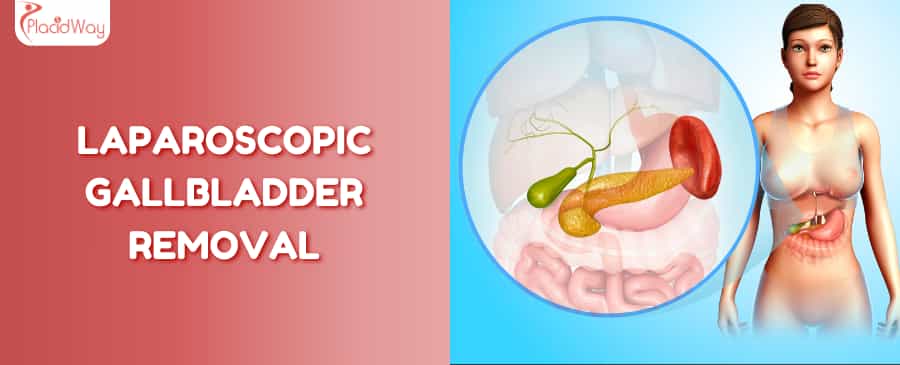
Find Relief: Your Guide to Laparoscopic Gallbladder Removal Abroad
Are you experiencing nagging pain in your upper right abdomen, especially after a fatty meal? Do you suffer from persistent indigestion, nausea, or bloating that just won't go away? These could be signs of gallbladder issues, a common condition affecting millions worldwide. When gallstones or inflammation take a toll on your quality of life, laparoscopic gallbladder removal, also known as a laparoscopic cholecystectomy, often becomes the recommended solution.
This minimally invasive procedure offers significant relief from painful symptoms and helps you get back to a healthier, more comfortable life. For many, the idea of surgery can be daunting, but with advancements in medical technology, this procedure is now safer and more efficient than ever. What's more, for those seeking high-quality care at a more accessible cost, considering laparoscopic gallbladder removal abroad has become an increasingly popular and viable option.
This comprehensive guide will walk you through everything you need to know about laparoscopic gallbladder removal, from understanding your symptoms and causes to navigating recovery and exploring excellent medical tourism opportunities. We'll delve into what happens during the procedure, what to expect afterward, and how to find trusted, affordable care in leading medical destinations around the globe. Get ready to explore your path to relief and regain control over your health.
What are the common symptoms of gallbladder issues?
Gallbladder problems can manifest in various ways, often making daily life uncomfortable and painful. Recognizing these symptoms is the first step towards seeking effective treatment. Many people initially dismiss their discomfort as simple indigestion or heartburn, but persistent or severe symptoms warrant medical attention. Here are the most common signs to look out for:
- Biliary Colic (Gallbladder Attack): This is the most characteristic symptom, involving sudden, intense pain in the upper right abdomen, just below the ribs. The pain can last from 30 minutes to several hours, and may radiate to your back or right shoulder blade. It's often triggered after eating fatty or greasy foods.
- Nausea and Vomiting: Alongside pain, many individuals experience nausea and may vomit, especially during a gallbladder attack.
- Indigestion and Bloating: A feeling of fullness, excessive gas, and discomfort in the abdomen, particularly after meals, can be indicative of gallbladder dysfunction.
- Changes in Stool or Urine Color: In more severe cases, where a gallstone blocks a bile duct, you might notice dark urine, pale stools, or even jaundice (yellowing of the skin and eyes). These are urgent symptoms requiring immediate medical evaluation.
- Fever and Chills: These can signal an infection within the gallbladder (cholecystitis), which requires prompt medical attention.
If you're asking yourself, "What are the signs I need my gallbladder removed?" or "How do I know if my gallbladder is inflamed?", pay close attention to these symptoms. They are your body's way of telling you something is wrong.
What causes gallbladder problems and who is at risk?
Understanding the root causes and risk factors can help in prevention and early detection. The primary cause of most gallbladder problems, particularly gallbladder attacks, is the formation of gallstones. These hard, pebble-like deposits can vary in size and number, and they form when substances in bile—a digestive fluid produced by the liver and stored in the gallbladder—become imbalanced.
Two main types of gallstones exist:
- Cholesterol Gallstones: These are the most common type, usually yellow-green, and form when there's too much cholesterol in the bile.
- Pigment Gallstones: Darker and smaller, these form when there's too much bilirubin in the bile, a waste product from red blood cell breakdown.
Several factors increase your risk of developing gallstones and related gallbladder problems:
- Gender: Women are more likely to develop gallstones than men, especially those who are pregnant or taking estrogen therapy.
- Age: The risk increases with age, particularly after 40.
- Obesity: Being overweight or obese significantly increases the risk, as it can raise cholesterol levels in bile.
- Rapid Weight Loss: Losing weight too quickly (e.g., after bariatric surgery or very low-calorie diets) can cause the liver to release extra cholesterol into bile.
- Diet: A diet high in fat and cholesterol, and low in fiber, can contribute to gallstone formation.
- Genetics: A family history of gallstones can increase your susceptibility.
- Certain Medical Conditions: Diabetes, Crohn's disease, and liver cirrhosis can elevate risk.
- Medications: Some cholesterol-lowering drugs and estrogen-containing medications can increase the risk.
If you fit into these risk categories and experience symptoms, it’s crucial to consult a doctor. Patients often search for "what foods trigger gallbladder attacks" or "how to prevent gallstones" to manage their condition before surgery becomes necessary.
What is Laparoscopic Gallbladder Removal (Cholecystectomy)?
Laparoscopic cholecystectomy is the gold standard for gallbladder removal, favored for its less invasive nature compared to traditional open surgery. This technique allows surgeons to remove the gallbladder with minimal disruption to surrounding tissues.
Here's how it generally works:
- Small Incisions: Instead of one large incision, the surgeon makes 3-4 small cuts (typically 0.5 to 1 cm) in the abdomen.
- Laparoscope Insertion: A laparoscope – a thin tube with a tiny video camera and light – is inserted through one incision. This allows the surgeon to view the internal organs on a monitor.
- Instrument Insertion: Other surgical instruments are inserted through the remaining incisions.
- Gallbladder Removal: The abdomen is gently inflated with carbon dioxide gas to create working space. The surgeon then carefully detaches the gallbladder from the liver and bile ducts and removes it through one of the small incisions.
- Closure: The incisions are closed with stitches or surgical glue, leaving small, often barely noticeable scars.
The alternative, open cholecystectomy, involves a larger incision (typically 4-6 inches) in the abdomen and is usually reserved for complex cases, such as severe inflammation, scarring from previous surgeries, or when laparoscopic surgery is not feasible. While effective, open surgery typically involves more pain, a longer hospital stay, and a more extended recovery period.
Patients often search for "laparoscopic vs. open gallbladder surgery" or "benefits of minimally invasive cholecystectomy" to understand the advantages of this modern approach.
Am I eligible for laparoscopic gallbladder removal?
Determining eligibility for laparoscopic gallbladder removal is a crucial step that involves a thorough medical evaluation by a surgeon. While it's the preferred method for most patients needing gallbladder removal, certain factors might lead to a recommendation for open surgery or other considerations.
You are likely a candidate for laparoscopic cholecystectomy if you have:
- Symptomatic Gallstones: The most common reason, where gallstones cause recurring pain (biliary colic), nausea, or other digestive issues.
- Acute Cholecystitis: Inflammation of the gallbladder, often due to a gallstone blocking the cystic duct.
- Biliary Dyskinesia: A condition where the gallbladder doesn't empty properly, even without gallstones.
- Gallbladder Polyps: If polyps are large or show suspicious features.
Factors that might make laparoscopic surgery challenging or lead to a conversion to open surgery include:
- Severe Inflammation or Scarring: Extensive inflammation from previous attacks or adhesions from prior abdominal surgeries can make it difficult to perform the procedure laparoscopically.
- Large Gallstones or Bile Duct Stones: While not always a contraindication, very large stones or stones in the main bile duct might require additional procedures or an open approach.
- Bleeding Disorders: Uncontrolled bleeding risks can complicate minimally invasive surgery.
- Severe Heart or Lung Disease: These conditions might increase anesthesia risks.
- Pregnancy: While possible, it's often carefully considered and discussed with an obstetrician.
Your doctor will conduct physical exams, blood tests, and imaging studies (like an ultrasound) to confirm your diagnosis and assess your overall health. Many patients ask, "Can I get laparoscopic gallbladder surgery?" or "Who is a good candidate for cholecystectomy?" during their initial consultations.
What is the recovery time and what can I expect after surgery?
One of the significant advantages of laparoscopic gallbladder removal is the relatively quick and manageable recovery period, allowing most patients to return to their normal lives much faster than with open surgery. Knowing what to expect can ease any anxieties.
Immediately After Surgery:
- Hospital Stay: Most patients go home the same day or stay overnight for observation.
- Pain Management: You'll likely experience some pain at the incision sites and possibly shoulder pain (due to the gas used during surgery), which can be managed with prescribed pain medication.
- Nausea: Some temporary nausea can occur from anesthesia.
First Few Days to Week:
- Activity: You'll be encouraged to walk around gently to aid recovery and prevent complications. Avoid heavy lifting and strenuous activity.
- Diet: Start with light, easily digestible foods and gradually reintroduce your normal diet. Some people find fatty foods temporarily uncomfortable.
- Incision Care: Keep incision sites clean and dry. Your doctor will provide specific instructions for dressing changes.
- Fatigue: It's normal to feel tired for a few days as your body heals.
Full Recovery:
- Most people can return to light work or daily activities within 3-7 days.
- Full recovery, including resuming strenuous exercise and heavy lifting, usually takes 1-2 weeks.
- You can live a normal, healthy life without a gallbladder. Your liver will still produce bile, which will now flow directly into the small intestine.
Patients often search for "gallbladder surgery recovery time," "what to eat after gallbladder removal," and "how long until I feel normal after cholecystectomy" to prepare for their post-operative period.
What are the risks and side effects of gallbladder surgery?
While laparoscopic gallbladder removal is considered a safe and routine procedure, like any surgery, it carries potential risks and side effects. It’s important to discuss these thoroughly with your surgeon before making a decision.
Common, Minor Risks and Side Effects:
- Infection at Incision Sites: Redness, swelling, or pus at the small incision areas. This is usually treatable with antibiotics.
- Bleeding: Minor bleeding can occur at the surgical sites.
- Pain and Discomfort: Expected post-operative pain, especially at the incision sites and sometimes referred shoulder pain from the gas used during surgery.
- Nausea and Vomiting: Often a temporary effect of anesthesia.
- Diarrhea: Some people experience changes in bowel habits, like more frequent or looser stools, after gallbladder removal, known as post-cholecystectomy syndrome. This usually improves over time.
Rare, More Serious Risks:
- Bile Duct Injury: Although rare, the most serious complication is injury to the bile ducts, which can lead to bile leakage or blockages and may require further surgery.
- Injury to Nearby Organs: In very rare cases, injury to the liver, intestine, or blood vessels can occur.
- Bile Leakage: Bile can leak into the abdomen if the bile ducts are not perfectly sealed.
- Anesthesia Complications: Reactions to anesthesia can range from mild (nausea) to severe (allergic reactions, breathing problems).
- Blood Clots: There's a small risk of blood clots forming in the legs (DVT) or lungs (pulmonary embolism), though preventive measures are taken.
Your surgical team will take all necessary precautions to minimize these risks. Patients often ask "Is laparoscopic cholecystectomy safe?" or "What are the long term side effects of gallbladder removal?" to understand the full picture.
How much does laparoscopic gallbladder removal cost worldwide?
The cost of laparoscopic gallbladder removal can be a major concern for many patients. Prices fluctuate dramatically based on geographic location, the healthcare system, the clinic's reputation, and what is included in the package (e.g., pre-operative tests, hospital stay, surgeon's fees, anesthesia, post-operative care). This disparity in pricing is a primary driver for medical tourism.
| Country | Average Cost Range (USD) | Key Advantage for Patients |
|---|---|---|
| United States | $10,000 - $30,000+ | Advanced technology, highly specialized surgeons (but high cost) |
| Canada | $8,000 - $20,000+ (for uninsured/private) | High quality of care (but long wait times, not for visitors) |
| United Kingdom | $7,000 - $15,000+ (private) | Excellent medical standards (but high cost, wait lists) |
| Mexico | $3,000 - $7,000 | Proximity to US, accredited facilities, experienced surgeons |
| Turkey | $4,000 - $8,000 | JCI-accredited hospitals, modern facilities, skilled surgeons, hospitality |
| India | $3,000 - $6,000 | World-class medical infrastructure, highly experienced surgeons, very competitive pricing |
| Thailand | $4,500 - $8,500 | Renowned for medical tourism, JCI-accredited hospitals, excellent patient care |
| Costa Rica | $4,000 - $7,500 | Affordable, high-quality care, beautiful recovery environment |
*Note: These are average estimates and can vary based on the specific clinic, surgeon's fees, and included services. Always request a detailed quote.
As you can see, the "cost of gallbladder surgery abroad" can be significantly lower, often including travel and accommodation, making it an attractive option for those facing high domestic costs or long wait lists.
Why consider laparoscopic gallbladder removal abroad?
The decision to travel abroad for medical treatment is a significant one, driven by a compelling mix of financial, logistical, and quality-of-care factors. Here's why many patients choose destinations like Mexico, Turkey, India, and Thailand for their laparoscopic gallbladder removal:
- Significant Cost Savings: This is often the primary motivator. Procedures that cost tens of thousands in the US or UK can be performed for a fraction of the price abroad, even when factoring in travel and accommodation. Patients frequently search for "affordable gallbladder surgery" or "gallbladder surgery cost comparison."
- Access to Immediate Care: In countries with public healthcare systems, wait times for non-emergency procedures can be lengthy. Medical tourism offers a way to bypass these queues and receive prompt treatment.
- High-Quality Care and Expertise: Many international hospitals and clinics cater specifically to medical tourists, offering state-of-the-art technology, modern facilities, and surgeons who are often board-certified and have extensive international experience. Many are JCI (Joint Commission International) accredited, signifying global standards of safety and quality.
- Privacy and Anonymity: Some patients prefer the discretion of undergoing medical procedures away from their home country.
- Combine Treatment with a Vacation: The opportunity to recover in a pleasant, often tourist-friendly environment can make the medical journey feel less clinical and more restorative.
- Comprehensive Packages: Many medical tourism providers offer all-inclusive packages that cover the surgery, hospital stay, pre- and post-operative care, transfers, and sometimes even accommodation, simplifying the entire process.
Which countries offer the best value for gallbladder surgery?
When seeking high-quality, affordable laparoscopic gallbladder removal abroad, several countries consistently stand out due to their established medical tourism industries, excellent facilities, and competitive pricing. Patients often look for "best country for gallbladder surgery" or "top clinics for cholecystectomy overseas."
- Mexico: A top choice for North Americans due to its close proximity. Cities like Tijuana, Cancun, and Guadalajara offer JCI-accredited hospitals and highly experienced surgeons at a fraction of US costs. The ease of travel and cultural familiarity make it very appealing.
- Turkey: Known for its modern, luxurious hospitals and highly skilled surgeons, particularly in Istanbul and Antalya. Turkey has invested heavily in its healthcare infrastructure and offers exceptional patient care, often including concierge services, at very competitive prices.
- India: A global leader in medical tourism, India provides world-class medical facilities, English-speaking doctors, and some of the most affordable prices for complex surgeries. Major cities like Delhi, Mumbai, and Bangalore have numerous internationally accredited hospitals.
- Thailand: Famous for its hospitality and high standards of medical care, especially in Bangkok. Thai hospitals are well-versed in catering to international patients, offering luxurious recovery suites and excellent post-operative support.
- Costa Rica: A popular choice for patients from North America seeking both quality medical care and a serene environment for recovery. Known for its beautiful nature and friendly atmosphere, it offers modern facilities and experienced surgeons.
Each country offers a unique blend of medical expertise, cultural experience, and cost-effectiveness. Researching "gallbladder surgery reviews abroad" can help in making an informed decision.
What to expect when traveling for this procedure abroad?
Embarking on a medical journey abroad might seem complex, but with the right planning and support, it can be a smooth and rewarding experience. Here's a general outline of what to expect:
- Initial Consultation & Planning:
- Virtual Consultation: You'll typically start with an online consultation with a medical facilitator like PlacidWay or directly with a surgeon. You'll share your medical history, diagnostic reports (like ultrasound scans), and discuss your symptoms and treatment options.
- Quotation & Travel Itinerary: You'll receive a detailed quote outlining all costs and a proposed travel plan, including recommended duration of stay.
- Travel Arrangements:
- Flights & Accommodation: You'll book your flights. Many clinics or facilitators can help arrange accommodation (often at partner hotels or recovery centers) and local transportation from the airport to the clinic/hotel.
- Visa & Insurance: Check visa requirements for your chosen destination and ensure you have appropriate travel and medical insurance (often specific medical tourism insurance is recommended).
- Arrival & Pre-Operative Phase:
- Arrival: Upon arrival, you'll be greeted and transferred to your accommodation or the clinic.
- In-Person Consultation: You'll have an in-person consultation with your surgeon to finalize the treatment plan, ask any remaining questions, and sign consent forms.
- Pre-Operative Tests: You'll undergo necessary blood tests, imaging (if not already done), and cardiac evaluations to ensure you're fit for surgery.
- The Procedure & Hospital Stay:
- Surgery Day: The laparoscopic gallbladder removal will be performed.
- Hospital Stay: Typically 1-2 nights, where nurses monitor your recovery and manage pain.
- Post-Operative Recovery & Departure:
- Local Recovery: You'll spend an additional 5-7 days in the destination country for initial recovery and follow-up appointments. This allows the surgeon to monitor your healing and address any immediate concerns before you fly.
- Follow-up & Instructions: You'll receive post-operative care instructions, medication, and often a medical report for your home doctor.
- Travel Home: Once cleared by your surgeon, you'll be able to travel back home.
Patients often search for "medical tourism process for gallbladder surgery" or "how to plan surgery abroad" to understand these steps.
How to ensure safety and quality when choosing a clinic abroad?
Ensuring the safety and quality of your medical treatment abroad is paramount. While many international clinics offer world-class care, due diligence is essential. Here's how you can make an informed choice:
- Look for International Accreditations:
- JCI (Joint Commission International): This is the gold standard for global healthcare accreditation, signifying that a facility meets stringent international quality and patient safety standards.
- ISO Certifications: Also indicate a commitment to quality management systems.
- Verify Surgeon Credentials and Experience:
- Board Certifications: Confirm the surgeon is board-certified in general surgery, ideally with extensive experience in laparoscopic procedures.
- Training and Specialization: Inquire about their training background, affiliations with professional organizations, and the number of laparoscopic cholecystectomies they perform annually.
- English Proficiency: Ensure clear communication with your medical team.
- Research Clinic Reputation and Patient Reviews:
- Read testimonials and reviews on independent platforms.
- Look for consistent positive feedback regarding outcomes, patient care, and facility cleanliness.
- Ensure Transparent Pricing and Comprehensive Packages:
- Obtain a detailed quote that includes all aspects of the treatment: surgeon's fees, anesthesia, hospital stay, pre-op tests, post-op care, and any potential follow-up.
- Be wary of significantly lower prices that seem too good to be true, as they might indicate hidden costs or compromised quality.
- Consider a Reputable Medical Tourism Facilitator:
- Companies like PlacidWay specialize in connecting patients with vetted, high-quality international providers. They can assist with clinic selection, logistics, translation, and provide a layer of support and advocacy.
- Understand Communication and Follow-up:
- Clarify how post-operative follow-up will be handled once you return home and what communication channels are available for questions or concerns.
- "Finally Pain-Free!": Many patients express profound relief from chronic gallbladder pain and discomfort that had plagued them for months or even years. They report being able to enjoy meals again without fear of attacks.
- Significant Cost Savings: A recurring theme is the financial relief. Patients from Western countries often share how they saved thousands of dollars, making a necessary surgery affordable when it might have been out of reach domestically. For example, a patient from the US might have saved 60-70% on their procedure in Mexico or India.
- Efficient and Personalized Care: Many highlight the streamlined process, from initial consultation to surgery and recovery, often facilitated by dedicated patient coordinators. They appreciate the personalized attention and the absence of long waiting lists.
- Modern Facilities and Skilled Surgeons: Patients frequently praise the state-of-the-art hospitals, advanced technology, and the expertise of their surgeons, often comparing them favorably to facilities in their home countries. "My surgeon in Turkey was incredibly skilled and the hospital felt like a luxury hotel!" is a common sentiment.
- Smooth Recovery and Return to Normalcy: Success stories often include reports of quick and uneventful recoveries, allowing them to return to work and daily activities within a short period. The minimally invasive nature of laparoscopic surgery greatly contributes to this.
- Positive Travel Experience: For many, the medical trip also becomes an enjoyable cultural experience. Patients describe exploring their destination during their recovery period, turning a medical necessity into a memorable journey.
Asking "How to choose a medical tourism provider?" or "Is medical tourism safe?" are common and vital questions that lead to this rigorous vetting process.
What are patient success stories from abroad for this procedure?
The growing popularity of medical tourism for laparoscopic gallbladder removal is largely fueled by countless success stories from patients who have found relief and excellent care abroad. These stories highlight not only the medical efficacy but also the positive overall experience.
Here are common elements from patient success stories:
These real-world examples underscore why "gallbladder surgery abroad reviews" often show high satisfaction rates. They demonstrate that opting for laparoscopic gallbladder removal in a medical tourism destination can be a wise choice for both health and finances.
Take the Next Step with PlacidWay
Ready to explore treatment options abroad? Discover top clinics, compare prices, and get a free quote tailored to your needs with PlacidWay.
Laparoscopic Surgery | Best Medical Care



.png)
.png)
.png)




-(10).png)

.png)












Share this listing