
Reclaim Your Mobility: Your Comprehensive Guide to Bilateral Knee Replacement Surgery
Imagine a life free from the constant, grinding pain in both of your knees. For many, that's a distant dream, overshadowed by the daily struggle of movement, limited activity, and a diminishing quality of life. If you're experiencing severe discomfort in both knees, struggling with simple tasks like walking, climbing stairs, or even standing, you're not alone. Chronic bilateral knee pain can be debilitating, impacting every facet of your independence and well-being. This is where Bilateral Knee Replacement Surgery, also commonly searched as "double knee replacement," offers a beacon of hope.
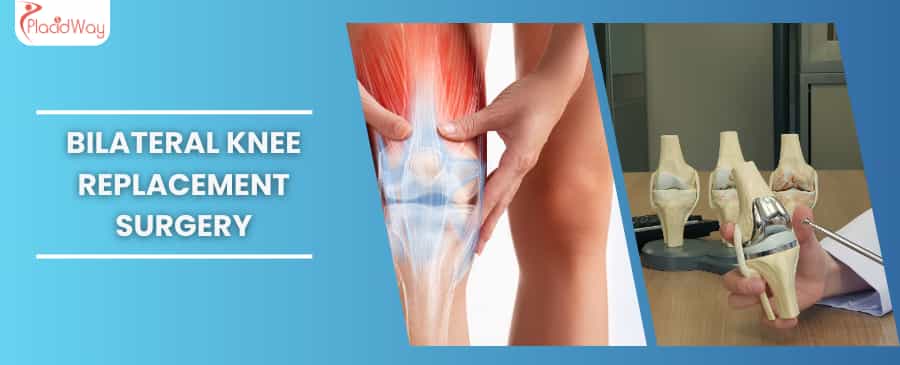
Bilateral Knee Replacement (BKR) is a highly effective surgical procedure designed to alleviate pain and restore function in individuals whose knee joints have been severely damaged by conditions like advanced arthritis or significant injury. It involves removing the damaged bone and cartilage from both knees and replacing them with artificial components, or prostheses, made of metal alloys, high-grade plastics, and polymers. This procedure is chosen when non-surgical treatments are no longer effective, and the pain significantly interferes with daily life.
Whether performed simultaneously (both knees at once) or in stages (one knee followed by the other after a period of recovery), BKR aims to provide lasting relief, allowing you to regain the freedom of movement you once enjoyed. This comprehensive guide will walk you through everything you need to know about bilateral knee replacement, from understanding its symptoms and causes to exploring treatment options, recovery expectations, and why considering this life-changing procedure abroad might be the best decision for your health and finances.
What are the Symptoms Indicating You Might Need Bilateral Knee Replacement?
Recognizing the signs that your knees need significant intervention is the first step towards relief. Many patients search for "symptoms of needing knee replacement" or "when should I consider double knee surgery." Here are the common indicators that suggest you might be a candidate for bilateral knee replacement:
- Severe Pain in Both Knees: Persistent, debilitating pain that limits your everyday activities, even at rest or at night. This pain is often described as a deep ache, sharp jabs, or a grinding sensation.
- Stiffness and Swelling: Chronic inflammation, stiffness, and swelling in both knee joints, especially after periods of inactivity or in the morning. This can make bending or straightening your knees difficult.
- Reduced Mobility: Significant difficulty walking, standing, climbing stairs, getting in and out of chairs, or engaging in light physical activity. You might find yourself relying on assistive devices like canes or walkers.
- Limited Range of Motion: An inability to fully straighten or bend your knees, significantly impacting your stride and ability to perform routine tasks.
- Deformity: A noticeable bowing in or bowing out of your legs at the knee joint.
- Failure of Conservative Treatments: Your pain persists despite trying non-surgical options like medication, physical therapy, injections, weight loss, and lifestyle modifications.
What Causes Bilateral Knee Damage Requiring Surgery?
Understanding the "causes of knee pain requiring surgery" in both knees can help clarify the need for such a significant intervention. The primary culprits behind the severe, widespread knee damage that necessitates bilateral knee replacement include:
- Osteoarthritis (OA): This is the most common reason. Often called "wear and tear" arthritis, OA is a degenerative joint disease where the cartilage that cushions the ends of your bones wears away over time, leading to bone-on-bone friction, pain, and stiffness. It frequently affects both knees.
- Rheumatoid Arthritis (RA): An autoimmune disease where the body's immune system mistakenly attacks the lining of the joints, leading to chronic inflammation, pain, and eventual cartilage destruction. RA often affects joints symmetrically, meaning both knees are likely to be involved.
- Post-Traumatic Arthritis: Arthritis that develops after a severe knee injury, such as a fracture or ligament tear, even if treated correctly. The injury can accelerate cartilage breakdown, leading to arthritis years later in both knees if both were affected or predisposed.
- Other Inflammatory Conditions: Less common conditions like gout or psoriatic arthritis can also cause significant damage to multiple joints, including both knees.
- Bone Deformities or Dysplasia: Congenital conditions or developmental issues can lead to abnormal knee mechanics and accelerated wear on both joints.
These conditions collectively lead to a point where the knee joint's structure is compromised beyond repair by conservative methods, making surgery the most viable option for pain relief and functional restoration.
What Types of Bilateral Knee Replacement Procedures Are Available?
When considering "double knee replacement," patients often inquire about the approach: "simultaneous bilateral knee replacement vs staged." There are two main approaches to bilateral knee replacement surgery:
- Simultaneous Bilateral Knee Replacement (SBKR):
- Description: Both knees are replaced in a single surgical session, typically under one anesthetic.
- Pros: One hospital stay, one rehabilitation period, potentially faster overall recovery to full function (though initial recovery is more intense), and lower total costs as it involves a single surgical event.
- Cons: Increased surgical stress on the body, higher risk of complications like blood loss and cardiac events, and a more challenging initial rehabilitation phase due to pain in both knees.
- Ideal Candidate: Younger, healthier patients with no significant comorbidities.
- Staged Bilateral Knee Replacement:
- Description: One knee is replaced, and after a period of recovery (usually 3-6 months, but can be up to a year), the second knee is replaced in a separate surgery.
- Pros: Less surgical stress, lower risk of complications associated with simultaneous surgery, and a more manageable rehabilitation process for each knee individually, allowing one knee to support the other during initial recovery.
- Cons: Two separate surgeries, two hospital stays, two recovery periods, and potentially higher overall costs due to duplicate hospital and anesthesia fees.
- Ideal Candidate: Older patients, those with existing health conditions, or individuals who prefer a less intensive initial recovery.
The decision between simultaneous and staged bilateral knee replacement is made in close consultation with your orthopedic surgeon, taking into account your overall health, age, lifestyle, and personal preferences.
Am I Eligible for Bilateral Knee Replacement Surgery?
A common question patients ask is, "Am I a candidate for bilateral knee replacement?" Eligibility for this significant procedure depends on several factors, primarily focusing on the severity of your knee condition and your overall health:
- Severe Pain and Disability: Your pain must be severe enough to significantly limit your daily activities, sleep, and quality of life, despite exhausting all non-surgical treatment options.
- Radiographic Evidence: X-rays must confirm advanced arthritis or extensive joint damage in both knees.
- Overall Health: You must be in good enough general health to safely undergo major surgery and anesthesia. This is especially crucial for simultaneous bilateral knee replacement. Chronic conditions like heart disease, diabetes, or lung problems will be carefully managed or may make you a better candidate for staged surgery.
- Age: While there's no strict age limit, younger patients may face a higher chance of needing revision surgery later in life. However, age is less of a factor than overall health and mobility.
- Weight: Maintaining a healthy weight (or losing weight if overweight/obese) is often recommended to reduce surgical risks and improve long-term outcomes for the implants.
- Mental and Emotional Preparedness: You must be motivated and committed to the intensive physical therapy and rehabilitation required after surgery.
Your surgeon will conduct a thorough medical evaluation, including physical exams, imaging, and blood tests, to determine if bilateral knee replacement is the right and safest option for you.
What is the Recovery Time and What Can I Expect After Bilateral Knee Replacement?
Understanding "double knee replacement recovery time" and what to expect is crucial for successful outcomes. The recovery journey is substantial and requires dedication:
- Hospital Stay (3-7 days): Immediately after surgery, you'll be monitored. Physical therapy typically begins on day one, focusing on gentle movements, getting out of bed, and walking with assistance. Pain management is a priority.
- Early Rehabilitation (Weeks 1-6): This phase involves intensive physical therapy, often in an inpatient rehab facility or at home with a therapist. The focus is on reducing swelling, managing pain, improving range of motion, and strengthening muscles. You'll learn to use assistive devices (walker, crutches) and perform daily tasks. Many patients ask about "double knee replacement recovery exercises" – these are vital for regaining strength and flexibility.
- Mid-Term Recovery (Months 2-6): You'll gradually reduce reliance on assistive devices and increase activity levels. Physical therapy continues, focusing on advanced strengthening and balance exercises. You should be able to resume most light activities.
- Long-Term Recovery (Months 6-12+): Full recovery of strength and endurance can take up to a year or even longer. Your new knees will continue to adapt, and you'll likely return to most activities, including walking, swimming, and cycling. High-impact sports are usually discouraged.
Patience, consistency with physical therapy, and adherence to your surgeon's instructions are key for a successful "life after bilateral knee replacement."
What are the Risks and Side Effects of Bilateral Knee Replacement?
Like any major surgery, bilateral knee replacement carries potential "risks of bilateral knee surgery." It's important to be aware of these, especially if considering "risks of simultaneous bilateral knee replacement":
- Infection: Though rare, infection can occur at the surgical site or around the prosthetic components, potentially requiring further surgery.
- Blood Clots: Deep vein thrombosis (DVT) in the leg veins or pulmonary embolism (PE) in the lungs are serious risks. Prevention measures like blood thinners and compression stockings are used.
- Nerve or Blood Vessel Damage: Injury to nerves or blood vessels around the knee during surgery is possible, though uncommon.
- Implant Loosening or Failure: Over time, the artificial joint components can wear out or loosen, potentially requiring revision surgery.
- Stiffness: Some patients may experience continued stiffness or a limited range of motion despite therapy.
- Persistent Pain: While rare, a small percentage of patients may experience ongoing pain after surgery.
- Anesthesia Risks: Reactions to anesthesia can occur.
- Specific Risks for Simultaneous BKR: Higher risks of blood loss requiring transfusion, longer anesthesia time, and increased stress on the cardiovascular system compared to staged procedures. Your medical team will carefully assess these risks.
Your surgical team will discuss these risks in detail and take all necessary precautions to minimize them.
How Much Does Bilateral Knee Replacement Cost Worldwide?
The "cost of bilateral knee replacement" is a major concern for many patients, often leading them to search for "affordable knee replacement overseas." The price can fluctuate dramatically based on geographic location, hospital reputation, surgeon fees, implant type, and whether it's simultaneous or staged. Here's a general comparison:
| Country | Estimated Cost (USD) - Simultaneous BKR | Estimated Cost (USD) - Staged BKR (per knee) | Notes |
|---|---|---|---|
| USA | $60,000 - $120,000+ | $30,000 - $60,000+ | Highest costs, often covered by insurance (with deductibles/co-pays). |
| Canada / UK | $50,000 - $90,000 | $25,000 - $45,000 | Similar high costs if paying privately; long wait times under public systems. |
| Mexico | $18,000 - $28,000 | $10,000 - $18,000 | Popular for US patients, proximity, accredited facilities. |
| India | $15,000 - $25,000 | $8,000 - $15,000 | Very cost-effective, high volume of patients, JCI-accredited hospitals. |
| Turkey | $20,000 - $30,000 | $12,000 - $20,000 | Growing medical tourism hub, modern facilities, European standards. |
| Thailand | $22,000 - $35,000 | $15,000 - $25,000 | Excellent hospital infrastructure, renowned hospitality, combines treatment with recovery vacation. |
These figures are estimates and can change. They generally include the surgeon's fee, anesthesia, hospital stay, and basic rehabilitation. Always request a detailed quote.
Why Consider Bilateral Knee Replacement Surgery Abroad?
For many, "medical tourism for knee replacement" isn't just about saving money; it's about access to timely, high-quality care. Here are compelling reasons to consider bilateral knee replacement abroad:
- Significant Cost Savings: As seen in the table above, the cost difference can be substantial, often 50-70% less than in Western countries, even when factoring in travel and accommodation.
- No Waiting Lists: In countries with public healthcare systems, waiting lists for elective surgeries like knee replacement can be incredibly long, sometimes years. Traveling abroad allows for immediate scheduling.
- Access to World-Class Specialists and Facilities: Many international hospitals boast JCI-accreditation (Joint Commission International) and feature state-of-the-art technology, experienced surgeons, and multilingual staff.
- Comprehensive Care Packages: Many medical tourism providers offer all-inclusive packages that cover surgery, hospital stay, flights, accommodation, and sometimes even post-operative rehabilitation.
- Privacy and Recovery Environment: Some patients prefer the discretion of recovering in a foreign country, away from daily pressures, in a setting that can feel like a recuperative vacation.
Which Countries Offer the Best Value for Bilateral Knee Replacement?
When searching for the "best countries for knee replacement surgery," several destinations consistently emerge as leaders due to their blend of affordability, quality, and patient experience:
- India: A powerhouse in medical tourism, offering highly skilled surgeons, JCI-accredited hospitals, and some of the lowest costs globally. Known for a high volume of successful orthopedic procedures.
- Mexico: A convenient choice for North American patients, featuring modern hospitals, English-speaking staff, and experienced surgeons, especially in border cities and tourist destinations.
- Turkey: Positioned at the crossroads of Europe and Asia, Turkey has invested heavily in its healthcare infrastructure, offering state-of-the-art hospitals, competitive pricing, and excellent patient care.
- Thailand: Renowned for its hospitality and world-class private hospitals, Thailand provides top-tier medical care, often combined with luxurious recovery options.
- South Korea: A leader in advanced medical technology and highly specialized care, South Korea offers excellent outcomes, particularly for complex orthopedic procedures, though often at a slightly higher price point than other Asian destinations.
What to Expect When Traveling for Bilateral Knee Replacement Abroad?
Planning for surgery abroad requires careful preparation. Here’s a general overview of what you can expect:
- Initial Consultation & Planning: You'll start by sending your medical records (X-rays, MRI, reports) to a chosen clinic or medical tourism facilitator like PlacidWay. They will provide a personalized treatment plan and cost estimate.
- Travel Arrangements: Once you confirm, you'll arrange flights, visas (if needed), and accommodation. Many packages include these.
- Arrival and Pre-Operative Assessments: Upon arrival, you'll undergo thorough pre-operative assessments, meet your surgical team, and have final consultations to confirm your readiness for surgery.
- Surgery and Hospital Stay: You'll have your bilateral knee replacement. The hospital stay duration will depend on whether it’s simultaneous or staged, and your recovery progress.
- Post-Operative Care & Rehabilitation: This is critical. You'll likely spend several weeks (e.g., 3-6 weeks) in the destination country for initial recovery and intensive physical therapy before you are deemed fit to travel back home. Some facilities offer dedicated recovery resorts or hotels.
- Return Home: Once your medical team clears you, you'll travel back home to continue your long-term rehabilitation.
Using a reputable medical tourism agency can streamline this entire process, handling logistics and ensuring a smooth experience.
How to Ensure Safety and Quality for Bilateral Knee Replacement Abroad?
Concerns about the "safety of overseas medical procedures" are valid. However, with proper due diligence, you can ensure a high standard of care:
- Look for International Accreditation: Prioritize hospitals with international accreditations like JCI (Joint Commission International) or ISO certifications. These indicate adherence to rigorous global safety and quality standards.
- Verify Surgeon Credentials: Research your surgeon's qualifications, experience (especially with bilateral knee replacement), board certifications, and professional affiliations. Don't hesitate to ask for their CV.
- Read Patient Reviews and Testimonials: Seek out authentic patient experiences and reviews of the hospital and surgeon.
- Understand the Package Details: Ensure the treatment package is comprehensive, covering all aspects from pre-op tests to post-op care, medications, and rehabilitation.
- Inquire about Emergency Protocols: Understand what happens in case of complications, and who will be responsible for follow-up care.
- Use a Reputable Medical Tourism Facilitator: Companies like PlacidWay specialize in vetting clinics and doctors, coordinating logistics, and providing support throughout your journey, significantly reducing risks and stress.
What are Patient Success Stories and Outcomes from Bilateral Knee Replacement Abroad?
Countless individuals have transformed their lives through bilateral knee replacement surgery performed abroad. These "patient success stories" often highlight not only the excellent medical outcomes but also the positive overall experience. Patients frequently report:
- Significant Pain Relief: The primary goal of BKR is achieved, with a dramatic reduction or complete elimination of chronic knee pain.
- Restored Mobility and Function: The ability to walk, stand, and perform daily activities without debilitating pain is greatly improved, allowing a return to hobbies and an active lifestyle.
- Improved Quality of Life: With enhanced mobility and less pain, patients experience better sleep, reduced reliance on pain medication, and an overall boost in their mental and emotional well-being.
- Satisfaction with Care: Many testimonials praise the personalized attention, modern facilities, and compassionate care received in international hospitals, often exceeding expectations.
- Affordability and Value: Patients consistently express satisfaction with the significant cost savings, making life-changing surgery accessible that might have been unattainable in their home countries due to high prices or long waits.
These positive outcomes underscore the growing trust and confidence in the quality of care available through medical tourism for complex procedures like bilateral knee replacement. The journey may seem daunting, but the potential for a pain-free, active life is a powerful motivator.
Take the Next Step with PlacidWay
Ready to explore treatment options abroad? Discover top clinics, compare prices, and get a free quote tailored to your needs with PlacidWay.
Orthopedic Surgery Abroad, Knee Sugery Abroad




.png)
.png)
.png)





-(10).png)
.png)
-(11).png)
.png)












Share this listing