
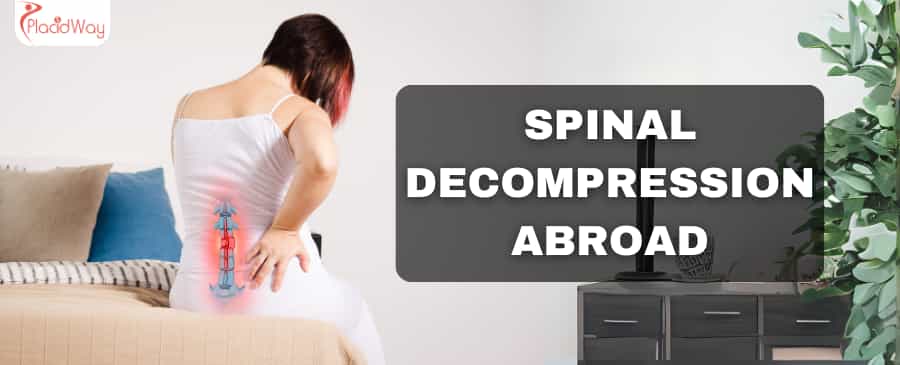
Find Lasting Relief: Understanding Spinal Decompression for Back and Neck Pain
Living with chronic back or neck pain can be debilitating, affecting every aspect of your life. Simple tasks become monumental challenges, and the constant discomfort can erode your quality of life. If you're experiencing persistent pain, numbness, or weakness in your back, neck, or limbs, you might be suffering from a compressed spine – a condition that spinal decompression aims to address.
Spinal decompression is a medical approach designed to alleviate pressure on the spinal cord and/or nerve roots. This pressure often stems from issues like herniated discs, bulging discs, degenerative disc disease, sciatica, or spinal stenosis. The goal? To reduce pain, restore function, and help you reclaim your life. For many, finding effective and affordable treatment locally can be a struggle, leading them to explore high-quality options for spinal decompression abroad, where advanced care often comes with significant cost savings.
This comprehensive guide will help you understand what spinal decompression entails, what symptoms it treats, how it works, and why considering treatment in an international setting might be the best path to recovery for you. Whether you're searching for "what is spinal decompression therapy," "does non-surgical spinal decompression work," or "affordable back surgery options," we'll cover the essential information you need to make an informed decision.
Let's dive into the world of spinal decompression and discover how it can offer a pathway to a pain-free future.
What are the Symptoms of a Compressed Spine?
A compressed spine, often leading to a "pinched nerve," can manifest in various ways, depending on where the compression occurs and which nerves are affected. Recognizing these signs of pinched nerve early is crucial for timely intervention. Common symptoms patients report include:
- Localized Pain: A persistent ache or sharp pain in the lower back, neck, or mid-back. This can be exacerbated by movement, sitting, or standing for long periods.
- Radiating Pain: Often referred to as "sciatica" if it travels down the leg, or brachialgia if it goes down the arm. This pain can be sharp, burning, or electric-like, extending from the spine into the buttocks, leg, foot, shoulder, arm, or hand. Many patients search for "back pain radiating down leg" or "pain in arm and tingling in fingers."
- Numbness or Tingling: A sensation of "pins and needles" or a complete loss of feeling in the areas supplied by the compressed nerve. This might lead to searches like "numbness in hands and feet cause" or "tingling sensation in legs."
- Muscle Weakness: Difficulty lifting the foot (foot drop), gripping objects, or general weakness in a limb, making daily activities challenging. Patients may notice "leg weakness back problem" or difficulty with fine motor skills.
- Loss of Reflexes: A medical professional might note diminished reflexes during an examination.
- Bowel or Bladder Dysfunction: In severe cases, particularly with cauda equina syndrome (a rare but serious compression of nerves at the base of the spinal cord), there can be a loss of bladder or bowel control. This is a medical emergency requiring immediate attention.
These symptoms can range from mild annoyance to severe disability, significantly impacting a person's ability to work, sleep, and enjoy life. If you experience any of these, especially progressive weakness or bowel/bladder issues, seek medical advice promptly.
What Causes Spinal Compression and Nerve Impingement?
Understanding the root cause of your pain is vital for effective treatment. Spinal compression and nerve impingement can stem from various factors, often a combination of lifestyle, age, and genetics. Patients frequently search for "causes of lower back pain" or "how do discs get herniated" to understand their condition.
- Herniated or Bulging Discs: The most common culprits. Spinal discs act as shock absorbers between vertebrae. If the soft inner gel (nucleus pulposus) pushes through a tear in the tougher outer layer (annulus fibrosus), it's a herniated disc. If it merely protrudes without a full tear, it's a bulging disc. Both can press on nearby nerves.
- Degenerative Disc Disease (DDD): As we age, discs naturally lose water content, becoming less flexible and more prone to tearing. This is a primary factor in "disc degeneration causes."
- Spinal Stenosis: A narrowing of the spinal canal, which houses the spinal cord and nerves. This narrowing can be caused by bone spurs (osteophytes), thickened ligaments, or bulging discs, leading to "risk factors for spinal stenosis."
- Osteoarthritis: Wear and tear on the spinal joints can lead to bone spurs that encroach on the nerve pathways.
- Spinal Injuries: Acute trauma from falls, car accidents, or improper heavy lifting can cause sudden disc herniation or fractures that compress nerves. Many ask "why does my back hurt after lifting."
- Spondylolisthesis: A condition where one vertebra slips forward over another, leading to instability and potential nerve compression.
- Poor Posture and Repetitive Strain: Chronic poor posture or repetitive motions can put undue stress on the spine, contributing to disc problems over time.
- Obesity: Excess weight puts additional strain on the lumbar spine, increasing the risk of disc issues.
- Spinal Tumors or Infections: Although less common, growths or inflammatory conditions within the spine can also cause nerve compression.
Identifying the specific cause helps tailor the most appropriate spinal decompression treatment, whether it's non-surgical or surgical.
What Are the Different Types of Spinal Decompression Procedures?
Spinal decompression encompasses a range of treatments, from conservative non-invasive methods to surgical interventions. The choice depends on the severity of your condition, its cause, and how you respond to initial treatments. Patients often look for "surgical vs non-surgical spinal decompression" or "how does non-surgical spinal decompression work."
Non-Surgical Spinal Decompression
This category focuses on gently stretching the spine to create negative pressure within the disc, encouraging bulging or herniated discs to retract. This takes pressure off nerves and promotes the flow of nutrient-rich fluids into the disc.
- Mechanical Spinal Decompression Therapy: Performed on a specialized computer-controlled table. You lie down, and a harness is placed around your pelvis and/or torso. The machine then gently stretches and relaxes your spine in cycles, creating a vacuum effect. This is what most people refer to when they ask about "non-surgical decompression."
- Manual Traction: A physical therapist manually applies gentle pulling forces to the spine.
- Inversion Therapy: Using an inversion table to hang upside down, leveraging gravity to create spinal elongation.
- Chiropractic Adjustments: Chiropractors use hands-on manipulation to improve spinal alignment and reduce nerve pressure.
- Physical Therapy: Specific exercises, stretches, and modalities (like heat/cold therapy, ultrasound) designed to strengthen core muscles, improve posture, and alleviate pressure.
- Medications: Anti-inflammatories, muscle relaxants, or nerve pain medications can help manage symptoms while the spine heals.
Surgical Spinal Decompression
When conservative treatments fail or the nerve compression is severe, surgery may be necessary. These procedures aim to physically remove the source of compression. Common "types of back surgery for herniated disc" include:
- Microdiscectomy: A minimally invasive procedure to remove the herniated part of a disc that is pressing on a nerve. A small incision is made, and a microscope or endoscope is used for precision.
- Laminectomy/Laminotomy: Removal of part or all of the lamina (the bony arch of the vertebra) to create more space for the spinal cord and nerves, commonly performed for spinal stenosis. A laminotomy removes only a small portion.
- Discectomy: Removal of all or part of a damaged disc. This might be followed by spinal fusion.
- Spinal Fusion: Often performed after a discectomy or laminectomy, especially if spinal instability is present. It involves permanently joining two or more vertebrae together using bone grafts and metal hardware (screws, rods) to stabilize the spine. While not solely a decompression procedure, it often follows one.
- Artificial Disc Replacement: In some cases, a damaged disc can be replaced with an artificial one, preserving more motion than fusion.
Each type of procedure has specific indications, risks, and recovery profiles, and your doctor will recommend the best option based on your diagnosis.
Am I a Candidate for Spinal Decompression? Who is it For?
Determining "who needs spinal decompression" involves a thorough medical evaluation by a spinal specialist. Generally, candidates are those experiencing persistent pain and neurological symptoms due to spinal nerve compression that hasn't responded to non-invasive treatments over several weeks or months.
You might be a candidate if you suffer from:
- Herniated or Bulging Discs: Especially if they are causing significant pain, numbness, or weakness due to nerve impingement.
- Sciatica: Pain, numbness, or tingling radiating down the leg due to compression of the sciatic nerve.
- Degenerative Disc Disease: Chronic back or neck pain caused by worn-out spinal discs.
- Spinal Stenosis: Narrowing of the spinal canal causing compression of nerves or the spinal cord.
- Pinched Nerves: Any nerve root compression causing localized or radiating symptoms.
For non-surgical spinal decompression, ideal candidates typically have:
- Chronic back or neck pain for more than 6 weeks.
- Been diagnosed with a disc-related problem (herniation, bulge, degeneration).
- Tried and failed more conservative treatments like rest, medication, and basic physical therapy.
However, not everyone is suitable. Contraindications for non-surgical decompression include:
- Pregnancy
- Spinal fracture
- Spinal fusion or implants (metal hardware) in the affected area
- Severe osteoporosis
- Spinal tumors or infections
- Aortic aneurysm
- Progressive neurological deficit (e.g., rapidly worsening weakness)
For surgical spinal decompression, patients are usually considered when:
- Non-surgical treatments have been unsuccessful after a reasonable period (e.g., 6-12 weeks).
- There is significant neurological deficit (e.g., worsening weakness, numbness).
- Symptoms are severe and significantly impacting quality of life.
- They have cauda equina syndrome, which is a medical emergency.
A specialist will review your medical history, conduct a physical exam, and analyze imaging (MRI, X-rays) to determine if spinal decompression is the right approach for you. Many patients ask, "when is back surgery necessary?" The answer often lies in the severity of symptoms and the failure of less invasive options.
What is the Recovery Time and What Can I Expect After Treatment?
The journey to recovery after spinal decompression depends heavily on the type of procedure you undergo. Understanding "what to expect after back surgery" or "how long does it take to recover from spinal decompression therapy" can help you prepare.
Non-Surgical Spinal Decompression Recovery:
- Immediate Post-Treatment: Most patients experience little to no downtime. You can typically resume normal daily activities immediately after a session. Some might feel slight soreness or discomfort, similar to a good workout.
- Course of Treatment: A full course usually involves 15-20 sessions over 4-6 weeks. Improvement is often gradual, with many patients feeling significant relief after several weeks.
- Long-Term: To maintain results, physical therapy, exercises, and lifestyle modifications (e.g., posture correction, weight management) are often recommended.
- Return to Activity: Generally, no restrictions on light activities. Heavy lifting or strenuous sports might be advised against for a period if they could aggravate the condition.
Surgical Spinal Decompression Recovery:
Surgical recovery is more involved and varies significantly based on the specific surgery performed.
- Microdiscectomy:
- Hospital Stay: Often an outpatient procedure or a single overnight stay.
- Immediate Post-Op: Mild to moderate pain managed with medication. You'll be encouraged to walk gently soon after.
- First Few Weeks: Rest is crucial. Avoid bending, lifting, and twisting. You'll gradually increase activity under guidance. Physical therapy usually begins within 2-4 weeks. Many search for "post spinal decompression exercises."
- Full Recovery: Most patients can return to light work within 2-4 weeks and more strenuous activities in 1-3 months. Full recovery, including the return to sports, can take 3-6 months.
- Laminectomy/Discectomy (without fusion):
- Hospital Stay: Typically 1-3 days.
- Recovery Timeline: Similar to microdiscectomy but often with slightly longer initial restrictions and a more gradual return to full activity, perhaps 3-6 months. Physical therapy is key.
- Spinal Fusion:
- Hospital Stay: 3-5 days or more.
- Immediate Post-Op: Significant pain, often requiring stronger pain medication. Movement will be restricted.
- First Few Months: A back brace might be worn. Physical therapy is critical for regaining strength and flexibility. Activities will be severely limited.
- Full Recovery: Bone fusion can take 6 months to a year, or even longer. Return to work and full activities is very gradual and might take 6-12 months or more.
Regardless of the procedure, active participation in physical therapy, adherence to post-operative instructions, and lifestyle modifications are paramount for the best long-term outcomes.
What Are the Risks and Potential Side Effects of Spinal Decompression?
Like any medical procedure, spinal decompression carries potential risks and side effects, which vary significantly between non-surgical and surgical approaches. Patients often research "spinal decompression side effects" or "risks of back surgery" to understand what to expect.
Non-Surgical Spinal Decompression Risks:
These are generally minimal and temporary:
- Mild Discomfort or Soreness: Similar to muscle strain after exercise, particularly in the initial sessions.
- Muscle Spasms: The stretching can sometimes trigger temporary muscle spasms.
- Temporary Increase in Pain: Rarely, some patients might experience a temporary flare-up of pain before improvement begins.
- Nerve Damage (Rare): Extremely rare when performed correctly by a trained professional, but improper application of force could theoretically cause harm.
Surgical Spinal Decompression Risks:
Surgical procedures carry more significant risks, though serious complications are relatively rare:
- Infection: At the surgical site or, less commonly, within the spinal canal.
- Bleeding: Both during and after surgery.
- Nerve Damage: Though the goal is to relieve nerve compression, there's a small risk of new or worsened nerve injury, leading to increased weakness, numbness, or paralysis. This is a major concern when patients look into "is spinal decompression dangerous."
- Dural Tear (Spinal Fluid Leak): The dura is the membrane covering the spinal cord. A tear can cause cerebrospinal fluid to leak, leading to headaches and requiring further intervention.
- Persistent Pain or "Failed Back Surgery Syndrome" (FBSS): Despite a successful surgery, some patients may not achieve complete pain relief or may develop new pain. This condition, often termed "failed back surgery syndrome," affects a small percentage of patients.
- Reaction to Anesthesia: Risks associated with general anesthesia, such as nausea, vomiting, or more serious cardiac or respiratory issues.
- Blood Clots: Deep vein thrombosis (DVT) in the legs, which can potentially travel to the lungs (pulmonary embolism).
- Hardware Failure (for fusion): If metal implants are used, they can sometimes loosen, break, or cause issues, requiring revision surgery.
- Adjacent Segment Disease: In spinal fusion, the vertebrae above and below the fused segment can experience increased stress, leading to accelerated degeneration over time.
Your surgeon will discuss all potential risks with you, weighing them against the benefits of the procedure, to ensure you make an informed decision.
Spinal Decompression Cost Comparison Worldwide
The cost of spinal decompression can be a major factor for patients, especially those without comprehensive insurance coverage or facing high deductibles. "Cost of spinal decompression surgery" and "spinal decompression therapy cost" are common searches. Medical tourism offers a compelling alternative, providing high-quality care at a fraction of the price found in Western countries.
Several factors influence the overall cost:
- Type of Procedure: Non-surgical therapy is generally much less expensive than surgical intervention.
- Country and Clinic: Prices vary wildly between countries and even between different clinics within the same country.
- Surgeon's Fees: Highly experienced surgeons may charge more.
- Hospital Stay: Length of stay, type of room, and associated hospital services.
- Anesthesia Fees: Costs for the anesthesiologist and medications.
- Pre- and Post-Operative Care: Consultations, diagnostic tests (MRI, X-rays), physical therapy, and medications.
- Implants: If surgical hardware (e.g., for fusion or artificial disc replacement) is needed.
Estimated Cost Comparison (USD) for Spinal Decompression Procedures:
Please note: These are estimated ranges and can vary based on specific circumstances, clinic, and surgeon. It's crucial to get a personalized quote.
| Procedure (Estimated) | USA (USD) | UK (USD) | Mexico (USD) | Turkey (USD) | India (USD) |
|---|---|---|---|---|---|
| Non-Surgical Decompression (per session) | $100 - $200 | $80 - $150 | $50 - $100 | $40 - $80 | $30 - $70 |
| Non-Surgical Decompression (full course) | $1,500 - $3,000 | $1,000 - $2,000 | $700 - $1,500 | $500 - $1,200 | $400 - $1,000 |
| Microdiscectomy | $15,000 - $40,000 | $10,000 - $25,000 | $5,000 - $12,000 | $4,000 - $10,000 | $3,000 - $8,000 |
| Laminectomy | $20,000 - $50,000 | $15,000 - $30,000 | $7,000 - $15,000 | $6,000 - $12,000 | $5,000 - $10,000 |
As you can see, the potential for savings, especially for surgical procedures, is substantial when considering medical tourism destinations. This makes "affordable back surgery abroad" an increasingly viable option for many.
Why Consider Spinal Decompression Abroad for Back Pain Relief?
For many individuals facing chronic back and neck pain, the idea of traveling for medical treatment – often called "medical tourism" – offers a beacon of hope. Beyond the allure of experiencing a new culture, there are compelling practical reasons to consider spinal decompression abroad. Patients researching "medical tourism for back surgery" often discover these key benefits:
- Significant Cost Savings: As seen in the cost comparison, the most prominent driver is often the drastically lower cost of procedures compared to countries like the USA, Canada, or the UK. This can make life-changing surgery accessible for those without adequate insurance or with high out-of-pocket expenses.
- Reduced Waiting Times: In many public healthcare systems, waiting lists for specialized procedures like spinal surgery can extend for months or even years. Traveling abroad can provide immediate access to treatment, allowing patients to get relief sooner.
- Access to Advanced Techniques and Specialists: Many international hospitals boast state-of-the-art technology and highly skilled, internationally trained surgeons who specialize in the latest minimally invasive spinal techniques.
- High Quality of Care: Numerous clinics and hospitals in medical tourism hubs hold international accreditations (like JCI), ensuring they meet stringent global standards for patient safety and quality.
- Comprehensive Packages: Many medical tourism providers offer all-inclusive packages that cover the procedure, accommodation, airport transfers, nursing care, and sometimes even rehabilitation, simplifying the travel and recovery process.
- Privacy and Anonymity: Some patients prefer the discretion that comes with undergoing medical procedures away from their home country.
- Opportunity for a Healing Vacation: Combining treatment with a relaxing recovery in a pleasant, often warmer environment can contribute positively to overall well-being and recovery.
Considering treatment abroad is not just about finding "cheaper spinal decompression"; it's about finding a holistic solution that prioritizes your health, finances, and overall experience.
Which Countries Offer the Best Value for Spinal Decompression?
When searching for "best countries for spinal surgery" or "affordable back surgery Mexico," several destinations consistently emerge as leaders in medical tourism for spinal decompression. These countries offer a blend of high-quality medical infrastructure, experienced specialists, and competitive pricing:
- Mexico: Renowned for its proximity to the US, Mexico offers world-class hospitals, particularly in cities like Tijuana, Monterrey, and Guadalajara. It's a popular choice for "spinal surgery Mexico" due to significant cost savings and easy accessibility.
- Costa Rica: Known for its beautiful scenery and excellent healthcare system, Costa Rica attracts patients seeking both quality medical care and a serene environment for recovery.
- Turkey: Istanbul and Ankara are hubs for advanced medical treatments, including complex spinal surgeries. Turkey boasts modern facilities, European-trained surgeons, and very competitive pricing, making "spine surgery in Turkey reviews" often highly positive.
- India: A pioneer in medical tourism, India offers highly specialized hospitals with internationally accredited certifications. Surgeons are often trained in Western countries, and costs are among the lowest globally, making "India medical tourism spine" a strong option.
- Thailand: With its luxurious private hospitals, English-speaking staff, and excellent patient care, Thailand is a top choice, especially for those who appreciate combining treatment with a vacation-like experience.
- South Korea: Known for its cutting-edge technology and highly efficient healthcare system, South Korea is an emerging leader in specialized spinal care, attracting patients seeking the very latest in medical innovation.
Each destination has its unique strengths, and the "best" country often depends on individual priorities such as budget, preferred cultural experience, and specific medical needs.
What to Expect When Traveling Abroad for Spinal Decompression?
Embarking on a medical journey abroad requires careful planning to ensure a smooth and stress-free experience. If you're wondering "how to plan medical trip abroad" or "logistics of overseas surgery," here's what you can generally expect:
- Initial Consultation & Research: Your journey begins with researching potential destinations, clinics, and surgeons. A medical tourism facilitator like PlacidWay can streamline this process by providing information, coordinating consultations, and helping you compare options.
- Medical Records & Assessment: You'll need to send your detailed medical records, including MRI scans, X-rays, and diagnostic reports, to the chosen clinic for review. The medical team will assess your case and confirm your eligibility for the procedure.
- Treatment Plan & Quote: Based on the assessment, the clinic will provide a personalized treatment plan, including the recommended procedure, estimated hospital stay, and a comprehensive cost quote.
- Travel Arrangements: Once you accept the plan, you'll arrange flights, visas (if necessary), and accommodation. Many facilitators offer packages that include these logistics. Consider the "medical travel checklist" to ensure you have all documents.
- Pre-Operative Appointments: Upon arrival, you'll typically have an in-person consultation with your surgeon, undergo further diagnostic tests, and complete any necessary pre-operative evaluations.
- The Procedure & Hospital Stay: You'll undergo the spinal decompression procedure as planned. The duration of your hospital stay will depend on the type of surgery and your recovery.
- Post-Operative Care & Recovery Abroad: After discharge, you'll likely stay in the destination country for a period of initial recovery, follow-up appointments, and possibly start physical therapy. This ensures you're stable enough for travel and that any immediate "post-op care after international surgery" is handled.
- Return Home & Continued Recovery: Once cleared by your medical team, you'll return home. It's crucial to have a plan for continued recovery, including physical therapy and follow-up with your local doctor, to optimize long-term results.
Open communication with your medical team and facilitator is key at every step to address any concerns and ensure a seamless experience.
How to Ensure Safety and Quality for Spinal Decompression Abroad?
Concerns about safety and quality are natural when considering "medical tourism risks." However, with due diligence, you can ensure a high standard of care for your spinal decompression abroad:
- Choose Internationally Accredited Facilities: Look for hospitals accredited by organizations like the Joint Commission International (JCI) or ISO. These accreditations signify adherence to rigorous international standards for patient safety and quality of care. Many patients search for "accredited hospitals abroad."
- Verify Surgeon Credentials: Ensure your surgeon is board-certified and has extensive experience specifically in spinal decompression procedures. Research their background, training, and specialization. Don't hesitate to ask for their CV or patient testimonials. This is critical for "how to choose an overseas surgeon."
- Transparent Communication: Ensure there are clear communication channels with the medical team, preferably in your native language or with excellent translation services. All aspects of your treatment plan, risks, and recovery should be thoroughly explained.
- Detailed Treatment Plan and Quote: Insist on a comprehensive, written treatment plan that outlines all procedures, expected outcomes, potential complications, and a detailed cost breakdown with no hidden fees.
- Patient Reviews and Testimonials: Look for independent reviews and testimonials from other international patients who have undergone similar procedures at the facility. This provides real-world insight into the patient experience.
- Follow-Up Care Plan: Discuss the post-operative care plan both during your stay abroad and for when you return home. Ensure there's a clear pathway for ongoing physical therapy and communication with your local doctors.
- Emergency Preparedness: Understand the clinic's emergency protocols and ensure you have comprehensive travel insurance that covers medical emergencies abroad.
- Utilize a Reputable Medical Tourism Facilitator: Companies like PlacidWay specialize in vetting clinics and surgeons, coordinating logistics, and advocating for patients, adding an extra layer of safety and confidence to your journey.
By taking these steps, you can significantly mitigate risks and increase your confidence in the quality of care you receive abroad.
Real Patient Stories: Success with Spinal Decompression Abroad?
The true measure of any medical procedure lies in the experiences of those who have undergone it. For spinal decompression abroad, countless individuals have found not just relief, but a renewed sense of hope and an improved quality of life. Searching for "spinal decompression testimonials abroad" or "medical tourism back pain success stories" reveals a pattern of positive outcomes.
Consider Maria, a 55-year-old from Canada who suffered from debilitating sciatica for years, facing a long waitlist for surgery at home. She opted for a microdiscectomy in Mexico. Within weeks of her return, she was walking pain-free, expressing profound gratitude for the affordable, timely, and excellent care she received.
Or take John, a 48-year-old American with a herniated disc and significant financial burden from high deductibles. He traveled to Turkey for non-surgical spinal decompression therapy. After a comprehensive course, his chronic back pain, which had limited his ability to work, significantly improved, allowing him to return to a full, active life without the crushing medical debt.
These stories, while anecdotal, highlight common themes:
- Significant Pain Reduction: The primary goal, often achieved, leading to better sleep and overall comfort.
- Restored Mobility and Function: Patients report being able to walk further, bend, lift, and participate in activities they once enjoyed.
- Improved Quality of Life: Beyond just pain, patients often express joy at being able to play with grandchildren, return to hobbies, or simply live without constant discomfort.
- High Satisfaction with Care: Many patients praise the personalized attention, modern facilities, and compassionate medical staff experienced abroad.
- Financial Relief: The cost savings achieved abroad often alleviate a significant source of stress, allowing patients to focus on healing rather than financial burden.
While every patient's journey is unique, the consistent positive feedback from individuals who have successfully undergone spinal decompression abroad underscores its potential as a life-changing option for those seeking effective relief from back and neck pain.
Take the Next Step with PlacidWay
Ready to explore treatment options abroad? Discover top clinics, compare prices, and get a free quote tailored to your needs with PlacidWay.
Affordable Spine Surgery | Best Spine Surgery Abroad




.png)


.png)




.png)













Share this listing