
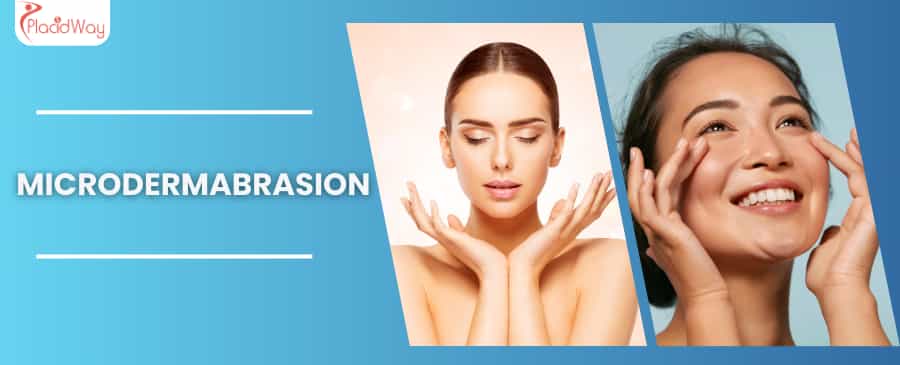
Unlock Radiant Skin: Your Guide to Microdermabrasion
Dreaming of a brighter, smoother, and more youthful complexion? Many people seek solutions for dull skin, fine lines, or uneven texture, and Microdermabrasion emerges as a popular, non-invasive answer. This gentle yet effective skin resurfacing technique helps rejuvenate your skin, offering a fresh, revitalized look without extensive downtime. If you've been searching for "what is microdermabrasion good for," "microdermabrasion benefits," or "skin rejuvenation options," you've come to the right place.
Microdermabrasion is a cosmetic procedure that uses a minimally abrasive instrument to gently "sand" your skin, removing the thicker, uneven outer layer. Think of it like a meticulous polish for your face. This process encourages the growth of a new layer of skin cells, rich in collagen and elastin, which are vital for healthy, firm skin. The result? A smoother texture, clearer tone, and a reduction in the appearance of various superficial skin imperfections.
It's an excellent choice for individuals looking to address concerns such as sun damage, fine lines, age spots, mild acne scarring, and general dullness. Beyond its aesthetic appeal, microdermabrasion also enhances the penetration of skincare products, making them more effective. As a procedure with minimal risks and noticeable results, it has become a favorite for those seeking a refreshed look without the commitment of more intensive treatments. Many are now exploring options like "microdermabrasion abroad" to combine quality care with cost savings and a travel experience.
What common skin concerns can microdermabrasion effectively improve?
Microdermabrasion targets a range of superficial skin issues that can diminish your skin's radiance and texture. Patients often seek this procedure when they notice their skin looks tired or feels rough. Here are some key "symptoms" or concerns it effectively addresses:
- Dull Skin: If your skin lacks luminosity and appears lifeless, microdermabrasion can remove the buildup of dead skin cells, revealing fresh, glowing skin underneath.
- Uneven Skin Tone and Texture: For those with rough patches or patchy pigmentation, it helps to smooth the surface and even out discoloration.
- Fine Lines and Wrinkles: While not for deep wrinkles, it can soften the appearance of superficial lines around the eyes and mouth, often searched as "microdermabrasion for wrinkles."
- Sun Damage and Age Spots: It helps to lighten brown spots and hyperpigmentation caused by sun exposure, often looked up as "microdermabrasion for sun damage."
- Mild Acne Scars: For shallow scarring left by past breakouts, the exfoliation can minimize their visibility, a common search for "microdermabrasion for acne scars."
- Enlarged Pores: By thoroughly cleansing and exfoliating, microdermabrasion can help pores appear smaller.
- Blackheads and Whiteheads: The deep exfoliation aids in clearing clogged pores.
By addressing these concerns, microdermabrasion offers a noticeable improvement in overall skin health and appearance, making it a popular choice for routine skin maintenance or as a preparatory step for other treatments.
What factors contribute to the skin imperfections microdermabrasion targets?
Our skin is constantly exposed to various elements and internal processes that can lead to the imperfections microdermabrasion is designed to combat. Understanding these "causes" helps appreciate the procedure's benefits:
- Sun Exposure (Photoaging): This is a primary culprit. UV radiation damages skin cells, leading to premature aging, sun spots, rough texture, and fine lines. Many search for "how to reduce sun spots" due to this.
- Natural Aging Process: As we age, cell turnover slows down, meaning dead skin cells don't shed as quickly. Collagen and elastin production also decrease, contributing to fine lines and dullness.
- Environmental Factors: Pollution, smoke, and toxins can accumulate on the skin, contributing to clogged pores and a lack of radiance, leading to "causes of dull skin."
- Acne and Inflammation: Breakouts can leave behind post-inflammatory hyperpigmentation (dark spots) and shallow scars, which microdermabrasion can help fade.
- Genetics: Some individuals are genetically predisposed to certain skin types or conditions that make them more prone to issues like large pores or uneven texture.
- Lifestyle Choices: Poor diet, dehydration, lack of sleep, and stress can also manifest on the skin, affecting its overall health and appearance.
Microdermabrasion works by physically removing the damaged outermost layer of skin, encouraging the body to produce new, healthier cells, effectively combating the visible effects of these contributing factors.
What are the main types of professional microdermabrasion treatments?
When you seek professional microdermabrasion, you'll typically encounter two main methods, each designed to achieve similar goals through slightly different "microdermabrasion techniques":
-
Crystal Microdermabrasion:
- How it works: This method uses a hand-held device that sprays fine crystals (usually aluminum oxide or sodium bicarbonate) onto the skin. Simultaneously, a vacuum suction removes the exfoliated skin cells and used crystals.
- Benefits: It's effective for a wide range of skin types and can be particularly good for reaching contoured areas. The crystals provide a very uniform exfoliation.
- Considerations: Some patients may experience minor irritation from residual crystal particles, although proper technique minimizes this.
-
Diamond-Tip Microdermabrasion:
- How it works: Instead of crystals, this technique uses a diamond-encrusted wand that is directly applied to the skin. The wand's abrasive surface exfoliates, while a built-in vacuum suctions away the dead skin cells.
- Benefits: This method is often preferred for more sensitive areas, like around the eyes. It's also cleaner, as there are no loose crystals. The diamond tips come in various grits, allowing for precise control over the exfoliation intensity. Many search for "diamond microdermabrasion" for this reason.
- Considerations: Requires a skilled practitioner to ensure even pressure and prevent over-exfoliation.
Both methods are effective for skin rejuvenation. Your practitioner will recommend the best type based on your skin concerns, type, and sensitivity, ensuring you receive the most suitable "microdermabrasion treatment" for optimal results.
Am I a suitable candidate for microdermabrasion treatment?
Understanding "who can get microdermabrasion" is crucial for ensuring the best outcomes. Microdermabrasion is generally safe and effective for most skin types and tones, making it a versatile option for many. However, certain conditions make you an ideal candidate, while others might require caution:
You are likely an ideal candidate if you:
- Have mild to moderate skin imperfections such as dullness, uneven texture, fine lines, age spots, or superficial acne scars.
- Are looking for a non-invasive procedure with minimal downtime.
- Desire a brighter, smoother, and more refreshed complexion.
- Have realistic expectations about the results (it's not a solution for deep wrinkles, severe acne, or significant scarring).
- Maintain good general health.
"Microdermabrasion contraindications" or situations where it might not be suitable include:
- Active acne, rosacea, eczema, or other inflammatory skin conditions.
- Recent chemical peels, laser treatments, or facial surgery.
- A history of keloid scarring.
- Presence of warts, skin tags, or open sores in the treatment area.
- Use of certain medications, like isotretinoin (Accutane), in the last 6-12 months.
- Pregnant or breastfeeding women should consult their doctor.
Always consult with a qualified dermatologist or aesthetician to assess your skin and determine if microdermabrasion is the right choice for you. They can also advise on the number of sessions needed for your specific concerns.
What should I expect during and after a microdermabrasion session, including recovery time?
One of the appealing aspects of microdermabrasion is its minimal "microdermabrasion downtime" and straightforward recovery. Here's a breakdown of what to expect:
During the Procedure:
- You'll lie comfortably while the practitioner cleanses your skin.
- The hand-held device (crystal or diamond-tip) will be passed over your skin, creating a mild scratching sensation or light suction. Most find it tolerable and not painful; many search for "does microdermabrasion hurt?" and are relieved to find it's generally comfortable.
- The session typically lasts 30-60 minutes, depending on the area being treated.
- After the exfoliation, a soothing serum or moisturizer, and sunscreen will be applied.
Immediately After & Recovery:
- Redness and Sensitivity: Your skin may appear slightly pink or red, similar to a mild sunburn, for a few hours up to a day.
- Dryness/Flaking: Some individuals might experience mild dryness or slight flaking in the days following the treatment as new skin cells emerge.
- Makeup: You can usually apply makeup immediately after, but it's often recommended to let your skin breathe for a few hours.
- Back to Activities: There's no significant "microdermabrasion recovery time." You can typically resume your normal activities right away.
"Microdermabrasion Aftercare":
- Sun Protection: Crucial! Your new skin is more sensitive to the sun. Use a broad-spectrum SPF 30+ daily.
- Moisturize: Keep your skin hydrated with a gentle, non-comedogenic moisturizer.
- Avoid harsh products: Steer clear of retinoids, alpha hydroxy acids (AHAs), or abrasive scrubs for a few days.
- Hydrate: Drink plenty of water to help your skin heal and stay plump.
Many patients notice immediate improvements, but optimal "microdermabrasion results" typically appear after a series of sessions (usually 5-12, spaced 1-2 weeks apart) followed by maintenance treatments.
Are there any potential risks or side effects associated with microdermabrasion?
One of the reasons microdermabrasion is so popular is its excellent safety profile, especially when compared to more invasive procedures. Patients often ask, "is microdermabrasion safe?" and the answer is overwhelmingly yes, for most people. However, like any cosmetic procedure, there are some "microdermabrasion side effects" to be aware of, though they are usually mild and temporary:
Common, temporary side effects:
- Redness and Tenderness: The most common side effect, similar to a sunburn, usually subsides within a few hours to a day.
- Mild Swelling: A slight puffiness can occur but typically resolves quickly.
- Dryness or Flaking: As the superficial dead skin cells shed, your skin might feel a bit dry or flaky for a couple of days.
- Increased Sun Sensitivity: The newly exposed skin is more vulnerable to UV radiation, making daily SPF use essential.
Rare or more serious risks (often due to improper technique or pre-existing conditions):
- Bruising: Though uncommon, excessive suction, especially around the eyes, could cause minor bruising.
- Cold Sore Reactivation: If you have a history of cold sores, the procedure might trigger an outbreak. Inform your practitioner beforehand.
- Hyperpigmentation (Darkening): Very rare, but possible, especially in individuals with darker skin tones if the treatment is too aggressive or if sun protection is neglected.
- Infection: Extremely rare with proper hygiene and equipment sterilization.
- Allergic Reaction: Also very rare, usually to the crystals used (in crystal microdermabrasion) or products applied post-treatment.
Choosing a reputable clinic and an experienced practitioner significantly minimizes these risks. It's vital to have an honest discussion with your provider about your skin history and any concerns you may have before undergoing the procedure.
How much does microdermabrasion cost worldwide?
The "microdermabrasion cost" can be a significant factor in deciding where to have your treatment. Prices vary widely depending on the country, the clinic's reputation, the practitioner's experience, the number of sessions, and whether it's part of a package. Here's a general comparison to help you understand the potential savings available through medical tourism:
| Country | Average Cost Per Session (USD) | Notes |
|---|---|---|
| United States | $100 - $200 | Higher end of the spectrum, varies by state and clinic prestige. |
| United Kingdom | $75 - $150 | Similar to US, but can be slightly more affordable in some areas. |
| Canada | $80 - $160 | Comparable to US/UK pricing. |
| Mexico | $50 - $100 | Significantly more affordable, especially in border towns and major cities. |
| Turkey | $60 - $120 | Known for high-quality cosmetic procedures at competitive prices. |
| Thailand | $50 - $110 | Popular medical tourism destination with excellent clinics. |
| South Korea | $70 - $130 | Emerging hub for advanced aesthetic treatments. |
These figures are averages and can fluctuate. It's always best to get a personalized quote. As you can see, the savings can be substantial, making "cheap microdermabrasion abroad" an attractive option for many seeking quality care without the high price tag.
Why consider traveling abroad for microdermabrasion and other cosmetic procedures?
The decision to pursue "medical tourism for skin care" for procedures like microdermabrasion is growing in popularity, and for good reason. It offers a compelling blend of benefits that often outweigh staying local:
- Significant Cost Savings: As highlighted in the cost comparison, the most prominent driver is the potential to save 30-70% on procedures without compromising on quality. These savings can make multiple sessions more affordable or free up budget for other treatments.
- Access to World-Class Expertise: Many countries specialize in cosmetic procedures and boast highly trained, internationally certified dermatologists and aestheticians using the latest technology. You might find specialists with more specific experience than those available locally.
- Advanced Facilities: International medical tourism destinations often invest heavily in state-of-the-art clinics and hospitals, offering cutting-edge equipment and luxurious environments.
- Reduced Waiting Times: In some countries, waitlists for cosmetic procedures can be long. Traveling abroad often means quicker access to treatment.
- Privacy and Discretion: For those who prefer privacy regarding their cosmetic enhancements, receiving treatment abroad offers an added layer of anonymity.
- Combine Treatment with Travel: Imagine getting your skin rejuvenated while enjoying a beautiful beach vacation or exploring a vibrant city. This "treatment + tourism" model allows for a more holistic and relaxing experience. It's not just about the procedure; it's about the entire journey.
For many, the opportunity to receive high-quality, affordable microdermabrasion while experiencing a new culture makes "microdermabrasion abroad benefits" truly worthwhile.
Which international destinations are highly recommended for high-quality, affordable microdermabrasion?
When considering "affordable skin treatments abroad," several countries stand out for their excellent medical infrastructure, skilled professionals, and competitive pricing for microdermabrasion and other cosmetic procedures:
- Turkey: Particularly Istanbul and Antalya, Turkey has emerged as a powerhouse in medical tourism. It offers state-of-the-art clinics, highly experienced doctors, and significantly lower costs compared to Western Europe or North America. Many clinics cater specifically to international patients, providing English-speaking staff and comprehensive packages.
- Mexico: Easily accessible for North American patients, Mexico (especially cities like Tijuana, Cancun, and Mexico City) provides high-quality aesthetic treatments. You can find accredited clinics with U.S.-trained doctors offering procedures at a fraction of the cost, making it a top choice for "best countries for microdermabrasion."
- Thailand: Known for its exceptional hospitality and advanced medical facilities, Thailand is a long-standing leader in medical tourism. Bangkok and Phuket offer world-class aesthetic clinics where you can receive microdermabrasion in a luxurious, relaxing environment, often combined with a tropical getaway.
- South Korea: A global leader in cosmetic surgery and dermatology, South Korea (especially Seoul) is renowned for its innovative techniques and high standards. While perhaps slightly pricier than Mexico or Thailand, it offers cutting-edge treatments and results that attract patients worldwide looking for the absolute best in aesthetic care.
- Colombia: Cities like Medellín and Bogotá are gaining recognition for cosmetic procedures, including advanced skin treatments, offering a blend of quality and affordability.
- Hungary / Czech Republic: For European patients, these countries offer excellent quality at more accessible price points within the EU.
These destinations not only provide cost-effective options but also maintain high standards of care, making your decision to travel abroad a truly rewarding one.
What steps can I take to ensure a safe and successful microdermabrasion experience overseas?
Ensuring a "safe medical tourism" experience, especially for aesthetic procedures like microdermabrasion, requires diligent planning. Here’s how you can confidently navigate your journey abroad:
- Research Accredited Clinics: Look for clinics that hold international accreditations (e.g., JCI - Joint Commission International). This signifies adherence to global standards of patient safety and quality of care. Check their websites for these seals of approval.
- Verify Practitioner Credentials: Confirm that the dermatologist or aesthetician performing your microdermabrasion is board-certified and has extensive experience with the procedure. Don't hesitate to ask for their qualifications and training history.
- Read Patient Reviews and Testimonials: Look for unbiased reviews on independent platforms and patient forums. Pay attention to feedback regarding the clinic's hygiene, staff professionalism, communication, and overall patient experience.
- Understand the Full Treatment Plan: Before you travel, get a detailed breakdown of the procedure, including the type of microdermabrasion, number of sessions, pre-care, and crucially, post-care instructions. Ensure clear communication about what to expect.
- Communicate Your Health History: Be completely transparent about your medical history, allergies, and any medications you are taking. This helps the practitioner assess your suitability and prevent complications.
- Consider a Medical Tourism Facilitator: Services like PlacidWay specialize in connecting patients with reputable international clinics. We can help you with "choosing a clinic abroad," provide transparent pricing, facilitate communication, arrange travel logistics, and offer peace of mind throughout your journey.
- Plan for Aftercare and Follow-up: Discuss how any post-procedure questions or concerns will be handled once you return home. A good clinic will have a follow-up process in place.
- Travel Insurance: Invest in comprehensive travel insurance that covers medical emergencies, just in case.
By taking these proactive steps, you can ensure that your pursuit of radiant skin abroad is not only effective but also safe and stress-free.
Take the Next Step with PlacidWay
Ready to explore treatment options abroad? Discover top clinics, compare prices, and get a free quote tailored to your needs with PlacidWay.
Cosmetic Surgery Abroad, Plastic Surgery Abroad



.png)
.png)
.png)
.png)




.jpg)
.png)
.png)









Share this listing