
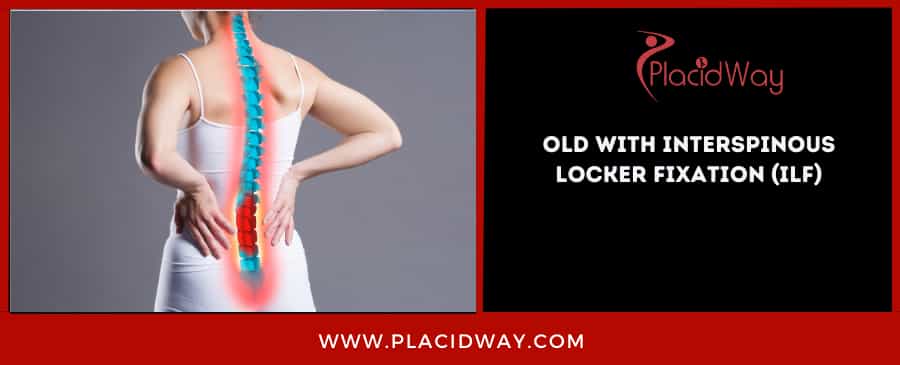
Finding Relief from Lumbar Spinal Stenosis: Understanding Interspinous Locker Fixation (ILF)
Living with chronic back and leg pain can significantly diminish your quality of life, making everyday activities a challenge. If you've been diagnosed with Lumbar Spinal Stenosis (LSS), you're likely familiar with the persistent discomfort, numbness, and weakness that can radiate from your lower back into your legs. This common condition, often a result of age-related wear and tear on the spine, occurs when the spinal canal narrows, putting pressure on the nerves within.
While conservative treatments like physical therapy and medication often provide initial relief, many individuals eventually seek more definitive solutions. For those exploring surgical options, Interspinous Locker Fixation (ILF) has emerged as a promising, less invasive alternative to traditional spinal fusion. This procedure aims to relieve nerve compression and stabilize the affected segment of the spine, helping to restore comfort and mobility.
As you navigate your treatment journey, you might be asking: "What are my options for lower back pain relief?" or "Is there a less invasive surgery for leg numbness and back pain?" ILF offers a potential answer, focusing on decompressing the neural structures without requiring extensive bone grafting or permanent fusion. This guide will delve deep into ILF for Lumbar Spinal Stenosis, exploring its benefits, who it's for, what to expect, and why patients worldwide are considering this procedure, sometimes in conjunction with medical tourism.
What are the common symptoms of Lumbar Spinal Stenosis?
Recognizing the signs of Lumbar Spinal Stenosis (LSS) is the first step towards finding effective treatment. The symptoms often develop gradually and can vary in intensity, but they typically involve a combination of discomfort and neurological issues in the lower back and legs. Many patients search for "leg pain when walking" or "numbness in legs back pain" to describe their experiences.
- Lower Back Pain: A dull ache or sharp pain in the lower back, which might be constant or intermittent.
- Sciatica: Pain, numbness, tingling, or weakness that radiates from the lower back down one or both legs, often following the path of the sciatic nerve.
- Neurogenic Claudication: This is a hallmark symptom where leg pain, cramping, numbness, or weakness occurs during walking or standing for prolonged periods. It typically improves significantly or disappears when sitting down or leaning forward (like over a shopping cart).
- Foot Drop: In severe cases, weakness in the leg muscles can lead to difficulty lifting the front part of the foot, causing it to drag.
- Bowel or Bladder Dysfunction: While rare, severe LSS can affect bowel or bladder control, which is a medical emergency requiring immediate attention.
These symptoms can significantly impact daily activities, making simple tasks like grocery shopping or taking a walk uncomfortable and exhausting. Understanding these signs can help you communicate effectively with your doctor and explore appropriate treatment paths like ILF.
What causes Lumbar Spinal Stenosis and who is at risk?
When people ask "why does spinal stenosis happen" or "can aging cause back pain," they're getting to the root of Lumbar Spinal Stenosis. The condition is overwhelmingly a degenerative process, meaning it develops over time due to wear and tear on the spine.
- Osteoarthritis: This is the most common cause. As we age, the cartilage in our joints breaks down, leading to bone spurs (osteophytes) that can grow into the spinal canal.
- Thickened Ligaments: The ligaments that connect the bones of the spine (especially the ligamentum flavum) can thicken and harden over time, encroaching on the spinal canal.
- Bulging or Herniated Discs: The soft cushions between your vertebrae can bulge or rupture, pressing on the spinal cord or nerves. While acute herniation can cause stenosis, chronic degeneration leads to more consistent narrowing.
- Spondylolisthesis: This occurs when one vertebra slips forward over another, narrowing the spinal canal.
- Spinal Tumors: Though rare, growths within the spinal canal can compress nerves.
- Spinal Injuries: Trauma to the spine can lead to inflammation, swelling, or structural changes that cause stenosis.
Who is at risk?
The primary risk factor for LSS is age, with most cases developing in people over 50. Other factors include genetics, previous spinal surgery, and certain conditions like scoliosis. Understanding these risk factors can help in early diagnosis and management, guiding decisions about potential treatments like "ILF back pain relief."
What is Interspinous Locker Fixation (ILF) for spinal stenosis?
When patients search for "interspinous device surgery" or "non-fusion spinal surgery," they are often looking for solutions like ILF. Unlike traditional spinal fusion, which permanently joins two or more vertebrae, ILF is a non-fusion, motion-preserving technique. The goal is to stabilize the affected segment and maintain the opening of the spinal canal, without eliminating flexibility.
How Interspinous Locker Fixation Works:
- Minimally Invasive Access: The surgeon makes a small incision in the lower back, typically less than 3-5 cm.
- Device Placement: Using specialized instruments, the surgeon carefully inserts the ILF device between the spinous processes of the affected vertebrae. The device typically has a central body and lateral wings or "lockers" that engage with the spinous processes.
- Decompression and Stabilization: Once in place, the device gently distracts (separates) the spinous processes, effectively opening the spinal canal and relieving pressure on the compressed nerves. The "locker" mechanism secures the device, providing immediate stability to the segment.
- Reduced Tissue Disruption: Because it's a less invasive approach, ILF typically involves less muscle cutting and bone removal compared to traditional open surgeries, leading to potentially faster recovery times and less post-operative pain.
ILF is designed to provide both decompression and stabilization, addressing the two main issues in LSS. It's an attractive option for many because it avoids the rigidity of fusion while still offering significant pain relief and improved function.
Am I a good candidate for Interspinous Locker Fixation?
Deciding "who needs ILF surgery" or "am I a candidate for back surgery" requires a thorough evaluation by a spine specialist. While ILF is an excellent option for many, it's not suitable for everyone. Here are general criteria:
- Diagnosis of Lumbar Spinal Stenosis: Confirmed by imaging (MRI or CT scan) showing narrowing of the spinal canal, causing compression of nerves.
- Failed Conservative Treatment: You should have tried non-surgical methods for at least 3-6 months without adequate relief. This includes pain medication, physical therapy, chiropractic care, and spinal injections.
- Symptoms Primarily Affecting the Lower Extremities: The primary complaints should be leg pain, numbness, tingling, or weakness that improves with sitting or leaning forward (neurogenic claudication).
- No Significant Spinal Instability: ILF is designed for stabilization, but not for severe instability where a fusion might be more appropriate. Conditions like severe spondylolisthesis (vertebral slippage) or marked scoliosis might preclude ILF.
- Suitable Bone Quality: Good bone density is important for the device to properly anchor to the spinous processes.
- Overall Health: You should be in reasonably good health to undergo surgery and anesthesia.
Your surgeon will consider your specific condition, overall health, and lifestyle to determine if ILF is the right choice for you, discussing potential alternatives like traditional laminectomy or fusion if necessary.
What is the typical recovery time after Interspinous Locker Fixation?
Many patients researching "ILF recovery timeline" or "life after interspinous device" are relieved to learn that the recovery period for Interspinous Locker Fixation is often less demanding than for more invasive spinal procedures. However, it's still a surgical procedure, and adherence to post-operative instructions is vital for optimal outcomes.
Recovery Timeline and Expectations:
- Immediately After Surgery (Hospital Stay): You'll typically stay in the hospital for 1-2 days. Pain management will be a priority. You'll be encouraged to get up and walk short distances with assistance soon after surgery to prevent complications and promote healing.
- First 2-4 Weeks (Early Home Recovery): You'll likely experience some incision site pain and general muscle soreness. Pain medication will help manage this. Light activities like walking are encouraged, but lifting, bending, twisting, and prolonged sitting should be avoided. Physical therapy usually begins during this phase, focusing on gentle range-of-motion exercises and core strengthening.
- 1-3 Months (Intermediate Recovery): As pain subsides and strength improves, physical therapy will intensify. You can gradually increase your activity levels, but still need to be mindful of heavy lifting or strenuous activities. Most patients can return to desk jobs or light work within this period.
- 3-6 Months and Beyond (Long-Term Recovery): By this point, most patients experience significant relief from their original symptoms. Physical therapy continues to build strength, flexibility, and endurance. Many can return to most, if not all, of their regular activities, including moderate exercise. Full recovery and maximum benefit can take up to a year as tissues continue to heal and strengthen.
The key to a successful recovery is consistent engagement in physical therapy, gradual return to activity, and clear communication with your medical team. Don's expect to feel 100% immediately; recovery is a journey.
What are the risks and potential side effects of ILF surgery?
Like any surgical procedure, Interspinous Locker Fixation (ILF) comes with potential risks and side effects, even though it's considered less invasive than traditional fusion. Patients often ask "ILF surgery complications" or "is back surgery safe." Understanding these can help you make an informed decision.
Common Potential Risks:
- Infection: As with any surgery, there's a risk of infection at the incision site or deeper within the surgical area.
- Bleeding: Some bleeding is normal, but excessive bleeding can occur, potentially requiring a blood transfusion.
- Nerve Damage: Though rare, there's a small risk of nerve damage during surgery, which could lead to new or worsened pain, numbness, or weakness.
- Persistent or Worsening Pain: While the goal is pain relief, some patients may not experience significant improvement, or their pain could even worsen.
- Anesthesia Risks: Reactions to anesthesia, such as nausea, vomiting, or more serious complications.
Specific Risks Related to ILF Devices:
- Device Migration or Dislodgement: The implant can shift from its intended position, requiring further surgery.
- Device Fracture: Although designed to be durable, the device can potentially fracture over time, necessitating removal or replacement.
- Spinous Process Fracture: The bony projections where the device is anchored can fracture.
- Adjacent Segment Disease: While ILF aims to preserve motion, some stress might be transferred to adjacent spinal segments, potentially leading to degeneration in those areas over time.
- Need for Reoperation: In some cases, the ILF device may need to be removed or revised, or a more extensive surgery (like fusion) might be required if the ILF doesn't provide sufficient relief or if new problems arise.
Your surgical team will take every precaution to minimize these risks. It's crucial to follow pre- and post-operative instructions carefully to help ensure the best possible outcome.
How does the cost of Interspinous Locker Fixation compare worldwide?
Understanding the "cost of ILF surgery" or "spinal stenosis surgery prices abroad" is a major motivator for patients considering medical tourism. The price of medical procedures, especially complex spinal surgeries, can vary dramatically depending on the country, the hospital, the surgeon's fees, anesthesia, length of stay, and the specific device used.
Here's a general comparison of estimated costs for Interspinous Locker Fixation, which typically includes the surgeon's fee, hospital costs, anesthesia, and the device itself. Please note these are estimates and can fluctuate significantly.
| Country | Estimated Cost Range (USD) | Notes |
|---|---|---|
| United States | $40,000 - $70,000+ | Highest costs, driven by insurance, healthcare system structure. |
| Canada / Western Europe (e.g., UK, Germany) | $30,000 - $55,000+ | Generally lower than US, but still high; often long wait times. |
| Turkey | $12,000 - $25,000 | Emerging hub, high-quality facilities, experienced surgeons. |
| Mexico | $10,000 - $22,000 | Proximity to US, competitive pricing, often includes travel packages. |
| India | $9,000 - $20,000 | Very cost-effective, world-class hospitals and specialists. |
| South Korea | $18,000 - $30,000 | Advanced technology, excellent medical standards, rising popularity. |
These significant price differences highlight why "affordable back surgery" overseas is a compelling option for many seeking relief from Lumbar Spinal Stenosis.
Why consider Interspinous Locker Fixation abroad for spinal stenosis?
The decision to pursue medical treatment abroad, especially for a procedure like ILF for spinal stenosis, is often driven by a combination of factors that make it a more viable or attractive option than domestic care. Patients actively search for "medical tourism for back surgery" or "cheaper spinal stenosis treatment overseas."
- Significant Cost Savings: As seen in the table above, the cost of ILF surgery can be 50-80% lower in popular medical tourism destinations compared to Western countries. This makes life-changing surgery accessible to those with inadequate insurance or high deductibles.
- Elimination of Wait Times: In many countries with public healthcare systems, patients face long waiting lists for specialist consultations and surgical procedures. Traveling abroad allows for prompt scheduling and quicker access to care, accelerating the path to pain relief.
- Access to Specialized Expertise and Advanced Technology: Many international hospitals specialize in specific procedures and boast highly experienced surgeons who perform ILF frequently. These facilities often invest in the latest medical technologies and offer cutting-edge care.
- High Quality of Care and Accreditation: Numerous international hospitals are accredited by prestigious global organizations like the Joint Commission International (JCI), ensuring they meet rigorous international standards for patient safety and quality.
- Privacy and Anonymity: For some, undergoing a medical procedure away from their home country offers a level of privacy and anonymity they appreciate.
- Combining Treatment with Travel: The opportunity to recover in a beautiful, relaxing environment, often with tailored post-operative care and rehabilitation, adds an appealing dimension to the medical journey.
Medical tourism for ILF offers a compelling blend of affordability, quality, and efficiency, providing a global solution for those seeking effective spinal stenosis treatment.
What should I expect when traveling for ILF surgery overseas?
Planning a medical trip abroad requires careful preparation. When researching "how to plan medical trip abroad" or "traveling for back surgery," you'll find a clear sequence of steps that ensures a smooth experience, especially when facilitated by a medical tourism company like PlacidWay.
- Initial Consultation and Medical Review: You'll typically start by sending your medical records (MRI scans, X-rays, doctor's reports) to the international clinic or a medical tourism facilitator. A spine specialist will review your case and determine your eligibility for ILF, providing a treatment plan and cost estimate.
- Travel Arrangements: Once you decide to proceed, you'll arrange your travel. This includes booking flights, securing necessary visas, and arranging accommodation (often near the hospital for convenience). Medical tourism agencies often assist with these logistics.
- Arrival and Pre-Operative Assessments: Upon arrival, you'll have in-person consultations with your surgeon and medical team, along with comprehensive pre-operative tests (blood work, additional imaging) to ensure you're fit for surgery.
- The Surgery and Hospital Stay: You'll undergo the ILF procedure as scheduled. Post-surgery, you'll spend 1-2 days recovering in the hospital under medical supervision.
- Post-Operative Recovery and Rehabilitation: After discharge, you'll typically stay in the destination country for a period, often 1-2 weeks, for initial recovery and to begin physical therapy. This allows your medical team to monitor your progress closely.
- Follow-up and Return Home: Before you return home, you'll have a final follow-up with your surgeon. You'll receive detailed instructions for continued recovery and rehabilitation in your home country. Many clinics provide telemedicine follow-ups or coordinate with your local doctor.
Throughout this process, a medical tourism facilitator can be an invaluable resource, streamlining communication, handling logistics, and providing support.
How can I ensure safety and quality when choosing an international ILF clinic?
Ensuring "safe medical tourism clinics" and identifying "best overseas hospitals for back surgery" are critical concerns for any patient considering ILF abroad. A little due diligence can go a long way in making an informed and confident decision.
- International Accreditation: Look for hospitals accredited by organizations like the Joint Commission International (JCI). JCI accreditation signifies that the facility meets stringent global standards for patient safety and quality of care.
- Surgeon Qualifications and Experience: Research the surgeon's credentials, board certifications, and experience specifically with ILF procedures. How many times have they performed the surgery? Do they have fellowship training in spine surgery?
- Hospital Facilities and Technology: Ensure the clinic or hospital is modern, well-equipped, and uses advanced technology for diagnostics and surgery.
- Patient Testimonials and Reviews: Seek out reviews and testimonials from previous international patients. Websites like PlacidWay often feature patient success stories and detailed clinic profiles.
- Clear Communication and Language Support: Confirm that the medical team can communicate effectively in your language, or that interpreters are readily available. Clear communication is paramount for understanding your treatment plan and expressing concerns.
- Comprehensive Treatment Packages: Inquire about what's included in the total cost (e.g., hospital stay, surgeon's fees, anesthesia, physical therapy, device cost, follow-ups). Avoid hidden fees.
- Post-Operative Care and Follow-up: Understand the plan for your immediate recovery abroad and how follow-up care will be managed once you return home.
- Use a Reputable Medical Tourism Facilitator: Companies like PlacidWay specialize in vetting international providers, assisting with logistics, and advocating for patients, adding an extra layer of security and convenience.
By thoroughly investigating these aspects, you can significantly enhance the safety and quality of your ILF journey abroad.
Take the Next Step with PlacidWay
Ready to explore treatment options abroad? Discover top clinics, compare prices, and get a free quote tailored to your needs with PlacidWay.
Affordable Spine Surgery | Best Spine Surgery Abroad





.png)
.png)


.png)

-(1).png)













Share this listing