
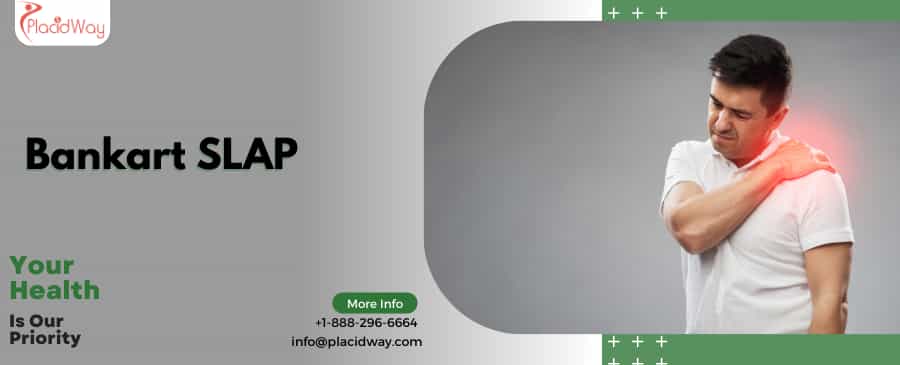
Bankart & SLAP Tear Repair: Regain Your Shoulder's Strength and Stability
Experiencing persistent shoulder pain, instability, or a sensation that your shoulder might "pop out"? You're not alone. Injuries to the shoulder labrum, specifically Bankart lesions and SLAP tears, are common, especially among athletes or after traumatic incidents like falls or dislocations. These injuries can severely impact your daily life, making simple tasks painful and limiting your ability to participate in sports or activities you love.
A Bankart lesion is an injury to the anterior (front) part of the shoulder labrum, often occurring after a shoulder dislocation. It effectively "peels off" a piece of the cartilage and bone, making the shoulder prone to further dislocations. A SLAP tear (Superior Labrum Anterior Posterior) involves the top part of the labrum where the biceps tendon attaches, often caused by falls on an outstretched arm or repetitive overhead activities.
Both Bankart and SLAP tears can lead to significant discomfort, weakness, and a feeling of instability. The good news is that advancements in orthopedic surgery, particularly arthroscopic techniques, offer highly effective solutions for repairing these tears. These procedures aim to reattach the torn labrum, restoring the shoulder's natural anatomy and stability, ultimately leading to pain relief and improved function.
For many, the journey to recovery begins with understanding the procedure, exploring treatment options, and considering all avenues, including medical tourism. Traveling abroad for Bankart or SLAP tear repair has become an increasingly popular choice, offering access to world-class surgeons, state-of-the-art facilities, and often more affordable pricing compared to home countries, without compromising on quality. This comprehensive guide will walk you through everything you need to know about these vital shoulder repair surgeries, from symptoms and causes to recovery, costs, and why exploring international options might be the best decision for your health and well-being.
What are the key symptoms of a Bankart or SLAP tear in the shoulder?
Recognizing the signs of a labral tear is the first step towards getting the right treatment. While symptoms can vary depending on the tear's severity and location, many patients describe similar experiences:
- Persistent Pain: Often deep within the shoulder, especially during movement, lifting, or overhead activities. It might be a dull ache or a sharp, sudden pain.
- Shoulder Instability: A feeling that your shoulder is loose, "slipping," or about to dislocate. This is particularly common with Bankart lesions.
- Popping, Clicking, or Grinding: You might hear or feel these sensations with shoulder movement, indicating that the torn labrum is catching.
- Decreased Range of Motion: Difficulty lifting your arm above your head, reaching behind your back, or performing normal shoulder movements.
- Weakness: A noticeable loss of strength in the affected arm, making it hard to lift objects or perform tasks that require shoulder power.
- Biceps Tendon Pain (for SLAP tears): Since the biceps tendon attaches near the SLAP tear, pain along the front of the arm, especially when bending the elbow or lifting, can be a symptom.
- Pain with Specific Activities: Athletes might notice pain during throwing, serving, or other overhead sports motions.
If you're experiencing these symptoms, especially after a fall, a sports injury, or a shoulder dislocation, it’s crucial to seek medical evaluation. Early diagnosis can prevent further damage and lead to a more effective recovery.
What typically causes a Bankart lesion or SLAP tear in the shoulder?
Understanding the cause of your labral tear can help in prevention and effective treatment. These injuries often arise from specific types of trauma or repetitive stress:
Causes of Bankart Lesions:
- Shoulder Dislocation: The most common cause. When the humerus (upper arm bone) forcefully comes out of the glenoid (shoulder socket), the labrum is often torn as the bone scrapes against the socket rim. This is particularly common in contact sports or falls.
- Traumatic Injury: A direct blow to the shoulder that forces it out of alignment.
Causes of SLAP Tears:
- Falling on an Outstretched Arm (FOOSH): A common mechanism where the force transmitted up the arm tears the labrum.
- Direct Blow to the Shoulder: A blunt force impact can cause a tear.
- Sudden Pulling or Jerking of the Arm: Like catching a heavy object unexpectedly or experiencing a sudden traction injury.
- Repetitive Overhead Activities: Common in athletes involved in sports like baseball (pitchers), tennis, volleyball, or weightlifting, where constant stress on the biceps anchor can lead to fraying and tearing over time.
- Automobile Accidents: Can cause various shoulder injuries, including labral tears.
- Aging and Degeneration: Over time, the labrum can naturally wear down, making it more susceptible to tearing, even without a significant trauma.
Identifying the exact cause helps your doctor understand the nature of your injury and recommend the most appropriate treatment path.
What types of surgical procedures treat Bankart lesions and SLAP tears?
The primary surgical approach for both Bankart lesions and SLAP tears is arthroscopic surgery. This minimally invasive technique offers several advantages, including smaller incisions, less pain, and quicker recovery compared to traditional open surgery.
Arthroscopic Bankart Repair:
- The Goal: To reattach the torn anterior-inferior labrum to the glenoid bone. This helps to restore the bony bumper effect and prevent future dislocations.
- The Procedure: The surgeon makes several small incisions (portal sites) around the shoulder. An arthroscope (a small camera) is inserted through one incision to visualize the joint. Specialized instruments are used through other incisions. The torn labrum is mobilized, and suture anchors (tiny screws, often biodegradable) are placed into the glenoid bone. Sutures from these anchors are then passed through the torn labrum, pulling it back into its anatomical position and securing it to the bone.
Arthroscopic SLAP Repair:
- The Goal: To reattach or debride the torn superior labrum, often including the biceps tendon anchor, to the glenoid.
- The Procedure: Similar to Bankart repair, small incisions and an arthroscope are used.
- Repair: If the labrum is torn and displaced, it is reattached to the bone using suture anchors, much like in a Bankart repair.
- Debridement: For minor fraying or degenerative tears, the torn edges may simply be smoothed down (debrided).
- Biceps Tenodesis/Tenotomy: In some cases, especially with more extensive SLAP tears or in older patients, the surgeon may detach the biceps tendon from the labrum and reattach it to the humerus bone (tenodesis) or simply cut it (tenotomy) to relieve pain and prevent further tearing, addressing the biceps attachment separately.
Your surgeon will determine the most appropriate technique based on the type, size, and location of your tear, as well as your age, activity level, and overall health.
Who is an ideal candidate for Bankart or SLAP tear repair surgery?
Deciding on surgery is a significant step, and it's not for everyone. Doctors typically consider several factors when determining if you're a good candidate:
- Persistent Symptoms: You continue to experience significant pain, instability, clicking, or weakness despite trying non-surgical treatments like physical therapy, rest, and anti-inflammatory medications for several weeks or months.
- Diagnosed Labral Tear: MRI scans (often with contrast) or clinical examinations confirm a Bankart lesion or a SLAP tear.
- Impact on Daily Life: The injury significantly interferes with your work, daily activities, or participation in sports. For athletes, surgical repair is often recommended to allow a return to high-level play.
- Age and Activity Level: Younger, more active individuals are often stronger candidates for repair, especially if they wish to return to sports. However, older patients can also benefit, particularly if their pain and instability are debilitating.
- Good General Health: Patients should be in good overall health, without serious medical conditions that would make surgery or anesthesia risky.
- Commitment to Rehabilitation: A crucial factor. Successful outcomes heavily depend on diligent adherence to post-operative physical therapy.
- Recurrent Dislocations: For Bankart tears, a history of multiple shoulder dislocations strongly indicates a need for surgical stabilization.
A thorough consultation with an orthopedic surgeon, including a physical examination and imaging studies, is essential to determine if surgery is the right course of action for you.
What does recovery from Bankart and SLAP tear surgery involve?
Recovery is a journey, not a sprint, and patience is key. The process is typically divided into several phases:
Phase 1: Immobilization (First 4-6 weeks)
- Sling Use: You will wear a sling almost constantly to protect the repair and allow the tissues to heal.
- Pain Management: Medications will be prescribed to manage post-operative pain.
- Gentle Motion: Passive range-of-motion exercises (where someone else moves your arm) might begin under the guidance of a physical therapist, focusing on preventing stiffness without stressing the repair.
Phase 2: Early Motion and Strengthening (Weeks 6-12)
- Weaning from Sling: You'll gradually reduce sling use.
- Active Motion: You'll start active range-of-motion exercises, regaining the ability to move your arm on your own.
- Light Strengthening: Gentle isometric and light resistance exercises begin, focusing on rotator cuff and scapular muscles.
Phase 3: Intermediate Strengthening (Months 3-6)
- Progressive Strengthening: Exercises become more challenging, increasing resistance and targeting specific muscle groups.
- Functional Activities: You'll start incorporating movements related to daily activities and work.
- Sport-Specific Drills: For athletes, sport-specific drills may begin under strict supervision.
Phase 4: Advanced Strengthening and Return to Activity (Months 6-12+)
- High-Level Training: Focus on power, endurance, and agility.
- Return to Sport/Work: Gradual return to full activities, typically between 6 to 12 months, depending on the individual, type of tear, and sport demands.
Throughout this entire process, adherence to your physical therapy program is paramount for a successful outcome. Skipping sessions or trying to do too much too soon can jeopardize the repair.
What are the potential risks and side effects of shoulder labral repair surgery?
Like any surgical procedure, Bankart and SLAP tear repair carries potential risks, though serious complications are rare. Your surgeon will discuss these thoroughly with you before the procedure:
- Infection: Though sterile techniques are used, any surgery carries a small risk of infection at the incision sites or within the joint.
- Stiffness (Frozen Shoulder/Adhesive Capsulitis): A common concern, where the shoulder joint becomes very stiff and painful. This can usually be managed with intensive physical therapy, but sometimes requires further intervention.
- Nerve or Blood Vessel Damage: Though rare due to careful surgical technique, nearby nerves or blood vessels can be injured.
- Re-tear of the Labrum: Despite a successful repair, a new injury or insufficient healing can lead to another tear. This risk is generally higher in younger, very active individuals returning to high-impact sports.
- Continued Pain or Instability: Some patients may still experience pain or a feeling of looseness after surgery, especially if the initial tear was very extensive or if there are other underlying shoulder issues.
- Hardware Complications: The suture anchors used are usually biodegradable, but sometimes they can cause irritation or, in rare cases, break.
- Anesthesia Risks: Reactions to anesthesia, such as nausea, dizziness, or more serious complications, are possible.
- Scar Tissue Formation: Can occur and might sometimes contribute to stiffness or discomfort.
Choosing an experienced surgeon and following post-operative instructions diligently can significantly reduce the likelihood of these complications.
How does the cost of Bankart SLAP repair surgery compare worldwide?
The cost of Bankart or SLAP tear repair surgery can be a major factor in a patient's decision-making process. Prices vary dramatically based on location, facility, surgeon's fees, anesthesia, length of stay, and specific complexities of the procedure. Here's a general comparison:
| Region/Country | Estimated Cost Range (USD) | Notes |
|---|---|---|
| USA / Canada | $20,000 - $45,000+ | High costs often due to insurance complexities, facility fees, and surgeon reputation. |
| UK / Western Europe | $15,000 - $30,000+ | Costs can be high, but public healthcare systems often cover residents. Private options are still costly. |
| Mexico | $6,000 - $12,000 | Close proximity for North Americans, modern facilities, experienced surgeons. |
| Turkey | $7,000 - $14,000 | Renowned for advanced medical infrastructure and highly skilled surgeons, especially in orthopedics. |
| India | $5,000 - $10,000 | Very competitive pricing, world-class hospitals, English-speaking staff. |
| Thailand | $8,000 - $15,000 | Excellent hospital standards, combines medical care with appealing tourist destinations. |
| South Korea | $10,000 - $18,000 | Leading-edge technology, highly specialized surgeons, efficient healthcare system. |
These figures are estimates and can vary. It's crucial to request a comprehensive quote that includes all potential costs (surgeon's fees, anesthesia, hospital stay, implants, pre-op tests, post-op care, physical therapy) when considering options, especially abroad.
Why should you consider traveling abroad for Bankart or SLAP tear surgery?
Medical tourism for orthopedic procedures like Bankart and SLAP tear repair has grown exponentially for several compelling reasons:
- Significant Cost Savings: As seen in the table above, the most prominent driver is often the ability to receive high-quality care at a fraction of the cost found in countries like the USA, Canada, or the UK. This can make life-changing surgery accessible.
- Access to Expert Surgeons: Many international hospitals boast highly credentialed, Western-trained surgeons who specialize in arthroscopic shoulder procedures and perform a high volume of these surgeries, leading to excellent outcomes.
- Reduced Wait Times: In some countries with overloaded healthcare systems, patients face long waiting lists for elective surgeries. Traveling abroad can offer immediate access to care.
- Advanced Technology and Facilities: Top medical tourism destinations have invested heavily in state-of-the-art hospitals, equipped with the latest diagnostic and surgical technologies.
- Privacy and Comfort: Recovering in a foreign country can offer a sense of privacy away from local pressures, often in a more luxurious or patient-focused environment than what might be available or affordable at home.
- Combined with a Vacation: For some, the trip can be combined with a relaxing recovery period in an appealing tourist destination, making the overall experience less stressful.
For those struggling with financial burdens or long wait times at home, exploring international options can provide a viable and attractive alternative for regaining shoulder health.
Which countries offer high-quality, affordable Bankart SLAP surgery for medical tourists?
Several countries have established themselves as premier destinations for orthopedic medical tourism, offering a blend of quality, affordability, and patient-centric services:
- Mexico: Especially popular for North American patients due to proximity. Cities like Tijuana, Cancun, and Guadalajara offer modern hospitals with US-trained surgeons and significant cost savings.
- Turkey: Istanbul and Ankara are hubs for medical tourism, featuring JCI-accredited hospitals (Joint Commission International, a global healthcare accreditation standard) with highly skilled orthopedic specialists, particularly for complex surgeries.
- India: Renowned for its cutting-edge medical facilities and highly experienced surgeons, many trained in Western countries. It offers some of the most competitive prices globally, with excellent patient care infrastructure.
- Thailand: Bangkok and Phuket house world-class hospitals with international accreditations, combining advanced medical care with a welcoming, service-oriented culture.
- South Korea: Known for its technological prowess and highly specialized doctors, particularly in orthopedic and sports medicine. While slightly higher in cost than some other Asian destinations, it offers exceptional quality and innovation.
- Colombia: Emerging as a strong contender in Latin America, with modern hospitals and well-trained surgeons, particularly in cities like Medellín and Bogotá.
When selecting a country and clinic, always look for international accreditations (like JCI), read patient testimonials, and thoroughly research the surgeon's credentials and experience with Bankart and SLAP tear repairs.
What should international patients expect when planning Bankart SLAP surgery abroad?
Planning medical travel requires careful organization. Here’s what international patients can generally expect:
- Initial Consultation & Quote:
- You'll typically start by providing your medical records, MRI scans, and history to a medical tourism facilitator or directly to a hospital abroad.
- They will arrange for a virtual consultation with a surgeon and provide a detailed, all-inclusive quote covering surgery, anesthesia, hospital stay, and initial post-op care.
- Travel and Accommodation Logistics:
- You'll need to arrange flights, visas (if required), and accommodation for yourself and any accompanying companions. Many facilities offer assistance with this, or medical tourism agencies manage it for you.
- Plan for a sufficient stay – usually 7-14 days post-surgery, depending on the procedure and your surgeon’s recommendations, to ensure initial healing and follow-up checks before traveling home.
- Pre-operative Appointments:
- Once you arrive, you'll have in-person consultations, physical exams, and any necessary pre-operative tests (blood work, additional imaging).
- This is your opportunity to ask any final questions and feel comfortable with the medical team.
- Surgery and Hospital Stay:
- The surgery will be performed, typically lasting 1-2 hours.
- You'll usually spend 1-2 nights in the hospital for monitoring and pain management.
- Post-operative Care & Rehabilitation:
- Before returning home, you’ll receive instructions for at-home care, pain medication, and initial physical therapy exercises.
- Many patients opt for a few physical therapy sessions abroad before flying back.
- Crucially, you must have a plan for continued physical therapy upon your return home. Your international surgeon can often provide a detailed rehabilitation protocol for your local therapist.
- Communication: Many international hospitals have dedicated international patient departments with English-speaking staff to facilitate seamless communication.
Working with a reputable medical tourism company can greatly streamline this process, handling many of the logistical challenges.
How to ensure safety and quality when seeking Bankart SLAP surgery abroad?
Ensuring safety and quality is paramount when considering any medical procedure abroad. Here are critical steps to take:
- Choose JCI-Accredited Hospitals: Joint Commission International (JCI) accreditation signifies that a hospital meets rigorous international standards for patient safety and quality of care. This is a gold standard for medical tourism facilities.
- Research Surgeon Credentials:
- Verify their qualifications, certifications, and experience. How many Bankart and SLAP repairs do they perform annually?
- Look for surgeons who have trained or worked in Western countries, as this often indicates familiarity with high standards of practice.
- Inquire about their success rates and complication rates for these specific procedures.
- Read Patient Reviews and Testimonials: Seek out feedback from other international patients who have undergone similar surgeries at the facility or with the surgeon you are considering.
- Utilize Reputable Medical Tourism Facilitators: Companies like PlacidWay specialize in connecting patients with vetted, high-quality international providers. They often have established relationships and can offer unbiased advice and support.
- Ask for an All-Inclusive Quote: Ensure the quote covers all aspects of care to avoid hidden fees. This includes surgeon fees, anesthesia, hospital stay, implants, medications, and initial physical therapy.
- Understand the Follow-up Process: Confirm how post-operative questions will be handled once you return home and ensure your local physical therapist receives a detailed rehabilitation plan.
- Language and Communication: Ensure there will be clear communication with your medical team, ideally with English-speaking staff or readily available translators.
- Emergency Preparedness: Understand the hospital's protocols for handling complications, however rare, and how they would assist international patients in such a scenario.
By conducting thorough due diligence, you can confidently choose a facility and medical team that meets the highest standards of safety and quality for your Bankart or SLAP tear repair.
Take the Next Step with PlacidWay
Ready to explore treatment options abroad? Discover top clinics, compare prices, and get a free quote tailored to your needs with PlacidWay.
Orthopedic Surgery Abroad, Knee Sugery Abroad


.png)
.png)
.png)
.png)


















Share this listing