
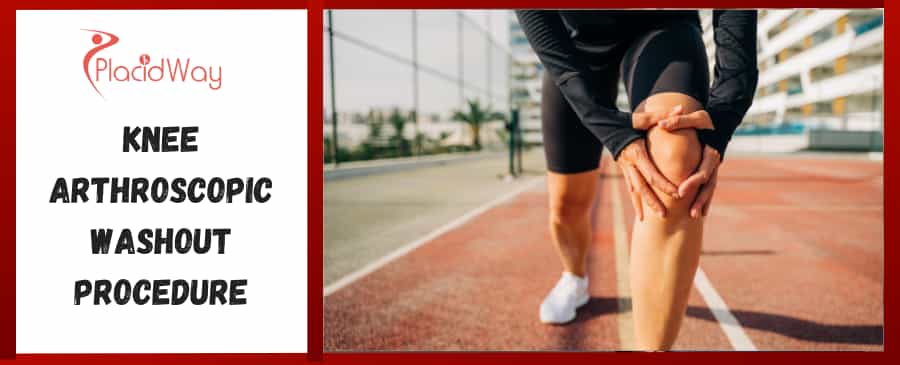
Finding Relief from Knee Pain: Your Guide to Knee Arthroscopic Washout Abroad
Living with chronic knee pain, stiffness, or persistent swelling can severely impact your daily life, making even simple movements challenging. When conservative treatments like medication, physical therapy, or injections no longer provide adequate relief, exploring advanced options becomes essential. One such effective and minimally invasive solution is the Knee Arthroscopic Washout Procedure, often recommended for conditions like early-stage osteoarthritis or chronic inflammation.
This procedure, sometimes called a "knee lavage" or "arthroscopic debridement," offers a pathway to reduce pain and restore function by thoroughly cleaning the knee joint. For many, seeking this specialized care abroad through medical tourism not only provides access to high-quality treatment but also often comes with significant cost savings and shorter wait times.
If you're searching for "relief for knee pain," "arthroscopic washout for arthritis," or "solutions for a swollen knee," this comprehensive guide will walk you through everything you need to know about the Knee Arthroscopic Washout. We'll cover the procedure itself, who can benefit, what to expect during recovery, potential risks, and why medical tourism might be the ideal choice for your journey back to comfort and mobility.
What signs indicate you might need a Knee Arthroscopic Washout Procedure?
Identifying the right time to consider a knee arthroscopic washout often involves a combination of symptoms that interfere with your quality of life. Patients typically experience:
- Persistent Knee Pain: A dull ache or sharp pain that doesn't subside with over-the-counter pain relievers or rest. This pain might worsen with activity.
- Chronic Swelling: A noticeable puffiness around the knee joint that indicates inflammation and accumulation of fluid, known as "water on the knee."
- Stiffness: Difficulty bending or straightening the knee, especially after periods of inactivity, such as first thing in the morning or after sitting for a while.
- Clicking, Popping, or Grinding Sensations: Sounds or sensations within the knee joint, often accompanied by pain, which might suggest loose bodies or rough cartilage surfaces.
- Locking or Catching: A sensation where the knee temporarily gets stuck, preventing full movement, often caused by a piece of cartilage or debris interfering with joint mechanics.
- Limited Range of Motion: An inability to fully extend or flex the knee compared to your other knee or previous abilities.
If you've been experiencing these issues and have found little relief from non-surgical interventions like anti-inflammatory medications, physical therapy, or corticosteroid injections, your doctor might recommend an evaluation for arthroscopic washout.
What are the common causes and risk factors for knee joint problems requiring a washout?
The need for a knee arthroscopic washout typically arises from conditions that lead to inflammation and the accumulation of debris within the knee joint. Understanding these causes helps in preventing further issues and managing expectations:
- Osteoarthritis (Early to Moderate Stages): This degenerative joint disease is a leading cause. As cartilage wears down, tiny fragments can break off, floating in the synovial fluid and causing irritation, pain, and inflammation. A washout can remove these fragments and flush out inflammatory mediators.
- Chondromalacia Patellae: Softening and breakdown of the cartilage under the kneecap. This can create rough surfaces and debris.
- Meniscus Tears: While a washout usually doesn't repair a tear, fragments from a torn meniscus can irritate the joint. In some cases, a washout might be combined with a meniscectomy (removal of the torn part).
- Synovitis: Inflammation of the synovium, the lining of the knee joint, which can produce excess fluid and inflammatory cells.
- Traumatic Injuries: Acute injuries can lead to the formation of loose bodies (bone or cartilage fragments) or persistent inflammation.
- Gout or Pseudogout: These conditions involve crystal deposits in the joint, causing severe inflammation. A washout can help remove these crystals and alleviate symptoms.
Risk Factors that increase your susceptibility:
- Age: The risk of osteoarthritis and cartilage degeneration increases with age.
- Obesity: Excess weight puts significant stress on the knee joints, accelerating wear and tear.
- Previous Knee Injuries: Old ligament tears, fractures, or meniscal injuries can predispose the knee to early arthritis.
- Repetitive Stress: Certain occupations or sports involving repetitive knee movements or impacts can contribute to joint problems.
- Genetic Predisposition: Some individuals may have a genetic tendency towards joint diseases.
What treatment options are available for knee pain and inflammation, beyond just a washout?
Before considering a Knee Arthroscopic Washout, your doctor will likely explore a range of non-surgical and less invasive options. It's crucial to understand the full spectrum of available treatments to make an informed decision:
Conservative (Non-Surgical) Treatments:
- Rest, Ice, Compression, Elevation (RICE): Basic self-care for acute flare-ups.
- Medications: Over-the-counter pain relievers (NSAIDs like ibuprofen) or prescription anti-inflammatory drugs.
- Physical Therapy: Exercises to strengthen muscles around the knee, improve flexibility, and enhance joint stability.
- Injections:
- Corticosteroid Injections: Powerful anti-inflammatory drugs injected directly into the joint for temporary pain relief.
- Hyaluronic Acid Injections (Viscosupplementation): "Lubricating" injections to improve joint fluid quality, often for osteoarthritis.
- Platelet-Rich Plasma (PRP) Injections: Uses your own blood platelets to stimulate healing and reduce inflammation.
- Bracing: Knee braces can provide support and stability, reducing stress on the joint.
- Weight Management: Losing excess weight significantly reduces the load on your knees.
Surgical Treatments (beyond washout):
- Arthroscopic Debridement: Similar to a washout, but involves trimming or smoothing rough cartilage surfaces and removing larger loose bodies. A washout often accompanies debridement.
- Meniscus Repair/Removal: If a meniscus tear is significant, surgery might be needed to repair or partially remove the damaged portion.
- Ligament Reconstruction: For torn ligaments (e.g., ACL), surgical repair or reconstruction might be necessary to stabilize the knee.
- Osteotomy: A procedure to realign the knee joint by cutting and reshaping a bone, shifting weight from damaged areas to healthier ones.
- Partial or Total Knee Replacement: For severe, end-stage arthritis where cartilage is extensively damaged, replacing part or all of the knee joint with artificial components. This is typically a last resort.
The Knee Arthroscopic Washout is often considered when conservative treatments have failed, and before more extensive surgeries like joint replacement become necessary. It acts as a bridge, offering relief without the lengthy recovery associated with major operations.
Who is typically an ideal candidate for a Knee Arthroscopic Washout Procedure?
Deciding if a knee arthroscopic washout is right for you requires a thorough evaluation by an orthopedic specialist. Generally, ideal candidates share several characteristics:
- Persistent Symptoms: You have chronic knee pain, swelling, stiffness, or mechanical symptoms (like clicking or locking) that have lasted for several months.
- Failed Conservative Treatments: You've tried non-surgical approaches (e.g., physical therapy, medications, injections) for a reasonable period without significant or lasting relief.
- Early to Moderate Osteoarthritis: The procedure is most effective for early-stage degenerative changes where cartilage damage is not yet severe. It can help delay the need for more extensive surgery like knee replacement.
- Presence of Inflammatory Debris: Imaging (MRI) or clinical examination suggests the presence of loose bodies, inflammatory fluid, or roughened cartilage surfaces contributing to symptoms.
- Good Overall Health: You are generally healthy enough to undergo a minimally invasive surgical procedure and tolerate anesthesia.
- Realistic Expectations: You understand that while a washout can significantly alleviate symptoms and improve function, it may not "cure" underlying conditions like osteoarthritis, but rather manage its symptoms effectively.
Who might NOT be an ideal candidate?
- Advanced Osteoarthritis: If your knee joint has extensive, bone-on-bone cartilage loss, a washout is unlikely to provide substantial or long-term benefits. A knee replacement might be a more appropriate solution.
- Severe Structural Damage: Cases involving major ligament tears, severe meniscal tears requiring complex repair, or significant bone deformities often require more targeted surgical interventions.
- Active Infection: While washout is sometimes part of managing septic arthritis, an active, uncontrolled infection would need to be addressed differently first.
- Unrealistic Expectations: Expecting a complete return to strenuous sports without addressing underlying issues might lead to disappointment.
Your orthopedic surgeon will conduct a comprehensive assessment, including physical examination and imaging studies, to determine if a knee arthroscopic washout is the best course of action for your specific knee condition.
What does the recovery process look like after a Knee Arthroscopic Washout?
The recovery process after a Knee Arthroscopic Washout is generally less demanding than more extensive knee surgeries, thanks to its minimally invasive nature. However, patience and adherence to your surgeon's and physical therapist's instructions are crucial for optimal results:
Immediate Post-Procedure (First Few Days):
- Pain and Swelling: You'll experience some pain and swelling, which can be managed with prescribed pain medication, ice packs, and elevation.
- Crutches/Walking Aid: You might need crutches or a walking stick for a few days to a week to bear weight comfortably, especially if combined with other minor arthroscopic procedures.
- Dressing and Wound Care: Your knee will be bandaged, and instructions will be provided for keeping the incisions clean and dry.
- Early Movement: Gentle knee exercises, as advised by your surgeon, will typically begin immediately to prevent stiffness.
Short-Term Recovery (1-4 Weeks):
- Physical Therapy: This is a cornerstone of recovery. A physical therapist will guide you through exercises to restore range of motion, strengthen the muscles around your knee (quadriceps and hamstrings), and improve balance.
- Activity Progression: Gradually, you'll be able to increase your activity level, moving from light walking to more functional movements.
- Swelling Reduction: Swelling should progressively decrease, though some mild swelling may persist for several weeks.
- Driving: You can typically resume driving when you are off pain medication and can comfortably operate the pedals, usually within 1-2 weeks.
Long-Term Recovery (1-3 Months and Beyond):
- Return to Work: Depending on your job's demands, you might return to a desk job within a week, while more physically demanding jobs may require several weeks.
- Return to Sports/Strenuous Activities: A full return to impact sports or heavy labor usually takes 1 to 3 months, or longer, and will be guided by your physical therapist and surgeon based on your progress.
- Continued Strengthening: Maintaining a regular exercise program to keep your knee strong and flexible is important for long-term success.
Every individual's recovery timeline can vary based on factors like age, overall health, the extent of the initial knee problem, and adherence to rehabilitation protocols. Open communication with your medical team is key to a smooth and successful recovery.
Are there any risks or side effects associated with a Knee Arthroscopic Washout?
Like any surgical procedure, a Knee Arthroscopic Washout carries some potential risks and side effects, although serious complications are rare due to its minimally invasive nature. It's important to discuss these thoroughly with your surgeon before the procedure:
Common, usually minor, side effects:
- Pain and Swelling: Expect some degree of pain and swelling around the knee, which is a normal part of the healing process and managed with medication and ice.
- Bruising: Discoloration around the incision sites and knee area is common and usually resolves within a few weeks.
- Stiffness: Some temporary stiffness is normal, especially in the initial recovery phase. Early mobilization and physical therapy help counteract this.
Less common, more significant risks:
- Infection: Any surgical procedure carries a risk of infection at the incision sites or within the joint. Antibiotics are often given to minimize this risk.
- Blood Clots (DVT): Deep vein thrombosis (DVT) in the leg can occur. Measures like early mobilization, compression stockings, or blood thinners may be used to prevent this.
- Nerve or Blood Vessel Damage: Though rare, there's a small risk of damage to the nerves or blood vessels around the knee during surgery.
- Persistent Symptoms: In some cases, the washout may not fully alleviate all symptoms, or symptoms may recur if the underlying condition progresses.
- Anesthesia Risks: Risks associated with general or regional anesthesia, such as nausea, vomiting, or more serious cardiac or respiratory complications, though these are rare.
- Joint Effusion/Fluid Accumulation: Occasionally, the knee may swell excessively or fluid may persist, requiring aspiration.
- Allergic Reaction: To medications or materials used during surgery.
Your surgical team will take every precaution to minimize these risks. Choosing an experienced surgeon and following all pre- and post-operative instructions diligently are your best defenses against complications.
How does the cost of a Knee Arthroscopic Washout vary across different countries?
The cost of a Knee Arthroscopic Washout can be a major factor for many patients, especially those without comprehensive insurance coverage or facing high deductibles. One of the primary drivers for medical tourism is the potential for significant cost savings compared to prices in countries like the United States, Canada, or the UK.
Estimated Cost Comparison Table for Knee Arthroscopic Washout (USD)
| Country | Estimated Cost Range (USD) | Notes |
|---|---|---|
| United States | $7,000 - $15,000+ | Highly variable based on location, facility, and insurance. |
| Canada | $6,000 - $12,000 (for private, non-resident) | Public system covers residents; long wait times common. |
| United Kingdom | £4,000 - £8,000 ($5,000 - $10,000+) | Private care; NHS has waiting lists. |
| Mexico | $2,500 - $5,000 | Popular for US patients, proximity, accredited hospitals. |
| Costa Rica | $3,000 - $6,000 | Known for high-quality care, often combined with tourism. |
| India | $2,000 - $4,500 | Very cost-effective, world-class hospitals and surgeons. |
| Turkey | $2,500 - $5,500 | Emerging medical tourism hub, modern facilities. |
| Thailand | $3,000 - $6,000 | Excellent patient experience, JCI-accredited hospitals. |
These figures are estimates and can vary based on:
- Clinic/Hospital Reputation: More renowned facilities might charge more.
- Surgeon's Fees: Highly experienced surgeons may have higher fees.
- Anesthesia Fees: Type of anesthesia and duration.
- Pre-operative Tests and Post-operative Care: These can be included in packages or billed separately.
- Length of Hospital Stay: Although a washout is often outpatient, overnight stays can increase costs.
- Additional Procedures: If the washout is combined with other arthroscopic repairs, the total cost will be higher.
- Significant Cost Savings: As seen in the cost comparison, procedures can be drastically more affordable in other countries, often representing 30-70% savings compared to Western nations. This can be a game-changer for those without adequate insurance or with high deductibles.
- Reduced Waiting Times: In many public healthcare systems, waiting lists for non-emergency surgeries can be long. Medical tourism offers the flexibility to schedule your procedure much sooner, preventing prolonged pain and discomfort.
- Access to High-Quality Care and Expertise: Many medical tourism destinations boast world-class hospitals, JCI-accredited facilities, and highly trained surgeons, often educated in the US or Europe. These facilities frequently invest in the latest medical technology.
- Specialized Treatments: Sometimes, specific techniques or specialists for your particular condition might be more readily available or have more experience in certain international centers.
- Privacy and Anonymity: For some, undergoing a medical procedure away from home offers a sense of privacy.
- Opportunity for a "Recovery Vacation": The chance to combine your treatment with a relaxing recovery period in an appealing destination can significantly reduce stress and contribute positively to your overall well-being. Imagine recuperating on a beautiful coastline!
- Comprehensive Packages: Many international hospitals and medical tourism facilitators offer all-inclusive packages that cover not just the surgery but also accommodation, transfers, and post-operative care, simplifying the entire process.
- Reputation for Medical Tourism: Look for countries with established medical tourism industries and a strong reputation for orthopedic care. Popular choices include Mexico, Costa Rica, India, Turkey, Thailand, and South Korea.
- Accreditation and Regulations: Research the country's medical regulations and if it has internationally recognized accreditation bodies (like the Joint Commission International - JCI) overseeing hospitals.
- Language and Culture: Consider language barriers. Many medical tourism hubs have English-speaking staff, but it's worth confirming.
- Travel Logistics: Ease of travel (visa requirements, flight availability, proximity) and local support infrastructure.
- International Accreditation (JCI): This is a gold standard for patient safety and quality. JCI-accredited hospitals meet rigorous international healthcare standards.
- Surgeon Credentials and Experience: Verify the orthopedic surgeon's qualifications, board certifications, experience with knee arthroscopic washouts, and specialization. Many international surgeons have training from top Western institutions.
- Patient Reviews and Testimonials: Read reviews on independent platforms and request patient success stories or references.
- Technology and Facilities: Ensure the hospital uses modern equipment and has state-of-the-art operating theaters and diagnostic tools.
- Transparent Pricing: Request a detailed, all-inclusive quote to understand what's covered (surgery, anesthesia, hospital stay, medications, physical therapy, transfers, etc.) and what might be extra.
- Communication and Language Support: Confirm that the medical staff can communicate effectively in your language. Many hospitals offer translation services or have dedicated international patient coordinators.
- Post-Operative Care Plan: Understand the follow-up care provided, especially if you're returning home soon after the procedure. Some clinics offer telemedicine follow-ups.
- Identify Your Needs: Clearly define your symptoms and the type of procedure you need (Knee Arthroscopic Washout).
- Research Destinations & Clinics: Use resources like PlacidWay to identify countries and hospitals known for orthopedic excellence and medical tourism.
- Virtual Consultation: Schedule online consultations with potential surgeons. Share your medical records, MRI scans, and ask detailed questions about the procedure, recovery, and their experience. This helps you get a diagnosis and treatment plan.
- Get Detailed Quotes: Request comprehensive, all-inclusive quotes from chosen clinics.
- Book Travel & Accommodation: Arrange flights, accommodation (often near the hospital for convenience), and local transportation. Many medical tourism packages include these.
- Visa Application: Check if you need a visa for your chosen destination and apply well in advance.
- Medical Records: Organize all your medical history, test results, and current medication lists to bring with you.
- Financial Arrangements: Ensure all payments are sorted and you have funds for incidentals. Travel insurance that covers medical emergencies abroad is highly recommended.
- Pack Smart: Bring comfortable clothing, easy-to-wear shoes, any necessary mobility aids, and your medications.
- Arrival & Transfer: Many medical tourism packages include airport transfers. You'll be met and taken to your accommodation or directly to the hospital.
- Pre-operative Appointments: You'll have in-person consultations with your surgeon and anesthesiologist, along with any necessary pre-op tests (blood work, ECG).
- The Procedure: Undergo the Knee Arthroscopic Washout. The procedure itself is typically short, often 30-60 minutes.
- Hospital Stay (if required): A washout is often an outpatient procedure, meaning you go home the same day. If an overnight stay is needed, it's usually brief.
- Post-operative Care: Begin your recovery, which will likely involve pain management, ice, elevation, and initial physical therapy exercises.
- Follow-up Appointments: You'll have follow-up visits with your surgeon before you're cleared to travel.
- Enjoy Your Recovery (Optional): If time and health permit, you might spend some time recuperating and enjoying the local culture before heading home.
- Return Home: Ensure you have detailed post-op instructions and contact information for follow-up if needed. Continue your physical therapy as prescribed.
When considering medical tourism, it's crucial to get a detailed quote that includes all potential costs to avoid surprises.
Why should I consider medical tourism for my Knee Arthroscopic Washout?
The decision to seek medical treatment abroad, especially for a procedure like a Knee Arthroscopic Washout, is becoming increasingly popular. Here are compelling reasons why many individuals choose medical tourism:
For a Knee Arthroscopic Washout, where recovery is relatively short, the appeal of combining high-quality, affordable care with a memorable travel experience is undeniable.
How do I choose the best country and clinic for a safe and successful knee washout abroad?
Selecting the right country and clinic is perhaps the most critical step in a successful medical tourism journey. It requires thorough research and careful consideration:
Choosing the Country:
Choosing the Clinic/Hospital:
Using a reputable medical tourism facilitator like PlacidWay can significantly simplify this process. They often have established partnerships with accredited facilities and experienced surgeons, helping you navigate options and make informed decisions.
What are the general steps and expectations for traveling overseas for knee arthroscopy?
Embarking on a medical journey abroad requires careful planning and knowing what to expect at each stage. Here's a general roadmap:
Phase 1: Initial Research and Consultation
Phase 2: Planning and Preparation
Phase 3: Arrival and Treatment
Phase 4: Recovery and Return
This journey can seem daunting, but with proper planning and assistance from experienced facilitators, it can be a smooth and rewarding experience, leading you back to an active, pain-free life.
Take the Next Step with PlacidWay
Ready to explore treatment options abroad? Discover top clinics, compare prices, and get a free quote tailored to your needs with PlacidWay.
Orthopedic Surgery Abroad, Knee Sugery Abroad



.png)

.png)




.png)
.png)













Share this listing