
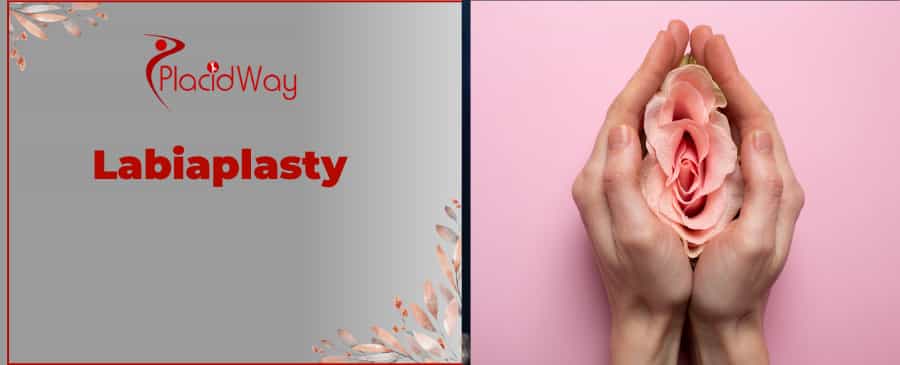
Rediscover Comfort & Confidence: Understanding Labiaplasty Abroad
For many women, the appearance or size of their labia can lead to a range of physical discomforts and emotional challenges. If you’ve experienced irritation during exercise, chafing from clothing, or feel self-conscious about your intimate anatomy, you’re not alone. These experiences often lead individuals to search for solutions, commonly turning to terms like "labia reduction surgery," "vaginal reshaping," or "cosmetic genital surgery." Labiaplasty is a safe and effective surgical procedure designed to address these concerns, offering a path to greater comfort, function, and confidence.
Labiaplasty specifically focuses on altering the size and shape of the labia—the folds of skin surrounding the vaginal opening. While the procedure is often chosen for aesthetic reasons, its benefits frequently extend to alleviating physical symptoms caused by enlarged or asymmetrical labia. This can include chronic irritation, discomfort during physical activities, difficulty with hygiene, and even pain during intercourse.
As you consider your options, the idea of pursuing labiaplasty might come with questions about cost, quality of care, and privacy. For these reasons, a growing number of patients are looking beyond their borders, exploring medical tourism destinations that offer world-class surgical expertise at more accessible prices. This guide will walk you through everything you need to know about labiaplasty, from understanding its benefits and risks to navigating the exciting possibilities of international treatment.
Whether you’re seeking relief from physical symptoms, aiming to boost your self-esteem, or simply curious about what labiaplasty entails, we’re here to provide comprehensive, patient-focused information to help you make an informed decision about your health and well-being.
What are the common signs you might benefit from labiaplasty?
Many women live with symptoms that significantly impact their quality of life but are hesitant to discuss them. If you’re searching for answers to "discomfort from labia minora" or "painful labia during exercise," you're likely experiencing some of the common indicators that labiaplasty could be beneficial. These signs are often categorized into physical and emotional discomforts:
- Physical Discomfort:
- Chafing and Irritation: Persistent rubbing against clothing, especially tight-fitting garments, causing redness, soreness, or even skin breakdown.
- Pain During Exercise: Activities like cycling, running, or horseback riding can become uncomfortable or painful due to labial tissue being caught or irritated.
- Difficulty with Hygiene: Larger labia can sometimes make it challenging to keep the area clean, potentially leading to recurrent infections.
- Discomfort During Intercourse: Labial tissue can be pulled, pinched, or stretched uncomfortably during sexual activity.
- Emotional & Aesthetic Concerns:
- Self-Consciousness: Feeling embarrassed or self-conscious about the appearance of your genitals, particularly when wearing swimsuits, lingerie, or during intimate moments.
- Body Image Issues: Negative feelings about your body image that affect self-esteem and confidence.
- Perceived Asymmetry: One labium may appear significantly larger or longer than the other, causing aesthetic concern.
These symptoms are valid reasons to explore surgical options, and discussing them with a qualified medical professional is the first step towards finding relief.
What causes enlarged or asymmetrical labia?
The size and shape of the labia vary widely among women, and what one person considers "enlarged" might be perfectly normal for another. There's no single "correct" labial appearance. However, when the size or asymmetry causes physical or emotional distress, understanding the potential causes can be helpful. Patients often search for "why are my labia so long" or "causes of large labia minora." Common factors include:
- Genetics: For many, labial size and shape are simply inherited traits, just like hair color or height.
- Puberty: Hormonal changes during adolescence can lead to significant growth and development of the labia.
- Pregnancy and Childbirth: The hormonal shifts and physical trauma associated with pregnancy and vaginal delivery can stretch and alter the labial tissues, sometimes permanently.
- Aging: As women age, the skin and tissues throughout the body can lose elasticity and volume, including the labia, which can sometimes appear longer or looser.
- Hormonal Fluctuations: Beyond puberty and pregnancy, other hormonal shifts can influence labial appearance.
- Trauma or Injury: Less commonly, direct injury to the area can cause changes in labial shape or size.
It's important to remember that having enlarged or asymmetrical labia is not a sign of poor health or hygiene. It's a natural variation that some women choose to address for personal reasons.
What are the different types of labiaplasty procedures?
When considering "labia reduction surgery techniques," you'll find that surgeons employ different approaches, each with its own advantages. The choice of technique often depends on the individual's anatomy, desired outcome, and the surgeon's expertise. The two most common techniques for labia minora reduction are:
- The Trim Method (or Excision Technique):
- How it works: Excess labial tissue is directly trimmed away along the outer edge.
- Benefits: Relatively straightforward, effective for significant reduction, and can address hyperpigmentation along the labial edge.
- Considerations: May result in a less natural-looking edge in some cases, with the potential for a visible scar line.
- The Wedge Method:
- How it works: A V-shaped (or wedge-shaped) section of tissue is removed from the central part of the labium, and the remaining edges are meticulously sewn together.
- Benefits: Preserves the natural, often darker, corrugated edge of the labia, resulting in a more natural appearance with scarring typically hidden within the folds.
- Considerations: More technically challenging, may not be suitable for all anatomies, and can be less effective for extremely large labia.
In addition to these, other procedures may be combined or performed:
- Clitoral Hood Reduction: Often performed concurrently with labiaplasty if the clitoral hood is also enlarged or prominent, creating a more balanced aesthetic.
- Labiaplasty Majora: Less common, this procedure addresses the outer labia, either reducing their size (through liposuction or direct excision) or augmenting them (with fat grafting or fillers) if they appear deflated.
Your surgeon will discuss the best technique for your specific goals during your consultation.
Am I a good candidate for labiaplasty?
Deciding whether "labiaplasty is right for me" involves a thorough assessment of your physical health, emotional well-being, and expectations. While specific criteria vary by surgeon, general guidelines for eligibility include:
- Physical Health: You should be in good general health, free from active infections or serious medical conditions that could impair healing.
- Realistic Expectations: Understanding that labiaplasty aims for improvement, not perfection. Discuss your desired outcome openly with your surgeon.
- Non-Smoker: Smoking significantly impairs healing and increases complication risks. Most surgeons require patients to stop smoking several weeks before and after surgery.
- Emotional Maturity: The decision should be your own, made after careful consideration, not under pressure from others.
- Stable Weight: Significant weight fluctuations after surgery can potentially alter results.
- Specific Concerns: You are bothered by physical discomfort (pain, chafing, hygiene issues) or aesthetic concerns (self-consciousness) due to the size or shape of your labia.
- Age: While there's no strict age limit, most surgeons prefer to operate on individuals whose labial development is complete, typically in their late teens or older.
An honest discussion with a board-certified plastic surgeon or gynecologist specializing in reconstructive surgery is crucial to determine if labiaplasty is the right choice for you.
What is the typical labiaplasty recovery time and what can I expect?
Understanding the "labiaplasty recovery process" is vital for managing expectations and ensuring a smooth healing journey. While individual experiences vary, here’s a general timeline and what you can expect:
- Immediately After Surgery: You will likely experience mild to moderate swelling, bruising, and discomfort. Pain medication will be prescribed to manage this.
- First Few Days (Day 1-3):
- Keep the area clean and dry.
- Apply cold compresses to reduce swelling.
- Rest is crucial; avoid prolonged sitting or standing.
- You may need a day or two off work, depending on your job.
- First 1-2 Weeks:
- Swelling and bruising will gradually subside.
- Stitches (often dissolvable) will start to disappear.
- Most patients can resume light daily activities, but avoid strenuous exercise.
- Walking is generally encouraged.
- Weeks 3-6:
- Significant healing will have occurred.
- Strenuous exercise, cycling, and sexual activity can typically be resumed around 4-6 weeks, with your surgeon's clearance.
- Continue to avoid tight clothing that may cause irritation.
- Months 3-6 (and beyond):
- Residual swelling can take several months to fully resolve, revealing the final results.
- Scars will continue to mature and fade.
Always follow your surgeon's specific post-operative instructions carefully. This includes guidance on hygiene, activity restrictions, and medication.
What are the potential risks and side effects of labiaplasty?
Like any surgical procedure, "is labiaplasty safe" is a common and valid concern, and it's essential to be aware of potential risks. While serious complications are rare, understanding them allows for informed decision-making:
- Common Side Effects (usually temporary):
- Swelling and bruising
- Mild pain or discomfort
- Temporary numbness or altered sensation
- Potential Risks (less common, but more serious):
- Infection: Though sterile techniques are used, any surgery carries a risk of infection.
- Bleeding/Hematoma: Excessive bleeding during or after surgery, potentially forming a collection of blood.
- Poor Wound Healing: Especially if you smoke or have underlying health issues.
- Asymmetry: Despite careful planning, slight differences between the labia may remain or develop.
- Changes in Sensation: This can include numbness, hypersensitivity, or, rarely, a decrease in sexual sensation. Most changes are temporary, but permanent alterations are possible.
- Scarring: While surgeons aim for discreet scars, visible or hypertrophic (raised) scarring can occur.
- Dissatisfaction with Aesthetic Outcome: The results may not meet the patient's expectations, leading to the need for revision surgery.
- Reactions to Anesthesia: Rare, but possible complications related to general or local anesthesia.
Choosing an experienced, board-certified surgeon and strictly following pre- and post-operative instructions can significantly minimize these risks.
How much does labiaplasty cost globally, and where can I find value?
The "cost of labiaplasty" is a major factor for many, and prices can fluctuate dramatically based on geographic location, the surgeon's experience, the complexity of the procedure, and whether it's combined with other treatments. Medical tourism has become a popular option for those seeking high-quality care at a more affordable price. Here's a general comparison:
| Country | Estimated Labiaplasty Cost (USD) | Value Proposition |
|---|---|---|
| United States | $4,000 - $8,000+ | High standards, but often highest prices. |
| United Kingdom | $3,500 - $7,000+ | Similar to US, can be slightly lower. |
| Canada | $3,500 - $6,500+ | Comparable to UK, limited public funding for cosmetic. |
| Mexico | $2,000 - $4,500 | Significantly lower costs, proximity for North Americans, many accredited facilities. |
| Turkey | $2,500 - $5,000 | Excellent medical infrastructure, experienced surgeons, popular for European patients. |
| Thailand | $2,000 - $4,000 | Renowned for medical tourism, high-quality hospitals, combining surgery with a vacation. |
| Colombia | $2,000 - $4,000 | Emerging medical tourism hub, skilled surgeons, cultural experience. |
*Note: These are estimated ranges and can change. Always get a personalized quote from your chosen clinic. Costs typically include surgeon's fees, anesthesia, and facility fees. Travel and accommodation are separate.
Why should I consider traveling abroad for labiaplasty?
The decision to seek "labiaplasty abroad" is driven by several compelling advantages that extend beyond just cost savings:
- Significant Cost Savings: As seen in the table above, the cost of labiaplasty can be considerably lower in popular medical tourism destinations, even when factoring in travel expenses. This makes the procedure accessible to more individuals.
- Enhanced Privacy: Undergoing a cosmetic procedure in another country can offer a level of discretion and privacy that many patients appreciate, allowing them to recover away from their usual social circles.
- Access to Specialized Surgeons: Some countries are renowned for their expertise in specific cosmetic procedures, giving patients access to highly skilled and experienced surgeons who may not be available locally.
- Shorter Wait Times: In some national healthcare systems, elective cosmetic surgeries can have long waiting lists. Traveling abroad often means you can schedule your procedure much sooner.
- Opportunity for a "Recovery Vacation": Patients can combine their surgical journey with a relaxing getaway, allowing for a more enjoyable and discreet recovery period in a new environment.
- State-of-the-Art Facilities: Many international clinics catering to medical tourists boast modern, well-equipped facilities with advanced technology, comparable to or exceeding those in Western countries.
Which countries are best for labiaplasty medical tourism?
When searching for "best countries for cosmetic surgery abroad," certain destinations frequently emerge as leaders due to their combination of quality, affordability, and patient-centric services:
- Mexico: Especially popular for North American patients due to proximity. Cities like Tijuana, Cancun, and Guadalajara offer numerous accredited clinics with English-speaking staff and experienced surgeons.
- Turkey: A rising star in medical tourism, particularly for European patients. Istanbul and Antalya boast a wealth of highly qualified surgeons, JCI-accredited hospitals, and attractive package deals that often include accommodation and transfers.
- Thailand: A long-established medical tourism hub, known for its exceptional hospitality and world-class private hospitals, particularly in Bangkok and Phuket. Patients often combine their treatment with a relaxing recovery vacation.
- South Korea: While often more focused on facial procedures, South Korea also offers advanced cosmetic surgery, including labiaplasty, with a strong emphasis on aesthetic outcomes and innovation.
- Colombia: An emerging destination, particularly in cities like Medellín and Bogotá, offering skilled plastic surgeons and competitive pricing for procedures.
When selecting a country, consider not just cost, but also travel logistics, cultural factors, and the availability of English-speaking staff.
What to expect when traveling for this procedure abroad?
Embarking on a "medical travel journey" requires careful planning. Here’s a general overview of what to expect:
- Initial Consultation (often virtual): Most reputable clinics offer online consultations with your chosen surgeon to discuss your goals, assess your suitability, and answer questions before you travel.
- Travel Arrangements: Book flights and accommodation well in advance. Many medical tourism agencies (like PlacidWay) can assist with these logistics, sometimes offering package deals.
- Arrival and Pre-Op Appointments: Upon arrival, you'll have in-person consultations, medical evaluations, and pre-operative tests to ensure you're fit for surgery.
- The Procedure: Labiaplasty is usually an outpatient procedure, meaning you go home the same day.
- Post-Operative Care: You’ll need to stay in the country for a recommended recovery period (typically 7-14 days for labiaplasty) for follow-up appointments and to ensure safe travel home.
- Accommodation: Choose comfortable accommodation that allows for easy rest and minimizes movement. Some clinics partner with hotels or offer their own recovery suites.
- Language and Cultural Differences: While many medical staff speak English, learning a few basic phrases of the local language or having a translation app can be helpful. Be open to cultural differences.
- Travel Home: Plan for a comfortable return journey. Avoid long-haul flights immediately after surgery; allow adequate recovery time before flying.
A reputable medical tourism facilitator can guide you through each step, making the process smoother and less stressful.
How can I ensure safety and quality when getting labiaplasty abroad?
Prioritizing "safe labiaplasty abroad" is paramount. While many international clinics offer excellent care, due diligence is essential:
- Verify Surgeon Credentials:
- Look for board-certified surgeons with extensive experience in labiaplasty.
- Check their professional affiliations and surgical society memberships.
- Review their before-and-after portfolios.
- Clinic Accreditation:
- Seek out clinics or hospitals accredited by international bodies like Joint Commission International (JCI) or local equivalents that signify high standards of patient care and safety.
- Read Patient Reviews and Testimonials:
- Look for independent reviews on platforms beyond the clinic’s website.
- Pay attention to feedback regarding patient care, communication, and overall experience.
- Thorough Communication:
- Ensure the clinic provides clear, comprehensive information in your native language.
- Don’t hesitate to ask questions about the procedure, risks, recovery, and what’s included in the cost.
- Use a Reputable Medical Tourism Facilitator:
- Organizations like PlacidWay vet clinics and surgeons, handle logistics, and provide support throughout your journey, adding an extra layer of security.
- Insurance and Emergency Plan:
- Understand what your travel insurance covers and have a plan for unexpected emergencies.
What are common patient success stories from labiaplasty abroad?
The true measure of a procedure's success lies in the positive experiences of patients. "Labiaplasty success stories" from individuals who have traveled abroad often echo similar themes:
- Renewed Confidence: A frequent outcome is a profound increase in self-esteem and body confidence, allowing women to feel more comfortable in their own skin and during intimate moments. "I no longer feel embarrassed," is a common sentiment.
- Relief from Discomfort: Many patients share stories of finally being free from chronic chafing, irritation during exercise, and discomfort with clothing. This functional improvement significantly enhances daily life.
- Positive Travel Experience: Beyond the surgery itself, many patients rave about the seamless and supportive experience provided by medical tourism providers and international clinics, which often go above and beyond to ensure comfort and care.
- Affordable Access: The ability to access high-quality surgery at a price point that wouldn't be possible in their home country is a recurring highlight, empowering more women to pursue the care they need.
- Empowerment: For many, choosing to undergo labiaplasty is an act of empowerment, taking control of their body and addressing long-standing concerns.
These stories underscore the life-changing potential of labiaplasty, especially when sought through reputable medical tourism channels, allowing women to achieve both physical comfort and emotional well-being.
Take the Next Step with PlacidWay
Ready to explore treatment options abroad? Discover top clinics, compare prices, and get a free quote tailored to your needs with PlacidWay.
Cosmetic Surgery Abroad, Plastic Surgery Abroad




.png)

.png)
.png)

















Share this listing