
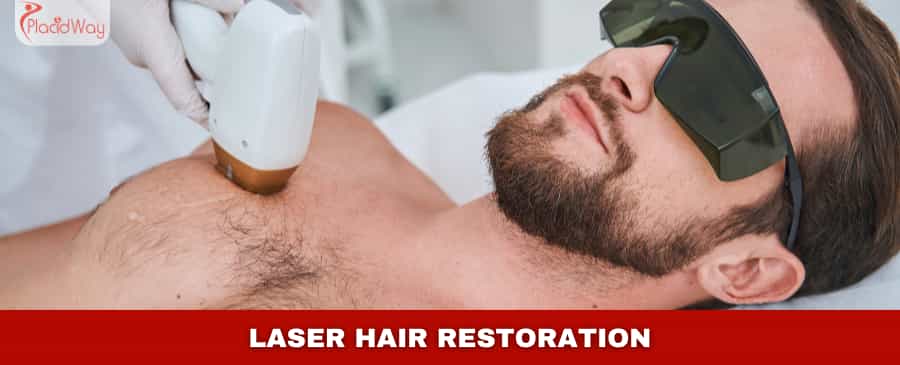
Restore Your Hair and Confidence: A Guide to Laser Hair Restoration Abroad
Hair loss can be a deeply personal and often distressing experience, affecting self-esteem and confidence regardless of age or gender. Whether you're noticing a receding hairline, thinning at the crown, or overall decreased hair density, the search for an effective solution often begins with a glimmer of hope for restoration.
In recent years, advancements in non-surgical hair restoration have opened new doors for many. Among these, Laser Hair Restoration, specifically Low-Level Laser Therapy (LLLT), has emerged as a popular and accessible option. This innovative treatment uses therapeutic light energy to stimulate cellular activity within hair follicles, encouraging natural hair growth and strengthening existing strands. It’s a gentle, non-invasive alternative for those not ready for or not suitable for surgical procedures.
For many, the journey to regain a fuller head of hair isn't just about appearance; it's about reclaiming a sense of self. If you're searching for "non-surgical hair loss solutions," "best treatment for thinning hair," or "how to stop hair fall and regrow hair," LLLT might be the answer you're looking for. It's particularly appealing for individuals in the early to moderate stages of hair loss, including androgenetic alopecia (male and female pattern baldness).
Beyond its efficacy, Laser Hair Restoration has also become a focal point in the world of medical tourism. Patients from around the globe are exploring options abroad, driven by the desire for high-quality care at more affordable prices, coupled with the opportunity for a discreet and relaxing recovery. This guide will walk you through everything you need to know about Laser Hair Restoration, from understanding its benefits and process to navigating the exciting possibilities of seeking treatment in international destinations.
What are the common signs of hair loss that Laser Hair Restoration can address?
Recognizing the early signs of hair loss is crucial for effective intervention. Laser Hair Restoration, or Low-Level Laser Therapy (LLLT), is most effective for individuals experiencing certain patterns and stages of hair loss. Key symptoms it can help address include:
- Gradual Thinning on Top of Head: This is the most common type of hair loss, affecting both men (male-pattern baldness, often a receding hairline or bald spot on the crown) and women (female-pattern baldness, typically a widening part or diffuse thinning over the scalp).
- Receding Hairline: For men, a hairline that gradually moves backward, often forming an "M" shape, is a clear indicator.
- Increased Hair Shedding: Noticing more hair on your pillow, in the shower drain, or on your brush than usual can be a sign of hair loss rather than normal shedding.
- Patchy or Circular Bald Spots: While LLLT is primarily for diffuse thinning, some forms of localized thinning may benefit if underlying conditions are resolved.
- Overall Decrease in Hair Density: Your ponytail feels thinner, or your scalp becomes more visible through your hair.
LLLT is particularly beneficial for treating androgenetic alopecia, where hair follicles shrink over time due to genetic and hormonal factors, leading to finer, shorter hairs and eventually dormant follicles. By delivering light energy, LLLT can reactivate these dormant follicles and energize existing ones.
What causes hair loss, and how does it relate to laser therapy?
Understanding the root causes of your hair loss is key to choosing the right treatment. While LLLT can be highly effective, it's important to know what factors might be contributing to your condition:
- Genetics (Androgenetic Alopecia): This is the most common cause. If your parents or grandparents experienced hair loss, you're more likely to as well. It involves hair follicles becoming sensitive to a hormone called dihydrotestosterone (DHT), leading to miniaturization. LLLT helps to counteract this process by stimulating cellular activity and improving blood flow.
- Hormonal Changes: Pregnancy, childbirth, menopause, and thyroid problems can cause temporary or permanent hair loss. LLLT can support hair regrowth during these periods, but underlying hormonal issues may need separate medical attention.
- Medical Conditions: Autoimmune diseases (like alopecia areata), scalp infections (ringworm), and certain skin disorders can cause patchy hair loss. LLLT can be a supportive therapy once the primary condition is managed.
- Medications and Supplements: Drugs for cancer, arthritis, depression, heart problems, and high blood pressure can have hair loss as a side effect.
- Stress: Significant emotional or physical stress can lead to a general thinning of hair (telogen effluvium). LLLT can help accelerate recovery and regrowth once the stressor is removed.
- Nutritional Deficiencies: Lack of iron, protein, zinc, or biotin can affect hair health. LLLT can complement dietary changes and supplements.
LLLT works by delivering photons into the scalp tissue. These photons are absorbed by weak cells, which then convert the light energy into cellular energy. This process improves blood circulation to the scalp, delivers more oxygen and nutrients to the hair follicles, and stimulates metabolic processes that encourage hair growth and reduce inflammation, helping to reverse the miniaturization of follicles.
What types of laser hair restoration treatments are available, and how do they work?
When you hear "laser hair restoration," it almost always refers to Low-Level Laser Therapy (LLLT). Unlike high-power lasers used for hair removal, LLLT uses low-power lasers (or LEDs) that do not generate heat or cause tissue damage. Its mechanism is photobiomodulation – stimulating cells with light:
- In-Clinic Devices: These are typically professional-grade hooded devices or larger panels used in clinics. Sessions usually last 20-30 minutes, 2-3 times a week. The controlled environment ensures optimal light exposure and power, making these very effective.
- At-Home Devices (Laser Caps/Helmets, Combs, Bands): For convenience, many people opt for portable devices.
- Laser Caps/Helmets: These hands-free devices fit on the head like a helmet or baseball cap, delivering uniform light to the scalp. They are popular for consistent, frequent treatment.
- Laser Combs/Bands: These require manual movement across the scalp but offer flexibility. They are often used for targeted areas.
How LLLT Works: The red light emitted by LLLT devices penetrates the scalp and is absorbed by the mitochondria in hair follicle cells. This absorption leads to:
- Increased ATP Production: Providing energy for cellular functions.
- Improved Blood Flow: Delivering more oxygen and nutrients to follicles.
- Reduced Inflammation: Which can otherwise inhibit hair growth.
- Stimulation of Growth Factors: Encouraging follicles to move from dormant (telogen) to active growth (anagen) phases.
LLLT is often used as a standalone treatment or in conjunction with other hair loss therapies like topical minoxidil, oral finasteride, or even after hair transplant surgery to enhance results and speed recovery.
Who is a good candidate for non-surgical laser hair restoration?
While Laser Hair Restoration is a promising treatment, it's not suitable for everyone. The best candidates typically:
- Have Early to Moderate Hair Loss: LLLT is most effective for individuals experiencing thinning hair or early stages of male or female pattern baldness. This typically corresponds to Norwood Scale I-V for men and Ludwig-Savin Scale I-II for women. If you have complete baldness in an area, there are no existing follicles to stimulate, so LLLT would not be effective.
- Still Have Active Hair Follicles: The treatment works by stimulating existing, but weakened or dormant, hair follicles. It cannot create new follicles.
- Are Committed to Consistent Treatment: LLLT requires regular, ongoing sessions (either in-clinic or at-home) to see and maintain results. It's not a one-time fix.
- Have Realistic Expectations: While LLLT can significantly improve hair density and reduce shedding, it's not a miracle cure for extensive baldness. Results are often subtle initially and improve over several months.
- Are Generally Healthy: While LLLT has minimal side effects, a consultation with a doctor is essential to rule out other medical conditions causing hair loss that might need different treatments.
A qualified specialist will assess your specific hair loss pattern, scalp health, and medical history to determine if Laser Hair Restoration is the right choice for you.
What is the typical recovery time and what results can I expect after laser hair restoration?
One of the most appealing aspects of Laser Hair Restoration is its minimal impact on your daily life. There is virtually no recovery time associated with LLLT. You can typically resume all your normal activities immediately after a session.
What to Expect During Treatment:
- Sessions are painless; you might feel a slight warmth or nothing at all.
- Consistency is key. Results are cumulative, meaning they build up over time with regular use. Missing sessions can hinder progress.
- Patience is essential. Hair growth is a slow biological process.
Timeline for Results:
- 2-4 Months: Many patients report reduced hair shedding. Existing hair may feel thicker and healthier.
- 4-6 Months: You may start to notice new hair growth, particularly in areas where hair was thinning. Hair might appear fuller and more vibrant.
- 6-12 Months: Significant improvements in hair density and overall scalp coverage are typically observed. Continued treatment beyond this period is often recommended to maintain results.
It's important to understand that LLLT revitalizes and strengthens existing hair. While it can stimulate new growth from dormant follicles, it won't regrow hair in areas that have been bald for a long time. Think of it like watering a struggling plant – it helps it grow stronger and fuller, but it won't sprout a new plant in an empty pot.
Are there any risks or side effects associated with low-level laser therapy for hair?
Compared to surgical options or even some topical treatments, Low-Level Laser Therapy (LLLT) is widely regarded as one of the safest hair restoration methods with very few side effects. This non-invasive nature is a major draw for many patients seeking "non-surgical hair regrowth."
Potential Minor Side Effects (Rare):
- Temporary Scalp Irritation: A very small percentage of individuals might experience mild itching, redness, or tenderness of the scalp immediately after a session. This usually subsides quickly.
- Initial Shedding: In some cases, patients may experience a temporary increase in hair shedding during the first few weeks of treatment. This is often a sign that the treatment is working, as weaker hairs are shed to make way for new, healthier growth. This phase is temporary and should resolve.
- Dryness: Extremely rare, but some individuals might report slight scalp dryness.
Why LLLT is Considered Safe:
- Non-Thermal: LLLT uses "cold" laser light, meaning it does not produce heat or damage skin tissue.
- Non-Ionizing: The light energy used is non-ionizing, meaning it does not cause changes at the cellular level that could lead to mutations.
- FDA Cleared: Many LLLT devices have received FDA clearance, meaning they have been reviewed for safety and efficacy.
Always ensure you are using a reputable device, whether at home or in a clinic, and follow the manufacturer's or clinician's instructions carefully. If you have any concerns or experience unusual side effects, consult your healthcare provider.
How much does laser hair restoration cost globally compared to local options?
The cost of Laser Hair Restoration can vary widely based on location, the type of device used (in-clinic vs. at-home), the number of sessions, and the clinic's reputation. Medical tourism has become a popular route for those seeking significant savings without compromising on quality.
Worldwide Cost Comparison for a typical LLLT treatment package (e.g., 6-12 months of sessions or a high-end at-home device):
| Country | Estimated Cost Range (USD) | Key Factors |
|---|---|---|
| USA / Canada | $2,000 - $5,000+ | High overheads, premium technology, comprehensive packages. |
| United Kingdom / Western Europe | £1,500 - £4,000 ($1,900 - $5,100+) | Similar factors to North America, strong regulatory environment. |
| Turkey | $800 - $2,500 | Highly competitive market, skilled practitioners, lower cost of living. Often part of broader hair restoration packages. |
| Mexico | $700 - $2,000 | Proximity for North American patients, growing medical tourism sector, competitive pricing. |
| India | $500 - $1,800 | Very affordable, high volume of patients, experienced doctors. |
| Thailand | $600 - $2,200 | Excellent medical infrastructure, popular wellness destination, often combined with a holiday. |
Note: These are estimated ranges and can fluctuate based on specific clinics, device brands, and package inclusions. Always request a personalized quote.
Why should I consider traveling abroad for laser hair restoration?
The decision to seek medical treatment abroad, especially for something as personal as hair restoration, is often driven by compelling advantages:
- Significant Cost Savings: As seen in the table above, the most prominent reason is the potential to save thousands of dollars or pounds compared to your home country. These savings don't necessarily reflect lower quality but rather lower operating costs, wages, and insurance premiums in the destination country.
- Access to World-Class Specialists and Technology: Many medical tourism hubs boast highly experienced dermatologists and hair restoration experts who perform a high volume of these procedures, often using the latest LLLT devices.
- Reduced Waiting Times: In some countries, getting an appointment for specialized treatments can involve long waiting lists. Abroad, you can often schedule your procedure much sooner.
- Privacy and Discretion: For some, undergoing cosmetic or restorative procedures closer to home can feel less private. Traveling abroad offers a level of anonymity and a chance to return home with noticeable improvements without drawing immediate attention to the treatment process itself.
- Combine Treatment with a Holiday: Many patients appreciate the opportunity to explore a new culture, sightsee, and relax as part of their medical journey, turning a necessary medical trip into a rejuvenating experience.
Think of it like buying a luxury item for less – the value is still there, but the cost structure is different.
Which countries are top destinations for affordable and quality laser hair restoration?
Several countries have established themselves as leaders in medical tourism, offering excellent facilities and experienced professionals for hair restoration procedures like LLLT:
- Turkey: Istanbul, in particular, has become a global hub for hair restoration. Turkish clinics are known for their state-of-the-art facilities, highly skilled doctors, and very competitive pricing, often offering all-inclusive packages that cover accommodation and transfers.
- Mexico: Especially popular with patients from the United States and Canada due to its proximity. Cities like Tijuana and Cancun offer modern clinics with English-speaking staff and a growing reputation for quality medical care at a fraction of US costs.
- India: Renowned for its affordable healthcare, India provides excellent medical services across various specialties, including dermatology and hair restoration. You'll find highly qualified practitioners and advanced technology at very attractive price points.
- Thailand: A long-standing favorite for medical tourists, Thailand combines world-class medical facilities with exceptional hospitality. Clinics in Bangkok and other major cities offer LLLT and other hair treatments, often providing a serene recovery environment.
When choosing a destination, consider not just the cost, but also ease of travel, language barriers, and local infrastructure that suits your comfort level.
What should I expect when planning and undergoing laser hair restoration as a medical tourist?
Embarking on a medical journey abroad requires careful planning. Here's a general overview of what to expect:
Before You Travel:
- Research and Consultation: Begin with thorough research into clinics and doctors. Most will offer virtual consultations to assess your suitability for LLLT and provide a personalized treatment plan and quote.
- Documentation: Ensure your passport is valid and check visa requirements for your chosen destination.
- Travel Arrangements: Book flights and accommodation. Many medical tourism agencies (like PlacidWay) offer packages that include these or can assist with arrangements.
- Medical Records: Gather any relevant medical history or previous hair loss treatment records to share with your chosen clinic.
- Communication: Confirm language support at the clinic. Many international clinics cater to English-speaking patients.
During Your Stay:
- Arrival and Transfer: Some clinics or agencies provide airport transfers.
- Initial In-Person Consultation: A detailed examination and discussion with your doctor will occur before treatment begins.
- Treatment Sessions: LLLT typically involves multiple sessions. Depending on the intensity and frequency, you might stay for a few days to a few weeks, or opt for a schedule allowing you to incorporate travel between sessions if you're using an at-home device for maintenance. For ongoing LLLT, some patients travel for initial in-clinic setup and then continue with home devices.
- Follow-up: The clinic will provide instructions for post-treatment care and possibly remote follow-up.
Ensuring Safety and Quality Abroad:
- Accreditation: Look for clinics accredited by international bodies like JCI (Joint Commission International) or local health ministries.
- Doctor Credentials: Verify the doctor's qualifications, experience, and board certifications.
- Reviews and Testimonials: Read patient reviews and seek out success stories from others who have undergone LLLT abroad. Reputable clinics will often have these available.
- Transparency: Ensure the clinic provides clear information about the treatment plan, costs, and potential risks.
- Medical Tourism Facilitators: Companies like PlacidWay specialize in connecting patients with accredited clinics worldwide, helping to vet providers and streamline the entire process, including travel logistics, ensuring a safer and higher-quality experience. They act as your advocate.
By taking these steps, you can confidently pursue Laser Hair Restoration abroad, leveraging the benefits of international medical care while ensuring your safety and satisfaction.
Take the Next Step with PlacidWay
Ready to explore treatment options abroad? Discover top clinics, compare prices, and get a free quote tailored to your needs with PlacidWay.
Hair Transplant Abroad | Hair Restoration | FUE | FUT















Share this listing