
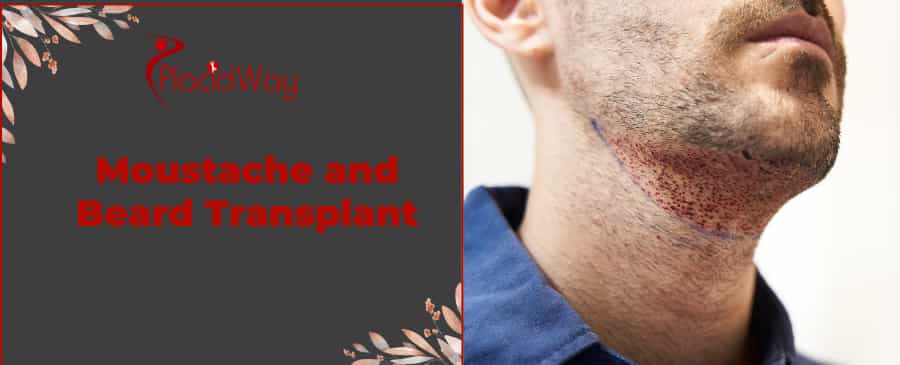
Transform Your Look: The Journey to a Fuller Moustache and Beard
For many men, a full, well-groomed moustache and beard aren't just about style—they're about confidence, identity, and personal expression. Yet, not everyone is blessed with the genetic lottery for robust facial hair growth. Whether you're struggling with patchy spots, a thin moustache, or the complete inability to grow a beard, a moustache and beard transplant offers a life-changing solution.
This advanced cosmetic procedure works by carefully relocating healthy hair follicles from a donor area—typically the back or sides of your scalp—to your face. These transplanted follicles then begin to grow naturally, just like your existing facial hair, creating a denser, more uniform, and aesthetically pleasing result. It's a meticulous art and science, designed to restore your desired look with precision and care.
In this guide, we'll delve into everything you need to know about facial hair transplantation, from understanding why you might need one to exploring the procedure types, recovery, costs, and why many men are choosing to travel abroad for this transformative treatment. If you're dreaming of a distinguished beard or a perfectly sculpted moustache, you've come to the right place.
Why might someone need a moustache or beard transplant?
The desire for a fuller moustache or beard often stems from various personal and aesthetic reasons. Many individuals experience:
- Patchy Beard Growth: You might have areas on your cheeks, chin, or around your mouth where hair simply doesn't grow, creating an uneven and incomplete look. This is a common concern for those searching for a "patchy beard fix."
- Thin or Sparse Facial Hair: Even if hair grows, it might be too thin or fine to create the desired density, making your beard or moustache look weak. People often search for "how to get a thicker beard" or "thin moustache solutions."
- Complete Absence of Facial Hair: For some, growing any significant facial hair seems impossible due to genetics or other factors, leading them to look for "beard growth solutions" or "can't grow a beard help."
- Hair Loss Due to Scars or Trauma: Accidents, burns, surgery, or even severe acne can leave scars on the face where hair follicles have been destroyed, resulting in permanent bald spots. A transplant can effectively cover these "scarred beard areas."
- Alopecia Barbae: This is an autoimmune condition similar to alopecia areata, specifically affecting facial hair, causing sudden, circular bald patches.
- Desire for a Specific Style: Sometimes, it's simply about achieving a particular look—a denser beard line, a more defined goatee, or a vintage-style moustache that natural growth doesn't allow.
These challenges can impact self-esteem and confidence, making a facial hair transplant a compelling option for those seeking a permanent and natural-looking solution.
What causes patchy or absent facial hair?
Understanding the root cause of your facial hair woes can help determine if a transplant is the right path. Several factors contribute to patchy or absent growth:
- Genetics: This is by far the most common reason. Your genetic blueprint dictates the number of hair follicles you have, their sensitivity to hormones, and their growth cycle. If your father or grandfather had thin facial hair, you're likely to experience the same. This is why many ask "why can't I grow a full beard?"
- Hormonal Imbalances: Androgens, particularly dihydrotestosterone (DHT), play a crucial role in facial hair development. Low levels of testosterone or an insensitivity of hair follicles to androgens can result in sparse growth. However, simply having high testosterone doesn't guarantee a full beard.
- Alopecia Barbae: As mentioned, this autoimmune condition causes the immune system to mistakenly attack hair follicles, leading to patchy hair loss on the face.
- Trauma and Scarring: Physical injuries, burns, surgical incisions, or even severe skin conditions like acne can permanently damage hair follicles, preventing hair growth in those areas. This often leads to searching for "scarred beard area solutions."
- Certain Medical Conditions & Medications: Some illnesses, nutritional deficiencies, or medications (e.g., chemotherapy, some thyroid medications) can temporarily or permanently affect hair growth throughout the body, including the face.
- Age: While some men experience increased facial hair density with age, others might find it thinning or becoming patchier over time.
A consultation with a specialist can help identify the specific cause for your situation and recommend the most effective treatment.
What types of moustache and beard transplant procedures are available?
There are two primary techniques used for facial hair transplantation, both involving the relocation of individual hair follicles:
-
Follicular Unit Extraction (FUE) Beard Transplant:
This is the most popular method for facial hair transplants. Individual hair follicles are extracted one by one directly from the donor area (usually the back of the head) using a specialized micro-punch tool. These follicular units, typically containing 1-3 hairs, are then meticulously implanted into tiny incisions made in the recipient areas of the face, ensuring the correct angle and direction of growth to mimic natural facial hair. The advantage of FUE is that it leaves no linear scar, only tiny dot-like scars that are virtually undetectable, making it ideal for those who prefer to wear their donor hair short. Recovery is generally quicker with FUE.
-
Follicular Unit Transplantation (FUT) Facial Hair (Strip Method):
Less commonly used for facial hair, FUT involves surgically removing a small strip of skin containing hair follicles from the donor area. This strip is then dissected under a microscope into individual follicular units. These units are subsequently implanted into the recipient areas on the face. While FUT can sometimes yield a larger number of grafts in a single session, it leaves a linear scar at the donor site, which may be a concern for individuals who wear their hair very short. Recovery can also be slightly longer compared to FUE.
The choice between FUE and FUT depends on factors like the required number of grafts, donor hair characteristics, and your personal preferences regarding scarring and recovery. Most modern clinics recommend and specialize in the FUE technique for facial hair due to its superior aesthetic outcomes for the donor area.
Who is a good candidate for a facial hair transplant?
Determining your eligibility for a moustache or beard transplant involves several key considerations:
- Sufficient Donor Hair: The most critical factor is having an adequate supply of healthy hair follicles in your donor area, typically the back and sides of your scalp. These hairs should ideally be similar in texture and caliber to facial hair for natural results. If you're wondering "where does donor hair for beard come from," it's almost always your own scalp.
- Good Overall Health: Candidates should be in good general health, free from any medical conditions that could complicate surgery or recovery.
- Realistic Expectations: It's important to understand what the procedure can achieve. While results are natural and long-lasting, individual outcomes can vary. A thorough consultation will help align your expectations with what's surgically possible.
- Stable Hair Loss: If you're experiencing ongoing hair loss on your scalp, your surgeon might recommend stabilizing this first to ensure sufficient donor hair for future needs.
- Age: While there's no strict age limit, most surgeons prefer patients to be over 25, as facial hair growth tends to mature in the mid-20s.
- Absence of Certain Conditions: Active skin infections, bleeding disorders, or certain autoimmune diseases might make you unsuitable for the procedure.
The best way to know if you're an ideal candidate for a facial hair transplant is to schedule a consultation with an experienced hair transplant surgeon who can assess your specific situation, discuss your goals, and evaluate your donor hair supply.
What is the typical recovery time after a beard transplant?
Understanding the "beard transplant recovery timeline" is crucial for managing expectations. Recovery is a multi-stage process:
- Immediately After (Day 1-7):
- You'll notice tiny scabs forming around each transplanted follicle and some redness/swelling in the recipient area. The donor area will also be slightly red with small scabs (FUE) or a dressing (FUT).
- Mild discomfort is common and manageable with pain medication.
- You'll need to follow specific post-op care instructions, including gentle cleaning and avoiding touching or rubbing the area.
- Most patients can return to light activities after a few days, but avoiding strenuous exercise for about 1-2 weeks is advised.
- Weeks 2-4: The Shedding Phase ("Shock Loss"):
- The scabs will typically fall off by the end of week two.
- Around this time, many of the newly transplanted hairs will begin to shed. This is a completely normal and expected part of the healing process, often referred to as "beard transplant shock loss." The follicles themselves remain, preparing for new growth.
- Redness should continue to subside.
- Months 3-4: New Growth Begins:
- Around the third month, new, fine hairs will start to emerge from the transplanted follicles. This is an exciting milestone for "when does beard hair grow after transplant."
- Initially, these hairs might be thin, but they will gradually thicken over time.
- Months 6-12: Visible Density:
- By six months, you'll see noticeable growth and density.
- The hairs will continue to mature, gaining thickness and length.
- Months 12-18: Final Results:
- The full, mature results of your beard transplant will be evident. The transplanted hairs will blend seamlessly with your natural facial hair, growing permanently.
Patience is key during the recovery and growth phases. Consistent aftercare and adherence to your surgeon's advice will optimize your results.
What are the risks and side effects of a facial hair transplant?
Like any surgical procedure, a moustache or beard transplant carries some potential risks and side effects, though they are generally minimal and manageable, especially when performed by a qualified surgeon:
- Swelling and Bruising: Common in the recipient and donor areas, typically subsides within a few days to a week.
- Redness: The transplanted area may appear red for several days to a few weeks, gradually fading over time.
- Scabbing: Small scabs will form around each transplanted follicle and in the donor area, which usually fall off within 1-2 weeks.
- Temporary Numbness: Some patients may experience temporary numbness or altered sensation in the donor or recipient areas, which almost always resolves.
- Infection: A rare but possible risk. Following post-operative care instructions carefully, including keeping the area clean, significantly minimizes this risk.
- Scarring:
- FUE: Leaves tiny, punctate (dot-like) scars in the donor area, which are usually imperceptible, even with short hair.
- FUT: Leaves a linear scar in the donor area, which can be visible if hair is cut very short.
- In the recipient area, scarring is rare and usually only a concern with poor technique or pre-existing conditions.
- Folliculitis: Inflammation of the hair follicles, sometimes appearing as small pimple-like bumps, can occur as new hairs grow. This is usually treatable with warm compresses or antibiotics.
- Unnatural Growth: If grafts are not implanted at the correct angle or direction, the transplanted hair might grow unnaturally. This highlights the importance of choosing an experienced and artistic surgeon.
- Poor Graft Survival: While most grafts survive, a small percentage may not take. Factors like smoking, poor post-op care, or underlying health issues can affect graft survival.
- Shock Loss in Donor Area: Rarely, some existing hairs in the donor area can temporarily shed after the procedure due to trauma, but they usually regrow.
Choosing an accredited clinic with highly skilled and experienced surgeons is the best way to minimize risks and ensure a successful outcome.
How much does a moustache and beard transplant cost worldwide?
The "beard transplant cost" is a significant consideration for many. Prices can fluctuate widely depending on several factors:
- Number of Grafts: The more grafts required to achieve your desired density, the higher the cost.
- Clinic Reputation and Location: Highly renowned clinics and those in areas with a higher cost of living (e.g., major cities in Western countries) tend to charge more.
- Surgeon's Experience and Expertise: Top surgeons with extensive experience in facial hair transplants often command higher fees.
- Technique Used: While FUE is generally more labor-intensive, pricing between FUE and FUT can vary by clinic.
- Included Services: Some clinics, especially in medical tourism destinations, offer all-inclusive packages (accommodation, transfers, post-op care), which can influence the perceived total cost.
Here's a general worldwide cost comparison (estimates, actual prices may vary):
| Country | Estimated Cost Range (USD) | Notes |
|---|---|---|
| USA | $7,000 - $15,000+ | Higher labor and overhead costs; leading technology and expertise. |
| UK | $6,000 - $12,000+ | Similar to Western Europe; high quality, but can be expensive. |
| Turkey | $2,500 - $6,000 | Very competitive pricing due to high volume and lower operational costs. Often includes packages. |
| Mexico | $3,000 - $7,000 | Popular for North Americans seeking proximity and affordability. |
| India | $2,000 - $5,000 | Highly cost-effective with experienced surgeons in major cities. |
As you can see, the cost difference can be substantial, making medical tourism an attractive option for many.
Why consider traveling abroad for a moustache or beard transplant?
The decision to seek a "beard transplant abroad" or "facial hair transplant overseas" is increasingly popular, driven by several compelling advantages:
- Significant Cost Savings: This is often the primary driver. As seen in the cost comparison, prices in countries like Turkey, Mexico, or India can be a fraction of those in Western nations, even when factoring in travel and accommodation.
- Access to Specialized Expertise: Many medical tourism hubs have become centers of excellence for hair transplantation, with clinics performing a high volume of procedures. This means access to highly experienced surgeons who specialize specifically in facial hair restoration.
- Advanced Techniques: Clinics abroad often adopt the latest FUE technologies and meticulous implantation techniques to ensure natural results and optimal graft survival.
- Shorter Waiting Times: In some countries, getting an appointment for a specialist procedure can involve long waits. Abroad, you can often schedule your procedure much sooner, fitting into your personal timeline.
- All-Inclusive Packages: Many international clinics offer comprehensive packages that include the procedure, accommodation, airport transfers, and even translation services, simplifying the travel and treatment process.
- Privacy and Discretion: For some, undergoing a cosmetic procedure away from home offers a greater sense of privacy.
- Combination with a Vacation: The opportunity to recover in a new country, explore different cultures, and enjoy a mini-vacation can be an appealing bonus.
When searching for "medical tourism facial hair," these benefits highlight why so many are choosing to combine quality care with an international experience.
Which countries offer the best value for beard and moustache transplants?
When searching for the "best country for beard transplant," a few destinations consistently rise to the top:
-
Turkey (Especially Istanbul):
Turkey has cemented its reputation as a global leader in hair transplantation, including facial hair. It boasts an abundance of clinics, highly experienced surgeons performing thousands of procedures annually, and state-of-the-art facilities. The competitive market drives down prices significantly, often with "Turkey beard transplant package" deals that include flights, accommodation, and transfers, making it incredibly attractive. The high volume of procedures means surgeons are exceptionally skilled in detailed graft placement for natural-looking results.
-
Mexico:
For patients in North America, Mexico offers a convenient and affordable option. Cities like Tijuana and Cancun have established medical tourism sectors with reputable clinics and English-speaking staff. The proximity and lower costs make it a popular choice for those seeking quality care without extensive international travel.
-
India:
India provides some of the most cost-effective options globally without sacrificing quality. Major cities like Delhi, Mumbai, and Bangalore have modern clinics with highly qualified surgeons. India is known for its excellent medical infrastructure and a strong focus on patient care, appealing to those looking for "affordable beard transplant" solutions.
-
Hungary:
Budapest, in particular, has emerged as a strong contender in European medical tourism. It offers high-quality medical care at more competitive prices than Western European counterparts, with many clinics specializing in hair restoration procedures.
These countries provide a blend of affordability, expertise, and quality that makes them top choices for individuals seeking a moustache or beard transplant abroad.
How can I ensure safety and quality when getting a facial hair transplant abroad?
While medical tourism offers fantastic opportunities, ensuring safety and quality is paramount. Here’s how you can make an informed decision when planning your "safe beard transplant abroad":
- Thorough Research is Key: Don't rush into a decision. Spend time researching potential clinics and surgeons. Look for clinics that specialize in hair transplantation, particularly facial hair.
- Verify Surgeon Credentials and Experience:
- Ensure the surgeon is board-certified in their specialty (e.g., plastic surgery, dermatology) and has specific training and extensive experience in hair transplantation.
- Ask about the number of facial hair transplants they perform annually. Experience with graft placement for natural facial hair angles is crucial.
- Request before-and-after photos of previous moustache and beard transplant patients.
- Check Clinic Accreditations: Look for international accreditations like Joint Commission International (JCI) or local equivalents that signify high standards of patient care, safety, and quality.
- Read Patient Reviews and Testimonials: Look beyond the clinic's website. Search independent forums, Google reviews, and social media for unfiltered patient experiences. Be wary of clinics with only overwhelmingly positive or suspiciously few reviews.
- Ask About the Team: Inquire about the experience of the technicians assisting the surgeon, as they play a critical role in graft handling and implantation.
- Understand the Consultation Process: A reputable clinic will offer a thorough pre-operative consultation (often virtual for international patients) where they assess your donor area, discuss your aesthetic goals, and explain the procedure in detail. They should provide clear answers to all your questions.
- Inquire About Aftercare: A comprehensive aftercare plan is vital for successful results. Ensure the clinic provides clear post-operative instructions, contact information for follow-up questions, and guidance for long-term care once you return home.
- Transparency in Pricing: Ensure the "beard transplant medical tourism tips" you follow emphasize clear pricing with no hidden costs. A reputable clinic will provide a detailed quote covering all aspects of the procedure, and often accommodation/transfers.
- Communication: Ensure there are clear communication channels, possibly with language support, before, during, and after your trip.
By taking these steps, you can significantly enhance your chances of a safe, successful, and satisfying moustache and beard transplant experience abroad.
Take the Next Step with PlacidWay
Ready to explore treatment options abroad? Discover top clinics, compare prices, and get a free quote tailored to your needs with PlacidWay.
Hair Transplant Abroad | Hair Restoration | FUE | FUT




.png)
.png)

.png)



.png)













Share this listing