
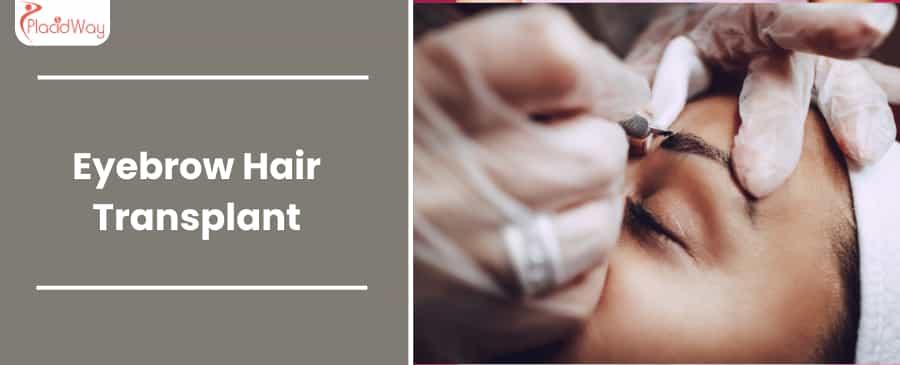
Rediscover Your Perfect Arches: The Eyebrow Hair Transplant Solution
Your eyebrows frame your eyes and play a crucial role in facial expression and overall appearance. For many, thin, sparse, or absent eyebrows can be a source of significant self-consciousness, impacting daily life and confidence. Whether due to over-plucking in earlier years, medical conditions, genetics, or trauma, the desire for natural, fuller brows is universal.
An eyebrow hair transplant is a sophisticated, permanent solution designed to restore hair to the eyebrow area, creating a natural and aesthetically pleasing shape. This procedure meticulously transplants individual hair follicles to achieve density, fill gaps, and redefine the brow line, offering a lasting alternative to temporary fixes like pencils, powders, or microblading. For those seeking a long-term answer to "how to get thicker eyebrows" or "regrow lost eyebrow hair," a transplant can be a transformative step towards renewed self-assurance and beautifully defined brows.
Navigating the options for eyebrow restoration can feel overwhelming, especially when considering treatment abroad for better value and expertise. This comprehensive guide will explore everything you need to know about eyebrow hair transplants, from understanding the causes of hair loss to what to expect during recovery, cost comparisons, and why medical tourism might be your ideal path to achieving your desired aesthetic.
What are the common symptoms of eyebrow hair loss?
Recognizing the signs of eyebrow hair loss is the first step towards finding a solution. Symptoms can vary greatly from person to person:
- Sparse or Thinning Brows: This is the most common symptom, where the eyebrows lack density, appearing thin and wispy. This might make the brow line less defined and requires constant filling in with makeup.
- Patchy Areas: You might notice specific spots or patches within your eyebrows where hair is completely missing, creating an uneven look.
- Complete Absence of Hair: In more severe cases, one or both eyebrows may have little to no hair, leading to a significant impact on facial aesthetics and expression.
- Difficulty Growing Hair: Despite efforts to stimulate growth, the eyebrows simply don't grow back to their desired fullness.
- Increased Makeup Use: A tell-tale sign is the increased need to draw on or fill in eyebrows daily to achieve a desired look, which can be time-consuming and frustrating.
- Emotional Impact: Beyond the physical, individuals often report feelings of self-consciousness, embarrassment, or a desire to hide their brows.
Why do eyebrows become thin or disappear?
Understanding the root cause of eyebrow hair loss is essential for determining the most effective treatment. Causes are diverse and can include:
- Over-plucking and Waxing: One of the most common culprits, especially from trends in past decades. Repeated trauma to the hair follicle can permanently damage it, preventing regrowth.
- Genetics: Some individuals are simply predisposed to having naturally sparse or thin eyebrows, or to experiencing hair loss as they age.
- Aging: As we age, hair follicles naturally produce finer, fewer hairs, affecting eyebrows just as much as scalp hair.
- Medical Conditions:
- Alopecia Areata: An autoimmune condition where the immune system attacks hair follicles, leading to patchy hair loss anywhere on the body, including eyebrows.
- Thyroid Disorders: Both an underactive (hypothyroidism) and overactive (hyperthyroidism) thyroid can lead to widespread hair loss, often affecting the outer third of the eyebrows.
- Hormonal Imbalances: Changes in hormone levels (e.g., during pregnancy, menopause) can influence hair growth.
- Skin Conditions: Eczema, psoriasis, or seborrheic dermatitis around the eyebrows can lead to inflammation and hair loss.
- Trauma or Injury: Scars from accidents, burns, or surgical incisions can permanently damage hair follicles, leaving bald patches.
- Nutritional Deficiencies: Lack of essential vitamins and minerals like iron, biotin, or zinc can impact hair health and growth.
- Medications: Certain drugs, including chemotherapy, blood thinners, or some antidepressants, can have hair loss as a side effect.
How does an eyebrow hair transplant work?
An eyebrow hair transplant is a precise micro-surgical procedure performed under local anesthesia. The goal is to create natural-looking, permanent eyebrows that complement your facial features. Here's a breakdown of the process:
- Consultation and Design: The surgeon will discuss your desired eyebrow shape, density, and thickness. They will meticulously map out the new eyebrow design, taking into account your facial symmetry and natural hair growth direction. This step is crucial for achieving aesthetic results.
- Donor Area Preparation: Hair follicles are typically harvested from the back or sides of the scalp, as these hairs are genetically programmed to continue growing permanently. The donor area is trimmed, and local anesthesia is administered.
- Follicle Extraction:
- FUE (Follicular Unit Extraction): This is the most common method for eyebrows. Individual follicular units (containing 1-3 hairs) are extracted directly from the donor area using a micro-punch tool. This leaves tiny, almost invisible scars.
- FUT (Follicular Unit Transplantation) / Strip Method: Less common for eyebrows, this involves removing a small strip of skin from the donor area, from which follicles are then dissected. This leaves a linear scar.
- Recipient Site Preparation: Tiny incisions are carefully made in the eyebrow area, precisely angled and directed to mimic natural eyebrow hair growth. This requires immense skill to ensure the transplanted hairs lie flat and grow in the correct direction.
- Graft Implantation: The harvested hair follicles are then meticulously implanted into the recipient sites, one by one. Surgeons often select finer hairs for the inner brow and slightly thicker hairs for the arch and tail to ensure a natural transition.
- Post-Procedure: The procedure typically takes 2-4 hours, depending on the number of grafts needed. You'll receive detailed aftercare instructions.
The transplanted hairs will initially shed within a few weeks, which is a normal part of the process. New, permanent hair growth typically begins around 3-4 months post-procedure, with full results visible in 12-18 months.
Am I a good candidate for an eyebrow transplant?
Not everyone is an ideal candidate for an eyebrow hair transplant, but many can benefit. A thorough consultation with a qualified surgeon is crucial. Generally, good candidates meet the following criteria:
- Sufficient Donor Hair: You need healthy hair follicles available for transplantation, typically from the back of your scalp. The hair should be a good match in terms of texture and caliper.
- Good Overall Health: You should be in good general health without active skin conditions in the eyebrow area, or medical conditions that could impair healing or hair growth.
- Realistic Expectations: While results can be transformative, it’s important to understand that the transplanted hairs will grow like scalp hair and will need to be trimmed periodically. The outcome is natural but not always identical to how your brows looked before any hair loss.
- Understanding of Aftercare: Candidates should be committed to following post-operative care instructions carefully.
- Specific Hair Loss Causes: Individuals whose eyebrow hair loss is due to over-plucking, trauma (scars), genetics, or certain stable medical conditions (e.g., treated hypothyroidism) often see excellent results. Those with active autoimmune conditions like alopecia areata may need careful evaluation, as the transplanted hairs could potentially be affected by the condition.
What is the recovery time and what should I expect after an eyebrow transplant?
Understanding the recovery process and what to expect post-procedure is key to a smooth experience:
- Immediately After (Day 1-3): You will likely experience mild swelling, redness, and tiny scabs around the newly transplanted follicles. The donor area might also be slightly tender. You'll be advised to keep the area dry and follow specific washing instructions.
- First Week: The scabs will begin to flake off. It's crucial not to pick them to avoid dislodging grafts. Swelling should subside significantly. You might feel a slight itching sensation as the area heals.
- Weeks 2-4 (Shedding Phase): Most of the transplanted hairs will fall out during this period. This is a completely normal part of the process, known as "shock loss," and is necessary for new, permanent hair to grow.
- Months 3-4 (New Growth Begins): You'll start to notice new, fine hairs emerging in the transplanted areas. These will gradually thicken over time.
- Months 6-12 (Maturation): The newly grown hairs will continue to mature, gaining thickness and density. You'll begin to see the desired shape taking form.
- Months 12-18 (Full Results): The final results are typically visible around 12 to 18 months post-procedure, as all transplanted hairs have had time to grow and mature.
Ongoing Care: Since the transplanted hairs come from the scalp, they will continue to grow at the same rate as scalp hair. This means you will need to trim them periodically (every 1-2 weeks) and potentially train them to grow in the desired direction using a brow brush or gel.
What are the potential risks and side effects of an eyebrow transplant?
Like any surgical procedure, an eyebrow hair transplant carries potential risks and side effects, though serious complications are rare, especially with an experienced surgeon:
- Swelling and Bruising: Common in the immediate post-operative period, usually resolving within a few days.
- Infection: A rare but possible risk at both the donor and recipient sites. Adhering to post-operative hygiene instructions is crucial.
- Scarring:
- FUE: Leaves tiny, pinpoint scars in the donor area, usually imperceptible.
- FUT: Leaves a linear scar in the donor area, which may be visible if hair is cut very short.
- Unnatural Growth Direction: This is a key concern for eyebrows. If grafts are not meticulously placed at the correct angle and direction, the hairs can grow out straight or in an undesirable pattern, requiring constant grooming or revision.
- Asymmetry: Slight differences in density or shape between the two eyebrows.
- Poor Growth/Survival of Grafts: A small percentage of transplanted hairs may not take, leading to thinner results than desired.
- Itching: A common sensation during the healing process.
- Numbness: Temporary numbness in the donor or recipient area, which usually resolves.
- Shock Loss: Temporary shedding of existing natural eyebrow hairs due to the trauma of the procedure. These hairs usually regrow.
Choosing a highly experienced surgeon with specific expertise in eyebrow transplants significantly minimizes these risks.
How much does an eyebrow hair transplant cost worldwide?
The cost of an eyebrow hair transplant is a significant factor for many patients. Prices can vary widely based on geographical location, the surgeon's expertise, the complexity of the procedure (number of grafts needed), and the clinic's reputation. Medical tourism destinations often offer competitive pricing without compromising on quality.
| Country | Estimated Cost Range (USD) | Notes |
|---|---|---|
| Turkey | $2,000 - $4,500 | Highly popular for hair transplants, including eyebrows, due to competitive pricing and experienced surgeons. Often includes accommodation/transfers. |
| Mexico | $2,500 - $5,000 | Growing medical tourism hub, especially for US patients, offering good value and proximity. |
| India | $1,500 - $3,500 | Known for advanced medical facilities and highly skilled doctors at significantly lower costs. |
| Thailand | $3,000 - $5,500 | Combines quality care with an attractive tourist destination. |
| USA / UK / Canada | $5,000 - $10,000+ | Higher costs due to overheads and differing healthcare systems. |
*Note: These are estimated ranges and can fluctuate based on specific clinic, surgeon's reputation, and individual case complexity. It's always best to get a personalized quote.
Why consider an eyebrow transplant abroad?
Medical tourism for aesthetic procedures like eyebrow transplants has surged in popularity for compelling reasons:
- Cost-Effectiveness: The most significant driver. Procedures abroad can be 50-70% less expensive than in Western countries, allowing patients to achieve their aesthetic goals without breaking the bank.
- Access to Expertise: Many countries specialize in hair restoration and have clinics with world-renowned surgeons who perform these procedures daily, sometimes more frequently than their counterparts in home countries.
- Advanced Technology: Leading clinics abroad often invest in the latest FUE technology and state-of-the-art facilities to attract international patients.
- Shorter Waiting Times: Appointments and procedures can often be scheduled much faster abroad compared to long waiting lists in some domestic healthcare systems.
- Privacy and Discretion: Some individuals prefer the anonymity of undergoing a cosmetic procedure away from their local community.
- Combination with Travel: The opportunity to recover in a beautiful new environment, turning a medical trip into a relaxing vacation.
How can I ensure safety and quality when choosing a clinic abroad?
While the benefits of medical tourism are clear, ensuring a safe and high-quality experience is paramount. Here's how to navigate your choices:
- Accreditation and Certification: Look for clinics accredited by international bodies like JCI (Joint Commission International) or local health ministries. This indicates adherence to high standards of patient care and safety.
- Surgeon's Qualifications and Experience: Verify the surgeon's board certifications, years of experience, and specific expertise in eyebrow hair transplants. Ask to see their portfolio of before-and-after photos for this specific procedure.
- Patient Reviews and Testimonials: Research independent patient reviews on platforms like Google, Trustpilot, or dedicated medical tourism forums. Look for consistent positive feedback regarding results, patient care, and communication.
- Transparent Communication: The clinic should offer clear, comprehensive communication in your language, answering all your questions thoroughly before you travel. They should provide a detailed treatment plan and cost breakdown.
- Follow-up Care: Inquire about post-operative care and how the clinic handles follow-up consultations once you return home.
- Facility Standards: If possible, view virtual tours or ask for photos of the clinic's operating rooms and patient facilities to ensure they meet Western hygiene and safety standards.
- Package Inclusions: Understand what the quoted price includes (e.g., accommodation, transfers, medications, post-op care) to avoid hidden costs.
What are patient success stories and testimonials for eyebrow transplants abroad?
The true measure of a procedure's success often lies in the experiences of those who have undergone it. While specific personal testimonials vary, common themes emerge from patients who have chosen eyebrow transplants abroad:
- Boosted Confidence: A recurring sentiment is the profound increase in self-esteem. Patients no longer feel the need to hide their brows or spend excessive time on makeup, allowing them to feel more comfortable and confident in their appearance.
- Natural-Looking Results: Many express delight at how seamlessly the transplanted hairs blend with their existing brows (if any), creating a natural and undetectable enhancement. The meticulous placement by skilled surgeons ensures the brows appear organic.
- Long-Term Solution: Patients appreciate the permanence of the solution, freeing them from the daily routine of applying eyebrow makeup or the periodic upkeep required by microblading.
- Positive Travel Experience: Beyond the medical outcome, many share positive experiences about the travel itself – the convenience, the hospitality, and the opportunity to recover in a new country.
- Accessible Quality: Testimonials often highlight how medical tourism made high-quality, specialized treatment accessible at a fraction of the cost they would have faced at home, without compromising on care.
These stories underscore the transformative power of an eyebrow hair transplant, not just physically, but also psychologically, helping individuals regain their desired look and emotional well-being.
Take the Next Step with PlacidWay
Ready to explore treatment options abroad? Discover top clinics, compare prices, and get a free quote tailored to your needs with PlacidWay.
Hair Transplant Abroad | Hair Restoration | FUE | FUT



.png)
.png)






.png)
-(10).png)










Share this listing