


The Remarkable Journey: A 2-Year-Old Boy With Severe Cerebral Palsy, Prior And After Stem Cell Therapy
Watching a child battle early neurological developmental disorders is an emotionally taxing journey for any family. Traditional treatments often focus heavily on daily symptom management, leaving parents desperately searching for groundbreaking medical alternatives that offer genuine developmental progress.
This video highlights the profound transformation of a 2-year-old boy with severe cerebral palsy, prior and after stem cell therapy. By exploring advanced regenerative medicine, families are discovering unprecedented hope for pediatric neurological conditions. Watch how stem cell treatment for cerebral palsy is redefining physical possibilities, enhancing vital motor skills, and drastically improving the overall quality of life for young patients diagnosed with this highly challenging developmental disorder.
Video Chapters & Quick Navigation
Understanding Severe Cerebral Palsy in Toddlers
Cerebral palsy is a complex group of neurological disorders that profoundly affect a child's ability to move, maintain balance, and sustain posture. It is primarily caused by abnormal brain development or localized damage to the developing brain, which often occurs before, during, or shortly after birth. For parents receiving a severe cerebral palsy diagnosis for their toddler, the initial prognosis can often feel incredibly overwhelming and restrictive.
In severe cases, children typically exhibit high muscle tone, spasticity, and a pronounced inability to achieve standard developmental milestones. Traditional medical interventions have historically been limited to managing these daily symptoms rather than addressing the underlying neurological damage. As we see at in the video, conventional therapies often plateau, leaving parents seeking more innovative, restorative solutions for their children.
The Limitations of Conventional Interventions
Standard care for pediatric cerebral palsy usually involves a rigorous combination of physical therapy, occupational therapy, and pharmacological muscle relaxants. While these interventions are absolutely crucial for preventing muscle contractures and managing chronic pain, they do not repair the damaged neural pathways in the brain. They act as a management system rather than a regenerative cure.
Furthermore, medications used to control severe spasticity often come with heavily sedating side effects that can hinder a toddler's cognitive development and social engagement. This ongoing cycle of symptom management without neurological improvement pushes families to research the efficacy of stem cell therapy for pediatric neurological disorders. They seek a treatment modality that offers genuine structural healing rather than just temporary relief.
The Science Behind Stem Cell Therapy for Pediatric Neurology
Regenerative medicine has rapidly evolved over the past decade, placing stem cell therapy at the absolute forefront of alternative treatments for severe cerebral palsy. Stem cells possess a unique, inherent ability to differentiate into various specialized cell types, including essential neural cells. This remarkable biological flexibility allows them to target and repair damaged areas of the central nervous system.
The primary mechanism of action involves neuroprotection and neuroregeneration, which is thoroughly explained at . When introduced into the patient's body, these specialized cells secrete powerful neurotrophic factors that actively stimulate the brain's natural healing processes. They also drastically reduce neuroinflammation, which is a major contributing factor to the ongoing motor deficits seen in cerebral palsy patients.
Mesenchymal Stem Cells (MSCs) and Brain Repair
The most commonly utilized cells in pediatric regenerative protocols are Mesenchymal Stem Cells, often derived from ethically sourced umbilical cord tissue or Wharton's Jelly. These specific cells are highly preferred due to their immense safety profile and their unique ability to evade the patient's immune system. This significantly lowers the risk of rejection, making them incredibly safe for toddlers and young children.
Once administered, MSCs promote angiogenesis, which is the formation of entirely new blood vessels within the damaged brain tissue. Enhanced blood flow delivers crucial oxygen and nutrients to dormant brain cells, effectively "waking them up" and encouraging the formation of brand-new neural connections. This vital process of neuroplasticity is the fundamental scientific foundation behind the developmental improvements observed in treated children.
Prior To Treatment: The Baseline of a 2-Year-Old Boy
To truly understand the profound impact of this regenerative medical intervention, it is essential to deeply examine the child's physical baseline prior to the procedure. At two years old, a child without neurological impairments is typically walking, beginning to run, and speaking in short, coherent sentences. However, for a two-year-old with severe spastic quadriplegic cerebral palsy, this reality looks drastically different.
Before undergoing the stem cell protocol, the young boy featured in the video was entirely unable to sit independently or establish meaningful head control. His daily life was heavily dictated by severe muscle spasticity, which caused his limbs to become painfully rigid and stiff. As shown intimately at , simple tasks like feeding, diaper changes, and bathing were monumental struggles requiring extensive physical support from his parents.
The Emotional Toll on the Family Unit
The burden of severe pediatric cerebral palsy extends far beyond the physical limitations of the child; it places an immense, heavy emotional toll on the entire family unit. Parents often experience severe burnout from providing round-the-clock medical care, administering complex medications, and attending endless therapy sessions. The constant grief of watching their child miss critical developmental windows is a daily, painful reality.
The decision to pursue alternative treatments for severe CP is rarely made lightly; it is born from an intense, unrelenting desire to give their child a fighting chance at a functional life. Families meticulously research global medical tourism options, seeking top-tier stem cell clinics that specialize specifically in complex pediatric neurology. This exhaustive search for hope is what ultimately leads families to specialized regenerative treatment centers abroad.
The Stem Cell Treatment Protocol for Toddlers
Administering stem cell therapy to a two-year-old patient requires a highly specialized, meticulously monitored medical environment. The clinical protocols are customized specifically for pediatric patients to ensure maximum safety and optimal cellular absorption. The primary goal is to deliver the highest possible concentration of viable stem cells directly to the child's central nervous system.
There are typically two main methods of administration used in these advanced pediatric protocols: intravenous (IV) infusion and intrathecal administration via a lumbar puncture. As detailed by the medical team at , the intrathecal route is often preferred for severe cerebral palsy cases. This specific method allows the regenerative cells to entirely bypass the blood-brain barrier, ensuring they reach the damaged neurological tissue quickly and efficiently.
Safety and Clinical Monitoring
One of the most common concerns parents have regarding stem cell treatment for a 2-year-old with CP is the overall safety of the procedure itself. Reputable international medical centers utilize highly stringent screening processes for their cellular products, ensuring they are completely free from pathogens and genetic abnormalities. The treatments are always performed under mild pediatric sedation to prevent any physical distress to the toddler.
Post-procedure monitoring is incredibly thorough, with specialized pediatric nurses observing the child's vital signs and neurological responses for several hours. Most toddlers tolerate the cellular infusions exceptionally well, with minor, temporary side effects being limited to a low-grade fever or mild fatigue. This high safety profile makes regenerative medicine a highly viable option for young children with fragile medical backgrounds.
Post-Therapy Breakthroughs: Observing the Transformations
The timeline for observing tangible improvements after stem cell therapy for cerebral palsy varies significantly from patient to patient. However, many parents report noticing subtle but highly encouraging changes within the first four to eight weeks post-treatment. These initial improvements often manifest in ways that standard physical therapy could never achieve on its own.
In the documented case of this young boy, the very first noticeable change was a dramatic reduction in his overall muscle spasticity. As shown during the follow-up assessment at , his previously rigid limbs became remarkably looser and much more pliable. This crucial relaxation of muscle tone is the vital foundational step required for the child to begin initiating voluntary, controlled physical movements.
Achieving New Physical Milestones
As the newly introduced stem cells continue to promote active neuroplasticity over the ensuing months, more profound motor achievements begin to rapidly unfold. The two-year-old boy began displaying unprecedented head and neck control, allowing him to maintain visual contact with his surroundings without slumping. This improved core stability gradually translated into the monumental ability to sit completely unassisted for short, documented periods.
Furthermore, the reduction in upper body rigidity allowed him to intentionally reach for and grasp his favorite toys, a gross motor skill that was previously deemed impossible by his local specialists. These physical breakthroughs are not merely anecdotal; they represent genuine, measurable structural healing within the child's central nervous system. Every new milestone achieved drastically improves the child's immediate independence and overall daily happiness.
Enhancing Cognitive Awareness and Feeding Capabilities
While motor function improvements are often the most visibly celebrated outcomes, the cognitive and systemic benefits of regenerative therapy are equally life-changing. Severe cerebral palsy frequently impacts the complex muscles required for chewing and swallowing, leading to dangerous aspirations and severe ongoing malnutrition. Addressing these specific functional deficits is a major priority for both parents and medical providers.
Following the stem cell infusion, the young patient exhibited a remarkable improvement in his oral-motor coordination. As highlighted by his speech therapist at , he transitioned from struggling with basic pureed foods to safely managing more complex, solid textures. This specific functional upgrade not only drastically improved his nutritional intake but also deeply alleviated the daily anxiety surrounding his scheduled mealtimes.
Awakening Social Engagement
In addition to physical gains, the boy's cognitive alertness and social engagement blossomed remarkably in the months following his specialized treatment. Parents often describe this phenomenon as the child finally "waking up" to the vibrant world around them. He began making sustained eye contact, smiling responsively at visual cues, and attempting to verbally babble and mimic sounds.
This massive spike in cognitive awareness is a direct result of the stem cells reducing chronic neuroinflammation and improving overall cerebral blood flow. When the physical burden of constant muscle pain and stiffness is lifted, the child's brain can finally redirect its vital energy toward critical cognitive learning and social development. These precious interactions are highly treasured moments that completely redefine the family's dynamic.
Comparing Treatment Methods: Traditional vs. Regenerative
To fully grasp why families are turning to high-volume long-tail keyword topics like "best stem cell centers for pediatric neurology," it helps to directly compare the clinical approaches. Traditional care relies heavily on maintaining the current status quo, ensuring the child does not regress further. Regenerative medicine, conversely, actively seeks to push the boundaries of what the child can medically achieve.
| Treatment Modality | Primary Clinical Focus | Expected Patient Outcome |
|---|---|---|
| Standard Physical Therapy | Stretching muscles, preventing severe joint contractures. | Maintains current mobility; prevents severe physical regression. |
| Oral Muscle Relaxants | Chemically blocking nerve signals to reduce high spasticity. | Temporary symptom relief; often causes severe drowsiness and cognitive fog. |
| Orthopedic Surgeries | Lengthening shortened tendons and correcting severe bone deformities. | Improves structural alignment; requires lengthy, painful rehabilitation. |
| Stem Cell Therapy | Neuroregeneration, decreasing inflammation, promoting angiogenesis. | Active restoration of lost function; potential for achieving new motor and cognitive milestones. |
The Critical Role of Post-Treatment Rehabilitation
It is incredibly important to understand that stem cell therapy is not a standalone, magical cure for neurological disorders. The newly generated neural pathways require continuous, active stimulation to become fully established and permanent. This is exactly why an intensive, highly structured physical rehabilitation program post-treatment is absolutely mandatory.
As the primary physician stresses at , the introduced stem cells act as the fundamental building blocks for recovery. However, targeted physical therapy, hydrotherapy, and occupational therapy act as the essential architects that organize those new blocks into functional movements. Toddlers who engage in high-frequency rehabilitation immediately following their stem cell procedures consistently yield the highest success rates in overall motor improvement.
Structuring the Ideal Therapy Regimen
Following a successful cellular infusion, parents are heavily advised to significantly increase their child's daily physical therapy hours. Specialized techniques, such as Cuevas Medek Exercises (CME) or intensive neuro-developmental treatment (NDT), pair exceptionally well with the brain's newly enhanced neuroplastic state. Therapists can push the child further than ever before, capitalizing on the drastically reduced muscle spasticity.
Additionally, advanced technological aids like localized hyperbaric oxygen therapy (HBOT) are frequently recommended alongside the rehabilitation protocols. HBOT massively increases the oxygen levels in the patient's blood plasma, providing the newly implanted stem cells with the vital fuel they need to thrive and multiply. This comprehensive, multi-disciplinary approach is the ultimate key to maximizing the financial and emotional investment families make in regenerative medicine.
Navigating the Global Landscape of Regenerative Medicine
Because high-dose mesenchymal stem cell therapy for pediatric cerebral palsy is not widely accessible in many domestic healthcare systems, families frequently turn to global medical tourism. Seeking treatment abroad allows families to access highly advanced, legally approved clinical protocols at a fraction of the theoretical domestic cost. However, navigating international medical logistics while caring for a severely disabled toddler can be an incredibly daunting task.
This is where specialized medical facilitation platforms play an absolutely crucial role in the family's journey. Reputable medical tourism facilitators meticulously vet international clinics, ensuring they hold strict global accreditations, employ board-certified pediatric neurologists, and utilize ethically sourced cellular products. By heavily relying on expert medical coordinators, parents can bypass the logistical stress and focus entirely on their child's impending recovery and rehabilitation.
Key Considerations for Parents
When actively researching how much stem cell therapy costs for cerebral palsy, families must consider the entire comprehensive package, not just the cellular vials. Top-tier medical packages usually include the specialized pre-treatment blood work, the cellular infusions, daily inpatient physical therapy, accessible luxury accommodations, and specialized airport transfers. Reviewing detailed case studies and connecting with previous patients provides invaluable, transparent insight into what to expect during the clinical journey.
Witnessing a severely disabled child finally grasp a toy, swallow food safely, or smile with true cognitive awareness completely justifies the extensive medical journey. The profound before and after improvements observed in this young boy serve as a powerful testament to the limitless potential of advanced pediatric science. For families battling the devastating daily realities of severe developmental disorders, regenerative medicine is finally illuminating a highly viable path toward genuine healing.
Explore Advanced Pediatric Stem Cell Therapy
PlacidWay connects families with highly accredited international medical centers specializing in pediatric regenerative medicine. Discover if advanced stem cell therapy is the right choice for your child's neurological development. Let our dedicated team handle the complex medical logistics.
GET A FREE QUOTE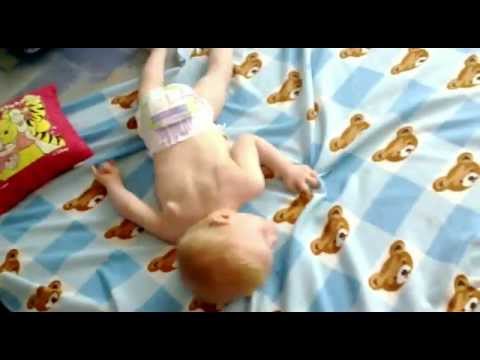













Share this listing