
Unleashing the Potential of Stem Cell Therapy for Autism in Austria
Finding effective interventions for neurodevelopmental conditions can be a daunting journey for parents and caregivers. However, groundbreaking advancements in regenerative medicine are offering unprecedented hope. Today, exploring stem cell therapy for autism in Austria has become a beacon of possibility for families worldwide. By leveraging cutting-edge cellular science in one of Europe’s most medically advanced nations, patients are experiencing transformative outcomes.
Discover how this innovative treatment addresses the root causes of neuroinflammation, reshaping the landscape of modern neurodevelopmental care. Watch to learn how Austrian medical excellence provides holistic improvements in communication, behavior, and overall cognitive function.
Video Chapters & Quick Navigation
The Urgent Need for Advanced Autism Treatments in Europe
Autism Spectrum Disorder (ASD) is a complex neurodevelopmental condition characterized by challenges with social skills, repetitive behaviors, and speech. For decades, the standard of care has heavily relied on behavioral interventions and specialized therapies. While these traditional therapies are foundational and highly beneficial, they often focus solely on symptom management.
Parents are increasingly seeking innovative therapies that address the biological and neurological underpinnings of the disorder. As highlighted at in the video, this search for deeper, biologically driven interventions has led families to explore advanced medical tourism options. Regenerative medicine has emerged as a compelling frontier in this quest.
By shifting the focus from external behavioral conditioning to internal cellular repair, doctors can offer a more holistic treatment paradigm. Stem cell therapy for autism spectrum disorder represents a pivotal shift in pediatric neurology. It provides a biological tool that targets the physiological irregularities often found in individuals diagnosed with ASD.
Moving Beyond Traditional Symptom Management
Standard pharmacological treatments for autism generally target specific co-occurring conditions, such as anxiety, hyperactivity, or severe mood fluctuations. However, these medications frequently come with unwanted side effects and do not treat the core pathology of the disorder. This leaves many patients in a continuous cycle of medication management without addressing the root neurological causes.
In contrast, regenerative medicine interventions actively work to modulate the immune system and promote healing within the central nervous system. Clinics specializing in stem cell therapy for autism in Austria utilize advanced protocols to create an optimal environment for neural development. This allows patients to experience natural, biological improvements that complement their ongoing behavioral therapies.
Decoding the Science: How Stem Cell Therapy for Autism Works
To truly understand the value of this treatment, one must first grasp the biological mechanics of stem cells. Stem cells are the body's master cells, uniquely capable of dividing and differentiating into various specialized cell types. In the context of neurological conditions, their most crucial function is not just replacing damaged cells, but acting as cellular medics.
When introduced into the patient's body, these master cells initiate a process known as paracrine signaling. As explained at , paracrine signaling involves the release of powerful growth factors, cytokines, and exosomes. These secreted proteins actively instruct surrounding tissue to repair itself, reduce inflammation, and form new blood vessels.
This biological cascade is particularly beneficial for individuals with autism. The therapy promotes neurogenesis, which is the growth and development of new nervous tissue. Furthermore, it encourages synaptic plasticity, allowing the brain to forge new communicative pathways that are often disrupted in ASD patients.
The Mechanism of Action in the Central Nervous System
Once administered, the stem cells migrate toward areas of injury or high inflammation within the brain. This homing mechanism ensures that the therapeutic agents are concentrated exactly where they are needed most. The cells then begin releasing anti-inflammatory molecules that calm the heightened immune responses typically seen in autistic patients.
Simultaneously, the therapy stimulates angiogenesis, increasing blood flow and oxygen delivery to under-perfused areas of the brain. Improved cerebral blood flow is directly correlated with enhanced cognitive function and heightened alertness. This multi-faceted mechanism of action is why stem cell therapy is considered a comprehensive biological intervention.
Targeting Neuroinflammation and Immune Dysregulation
Recent scientific studies have revealed a strong correlation between autism and chronic neuroinflammation. Many individuals on the autism spectrum exhibit an overactive immune system that mistakenly attacks the central nervous system. This continuous state of inflammation severely disrupts normal brain development and impairs essential neurological communication.
Additionally, gastrointestinal issues and systemic immune dysregulation are highly prevalent among autistic children. These physical ailments exacerbate behavioral symptoms, leading to increased irritability, sleep disturbances, and a reduced ability to focus. Addressing this underlying inflammation is a primary objective of regenerative autism treatments.
Stem cell therapy serves as a profound immunomodulator. The infused cells work to recalibrate the immune system, suppressing aggressive autoimmune responses while bolstering healthy cellular defenses. By lowering systemic inflammation, the therapy effectively clears the neurological "static," allowing the brain to function more efficiently and calmly.
Rebuilding the Gut-Brain Connection
The gut-brain axis plays a critical role in neurodevelopmental health, and chronic gut inflammation is a hallmark of many severe ASD cases. When stem cells are introduced, they do not solely target the brain; they circulate systemically to heal inflamed mucosal linings in the gastrointestinal tract.
By restoring gut health, stem cell therapy dramatically improves nutrient absorption and reduces the physical discomfort that often triggers negative behavioral outbursts. This systemic healing approach is why many parents report significant improvements in their child's digestion alongside cognitive advancements. It is a comprehensive biological reset.
Why Austria is the Premier Destination for Regenerative Medicine
When considering medical tourism for regenerative therapies, safety, regulatory oversight, and clinical excellence are paramount. Austria has meticulously cultivated a reputation as a global leader in advanced medical research and clinical application. The country's healthcare system is renowned for its stringent adherence to European Union medical standards.
Choosing to pursue stem cell therapy for autism in Austria means accessing some of the most sophisticated laboratories and highly credentialed specialists in the world. As noted at , Vienna is home to state-of-the-art medical facilities that seamlessly blend pioneering research with compassionate patient care. These clinics are heavily regulated, ensuring that every biological product used is rigorously screened for purity, viability, and safety.
Furthermore, Austria offers a tranquil, secure, and highly organized environment for visiting families. The stress of traveling abroad for medical treatment is significantly mitigated by the country's world-class infrastructure, English-speaking medical staff, and dedicated patient concierge services. It provides a peaceful sanctuary conducive to healing and recovery.
Strict European Union Quality Controls
Unlike clinics in loosely regulated regions, Austrian medical centers operate under the watchful eye of the European Medicines Agency (EMA). This ensures that the stem cells utilized are cultivated in Good Manufacturing Practice (GMP) certified laboratories. Patients are guaranteed to receive cellular products with high cell counts and maximum vitality.
Every step of the process, from cell harvesting to the final intravenous infusion, is meticulously documented and independently audited. This level of transparency provides parents with profound peace of mind. They can confidently trust that their loved one is receiving the safest and most scientifically validated treatments available globally.
Mesenchymal Stem Cells (MSCs): The Gold Standard for Neurodevelopmental Disorders
Not all stem cells are created equal, and the type of cell used in treatment dictates the clinical outcome. In Austrian clinics specializing in ASD, Mesenchymal Stem Cells (MSCs) are the preferred biological agent. These specific cells are uniquely equipped to cross the blood-brain barrier and target neurological inflammation.
MSCs are typically sourced from ethically donated, healthy human umbilical cord tissue (allogeneic cells) or from the patient's own bone marrow or adipose tissue (autologous cells). Umbilical cord-derived MSCs are particularly favored in pediatric autism treatments. They are considered "day zero" cells, meaning they are incredibly robust, highly proliferative, and unburdened by environmental aging.
One of the most remarkable properties of MSCs is their immune privilege. Because they lack certain surface antigens, they do not provoke an immune rejection response in the recipient's body. This allows for safe, seamless administration without the need for dangerous immunosuppressive medications.
The Superiority of Umbilical Cord Tissue
Using ethically sourced umbilical cord Wharton's Jelly ensures a consistently high concentration of active MSCs. These cells possess unparalleled anti-inflammatory properties compared to those harvested from adult tissues. They are vigorously screened for infectious diseases and genetic anomalies before being expanded in the laboratory.
Because they are young and highly adaptive, umbilical cord MSCs secrete a richer profile of neurotrophic factors. These specific proteins are essential for the survival, development, and function of neurons. Consequently, patients receive a much more potent biological catalyst for neurological repair.
The Comprehensive Patient Experience: From Consultation to Recovery in Vienna
Embarking on a journey for advanced autism treatments in Europe is a highly structured and supportive process. The patient experience begins long before the family boards a flight to Austria. Top-tier clinics initiate the protocol with exhaustive remote medical consultations, analyzing the patient's comprehensive medical history, genetic tests, and prior therapeutic outcomes.
Once approved, families travel to Vienna, where they are greeted by dedicated patient coordinators. The physical treatment protocol is designed to be as minimally invasive and stress-free as possible, keeping the unique sensory needs of autistic patients in mind. As detailed at , the clinical environment is intentionally calm, avoiding the chaotic atmosphere of traditional hospitals.
The administration of stem cells is typically performed via a simple intravenous (IV) drip, which is painless and takes only a few hours. In some specialized cases, an intrathecal injection may be recommended to deliver cells directly into the cerebrospinal fluid. Following the procedure, patients undergo a brief observation period before returning to their hotel to rest and recover.
Integrative Supportive Therapies
Austrian clinics understand that stem cells are a powerful tool, but they work best as part of an integrative approach. Alongside cellular infusions, patients often receive supplementary treatments designed to boost the efficacy of the stem cells. This can include hyperbaric oxygen therapy (HBOT), which saturates the plasma with oxygen to fuel cellular regeneration.
Other supportive modalities may include targeted nutritional IV therapies, specialized dietary counseling, and gentle neuro-rehabilitation exercises. This multi-disciplinary strategy ensures that the newly introduced stem cells have the optimal biochemical environment to thrive and initiate deep neurological healing.
Evaluating the Financial Investment: Cost of Stem Cell Therapy in Austria
A major consideration for any family seeking medical tourism for autism is the financial investment. While cutting-edge regenerative medicine is a significant expense, Austria offers highly competitive pricing when weighed against the quality and safety standards provided. Understanding the cost breakdown is crucial for proper medical planning.
The total cost of stem cell therapy in Austria typically encompasses laboratory cell expansion, rigorous medical screening, the specialized clinical team, and the physical administration of the cells. While prices can vary based on the specific cell counts and protocols required, it remains a valuable investment into a child's long-term independence and quality of life.
Below is a general comparative overview illustrating how Austrian facilities align with other popular global hubs for regenerative medicine. This data highlights the exceptional value of seeking advanced autism treatments in Europe.
| Treatment Destination | Average Cost Range (USD) | Regulatory Standard | Primary Cell Source |
|---|---|---|---|
| Austria (Vienna) | $15,000 - $22,000 | Strict (EMA/EU GMP) | Umbilical Cord MSCs / Autologous |
| United States | $25,000 - $40,000+ | Strict (FDA Approved Trials) | Autologous Bone Marrow |
| Panama | $18,000 - $25,000 | Moderate (Ministry of Health) | Umbilical Cord MSCs |
| Mexico | $8,000 - $15,000 | Varies (COFEPRIS) | Various Sources |
Inclusive Medical Packages
To assist families, many top clinics in Austria offer inclusive packages facilitated by medical tourism agencies. These packages often bundle the cellular treatments with VIP airport transfers, luxurious accommodation, and all required pre-treatment blood work.
This transparent pricing model eliminates hidden clinical fees and allows parents to accurately budget for their medical journey. Financial counseling and multi-treatment discounts are also frequently available for patients requiring ongoing, progressive cellular therapy.
Tracking Progress: Real-World Behavioral and Cognitive Improvements
The ultimate goal of stem cell therapy for autism spectrum disorder is to significantly enhance the patient's quality of life. While individual results vary based on the severity of the diagnosis and the patient's age, the clinical outcomes reported by families are consistently highly encouraging.
The timeline for visible improvement usually begins between three to six months post-treatment, as the biological repair processes take time to manifest behaviorally. Parents frequently report profound leaps in expressive and receptive language skills. Children who were previously non-verbal often begin vocalizing, mimicking sounds, and eventually forming meaningful sentences.
Behavioral enhancements are equally significant. A stark reduction in aggressive outbursts, self-injurious behaviors, and repetitive stimming is commonly observed. These changes allow the child to engage more fully with traditional behavioral therapies, amplifying the effectiveness of their overall care plan.
Enhanced Social Engagement and Focus
One of the most emotionally rewarding milestones for parents is observing newfound social engagement. Following treatment in Austria, children often display increased and sustained eye contact. They begin to demonstrate genuine interest in peer play, social interactions, and physical affection.
Additionally, improvements in attention span and cognitive focus are widely documented. The reduction of neuroinflammation allows the child to process sensory information more effectively, leading to calmer responses to environmental stimuli. This newfound cognitive clarity paves the way for accelerated academic learning and a more independent future.
Ready to Explore Stem Cell Therapy for Autism in Austria?
PlacidWay Medical Tourism connects you with Europe's most advanced regenerative medicine clinics. Discover highly regulated, world-class care in Vienna and take the first step toward transformative healing for your loved one. Let us guide you through every detail of your medical journey.
GET A FREE QUOTE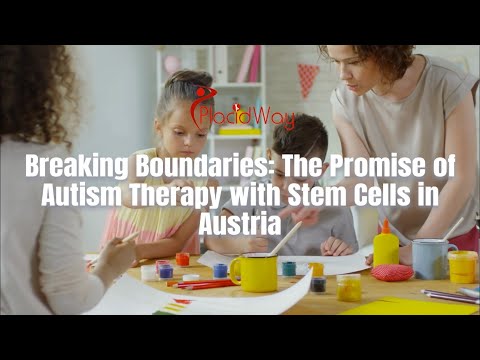




.png)













Share this listing