


The Complete Guide to Artificial Disc Replacement Spine Surgery Abroad
Chronic back and neck pain can relentlessly steal your quality of life. For many patients, artificial disc replacement spine surgery abroad offers a powerful beacon of hope. Instead of settling for restrictive spinal fusions or battling stubborn insurance companies for cutting-edge care, medical tourism provides direct access to world-renowned spine specialists at a fraction of the cost.
By choosing to undergo artificial disc replacement abroad, patients can receive premium motion-preserving implants, avoid long waitlists, and achieve faster recovery times without facing financial ruin. Watch the video below and read our comprehensive guide to reclaim your active, pain-free lifestyle today.
Video Chapters & Quick Navigation
The Evolution of Spine Surgery: Beyond Traditional Fusion
For decades, the standard surgical answer to severe degenerative disc disease has been spinal fusion. This procedure involves removing the damaged disc and permanently connecting the adjacent vertebrae to eliminate painful motion. While spinal fusion can be highly effective at reducing immediate nerve pain, it fundamentally alters the natural biomechanics of the human spine.
As mentioned in the video at , locking two vertebrae together creates a rigid column that forces the surrounding, healthy discs to absorb excessive stress. This mechanical overload frequently leads to a condition known as Adjacent Segment Disease (ASD). Patients who undergo fusion often find themselves back in the operating room years later as the discs above and below the fused segment rapidly deteriorate.
Artificial disc replacement (ADR) represents a paradigm shift in orthopedic and neurosurgical care. By removing the diseased disc and inserting a sophisticated, motion-preserving prosthetic, surgeons can maintain the spine's natural flexibility. This modern approach not only provides immediate pain relief but drastically reduces the long-term risk of adjacent segment degeneration, offering patients a much higher quality of life.
The Biomechanics of Motion Preservation
The core philosophy behind ADR is to mimic the precise six degrees of freedom found in a natural, healthy spinal disc. High-quality artificial discs are engineered to allow flexion, extension, lateral bending, and crucial shock absorption. This dynamic movement is vital for young, active patients who wish to return to sports, heavy lifting, or physically demanding careers.
Unlike fusion hardware, which simply immobilizes the spine, ADR implants feature advanced compressible cores made of medical-grade polymers. These elastomeric cores are sandwiched between titanium endplates that securely integrate into the natural bone. Over time, the patient's bone grows into the porous surface of the implant, creating a permanent, natural bond.
Overcoming the Limitations of Local Healthcare Systems
Despite the overwhelming clinical evidence supporting motion preservation, accessing artificial disc replacement in North America and the UK remains incredibly challenging. Patients frequently encounter a frustrating labyrinth of insurance denials, outdated regulatory approvals, and restrictive medical guidelines. Many insurance providers still classify multi-level disc replacements as "experimental," flatly refusing to cover the cost.
In the United States, the FDA approval process for new medical devices is notoriously slow. While European surgeons have been utilizing advanced third-generation viscoelastic discs for over a decade, American surgeons are often restricted to older, first-generation models. As highlighted at , this technological lag forces patients to seek superior, clinically proven implants beyond their domestic borders.
Furthermore, patients relying on public healthcare systems like the UK's NHS or Canada's Medicare face agonizingly long waitlists. Waiting years for a consultation while living with debilitating sciatica, arm numbness, and chronic neck pain is simply not a viable option for most. Medical tourism for spine surgery entirely bypasses these bureaucratic roadblocks, offering immediate access to life-changing care.
The Multi-Level Denial Epidemic
One of the primary drivers of international spine surgery travel is the denial of multi-level procedures. Many patients suffer from disc degeneration at two, three, or even four adjacent levels of the spine. While international surgeons routinely and successfully replace multiple discs in a single operation, domestic insurers heavily push for multi-level fusions instead.
Undergoing a multi-level spinal fusion severely restricts a patient's range of motion, often making it difficult to turn the head while driving or bend down to tie shoes. Traveling abroad empowers patients to receive hybrid surgeries or multi-level ADRs, preserving their natural anatomy and avoiding the stiff, restrictive outcomes of extensive spinal fusions.
A Deep Dive into Cervical Artificial Disc Replacement
The cervical spine, located in the neck, is highly susceptible to wear and tear due to the constant weight and movement of the head. When a cervical disc herniates or collapses, it can compress the spinal cord or exiting nerve roots. This compression leads to a condition called cervical radiculopathy, characterized by shooting pain, tingling, and weakness traveling down the shoulders, arms, and into the fingers.
Cervical artificial disc replacement (cADR) is performed through a small incision in the front of the neck. This anterior approach allows the spine surgeon to gently move the throat structures aside, providing direct access to the damaged disc without disrupting the heavy musculature of the posterior neck. The surgeon meticulously removes the diseased disc material and bone spurs to completely free the trapped nerves.
Once the neurological decompression is achieved, the precise dimensions of the disc space are measured. The surgeon then implants the appropriately sized artificial disc under real-time fluoroscopic guidance. Because the neck muscles are largely spared during this anterior approach, post-operative pain is typically minimal, and many patients are walking within hours of waking up from anesthesia.
Ideal Candidates for Cervical Disc Surgery
Ideal candidates for affordable cervical disc replacement abroad are typically adults suffering from symptomatic cervical disc disease at one or more levels between C3 and C7. They must have failed conservative treatments, such as physical therapy, epidural steroid injections, and anti-inflammatory medications, for at least six weeks.
Patients must also possess adequate bone density. Surgeons will evaluate a DEXA scan to ensure the patient does not have severe osteoporosis, as strong bone is required to firmly anchor the titanium endplates of the new implant. Additionally, patients with active spinal infections or severe facet joint arthritis may be recommended alternative treatments, as ADR relies on relatively healthy surrounding joints to function correctly.
The Complexities of Lumbar Artificial Disc Replacement
The lumbar spine bears the vast majority of the body's weight, making lumbar discs highly prone to desiccation, bulging, and herniation. A collapsed lumbar disc often pinches the sciatic nerve, sending agonizing, electric-like pain radiating through the buttocks, down the legs, and into the feet. Lumbar artificial disc replacement (LADR) is a highly specialized procedure designed to restore the disc height and relieve this severe compression.
As detailed in the video at , replacing a disc in the lower back is a significantly more complex undertaking than in the neck. The operation requires an anterior approach through the abdomen. Because major blood vessels, including the aorta and vena cava, rest directly in front of the lower spine, top international clinics utilize a dual-surgeon team.
An access surgeon, typically a highly trained vascular or general surgeon, carefully navigates around the internal organs and retracts the major blood vessels. Once clear access to the spine is established, the orthopedic spine surgeon or neurosurgeon takes over to perform the delicate disc removal and precise implant insertion. This collaborative approach ensures the highest level of patient safety and surgical precision.
Restoring Core Stability and Function
Lumbar discs are substantially larger than cervical discs and must endure immense biomechanical loads. The implants used for lumbar disc replacement overseas are robustly engineered to handle these heavy forces. By restoring the natural disc height, LADR tightens the surrounding spinal ligaments, which instantly improves core stability and reduces lower back fatigue.
Unlike lumbar fusions, which can severely limit a patient's ability to bend forward or twist at the waist, a successful LADR allows for a near-normal range of motion. This makes it an incredibly attractive option for athletes, manual laborers, and anyone passionate about maintaining a highly active lifestyle as they age.
Exploring Premium Implant Technology Available Abroad
One of the most compelling reasons to pursue artificial disc replacement medical tourism is the availability of next-generation implants. European regulatory bodies (CE Mark) often approve advanced medical devices years before the FDA. This means international patients have access to state-of-the-art discs that better replicate natural human anatomy.
Surgeons abroad frequently utilize third-generation viscoelastic discs, such as the M6-C and M6-L or the French-designed ESP disc. These advanced prosthetics feature a compressible polymer nucleus surrounded by a woven fiber annulus. This design not only allows for natural twisting and bending but crucially provides shock absorption—a feature lacking in older, rigid ball-and-socket implant designs.
Other highly regarded, globally recognized implants include the ProDisc series, the activL disc, and the Simplify disc. The top international spine surgeons will meticulously analyze your specific MRI and biomechanical needs to select the exact implant model that offers the highest probability of long-term success. They are not limited by strict hospital contracts or restrictive insurance formularies.
Top Destinations for Affordable ADR Surgery
When searching for the best countries for artificial disc replacement, patients must prioritize destinations that offer a combination of elite surgical talent, stringent safety regulations, and modern hospital infrastructure. PlacidWay has rigorously vetted medical centers across the globe to connect patients with the world's most capable spine specialists.
Germany: The Global Pioneer of Spine Arthroplasty
Germany is universally recognized as the birthplace of modern artificial disc technology. German spine surgeons possess decades of experience and boast some of the highest multi-level ADR success rates in the world. Clinics in cities like Munich, Bremen, and Frankfurt are outfitted with cutting-edge navigation technology and intraoperative MRI, ensuring absolute surgical precision.
Mexico: High-Quality Care Just Across the Border
For North American patients seeking high-quality care without a trans-Atlantic flight, Mexico has emerged as a premier destination for affordable ADR surgery. Major hubs like Tijuana, Cancun, and Monterrey host JCI-accredited hospitals equipped with top-tier technology. Many Mexican spine surgeons are board-certified in the US or have completed extensive fellowships in Europe, offering exceptional bilingual care.
Spain and Turkey: Rising Stars in Neurological Care
Spain offers an excellent combination of highly specialized neurosurgeons and a superb climate for post-operative recovery. Hospitals in Barcelona and Madrid are renowned for their personalized patient care models. Similarly, Turkey has invested heavily in its medical tourism infrastructure. Clinics in Istanbul offer luxurious, all-inclusive spine surgery packages that bundle VIP hospital stays, premium implants, and personalized physical therapy.
Comparing the Cost of Artificial Disc Replacement Abroad
The financial burden of complex spine surgery in the United States is staggering. Without insurance, a single-level artificial disc replacement can easily exceed $50,000, while multi-level procedures can top $100,000. Even with insurance, exorbitant deductibles, out-of-network fees, and co-pays can leave patients with massive medical debt.
As noted in the video at , medical tourism offers an incredible financial reprieve. The lower cost of ADR surgery abroad is not a reflection of inferior care. Instead, it is the result of lower administrative overhead, favorable exchange rates, capped medical liability costs, and streamlined healthcare systems that do not inflate pricing.
| Country | Single-Level ADR (Avg. Cost) | Multi-Level ADR (Avg. Cost) | Quality Standard |
|---|---|---|---|
| United States | $45,000 - $60,000 | $75,000 - $120,000+ | High (often restricted to fusion) |
| Germany | $18,000 - $24,000 | $28,000 - $35,000 | World-Class / Pioneering |
| Mexico | $12,000 - $16,000 | $19,000 - $24,000 | Excellent / JCI Accredited |
| Turkey | $10,000 - $14,000 | $16,000 - $22,000 | Excellent / All-Inclusive |
| Spain | $16,000 - $20,000 | $24,000 - $30,000 | World-Class / Advanced Tech |
It is important to note that many international ADR surgery packages are all-inclusive. This means the quoted price typically covers the surgeon's fees, anesthesiology, the premium implants, hospital stay, pre-operative blood work and imaging, and sometimes even ground transportation and hotel accommodations for your recovery period.
The Medical Tourism Patient Journey and Recovery
Embarking on a journey for international spine surgery may seem daunting, but specialized facilitators ensure a seamless, stress-free experience. The process begins entirely from the comfort of your home. Patients submit their recent MRI scans, X-rays, and medical history through secure portals for international surgeons to review and formulate a customized surgical plan.
Once you arrive at your destination, you will undergo comprehensive pre-operative evaluations. This usually includes a physical examination, EKG, blood tests, and advanced 3D CT imaging to map your spine precisely. The medical team will walk you through every step of the procedure, ensuring you are comfortable and fully informed before heading into the operating room.
Immediate Post-Operative Care
Following a successful cervical or lumbar artificial disc replacement, patients typically spend 2 to 4 days recovering in the hospital. Unlike traditional spine surgeries that require extensive bed rest, motion preservation surgery encourages early mobilization. Highly trained physical therapists will assist you in walking the hospital corridors within 24 to 48 hours to promote blood flow and prevent stiffness.
Pain management is carefully monitored, with most patients reporting that their pre-surgery nerve pain is dramatically reduced or entirely gone upon waking. While there is surgical site soreness, it is generally well-managed with standard analgesics. Once discharged from the hospital, patients usually relocate to a comfortable nearby hotel to continue their initial healing under the supervision of the clinic's outpatient team.
Flying Home and Long-Term Rehabilitation
Surgeons generally require international patients to remain in the host country for 10 to 14 days post-surgery. This window allows the medical team to remove sutures, perform follow-up X-rays, and ensure you are medically cleared for air travel. When flying home, it is highly recommended to arrange for wheelchair assistance at the airport and to stand up and walk frequently during the flight.
Long-term success relies heavily on your commitment to physical therapy once you return home. A structured rehabilitation program will help you safely rebuild core strength, improve flexibility, and retrain your body's biomechanics. With adherence to the recovery protocol, most patients can return to office work within a few weeks and resume more vigorous activities within three to six months, equipped with a durable, pain-free spine.
Ready to Reclaim Your Pain-Free Life?
Don't let exorbitant local costs or insurance denials dictate your quality of life. PlacidWay connects you with globally recognized spine surgeons offering premium artificial disc replacement abroad. Take the first step toward preserving your spine's mobility and living without limits.
GET A FREE SURGICAL QUOTE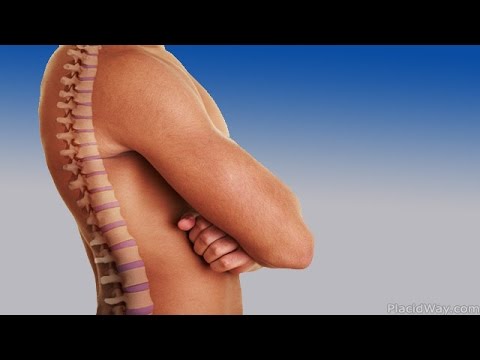




.png)














Share this listing