
The Complete Guide to the Best Tubal Ligation Procedure in Mexico: Costs, Clinics, and Care
Women seeking permanent birth control are increasingly looking across the border to find the best tubal ligation procedure in Mexico. High healthcare costs and restrictive insurance policies in the United States and Canada leave many patients searching for affordable, safe, and immediate alternatives without compromising on medical quality.
Today, world-class medical facilities in Mexican cities offer state-of-the-art female sterilization surgery with highly experienced, board-certified gynecological surgeons. Watch the video to explore why traveling for this life-changing, empowering procedure provides both significant financial relief and exceptional, compassionate medical care.
Video Chapters & Quick Navigation
Female sterilization is one of the most effective forms of permanent birth control available today. However, navigating the healthcare system in North America to receive this procedure can often be fraught with delays, high out-of-pocket expenses, and unnecessary bureaucratic hurdles. Medical tourism has bridged this gap, providing women with autonomy over their reproductive health.
Mexico has emerged as a premier destination for gynecological surgeries. With internationally accredited hospitals, state-of-the-art surgical technology, and bilingual medical staff, patients are discovering that they do not have to compromise on quality to find an affordable tubal ligation procedure near them. This guide will walk you through every critical aspect of undergoing this transformative procedure across the border.
Why Choose Mexico for Female Sterilization Surgery?
When considering an elective surgical procedure abroad, the primary concerns for any patient are safety, quality of care, and overall experience. The medical infrastructure in Mexico has undergone rapid modernization over the last two decades. Today, top-tier private hospitals in Mexico cater specifically to international patients, offering services that frequently exceed the standards found in domestic facilities.
Many gynecological surgeons practicing in these specialized medical tourism hubs have undergone rigorous training. It is incredibly common for these physicians to hold board certifications not just in Mexico, but also specialized fellowships in the United States and Europe. They remain at the forefront of minimally invasive surgical techniques, ensuring that patients receive the safest and most advanced care possible.
Overcoming Healthcare Barriers
In many Western countries, women face significant friction when requesting a tubal ligation. Some doctors may refuse to perform the procedure on younger women or women who have not yet had children. This paternalistic approach to healthcare forces many women to endure years of expensive, temporary contraceptive methods that carry heavy hormonal side effects.
In contrast, private clinics offering permanent birth control surgery in Mexico operate on a foundation of patient autonomy and informed consent. If you are an adult who understands the permanent nature of the procedure, surgeons in Mexico respect your bodily autonomy. This empowering approach, combined with scheduling flexibility, allows patients to bypass lengthy waitlists and secure their surgery within weeks.
Understanding the Tubal Ligation Procedure
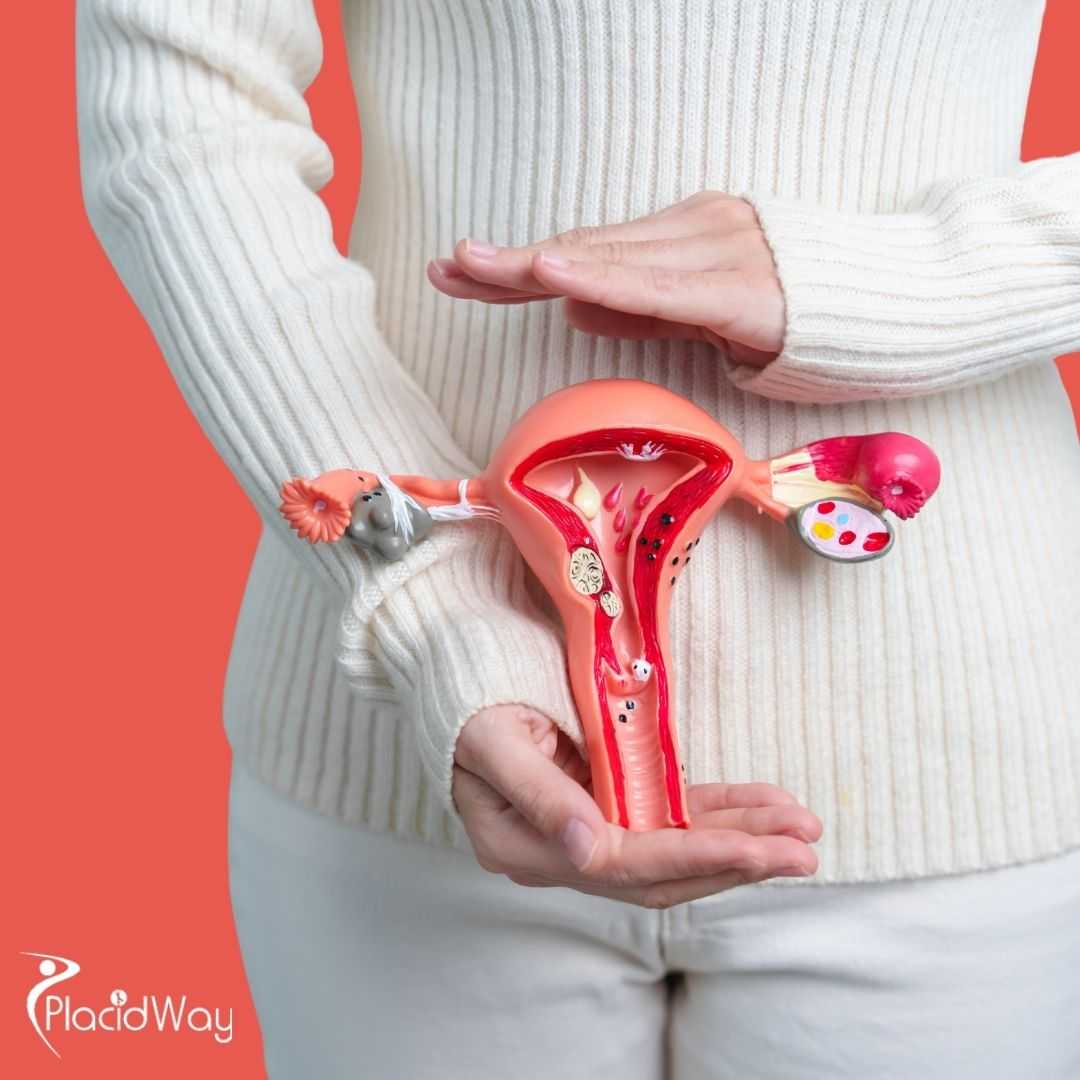
To fully appreciate the benefits of seeking this procedure abroad, it is vital to understand the medical science behind tying the tubes. The female reproductive system relies on the fallopian tubes to act as a bridge. Every month during ovulation, an ovary releases an egg, which travels down the fallopian tube toward the uterus. If sperm is present, fertilization typically occurs within this tube.
Tubal ligation is a surgical intervention designed to permanently block, cut, or seal these fallopian tubes. By physically interrupting this pathway, sperm can no longer reach the egg, and pregnancy is permanently prevented. The egg is simply absorbed harmlessly by the body, and the patient's natural hormonal cycle and menstruation continue undisturbed.
The Shift to Minimally Invasive Surgery
Historically, accessing the fallopian tubes required a large abdominal incision, leading to prolonged hospital stays and painful recoveries. Modern medicine has completely revolutionized this approach. The best tubal ligation procedure in Mexico utilizes advanced laparoscopic techniques, transforming a major abdominal surgery into a streamlined outpatient procedure.
During a laparoscopic tubal ligation, the surgeon makes one or two tiny incisions near the navel. A laparoscope—a thin, flexible tube equipped with a high-definition camera and a light source—is inserted into the abdomen. The abdomen is gently inflated with carbon dioxide gas to create a clear workspace, allowing the surgeon to visualize the pelvic organs perfectly on an external monitor.
Advanced Surgical Techniques Used in Mexico
Not all tubal ligations are performed identically. Depending on your medical history, anatomical considerations, and the surgeon's specialized expertise, different methods may be utilized to occlude the fallopian tubes. Mexican clinics are fully equipped with the precise medical instruments required for all modern techniques.
- Bipolar Coagulation: This highly common method uses a specialized electrical current to cauterize and seal specific sections of the fallopian tube. It is fast, effective, and minimally invasive.
- Tubal Clips (Filshie or Wolf Clips): The surgeon applies a tiny titanium or plastic clip tightly across the fallopian tube. Over time, the pressure from the clip stops the blood supply to that specific section, causing it to scar and permanently seal.
- Silastic Bands: A small loop of the fallopian tube is drawn up, and a tight silicone band is placed around the base of the loop, effectively blocking the passage.
- Salpingectomy: Many top-tier clinics now offer a complete removal of the fallopian tubes. Emerging medical research indicates that many ovarian cancers actually originate in the fallopian tubes. By completely removing the tubes rather than just tying them, patients gain permanent birth control and a significant reduction in ovarian cancer risk.
Cost Comparison: Affordable Tubal Ligation in Mexico vs. North America
The driving factor for most patients seeking medical tourism in Mexico for tubal ligation is the profound difference in cost. In the United States, patients facing high deductibles or lacking specific maternal insurance coverage can be hit with exorbitant hospital bills. The total cost in the US encompasses the surgeon's fee, anesthesiologist fee, operating room charges, and pre-operative lab work.
In contrast, Mexican medical facilities typically operate on a transparent, all-inclusive pricing model. This means the quoted price encompasses everything required for the procedure. By avoiding the inflated administrative bloat of the US healthcare system, patients can achieve life-altering financial savings while receiving comparable or superior medical attention.
| Location | Estimated Cost (USD) | Wait Time | Pricing Structure |
|---|---|---|---|
| United States | $4,500 - $8,000+ | Weeks to Months | Fragmented billing (hidden fees) |
| Canada | Covered by public health | 6 Months to 2 Years | Public sector rationing |
| Mexico | $1,800 - $3,200 | Days to Weeks | All-inclusive packages |
The Value of All-Inclusive Packages
When booking through experienced facilitators like PlacidWay, the price you pay for an affordable tubal ligation in Mexico often extends beyond just the surgical suite. Comprehensive medical tourism packages are designed to remove all the stress from traveling abroad.
These specialized packages typically include VIP airport transfers, ground transportation between your hotel and the clinic, pre-operative blood work and consultations, the surgery itself, general anesthesia, and all post-operative medications required for a comfortable recovery. This concierge-level service ensures that your only job is to rest and heal in a tranquil environment.
Top Destinations for Tubal Ligation Surgery in Mexico
Mexico is a vast, geographically diverse country, and its medical hubs are strategically located to cater to different types of international travelers. Depending on where you live and what type of recovery environment you desire, there is a perfect location for your permanent birth control surgery.
Tijuana: The Border Convenience Hub
For patients located in California or the Western United States, Tijuana represents the ultimate convenience. Located just minutes across the border from San Diego, patients can literally fly into the San Diego International Airport and be driven across the border by a clinic-provided medical shuttle. Tijuana boasts some of the highest concentrations of medical tourism facilities in the world, specializing heavily in bariatric, dental, and gynecological procedures. You can undergo surgery and be back in the US recovering in a hotel on the same day.
Cancun: Healing in Paradise
If you prefer to combine your medical procedure with a serene, restorative vacation, Cancun is the premier destination. Known globally for its pristine beaches and luxury resorts, Cancun also features ultra-modern, JCI-accredited hospitals. Patients who choose laparoscopic tubal ligation in Cancun often spend a few days pre-op enjoying the Caribbean Sea, followed by a quiet, pampered recovery in a luxury resort suite with room service at their fingertips.
Guadalajara and Monterrey: Industrial and Cultural Medical Centers
For patients seeking deep cultural immersion alongside highly advanced medical care, cities like Guadalajara and Monterrey are exceptional choices. Monterrey is Mexico's wealthiest city and serves as a major industrial and technological hub, offering hospitals that rival the finest institutions in Texas. Guadalajara, known as the cultural heart of Mexico, provides a calm, beautiful environment with a robust network of top-tier medical universities and specialized gynecological surgeons.
Preparing for Your Medical Trip to Mexico
Thorough preparation is the key to a seamless medical tourism experience. Long before you board a flight, the medical process begins with a comprehensive remote consultation. Patients will connect with their prospective surgeon via Zoom or a secure telehealth platform. During this consultation, you will discuss your complete medical history, previous abdominal surgeries, and your ultimate goals for permanent sterilization.
Because you are crossing international borders, ensuring your travel documentation is in order is paramount. A valid passport is required for entry into Mexico and re-entry into your home country. It is highly recommended that patients travel with a companion. Having a trusted friend or family member to help carry luggage, navigate airports, and provide emotional support during the first 24 hours of recovery is invaluable.
Pre-Operative Protocols
Once you arrive at your chosen clinic in Mexico, you will undergo an in-person evaluation. The medical team will draw blood for routine pre-operative labs, perform a physical examination, and administer a pregnancy test to ensure the surgery can proceed safely. You will be instructed to fast from food and water for at least eight hours prior to your scheduled surgery time, as the procedure requires general anesthesia.
The Recovery Process After Female Sterilization in Mexico
One of the greatest advantages of laparoscopic tubal ligation is the exceptionally rapid recovery timeline. Because the incisions are tiny—often no larger than a keyhole—trauma to the abdominal muscles is minimized. The surgery itself typically takes less than 45 minutes to complete, and patients are usually kept in the recovery ward for just a few hours to wake up safely from the anesthesia.
In almost all cases, tubal ligation is an outpatient procedure. This means you will be discharged on the same day to return to your hotel or recovery house. The clinic will provide you with a comprehensive post-operative care package, including prescription pain medication, detailed instructions on how to care for your incision sites, and emergency contact numbers for the medical staff.
Managing Post-Operative Symptoms
During the first 24 to 48 hours, it is entirely normal to experience mild to moderate abdominal cramping, similar to a heavy menstrual period. Another common, yet surprising, symptom is referred shoulder pain. This occurs because the carbon dioxide gas used to inflate the abdomen during surgery can irritate the diaphragm nerve, which shares a pain pathway with the shoulder. Walking lightly around your hotel room helps the body absorb and expel this gas much faster.
Most women feel remarkably better within three to five days and can fly back to their home country safely. Strenuous physical activity, heavy lifting, and intense cardiovascular exercise should be completely avoided for at least two to three weeks to allow the internal surgical sites to heal perfectly. Patients can usually return to desk work or normal daily routines within a week.
Safety, Success Rates, and Reversibility Concerns
When performed by a highly qualified, board-certified gynecologist in a pristine medical environment, tubal ligation is incredibly safe and overwhelmingly effective. The success rate for preventing pregnancy approaches 99.5%. Complications from the surgery are exceedingly rare, primarily consisting of standard surgical risks such as minor infection at the incision site or an adverse reaction to general anesthesia.
It is crucial to approach this procedure with absolute certainty. Tubal ligation is designed to be a permanent form of female sterilization. While tubal reversal surgery is technically possible—and is ironically another highly sought-after medical tourism procedure in Mexico—it involves a complex, delicate microsurgery that does not guarantee the restoration of fertility. Therefore, patients must be mentally and emotionally prepared for the finality of the decision.
Empowering Your Future
Taking control of your reproductive future is a profound and highly personal decision. For women who are certain they do not want to become pregnant in the future, tying the tubes offers an unparalleled sense of freedom and psychological relief. It eliminates the daily worry of pill regimens, the painful insertions of IUDs, and the unpredictable side effects of hormonal implants.
By choosing to travel for medical care, you are refusing to let geographical borders, insurance red tape, or exorbitant local costs dictate your healthcare choices. Mexico's elite medical infrastructure stands ready to provide you with a safe, dignified, and highly affordable pathway to permanent reproductive autonomy. The journey to securing your physical freedom and peace of mind is just a short flight away.
Ready to Take Control of Your Reproductive Health?
PlacidWay Medical Tourism connects you with fully vetted, board-certified gynecologists in Mexico, offering the best tubal ligation procedures at unmatched prices. Let our dedicated team handle the logistics while you focus on your health and freedom.
GET A FREE QUOTE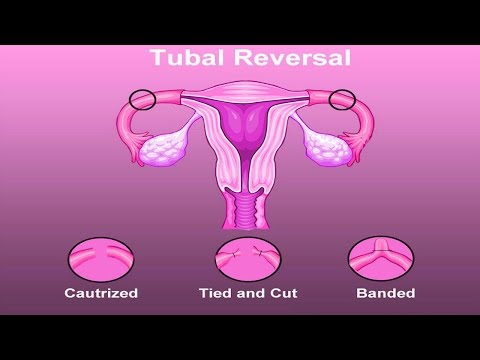







.png)
.png)

.png)



.jpg)










Share this listing