


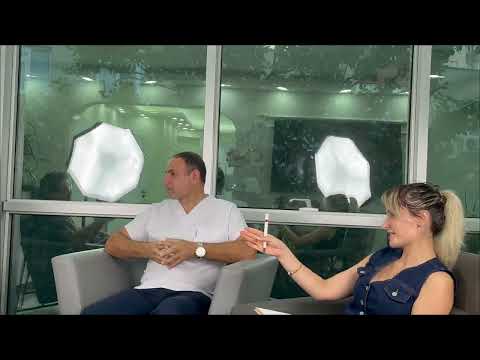
For millions of women worldwide, the intersection of endometriosis and fertility struggles presents a silent, often agonizing journey. Historically, severe menstrual pain was dismissed as a normal part of womanhood, leaving countless individuals to suffer in silence and confusion. Today, however, the narrative is shifting as modern medicine sheds light on this complex chronic condition. Understanding the intricate signs and symptoms of endometriosis is the first critical step toward reclaiming reproductive health and overall well-being. Whether you are experiencing debilitating pelvic pain, navigating the profound complexities of in vitro fertilization, or simply seeking to preserve your ovarian reserve for the future, comprehensive knowledge is your most powerful tool. Watch as we delve into a profound conversation between Dr. Carlos Dosouto, a leading specialist in assisted reproduction, and Beth, a renowned Catalan singer and actress, as they break the taboos surrounding female reproductive health, detailing the harsh realities of endometriosis and the incredible triumphs of modern fertility treatments.
Video Chapters & Quick Navigation
What is Endometriosis and How Does it Affect Women's Health?
Since the early 20th century, scientific publications have described a mysterious medical condition characterized by cysts in the ovaries containing a dark, chocolate-like material [00:00]. Today, we understand this condition as endometriosis. Endometriosis is a systemic, chronic inflammatory disease defined by the presence of endometrial-like tissue—the tissue that normally lines the inside of the uterus—growing outside of the uterine cavity [00:16].
This rogue tissue most commonly implants on the ovaries, fallopian tubes, and the tissue lining the pelvis. However, in rare and severe cases, it can spread beyond the pelvic region to the intestines, bladder, or even the lungs. The fundamental problem with this misplaced tissue is that it behaves exactly like normal endometrial tissue: it thickens, breaks down, and bleeds with each menstrual cycle. Because this blood has no way to exit the body, it becomes trapped. This trapped blood leads to chronic inflammation, the formation of scar tissue, and severe adhesions that can cause pelvic organs to stick together.
The Stages of Endometriosis
Medical professionals typically categorize endometriosis into four distinct stages based on the location, extent, and depth of the endometrial implants, as well as the presence and severity of scar tissue and ovarian cysts (endometriomas). Understanding your stage is crucial for developing an effective treatment plan.
| Stage | Classification | Clinical Presentation |
|---|---|---|
| Stage I | Minimal | A few superficial implants, minimal scar tissue. Often asymptomatic. |
| Stage II | Mild | More numerous implants that are deeper into the tissue, slight scarring. |
| Stage III | Moderate | Deep implants, small cysts on one or both ovaries, presence of filmy adhesions. |
| Stage IV | Severe | Widespread deep implants, large "chocolate cysts," dense adhesions causing organ distortion. |
Understanding the Hidden Symptoms of Endometriosis
The clinical presentation of endometriosis is notoriously variable. Some women possess widespread, severe disease yet experience little to no pain. Conversely, others with minimal tissue implants suffer from debilitating symptoms that drastically impair their quality of life [00:23]. This systemic condition affects the entire organism, producing consequences that reach far beyond simple period cramps [00:36].
- Severe Dysmenorrhea: Pelvic pain and cramping that may begin before and extend several days into a menstrual period. This pain is often described as a sharp, stabbing sensation that radiates to the lower back and legs.
- Dyspareunia: Pain during or after sexual intercourse is highly common. This specific pain can severely impact intimate relationships, leading to a decrease in the frequency of sexual relations and further complicating attempts at natural conception [02:30].
- Gastrointestinal Issues: Many patients experience pain with bowel movements or urination, particularly during their menstrual cycle. Symptoms often mimic Irritable Bowel Syndrome (IBS), leading to frequent misdiagnoses.
Why Diagnosis is Often Severely Delayed
One of the most tragic realities of endometriosis is the astonishing diagnostic delay. On average, a woman will wait between seven to eight years from the onset of her symptoms until she receives an official diagnosis [00:50]. This delay allows the disease to progress unimpeded, silently causing irreversible damage to the reproductive organs.
The root cause of this delay is multifaceted. Societally, women's pain—especially menstrual pain—has been historically minimized and normalized. Patients are often told by medical professionals, family members, and peers that severe cramps are just a "normal part of being a woman." This medical gaslighting prevents doctors from looking deeper into the root cause of the agony.
Furthermore, endometriosis cannot be definitively diagnosed through a standard pelvic exam or routine ultrasound, unless large cysts are already present. Historically, the gold standard for a confirmed diagnosis was a surgical laparoscopy [11:56]. Because surgery is invasive, doctors hesitate to recommend it, resulting in years of misdiagnoses and ineffective treatments.
The Direct Link Between Endometriosis and Fertility Struggles
Perhaps the most devastating complication of endometriosis is its profound impact on a woman's ability to build a family. Between 25% and 40% of patients with endometriosis will face infertility at some point in their lives [00:56]. This staggering statistic underscores the urgent need for early intervention and fertility preservation.
Anatomical Distortions and Inflammation
Endometriosis creates an incredibly hostile environment within the reproductive system. The chronic inflammation generated by ectopic endometrial tissue can physically alter the pelvic anatomy [01:55]. Dense scar tissue and fibrosis can cause the fallopian tubes to become blocked or fused to the ovaries, physically preventing the sperm from reaching the egg. Even in cases where the anatomy remains intact, the constant inflammatory state can alter the local immune system, creating an environment that is toxic to gametes (sperm and eggs) and highly detrimental to embryo implantation [02:05].
Diminished Ovarian Reserve
Beyond inflammation, patients with endometriosis frequently suffer from a diminished ovarian reserve. This reduction in egg quantity and quality is often a direct result of the disease itself, as endometriomas (cysts) consume healthy ovarian tissue. Furthermore, the surgical interventions required to remove these cysts inherently damage the surrounding healthy tissue, further depleting a woman's reproductive potential [02:15].
Real Patient Journey: Overcoming Endometriosis to Build a Family
Theoretical statistics and medical definitions often fail to capture the raw, emotional reality of living with this condition. The personal journey of Beth, a successful artist and mother of three, serves as a powerful testament to the resilience required to navigate endometriosis [04:58]. Her path highlights the critical importance of self-advocacy and proactive medical care.
Early Diagnosis and the First Surgery
Unlike the typical patient who waits eight years for answers, Beth's diagnosis occurred exceptionally early. At just 16 years old, she experienced pain so excruciating that it resulted in fainting spells, vomiting, and a complete inability to attend school [10:30]. This catastrophic pain forced an immediate medical response. During her first gynecological visit, an ultrasound revealed a massive 9-centimeter endometrioma on one of her ovaries.
The severity of her condition necessitated immediate surgical intervention. A week after her initial consultation, she underwent a laparoscopy to remove the cyst and clear the endometrial tissue [11:40]. While the surgery provided necessary relief, she was immediately placed on hormonal contraceptives—a standard protocol intended to suppress ovulation and prevent the rapid recurrence of the disease.
Managing Endometriosis: Hormonal Treatments and Relapse
For over a decade, Beth relied on birth control pills to manage her symptoms. However, it is vital to understand that contraceptives do not cure endometriosis; they merely act as a systemic pause button. In her late twenties, frustrated by the continuous reliance on medication, Beth decided to stop taking her contraceptives. The result was rapid and severe: within two years, a new 9-centimeter cyst had formed, requiring a second major surgery at the age of 29 [15:06].
It was during this second surgical intervention that her medical team delivered a sobering reality check. Because the surgical removal of cysts inherently damages ovarian tissue, her doctor explicitly warned her that if she desired to become a mother, she needed to act immediately while her pelvic cavity was "clean" from the recent surgery [08:29].
The First Pregnancy: A Window of Opportunity
Acting on her doctor's advice, Beth attempted natural conception immediately following her second surgery. Fortunately, the post-surgical environment proved optimal. With the inflammatory tissue temporarily cleared, she successfully conceived her first child naturally, almost immediately after recovering from the procedure [08:43]. This success highlights a crucial window of fertility that often exists directly following endometriosis excision surgery.
Advanced Fertility Treatments: Navigating In Vitro Fertilization (IVF)
Endometriosis is a progressive disease. Years later, when Beth sought to expand her family and have a second child, the landscape of her reproductive health had drastically changed. Natural conception was no longer occurring. This led her into the complex, technologically advanced world of Assisted Reproductive Technology (ART) and In Vitro Fertilization (IVF) [18:47].
The Hysterosalpingography: A Critical Diagnostic Step
Before beginning IVF, fertility specialists must thoroughly map the internal anatomy to understand the structural blockages causing infertility. A key procedure in this process is the hysterosalpingography (HSG) [20:33]. This involves injecting a radiographic contrast dye into the uterine cavity and fallopian tubes while taking X-ray images.
For women with severe endometriosis, an HSG can be an intensely painful experience due to the pressure exerted against blocked or inflamed tissues. In Beth's case, the test revealed that one of her fallopian tubes was completely impermeable—blocked entirely by the ravages of endometriosis [20:50]. This definitive structural barrier meant that continuing to try for natural conception was practically impossible, making IVF the mandatory next step.
The IVF Process and Ovarian Stimulation
The IVF process requires women to undergo intensive hormonal stimulation via daily injections to encourage the ovaries to produce multiple mature eggs simultaneously. Given her history of two major ovarian surgeries, Beth entered the IVF process with a significantly diminished ovarian reserve, compounded by the fact that the ovary from which her initial massive cyst was removed was practically non-functional [26:54].
Despite these daunting biological hurdles, her age played a critical, protective role. At 34 years old, while her egg quantity was low, her egg quality remained sufficiently viable [26:37]. The stimulation resulted in the successful fertilization and cultivation of two healthy blastocyst embryos. The first embryo transfer resulted in the birth of her second child. Years later, relying on the incredible science of embryo cryopreservation, she transferred her second remaining embryo, which successfully resulted in the birth of her third child [25:40].
The Psychological and Emotional Toll of Fertility Challenges
Treating endometriosis is not solely a physical endeavor; the emotional and psychological toll on patients is immense. The journey through IVF is frequently characterized by extreme anxiety, fear of failure, and physical exhaustion from continuous medical interventions. Many patients struggle with the societal stigma surrounding infertility, often feeling isolated or flawed.
The Importance of Compassionate Medical Care
The words used by medical professionals hold immense weight. When a doctor bluntly states, "When you want to be a mother, it will cost you," it can implant a deeply rooted fear that lingers for decades [16:40]. While delivering accurate clinical prognoses is necessary, doing so with empathy and comprehensive support is what transforms a clinical interaction into genuine healthcare.
Women facing endometriosis require a multidisciplinary approach. This includes not just skilled gynecological surgeons and fertility specialists, but also psychological support to navigate the complex emotions of chronic pain, fertility treatments, and the demanding reality of managing a lifelong inflammatory disease. Breaking the taboo and speaking openly about these struggles is essential. By sharing real stories, we dismantle the normalization of female pain and empower women to seek the expert, compassionate care they deserve to achieve their dreams of building a family.
Take Control of Your Fertility Journey Today
Do not let endometriosis define your future. PlacidWay Medical Tourism connects you with world-renowned fertility specialists and state-of-the-art IVF clinics globally, ensuring you receive premium, affordable care. Let us help you navigate your path to parenthood with confidence.
REQUEST FREE INFORMATION






.jpg)








Share this listing