


Stem Cell Treatment for Parkinson's Disease in Asia: The Future of Neurological Care
Parkinson's disease presents profound daily challenges, but emerging regenerative medicine offers unprecedented, life-changing hope. If you are exploring breakthrough therapies, stem cell treatment for Parkinson's disease in Asia has become a beacon of global medical innovation.
Instead of merely managing declining symptoms with traditional medications, patients worldwide are traveling to world-class Asian clinics for cutting-edge neuro-restorative care. This advanced approach aims to repair damaged neurons and restore dopamine production, significantly improving motor function. Watch to discover why leading medical tourism hubs across Asia are transforming the landscape of neurological treatment.
Video Chapters & Quick Navigation
The Limitations of Traditional Parkinson's Interventions
For decades, the standard of care for Parkinson's disease has relied heavily on dopamine replacement therapies, such as Levodopa. While these medications are highly effective in the early stages of the disease, their efficacy inevitably wanes over time. Patients often find themselves trapped in a cycle of increasing dosages just to achieve the same level of basic motor control.
As discussed at in the video, long-term reliance on pharmaceutical interventions frequently leads to debilitating side effects. Severe dyskinesia, unpredictable "off" periods, and gastrointestinal distress become daily hurdles that severely impact a patient's quality of life. Traditional treatments merely mask the symptoms without addressing the underlying neuronal death occurring within the brain.
This stark reality has driven the medical community to seek disease-modifying therapies rather than just symptom management tools. Regenerative medicine for neurological disorders represents a profound paradigm shift in how we approach neurodegenerative conditions. By focusing on cellular repair and neural regeneration, modern science is offering a tangible lifeline to those who have exhausted conventional medical options.
Understanding How Stem Cell Therapy Targets Parkinson's Disease
Parkinson's disease is primarily characterized by the progressive degeneration of dopamine-producing neurons in a specific region of the brain known as the substantia nigra. Dopamine is the crucial chemical messenger responsible for smooth, coordinated muscle movements. When these specific cells die off, patients experience the hallmark tremors, rigidity, and bradykinesia associated with the disease.
Stem cell treatment for Parkinson's disease in Asia utilizes the unique biological properties of undifferentiated cells to directly combat this neural degradation. As highlighted at , introduced stem cells have the remarkable ability to migrate directly to sites of tissue damage. Once there, they initiate a complex healing process that goes far beyond simple cell replacement.
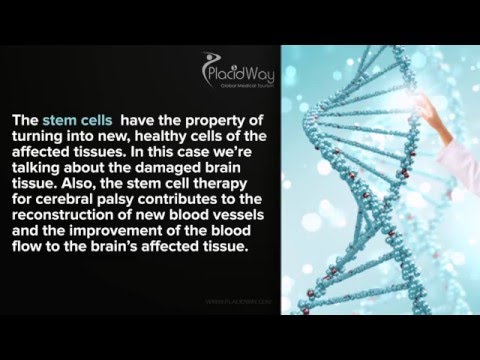
These specialized cells secrete powerful neurotrophic factors that actively protect surviving neurons from further toxic damage. This "paracrine effect" reduces chronic neuroinflammation, which is heavily implicated in the rapid progression of Parkinson's disease. Furthermore, the stem cells stimulate the brain's own dormant repair mechanisms, encouraging the growth of new blood vessels and supporting neural networks.
The Role of Mesenchymal Stem Cells (MSCs)
Many top-tier clinics specialize in utilizing Mesenchymal Stem Cells (MSCs) derived from ethically sourced umbilical cord tissue. MSCs are highly favored in neurological treatments because of their potent immunomodulatory properties and exceptional safety profile. They do not trigger an immune response, meaning patients do not require harsh immunosuppressive drugs following their therapy.
When MSCs are introduced into the central nervous system, they act as microscopic factories, pumping out essential growth factors. This biological support system helps to stabilize the dopamine-producing cells that are currently under threat. Over time, patients often report a significant leveling out of their symptoms, breaking the rapid trajectory of their physical decline.
Why Asia is Becoming the Global Hub for Regenerative Medicine
Patients in the United States, Canada, and Europe often face immense frustration due to the incredibly slow pace of regulatory approvals for regenerative medicine. Promising stem cell therapies can remain locked in early-phase clinical trials for decades before becoming available to the public. For a patient battling a rapidly progressing neurodegenerative disease, waiting ten years for FDA approval is simply not a viable option.
Conversely, several progressive nations in Asia have developed highly regulated, fast-tracked medical pathways for regenerative treatments. As mentioned at , these countries allow the clinical application of advanced stem cell therapies under strict government and ethical oversight. This unique regulatory environment has positioned Asia as the undisputed global leader in applied regenerative medicine for neurological disorders.
The best stem cell clinics for Parkinson's disease in Asia operate out of massive, state-of-the-art hospitals that rival the finest facilities in the West. These medical centers are staffed by internationally board-certified neurologists and researchers who frequently collaborate with leading global universities. Patients traveling to Asia are not settling for alternative medicine; they are accessing the very forefront of modern biomedical science.
Comparing the Cost of Parkinson's Stem Cell Treatment Abroad
The financial burden of managing Parkinson's disease in Western countries can be absolutely devastating for families. Between expensive daily medications, frequent neurological consultations, and necessary in-home care, the lifelong costs easily spiral out of control. When experimental stem cell therapies are available locally, they are rarely covered by insurance and come with exorbitant out-of-pocket price tags.
Understanding the cost of Parkinson's stem cell treatment abroad reveals a stark contrast in global healthcare economics. Patients traveling to Asia can access premium, multi-day stem cell therapy protocols for a fraction of what a comparable procedure would cost in North America. These affordable stem cell therapy packages for Parkinson's in Asia routinely include comprehensive care, hospital stays, and dedicated rehabilitation.
| Treatment Feature / Location | United States / Europe (Estimated) | Premier Asian Clinics (Estimated) |
|---|---|---|
| Comprehensive Stem Cell Protocol | $35,000 - $80,000+ (Often unavailable) | $12,000 - $25,000 |
| In-Patient Hospital Stay (Per Week) | $10,000 - $15,000 | Included in comprehensive packages |
| Daily Neurological Rehabilitation | $500 - $1,000 per session | Included in comprehensive packages |
| Specialized Diagnostic Imaging (MRI/PET) | $3,000 - $6,000 | $500 - $1,200 |
As detailed at , this massive discrepancy in pricing is not a reflection of lower medical quality or substandard care. The lower costs are driven by favorable exchange rates, lower administrative overhead, and highly subsidized medical education systems in Asian nations. Organizations like PlacidWay medical tourism Parkinson's assist patients in navigating these transparent, all-inclusive pricing structures effortlessly.
Top Destinations in Asia for Neurological Stem Cell Therapy
When evaluating international medical travel, it is vital to recognize that different Asian countries offer highly specialized approaches to regenerative care. Identifying the ideal destination depends largely on a patient's specific medical history, budget, and desired holistic treatments. Several nations have emerged as distinct leaders in neurodegenerative disease treatment in Asia.
Japan: The Pioneers of Cellular Innovation
Japan is globally recognized as a powerhouse in stem cell research, specifically regarding induced pluripotent stem cells (iPSCs). The Japanese government heavily subsidizes regenerative medicine research, leading to incredibly advanced, scientifically rigorous clinical applications. Patients traveling to Japan can expect meticulously controlled clinical environments and highly personalized cellular targeting strategies.
Thailand: Luxury Meets Integrative Medicine
Thailand has mastered the art of combining world-class allopathic medicine with unparalleled patient hospitality and holistic care. Thai stem cell clinics are renowned for integrating advanced cellular therapies with hyperbaric oxygen therapy, intravenous nutrition, and traditional physical therapies. The facilities often resemble luxury wellness retreats, providing a serene environment that drastically reduces patient stress during recovery.
India: High-Volume Excellence and Affordability
India is home to some of the largest, most technologically advanced mega-hospitals on the planet. Because of the massive patient volume, Indian neurologists possess an extraordinary depth of clinical experience in administering stem cells for Parkinson's disease. Furthermore, the completely English-speaking medical infrastructure and remarkably low treatment costs make India a highly attractive option for Western patients.
The Patient Journey: What to Expect During Stem Cell Administration
The prospect of traveling across the globe for an advanced medical procedure can initially feel overwhelming for patients and their caregivers. However, premier international clinics have optimized the patient journey to ensure an entirely seamless, highly supportive experience from arrival to departure. Upon landing, patients are typically greeted by dedicated medical concierges who handle all logistical transfers.
The treatment protocol begins with an exhaustive diagnostic phase, highlighted in the video at . Neurologists conduct comprehensive blood panels, advanced MRI imaging, and detailed motor function assessments using the Unified Parkinson's Disease Rating Scale (UPDRS). This data allows the medical team to customize the exact dosage and delivery method of the stem cells for maximum efficacy.
The actual administration of the stem cells is a minimally invasive procedure, typically performed in a sterile, modern operating theater. For Parkinson's patients, cells are frequently delivered via an intrathecal injection (a highly precise lumbar puncture) or through an intravenous drip. Intrathecal delivery is often preferred by neurologists as it allows the potent stem cells to completely bypass the blood-brain barrier and enter the cerebrospinal fluid directly.
Enhancing Efficacy with Comprehensive Rehabilitation
It is a critical misconception that stem cell therapy is an immediate, standalone magic bullet for neurodegenerative diseases. While the cells provide the fundamental biological building blocks for neural repair, the brain must be actively stimulated to form new, healthy neural pathways. This concept, known as neuroplasticity, requires dedicated, intensive effort from the patient.
Top Asian stem cell clinics mandate comprehensive neurological rehabilitation as a core component of their treatment packages. Following the stem cell infusion, patients engage in daily physical therapy, occupational therapy, and specialized speech therapy. These targeted exercises help to hardwire the new neural connections being facilitated by the stem cells, vastly improving long-term motor outcomes.
Furthermore, specialized clinics integrate adjunctive therapies to optimize the biological environment for the newly introduced cells. Treatments such as hyperbaric oxygen therapy (HBOT) saturate the blood plasma with pure oxygen, driving critical nutrients directly to the brain tissue. Transcranial magnetic stimulation (TMS) is also frequently used to awaken dormant neural circuits, accelerating the physical recovery process.
Evaluating Safety Protocols and Ethical Standards in Asian Clinics
Safety is understandably the primary concern for any patient researching international medical procedures. The media often highlights unregulated "wild west" clinics, making it vital to know how to identify legitimate, highly regulated medical institutions. True centers of excellence adhere strictly to international safety protocols and ethical sourcing guidelines.
As noted at , patients should only consider hospitals that hold prestigious international accreditations, such as from the Joint Commission International (JCI). Additionally, the laboratories cultivating the stem cells must operate under rigorous Good Manufacturing Practice (GMP) certifications. These certifications guarantee that the stem cells are expanded in sterile cleanrooms, totally free from bacterial or viral contamination.
- Ethical Sourcing: Top clinics utilize Wharton's Jelly-derived mesenchymal stem cells obtained from healthy, full-term, consensual cesarean births, ensuring zero ethical dilemmas.
- Cellular Viability Testing: Before injection, laboratories must provide documentation proving a cellular viability rate of 90% or higher, ensuring the cells are alive and active.
- Third-Party Quality Control: Independent auditing of laboratory practices ensures that cell counts and purity levels are completely accurate and scientifically verified.
Long-Term Outlook and Managing Patient Expectations
Setting realistic expectations is a vital part of the therapeutic journey for Parkinson's disease. Stem cell therapy is not currently classified as an outright cure; rather, it is a powerful disease-modifying treatment designed to restore function and slow progression. Patients typically begin to notice subtle improvements in their energy levels, sleep quality, and reduced muscle rigidity within the first four to eight weeks post-treatment.
As the paracrine healing effects take full hold over three to six months, more profound motor improvements frequently manifest. Patients commonly report a significant decrease in the severity of their resting tremors and a highly improved, stable gait. Perhaps most importantly, many patients experience a drastic reduction in their "off" times, allowing them to participate in daily activities with renewed independence.
In many documented cases, the introduction of fresh, active stem cells allows neurologists to safely reduce a patient's daily dosage of Levodopa. By lowering the reliance on synthetic dopamine, patients experience vast relief from drug-induced dyskinesia and severe nausea. Regenerative medicine ultimately provides Parkinson's patients with something that traditional medicine cannot: the genuine possibility of regaining control over their own bodies and reclaiming their quality of life.
Take the First Step Toward Neural Restoration Today
Don't let Parkinson's disease dictate your future. PlacidWay connects you with globally accredited, elite stem cell clinics in Asia offering cutting-edge therapies at a fraction of the cost. Discover your customized treatment options and secure your free medical consultation today.
GET A FREE QUOTE

















Share this listing