


Best Gastric Sleeve Surgery in Mexico: Your Comprehensive Guide to a Healthier Future
Struggling with stubborn weight can feel like a never-ending battle, but finding the best gastric sleeve surgery in Mexico is changing the landscape of affordable bariatric care. Every year, thousands of patients travel across the border seeking a permanent, medical solution to obesity without the crushing financial burden found in the US and Canada.
By choosing a world-class bariatric surgeon in Mexico, you gain access to state-of-the-art medical facilities, comprehensive all-inclusive packages, and highly experienced specialists. Watch to uncover how this life-saving procedure can safely and effectively jumpstart your journey toward a healthier, more vibrant future.
Video Chapters & Quick Navigation
Understanding Laparoscopic Sleeve Gastrectomy
When considering weight loss surgery abroad, it is crucial to understand exactly how the procedure works. The vertical sleeve gastrectomy, commonly known as the gastric sleeve, is currently the most popular bariatric surgery worldwide. As highlighted in the video at , this operation involves removing approximately 75 to 80 percent of the stomach.
The remaining stomach takes the shape of a narrow tube or "sleeve," roughly the size and shape of a banana. This dramatic reduction in stomach volume naturally restricts the amount of food you can consume in a single sitting. Consequently, patients feel comfortably full after eating very small portions, leading to a significant caloric deficit and rapid weight loss.
The Role of the Hunger Hormone: Ghrelin
Beyond simple physical restriction, the gastric sleeve offers a powerful metabolic advantage. The portion of the stomach that is surgically removed is the upper section, known as the gastric fundus. The fundus is the primary area responsible for producing ghrelin, the hormone that signals hunger to your brain.
By excising this section, the production of ghrelin drops dramatically. Patients frequently report a massive reduction in their physical appetite following surgery. This hormonal shift is what makes maintaining a low-calorie diet sustainable, setting the gastric sleeve apart from traditional diet and exercise routines.
Why Choose Mexico for Affordable Bariatric Surgery?
Medical tourism has exploded over the last decade, and Mexico has firmly established itself as the global epicenter for bariatric procedures. The primary driver for this migration is the exorbitant cost of healthcare in the United States and Canada. Many insurance providers routinely deny coverage for weight loss surgery, classifying it as an elective procedure despite its proven medical benefits.
This leaves patients facing out-of-pocket expenses that can easily bankrupt a family. As discussed at , traveling for safe weight loss surgery abroad allows patients to bypass insurance red tape. They receive immediate, life-altering care without enduring years of waiting lists or crippling medical debt.
World-Class Bariatric Surgeons and Facilities
It is a common misconception that lower prices equate to lower quality care. In reality, the best bariatric surgeons in Mexico are often highly trained specialists who hold international memberships, such as affiliations with the American Society for Metabolic and Bariatric Surgery (ASMBS). Many have performed thousands of successful laparoscopic procedures.
The private hospitals catering to international patients operate under strict medical protocols. They boast cutting-edge technology, dedicated bariatric operating rooms, and intensive care units. These facilities frequently rival or exceed the standards found in typical North American community hospitals.
Shattering the Price Tag: Gastric Sleeve Cost Comparison
Understanding the financial aspect is vital when planning your medical journey. The difference in weight loss surgery cost in Tijuana compared to a US clinic is staggering. While the quality of the surgical intervention remains exceptional, the cost of living, lower administrative overhead, and reduced malpractice insurance premiums in Mexico keep prices affordable.
Below is a general cost comparison to illustrate the immense financial savings patients can expect when booking all-inclusive bariatric surgery packages.
| Procedure / Country | United States (Average Cost) | Mexico (Average Cost) | Estimated Savings |
|---|---|---|---|
| Gastric Sleeve | $15,000 - $25,000 | $4,000 - $5,500 | Up to 75% |
| Gastric Bypass | $20,000 - $30,000 | $5,500 - $7,000 | Up to 75% |
| Revision Surgery | $25,000+ | $5,500 - $8,000 | Up to 70% |
What makes these Mexican bariatric programs even more appealing is that the prices listed above typically represent an all-inclusive package. At , the video explains how these packages remove all the stress from medical travel. Patients do not have to worry about hidden fees or organizing local logistics.
What is Included in an All-Inclusive Package?
- Surgeon and Hospital Fees: Complete coverage for the primary surgeon, anesthesiologist, nursing staff, and operating room use.
- Pre-Operative Diagnostics: Comprehensive blood panels, EKG, and physical evaluations prior to the procedure.
- Ground Transportation: VIP pick-up from the nearest airport (often San Diego International) and direct transport to the hospital and hotel.
- Accommodation: A multi-night stay at a premium hotel for recovery, often allowing a companion to stay with the patient.
- Post-Op Medication & Nutrition: Essential take-home medications, specialized nutritional guidelines, and ongoing virtual support from a dietitian.
Top Destinations for Weight Loss Surgery in Mexico
Mexico is a vast country, and different cities offer unique benefits for medical tourists. Choosing the right location depends largely on your geographical starting point and your personal preferences for the recovery environment.
Tijuana: The Bariatric Capital of the World
Tijuana sits right on the border with San Diego, California. Its sheer proximity to the US makes it the most popular choice for North American patients. You can fly into San Diego, be picked up by a private medical shuttle, and arrive at a state-of-the-art clinic in Tijuana within thirty minutes.
Because of the high concentration of medical tourists, Tijuana hosts some of the most experienced bariatric surgical teams on the planet. The medical infrastructure here is deeply integrated with US standards, offering an incredibly streamlined process for English-speaking patients.
Cancun: Healing in Paradise
For patients flying from the East Coast, Europe, or those who simply desire a more tranquil environment, gastric sleeve packages in Cancun are highly sought after. Cancun boasts world-class international hospitals tucked away in a beautiful resort setting.
Recovering from a major surgery requires low stress and relaxation. Being able to rest in a high-end hotel room with views of the Caribbean Sea provides an unparalleled mental boost during the crucial first few days of the healing process.
Qualifying for Gastric Sleeve: BMI Requirements
Bariatric surgery is a powerful tool, but it is not intended for individuals looking to lose just a few vanity pounds. There are specific medical requirements for gastric sleeve in Mexico that reputable surgeons strictly follow to ensure patient safety and procedure efficacy.
As detailed at , the primary metric used is the Body Mass Index (BMI). Generally, candidates must meet the following baseline criteria:
- A BMI of 30 or higher, which classifies an individual as obese and an ideal candidate for early intervention.
- A BMI of 35 or higher accompanied by obesity-related comorbidities, such as type 2 diabetes, severe sleep apnea, or high blood pressure.
- A history of unsuccessful attempts to lose weight and keep it off through traditional diet and exercise programs.
It is important to note that age is also a factor. Most Mexican clinics safely operate on adult patients between the ages of 18 and 65. Patients outside this range may still qualify but will require a far more rigorous pre-operative cardiovascular and physical evaluation to minimize risks and complications of bariatric surgery.
Preparing for Your Medical Trip: The Liver Shrinking Diet
Your surgical journey begins weeks before you actually board a plane. Once you have selected your clinic and scheduled your procedure date, your medical team will prescribe a strict pre-op diet. This is not simply about losing weight before the surgery; it is a critical safety measure.
Most individuals struggling with severe obesity have an enlarged, fatty liver. Because the liver sits directly over the stomach, a heavy, enlarged liver makes it very difficult for the surgeon to access the stomach safely using laparoscopic instruments.
The Two-Week Liquid Phase
To safely shrink the liver, patients are typically required to follow a low-carbohydrate, high-protein liquid diet for one to three weeks prior to surgery, depending on their starting BMI. This diet depletes the body's glycogen stores, forcing it to burn fat directly from the liver.
The pre-op diet usually consists of high-quality protein shakes, clear broths, sugar-free gelatin, and massive amounts of water. Sticking strictly to this protocol drastically reduces operating room time, lowers the risk of bleeding, and accelerates your overall gastric sleeve recovery time.
The Gastric Sleeve Recovery Timeline and Post-Op Diet
The success of affordable bariatric surgery in Mexico relies just as heavily on your post-operative compliance as it does on the surgeon's skill. Because your stomach has been surgically altered and secured with titanium staples, it needs adequate time to heal without being stretched or irritated by solid foods.
The transition back to normal eating is executed in slow, deliberate phases. Rushing these phases can lead to serious complications such as staple line leaks, severe nausea, or dehydration.
Phase 1: Clear Liquids (Days 1-7)
Immediately after surgery, your only focus will be hydration. Because your stomach capacity is drastically reduced to about 3 to 4 ounces, you cannot gulp water. You will be instructed to take small, frequent sips of clear liquids such as water, diluted apple juice, and thin broths. Staying hydrated is the most crucial aspect of the first week.
Phase 2: Full Liquids and Protein (Days 8-14)
As the initial swelling subsides, you will graduate to thicker liquids. This is when protein intake becomes vital to prevent muscle loss and promote healing. You will consume smooth protein shakes, very thin strained soups, and low-fat yogurt. The goal during this phase is to reach 60 to 80 grams of protein daily.
Phase 3: Pureed Foods (Weeks 3-4)
During the third week, patients can introduce soft, pureed foods into their diet. Anything eaten during this phase must have the consistency of baby food. Scrambled eggs, pureed fish, cottage cheese, and mashed soft vegetables are excellent choices. Chewing thoroughly remains absolutely essential to avoid food getting stuck.
Phase 4: Soft Solids and Normalcy (Months 2 and Beyond)
By the second month, you will begin reintroducing soft solid foods. You will quickly learn your new stomach's physical limits. Eating must be done slowly, meals should take roughly 20 to 30 minutes, and drinking liquids while eating is heavily discouraged, as it can flush food out of the stomach too quickly, leading to premature hunger.
Long-Term Success and Maintaining Your Weight Loss
The gastric sleeve is often described as a tool, not a magic cure. While the surgery physically prevents overeating and diminishes hunger hormones, long-term success requires a permanent lifestyle overhaul. Without mental commitment, it is entirely possible to graze on high-calorie foods and eventually stretch the sleeve out over several years.
To maximize the benefits of the best gastric sleeve surgery in Mexico, patients must commit to daily vitamin supplementation. Because the stomach is smaller, overall food volume drops, making it hard to get enough nutrients naturally. Bariatric-specific multivitamins, calcium citrate, iron, and B12 are usually required for life to prevent deficiencies.
The Psychological Aspect of Transformation
Losing 60 to 100 pounds rapidly over a single year is an intense physiological and psychological experience. Many patients struggle with body dysmorphia or emotional eating habits that the surgery cannot physically fix. Engaging with support groups, whether online communities of fellow medical tourists or local therapists, is highly recommended to navigate the emotional complexities of massive weight loss.
Navigating Safety: Choosing Board-Certified Bariatric Surgeons
The key to a safe and successful medical tourism experience is exhaustive research. You must verify the credentials of any clinic you consider. Look for surgeons certified by the Mexican Council of General Surgery (CMCG) and those who have specific training in advanced laparoscopy.
Transparency is another critical marker of quality. The best clinics will readily provide their complication rates, detail their pre-op testing protocols, and offer extensive references from past international patients. They perform routine leak tests in the operating room, such as the methylene blue test, to ensure the staple line is completely sealed before closing the incisions.
Taking control of your health does not have to mean plunging into lifelong debt. By exploring the premier bariatric options south of the border, you can access life-changing medical interventions. With comprehensive planning, strict adherence to dietary guidelines, and the expertise of top-tier surgical teams, achieving your ideal weight and reclaiming your vitality is fully within reach.
Ready to Transform Your Life and Health?
Don't let high costs keep you from achieving the healthy body you deserve. PlacidWay connects you with the highest-rated bariatric clinics and board-certified surgeons in Mexico. Secure your all-inclusive package today and take the first step toward your new life.
GET A FREE QUOTE TODAY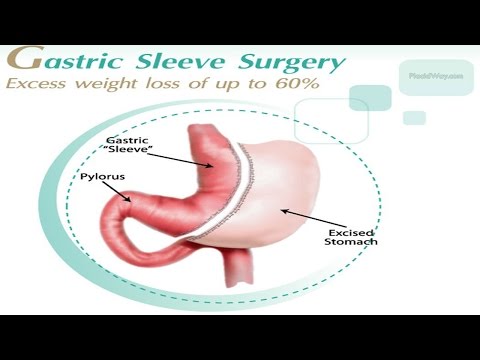
.png)


.png)
.png)
.png)
.png)













Share this listing