


The Complete Guide to Advanced Stem Cell Treatment for Multiple Sclerosis at UCTC
Living with a chronic autoimmune condition requires immense daily resilience. For patients actively seeking the highly advanced treatment of multiple sclerosis in UCTC, modern regenerative medicine offers unprecedented hope. Multiple sclerosis aggressively targets the central nervous system, leading to debilitating physical and cognitive decline. Traditional pharmaceutical protocols often merely mask symptoms or temporarily slow progression while inducing severe, exhausting side effects. However, the Unique Cell Treatment Clinic provides a profound, scientifically backed alternative. By leveraging highly specialized stem cell protocols, patients worldwide are discovering revolutionary ways to halt disease progression, repair neurological damage, and reclaim their independence.
Video Chapters & Quick Navigation
Understanding the Devastating Burden of Multiple Sclerosis
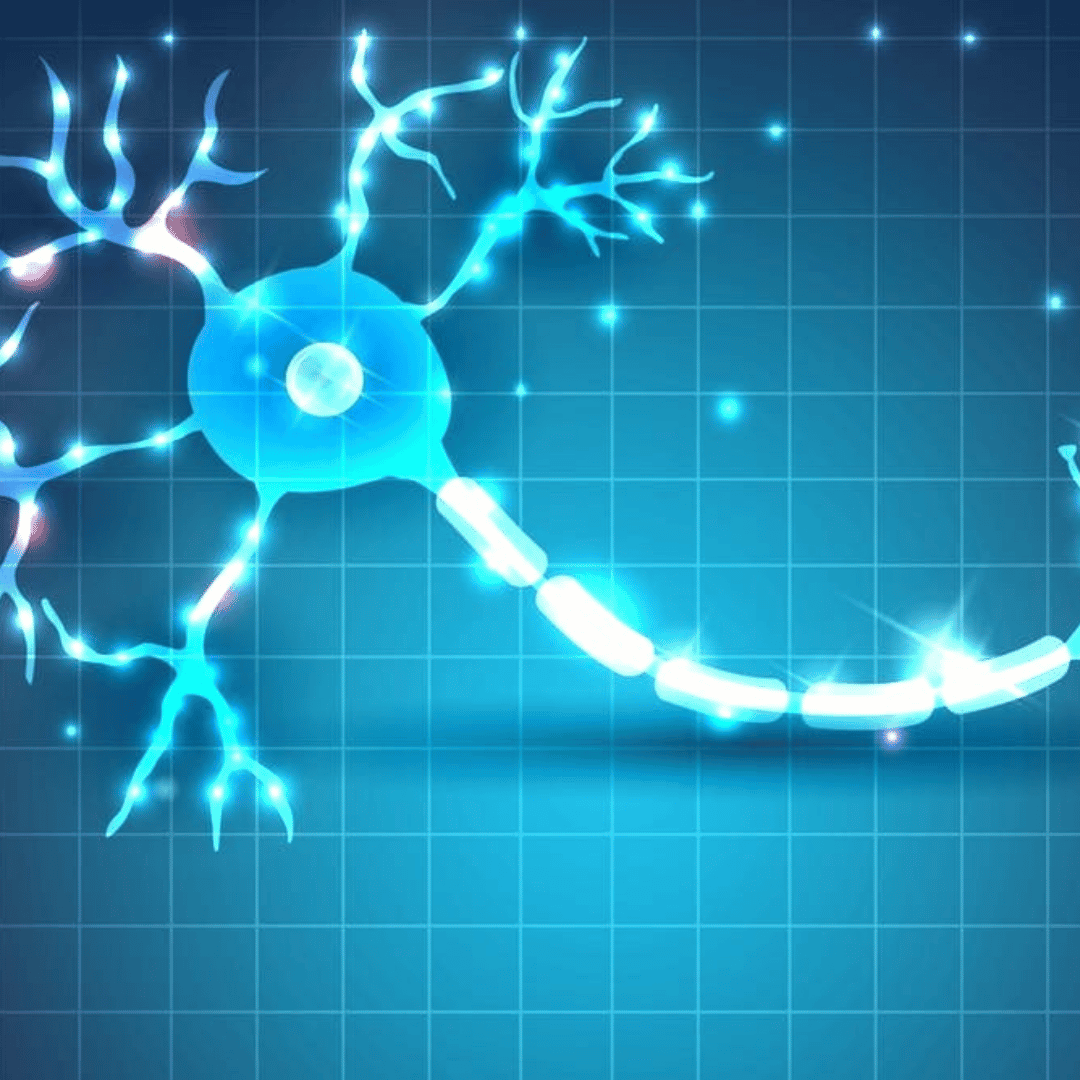
Multiple sclerosis is an unpredictable, often disabling disease of the central nervous system that disrupts the flow of information within the brain, and between the brain and body. To truly appreciate why alternative medical tourism is surging, one must first comprehend the biological mechanics of the disease. In MS patients, the immune system maliciously attacks the protective myelin sheath that covers nerve fibers. This destructive process is known as demyelination.
When this protective covering is damaged or destroyed, nerve impulses traveling to and from the brain and spinal cord are severely distorted or completely interrupted. This manifests in a wide array of crippling symptoms. Patients frequently experience extreme fatigue, severe mobility limitations, uncontrollable muscle spasticity, vision loss, and cognitive fog. As noted in the video at , the emotional toll of losing basic independence can be just as devastating as the physical deterioration.
The Shortcomings of Conventional Neurological Therapies
For decades, standard medical protocols have relied heavily on disease-modifying therapies (DMTs), corticosteroids, and powerful immunosuppressants. While these treatments are considered the global standard of care, they inherently come with massive limitations. Conventional therapies are designed exclusively to manage acute flare-ups and potentially slow the formation of new lesions in the brain and spinal cord.
However, they lack the critical ability to repair damage that has already occurred. Furthermore, long-term use of high-dose corticosteroids and immunosuppressive medications often leads to catastrophic secondary health issues, including liver toxicity, severe susceptibility to infectious diseases, and severe osteoporosis. Patients find themselves trapped in a cycle of managing side effects while their underlying neurological baseline slowly worsens.
The Breakthrough: Stem Cell Treatment for Autoimmune Diseases
The global medical community is currently experiencing a massive paradigm shift in how we approach chronic, treatment-resistant neurodegenerative diseases. Stem cell treatment for autoimmune diseases is moving from the realm of experimental science into highly efficacious clinical practice. Unlike traditional medications that chemically suppress the immune system, stem cell therapy introduces healthy, multipotent cells into the patient's body to actively repair and regenerate tissue.
How Stem Cells Target Central Nervous System Damage
The application of regenerative medicine for multiple sclerosis focuses on two primary clinical objectives: immunomodulation and neuroprotection. When advanced stem cells are introduced into a patient with MS, they seek out areas of high inflammation. They possess a unique, innate ability to cross the blood-brain barrier, reaching the damaged demyelinated sites directly.
Once at the site of the neurological injury, these cells release critical growth factors and cytokines. This localized response effectively "reboots" the malfunctioning immune system, signaling it to stop attacking the host's myelin. More importantly, as highlighted at , these cells actively stimulate the body's native remyelination processes, rebuilding the protective nerve coverings that standard drugs cannot restore.
The Superiority of Fetal Stem Cells in MS Therapy
It is vital to distinguish between the different types of stem cells used globally. Many clinics offer autologous stem cell treatments (using the patient's own fat or bone marrow). However, for a patient with an autoimmune disease like MS, their own stem cells are often already compromised or carry the genetic predisposition to the illness. They also decrease in vitality and regenerative potential as the patient ages.
This is where the unique approach at UCTC becomes critical. Fetal stem cells are inherently superior in their plasticity, engraftment potential, and lack of immunogenicity. They do not express the complex antigens that cause tissue rejection, meaning they can be administered safely without requiring the patient to undergo dangerous chemotherapy or severe immunosuppression beforehand. They are vibrant, highly proliferative, and prime to differentiate into the exact neural support cells the MS patient desperately needs.
Why Choose the Unique Cell Treatment Clinic (UCTC)?
When investigating affordable multiple sclerosis treatment abroad, patients are bombarded with countless medical tourism options spanning from Mexico to Southeast Asia. However, the Unique Cell Treatment Clinic (UCTC) stands apart as a deeply entrenched pioneer in the specific field of fetal stem cell research and application. Choosing UCTC is not just a financial decision; it is a profound medical investment based on decades of specialized clinical history.
Decades of Pioneering Regenerative Research
The foundation of UCTC rests on the groundbreaking work of Professor Alexander Smikodub, a true visionary in modern cell therapy. Beginning in the early 1990s, Professor Smikodub and his dedicated medical team developed highly specific, proprietary protocols for harvesting, testing, and administering fetal stem cells. They did not simply adopt global trends; they invented the foundational methodologies that many other clinics now attempt to replicate.
UCTC boasts an unparalleled safety record, backed by vast clinical data spanning over thousands of complex cases. Their advanced MS therapies are not generic, one-size-fits-all infusions. They are precisely calibrated biomedical interventions tailored to the specific progression stage of the patient's multiple sclerosis. This rigorous, evidence-based approach has earned UCTC numerous international patents and a stellar reputation among global neurologists.
The Step-by-Step Patient Experience at UCTC
Traveling internationally for a major medical procedure can feel daunting, particularly for individuals struggling with mobility issues or extreme fatigue. UCTC, often in partnership with medical tourism facilitators like PlacidWay, has refined the patient journey to be entirely seamless, stress-free, and highly supportive from the moment of arrival.
Comprehensive Initial Evaluation
The protocol begins long before the patient receives their first cellular infusion. Upon arriving at the clinic, patients undergo an exhaustive, multi-disciplinary diagnostic evaluation. This includes advanced MRI reviews, comprehensive blood panels, neurological reflex testing, and deep immunological assessments. The medical team maps the precise progression of the disease to ensure the optimal cellular dosage is prepared.
| Phase of Care | Clinical Activities | Estimated Duration |
|---|---|---|
| Day 1: Diagnostics | Comprehensive blood work, neurological exams, MRI reviews, and specialist consultations. | 4 - 6 Hours |
| Day 2: Preparation | Pre-medication (if required), resting, and the first stage of targeted stem cell infusions (IV). | 3 - 4 Hours |
| Day 3: Deep Delivery | Subcutaneous or specialized local injections targeting deep neurological repair, followed by observation. | 3 - 5 Hours |
| Day 4: Post-Care Eval | Final examinations, issuance of detailed medical reports, and comprehensive discharge planning. | 2 - 3 Hours |
The Administration Phase
As detailed at , the actual stem cell administration is remarkably gentle compared to conventional MS treatments. It does not require harsh anesthesia, severe invasive surgeries, or aggressive chemotherapy pre-conditioning. The proprietary stem cell preparations are administered through highly monitored intravenous drips and, in some specific neurological cases, precise subcutaneous injections.
Patients remain awake, comfortable, and closely monitored by specialized nurses and doctors throughout the entire duration. Because the fetal stem cells used by UCTC are immune-privileged, the risk of an adverse allergic reaction or graft-versus-host disease is virtually nonexistent, allowing patients to experience a calm, restorative clinical environment.
Expected Outcomes and Long-Term Symptom Management
The primary goal of managing MS symptoms with stem cells is to permanently halt the autoimmune attack and kickstart profound bodily regeneration. While individual results inherently vary based on the patient's age, disease duration, and specific MS phenotype (Relapsing-Remitting vs. Primary Progressive), the documented clinical outcomes at UCTC are astonishing.
- Cessation of Disease Progression: A vast majority of patients report a complete halt in new lesion formation and a stabilization of their current neurological state.
- Drastic Reduction in Fatigue: Chronic, debilitating fatigue—one of the most pervasive MS symptoms—is often significantly reduced within weeks of treatment.
- Restoration of Motor Functions: Patients frequently experience improved gait, increased muscle strength, and a reduction in painful spasticity.
- Enhanced Cognitive Clarity: The reduction of neuro-inflammation often leads to lifted brain fog, improving memory, focus, and overall mood.
- Bladder and Bowel Control: Significant improvements in the autonomous nervous system functions are regularly documented by the clinical team.
Real Patient Success Stories
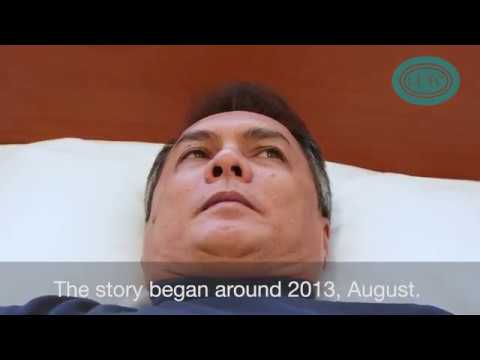
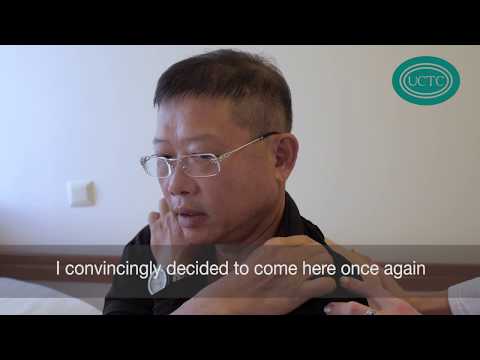
The true measure of any medical intervention lies in the lived experiences of the patients. Those who have undergone neurological repair stem cell therapy at UCTC often describe a profound secondary outcome: the return of hope. Before treatment, many patients live in constant fear of their next relapse. Following the UCTC protocol, that trajectory shifts. The video highlights several accounts, specifically at , where patients who were formerly wheelchair-bound managed to regain the ability to walk unassisted, returning to their careers, their hobbies, and their families with renewed vitality.
The Economics of Medical Tourism for Neurological Care
Access to advanced, highly specialized medicine in North America and Western Europe is frequently hindered by astronomical costs and restrictive insurance protocols. Patients seeking novel MS treatments in their home countries often face waiting lists lasting years or outright denials from their insurance providers due to the "experimental" classification of stem cell therapies by local regulatory bodies.
Cost Comparison: Global MS Therapies vs. UCTC
When analyzing the cost of lifetime care for a multiple sclerosis patient in the United States, the numbers are staggering. Prescription DMTs, routine MRIs, physical therapy, and hospitalizations for severe relapses can easily exceed $70,000 to $100,000 annually. Over a decade, this financial burden becomes insurmountable for many families, leading to medical bankruptcy.
Conversely, undergoing comprehensive stem cell therapy at UCTC is a fraction of that cost. Because the clinic has optimized its proprietary cell harvesting and administration techniques over three decades, they can offer world-class, premium regenerative care without the massively inflated healthcare markups seen in the West. This cost efficiency democratizes access to life-saving therapies, making affordable multiple sclerosis treatment abroad a highly viable reality for thousands of international patients.
Planning Your Medical Journey to UCTC
Taking the first step toward medical travel requires careful planning, but it does not have to be an overwhelming process. The infrastructure surrounding medical tourism at UCTC is highly developed. Dedicated international patient coordinators handle the vast majority of the logistical heavy lifting, allowing the patient and their caregivers to focus entirely on health and recovery.
Logistics, Visa Support, and Accommodations
From the moment you request a consultation, a dedicated medical concierge steps in. The clinic provides comprehensive assistance with necessary medical visas, utilizing official clinic invitation letters to expedite the process. Airport transfers are coordinated using comfortable, accessible vehicles suited for patients with mobility impairments. Furthermore, UCTC partners with highly rated local hotels and long-term stay apartments that meet strict accessibility standards, ensuring maximum comfort during your time off-campus.
Post-Treatment Care and Long-Term Follow-up
The relationship with UCTC does not end when you board the plane to return home. As discussed at , stem cell therapy initiates a long-term regenerative process that continues for months after the physical infusions are complete. UCTC maintains a robust telemedicine framework, scheduling regular follow-up consultations via video call. They collaborate seamlessly with your local primary care physicians or neurologists to monitor your progress, adjust any standard medications safely, and ensure that your recovery trajectory remains optimal long into the future.
Ready to Reclaim Your Life from Multiple Sclerosis?
PlacidWay Medical Tourism connects you directly with the world-renowned specialists at UCTC. Stop waiting for traditional treatments to fail. Let our team facilitate your journey toward advanced, affordable stem cell therapy today.
REQUEST YOUR FREE MEDICAL CONSULTATION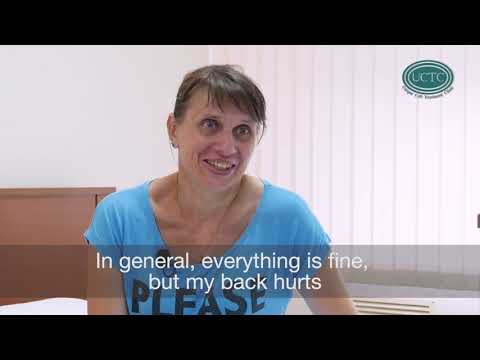












Share this listing