


Advanced Fetal Stem Cell Treatment for Diabetes, Hypertension, and Kidney Disease
Living with the interconnected triad of diabetes, hypertension, and chronic kidney disease often feels like an unwinnable battle against your own biology. For decades, standard medical protocols have focused exclusively on symptom management, utilizing endless prescription cycles that fail to address the underlying cellular degeneration. Today, regenerative medicine has unlocked a fundamentally different approach. The Unique Cell Treatment Clinic offers specialized fetal stem cell therapies designed to repair damaged pancreatic beta cells, restore vascular elasticity, and regenerate renal tissue. Watch to understand how this breakthrough cellular treatment is rewriting the prognosis for complex metabolic and cardiovascular conditions.
Video Chapters & Quick Navigation
The Interconnected Crisis: Diabetes, Hypertension, and Kidney Failure
When a patient is diagnosed with type 2 diabetes mellitus, it is rarely an isolated condition. The human body operates as a highly sensitive, interconnected network. Elevated blood glucose levels act like microscopic shards of glass, systematically damaging the delicate endothelial lining of blood vessels throughout the body. This continuous vascular damage is the primary catalyst for secondary complications, most notably essential hypertension and chronic kidney disease (CKD).
As the video discusses at , traditional pharmacology approaches this triad of diseases by compartmentalizing them. A patient might be prescribed metformin or exogenous insulin for their blood sugar, ACE inhibitors or beta-blockers to force blood pressure down, and diuretics to ease the burden on failing kidneys. However, none of these interventions repair the dying beta cells in the pancreas or the scarred nephrons in the renal system. They merely artificially manipulate the body's chemistry to delay the inevitable progression toward multi-organ failure and dialysis.
This endless cycle of disease management creates a profound reduction in the patient's quality of life. Fatigue, neuropathy, vision loss, and cognitive decline become daily realities. The overarching failure of conventional medicine in this space has driven researchers and patients alike to seek out restorative therapies, bringing regenerative medicine and advanced cellular therapies to the forefront of modern medical tourism.
The Science of Fetal Stem Cell Therapy in Regenerative Medicine
To understand why the Unique Cell Treatment Clinic is seeing such profound success, one must first understand the specific biological tools they employ. Not all stem cells are created equal. While many clinics globally offer adult mesenchymal stem cells (harvested from bone marrow or adipose fat tissue), the regenerative capacity of these adult cells diminishes significantly as the donor ages.
Fetal stem cells represent the pinnacle of regenerative potential. As highlighted at in the patient's journey, fetal stem cells possess an extraordinary level of pluripotency and proliferation. This means they can rapidly divide and differentiate into almost any specific cell type required by the host body—whether that is a pancreatic islet cell, a vascular endothelial cell, or a renal cell.
The Phenomenon of Cellular Homing
One of the most remarkable characteristics of administered fetal stem cells is a biological mechanism known as "homing." When these specialized cells are introduced into the patient's bloodstream, they do not simply float aimlessly. They actively seek out areas of inflammation, tissue damage, and cellular distress. They act as microscopic paramedics, migrating directly to the pancreas, the damaged vascular walls, and the deteriorating kidneys.
Once they arrive at the site of injury, they execute two vital functions. First, they secrete a powerful array of cytokines and growth factors that halt localized cell death (apoptosis) and suppress chronic inflammation. Second, they begin the process of engraftment and differentiation, physically replacing dead or dysfunctional cells with healthy, vigorous new tissue. Furthermore, because these are early-stage fetal cells, they lack the mature surface antigens that typically trigger an immune response, entirely eliminating the risk of tissue rejection without the need for dangerous immunosuppressive drugs.
Targeting Diabetes Mellitus: Rebuilding Pancreatic Function
For individuals suffering from diabetes mellitus, the core physiological failure lies within the pancreas, specifically the islets of Langerhans where beta cells reside. In type 1 diabetes, an autoimmune response destroys these cells. In type 2 diabetes, a combination of insulin resistance and beta-cell exhaustion leads to the inability to produce sufficient insulin to clear glucose from the bloodstream.
Stem cell treatment for diabetes focuses directly on this root cause. When the fetal stem cells reach the pancreas, they begin to differentiate into new, fully functional beta cells. Patients undergoing this therapy at the Unique Cell Treatment Clinic frequently report significant, measurable changes within weeks of their procedure, as detailed around in the video.
- Restoration of Endogenous Insulin: As new beta cells populate the pancreas, the body's natural ability to synthesize and secrete insulin is restored, leading to highly stabilized blood sugar metrics.
- Reversal of Insulin Resistance: Stem cell therapy reduces systemic inflammation, which is a primary driver of cellular insulin resistance, allowing the body's existing insulin receptors to function more efficiently.
- Prevention of Neuropathy: By restoring normal glucose levels and promoting nerve regeneration, patients often experience a halt or reversal in painful diabetic peripheral neuropathy.
The ultimate goal of this regenerative approach is a dramatic reduction in the patient's reliance on daily exogenous insulin injections and oral hypoglycemic medications, freeing them from the rigid, anxiety-inducing schedule of constant blood glucose monitoring.
Overcoming Essential Hypertension Through Vascular Regeneration
High blood pressure is often referred to as the "silent killer" because it inflicts catastrophic damage on the body's vital organs long before symptomatic warnings appear. In the context of chronic metabolic syndrome, hypertension is driven by endothelial dysfunction. The inner lining of the blood vessels becomes rigid, calcified, and unable to produce nitric oxide, the molecule responsible for vascular dilation.
Traditional antihypertensive drugs force the blood vessels open mechanically or manipulate the heart rate, but they leave the underlying arterial stiffness untreated. Fetal stem cell therapy for high blood pressure takes a fundamentally regenerative path. As noted at , the introduced stem cells gravitate toward the damaged vascular walls.
Restoring Arterial Elasticity naturally
Once embedded in the vascular tissue, these cells promote angiogenesis—the creation of new, healthy capillary networks. They also differentiate into fresh endothelial cells, restoring the smooth, flexible inner lining of the arteries. This biological restoration allows the blood vessels to naturally expand and contract in response to the body's demands.
As the arteries regain their youthful elasticity and natural nitric oxide production resumes, systemic peripheral resistance drops. Consequently, the patient's blood pressure naturally normalizes. This profoundly reduces the mechanical strain on the heart muscle, drastically lowering the risk of hypertrophic cardiomyopathy, myocardial infarction (heart attack), and stroke. Many patients find that post-treatment, their previously stubborn blood pressure metrics stabilize to the point where cardiologists can safely taper them off aggressive pharmaceutical regimens.
Halting and Reversing Chronic Kidney Disease (CKD)
Perhaps one of the most devastating complications of combined diabetes and hypertension is chronic kidney disease. The kidneys are composed of millions of tiny filtering units called nephrons. When subjected to the dual onslaught of high blood sugar and high blood pressure, these nephrons become inflamed, scarred (glomerulosclerosis), and ultimately die. Traditional nephrology maintains that once a nephron is dead, it is gone forever, inevitably leading the patient toward end-stage renal disease (ESRD) and a life tethered to a dialysis machine.
Regenerative medicine challenges this grim prognosis. Stem cell treatment for chronic kidney failure utilizes the profound anti-fibrotic properties of fetal stem cells. As shown around , when the stem cells reach the compromised renal tissue, they actively break down the fibrotic scarring that chokes the remaining nephrons.
Measurable Improvements in Renal Function
By releasing specific growth factors, the stem cells stimulate the surviving renal cells to regenerate and proliferate. They also form new micro-blood vessels within the kidneys, restoring essential blood flow to the starving filtration tissue. This complex biological repair yields highly measurable clinical results in comprehensive metabolic panels.
| Clinical Marker | Standard Medicine Outcome | Stem Cell Therapy Outcome |
|---|---|---|
| Creatinine Levels | Continues to steadily rise | Stabilizes and progressively lowers |
| Glomerular Filtration Rate (eGFR) | Irreversible decline | Halts decline, often shows clinical increase |
| Proteinuria (Protein in urine) | Managed with ACE inhibitors | Significantly reduced via nephron repair |
For patients facing the terrifying prospect of dialysis or a kidney transplant, fetal stem cell therapy offers a critical lifeline. It provides the kidneys with the biological tools necessary to heal themselves, prolonging native kidney function and drastically improving overall vitality and energy levels.
The Unique Cell Treatment Clinic Advantage
Navigating the world of medical tourism and regenerative medicine requires careful discernment. The Unique Cell Treatment Clinic stands out globally as a pioneer in the application of fetal stem cells for complex chronic diseases. Their proprietary methodologies have been refined over decades of intensive clinical research and application, setting a gold standard for safety, efficacy, and patient care.
What separates this clinic from standard stem cell centers is their highly customized approach. They do not utilize a generic, one-size-fits-all injection. Instead, as the patient describes at , the medical team conducts exhaustive pre-treatment diagnostic testing. This allows the immunologists and cellular biologists to calculate the exact dosage, cellular lineage, and administration route required to address the patient's specific severity of diabetes, hypertension, and kidney dysfunction.
Rigorous Safety and Administration Protocols
Safety is paramount when dealing with advanced cellular medicine. The Unique Cell Treatment Clinic adheres to the strictest international laboratory standards. The fetal stem cells undergo rigorous multi-stage screening for genetic anomalies, bacterial contamination, and viral pathogens before they ever reach the treatment room.
The administration of the therapy is minimally invasive. Depending on the customized protocol, the cells are typically delivered via precise intravenous (IV) infusions or targeted localized injections. Because the procedure utilizes advanced biological material that naturally integrates into the patient's body, there is no need for general anesthesia or prolonged hospital stays. Patients experience minimal discomfort and are closely monitored by a multidisciplinary team of specialists to ensure optimal cellular uptake and patient comfort throughout the duration of their stay.
Transforming the Quality of Life: Long-Term Prognosis
The true measure of any medical intervention is the impact it has on a patient's daily life. For those suffering from the heavy burden of diabetes, hypertension, and kidney disease, the results of fetal stem cell therapy are often life-altering. The biological repairs initiated during the clinical stay continue to progress over the following three to six months as the newly formed cells mature and integrate fully into the organ systems.
Patients report a profound resurgence in physical energy, a lifting of cognitive "brain fog," and a dramatic improvement in sleep quality. As blood sugar levels normalize, blood pressure readings stabilize, and kidney markers improve, the heavy reliance on a pharmacy counter diminishes. This cellular intervention does not just offer an extension of life; it offers a restoration of vitality. By addressing disease at the absolute foundational cellular level, the Unique Cell Treatment Clinic is allowing patients to reclaim their health, their independence, and their future.
Ready to Reclaim Your Health from Chronic Disease?
Stop merely managing the symptoms of diabetes, hypertension, and kidney disease. PlacidWay Medical Tourism can connect you directly with the specialists at the Unique Cell Treatment Clinic for a comprehensive, personalized medical evaluation.
GET A FREE CONSULTATION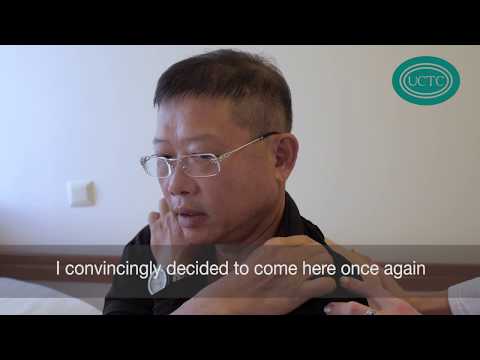













Share this listing