


The Breakthrough Guide: Treatment of Intervertebral Hernia without Surgery in Italy
Living with debilitating back pain can feel like a life sentence, but the treatment of intervertebral hernia without surgery in Italy is changing the narrative for patients worldwide. When a spinal disc bulges or ruptures, the resulting nerve compression brings agonizing pain that traditionally pointed straight to the operating table. Today, patients no longer have to accept the steep risks of invasive spinal fusion or microdiscectomy.
Advanced medical tourism has opened entirely new doors for those seeking conservative management of a slipped disc. Top-tier medical facilities in Italy are currently pioneering conservative, non-invasive therapies that eliminate the need for risky spinal surgeries. Watch as we explore how Italian medical excellence, cutting-edge ozone therapy, and advanced spinal decompression are offering lasting, pain-free relief for herniated discs.
Video Chapters & Quick Navigation
The Hidden Burden of Intervertebral Herniation
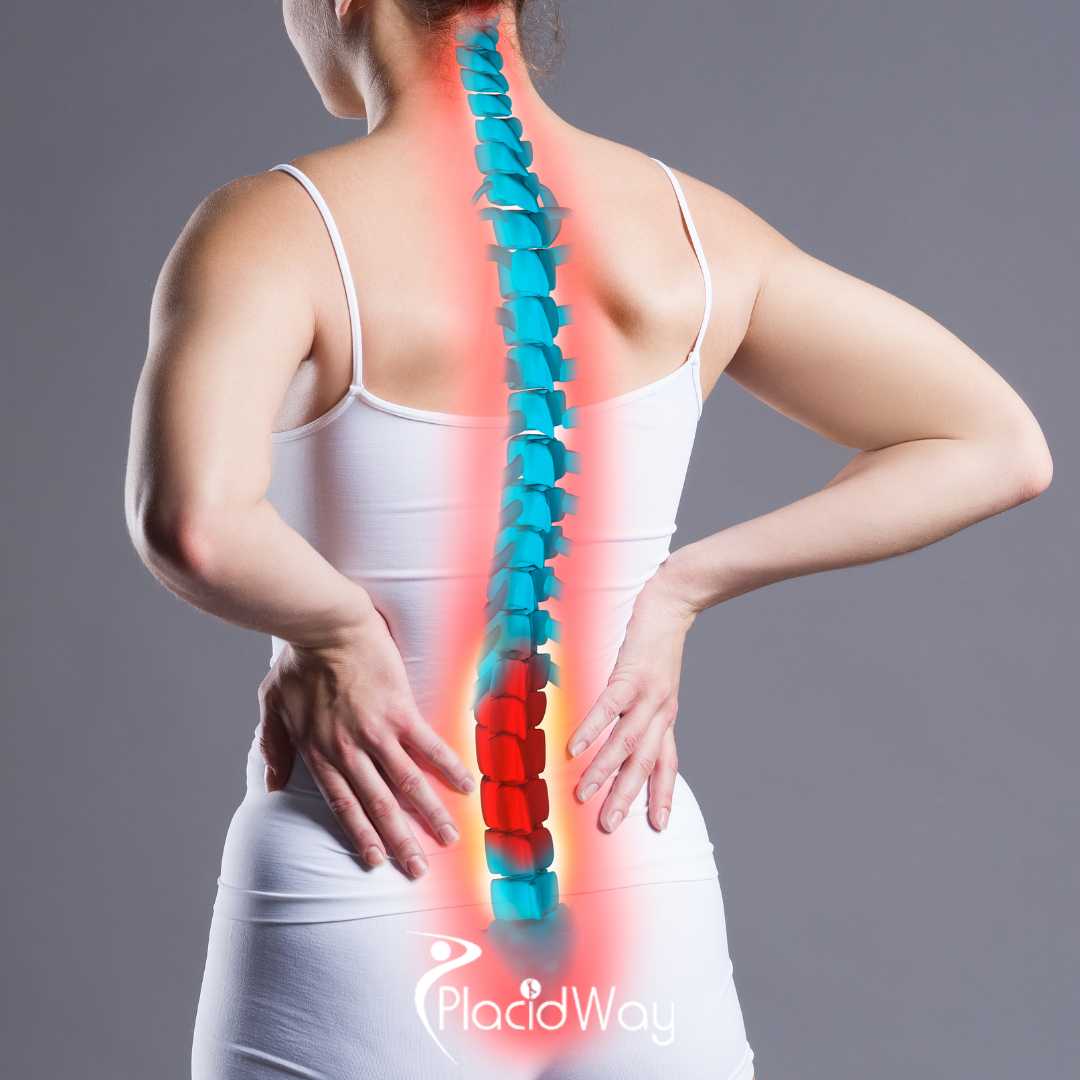
To truly appreciate the value of non-surgical herniated disc treatment in Italy, one must first understand the severe mechanical and biological failure that causes the pain. The human spine is a marvel of biological engineering, relying on shock-absorbing discs nestled between the vertebrae. These discs consist of a tough outer ring, known as the annulus fibrosus, and a jelly-like center called the nucleus pulposus.
When the spine is subjected to chronic stress, poor posture, or sudden acute trauma, the tough outer ring can tear. This allows the internal jelly-like substance to bulge outward or rupture entirely, compressing the delicate spinal nerves nearby. As highlighted in the video at , this nerve compression leads to a cascade of excruciating symptoms.
Patients typically experience sharp, shooting pain that radiates down the legs, a condition commonly known as sciatica. Numbness, tingling, and a profound loss of motor function in the extremities can severely limit a patient's quality of life. For decades, the western medical establishment has aggressively pushed surgical interventions like laminectomies and discectomies as the primary solution for these symptoms.
The Hidden Risks of Traditional Back Surgery
While spine surgery can be life-saving in cases of severe neurological deficit, it is vastly over-prescribed for standard herniations. Surgery alters the fundamental biomechanics of the spine permanently. Removing a portion of the disc or fusing vertebrae together often leads to accelerated degeneration of the adjacent spinal segments.
Furthermore, the medical community frequently deals with "Failed Back Surgery Syndrome" (FBSS). This tragic condition occurs when a patient undergoes invasive spine surgery but emerges with the exact same, or sometimes worse, chronic pain. The extensive scar tissue formed during surgical healing can bind to the nerve roots, recreating the very compression the surgeon sought to eliminate.
Because of these high complication rates, medical tourists are actively seeking alternatives to back surgery in Europe. This shift in patient demand has highlighted Italy as a global epicenter for conservative, non-invasive spinal rehabilitation.
Why Choose Italy for Non-Surgical Herniated Disc Treatment?
Italy has long been celebrated for its art, history, and culinary mastery, but its quietly booming medical tourism sector is turning heads in the global healthcare community. The Italian healthcare system consistently ranks among the top in the world according to the World Health Organization. This high standard of care extends deeply into private orthopedic and neurological rehabilitation centers.
Italian medical philosophy leans heavily toward preservation and conservative management rather than immediate surgical intervention. Orthopedic specialists in Milan, Rome, and Bologna view surgery strictly as a last resort. Instead, they focus on resolving the root biomechanical failures and biochemical inflammation causing the pain.
As mentioned at , Italy's top clinics employ a multidisciplinary approach. A single patient will often be treated by a coordinated team comprising a neurologist, an orthopedic specialist, a physical therapist, and a pain management physician. This holistic oversight ensures that every aspect of the intervertebral hernia relief protocol is carefully managed and optimized for the individual.
World-Renowned Orthopedic Specialists
The specialists leading these Italian clinics are highly sought-after experts in the field of spinal biomechanics. Many have pioneered specific non-invasive protocols that are now being studied globally. Their approach relies heavily on precise diagnostic imaging and targeted, micro-invasive therapies.
By blending state-of-the-art medical technology with a patient-centric approach, Italian doctors build deep trust. They take the time to explain the pathology of the bulging disc to the patient, ensuring the individual understands how their specific lifestyle choices impact their recovery. This educational component is vital for long-term prevention.
The Magic of Oxygen-Ozone Therapy (Ozonoterapia)
One of the most powerful tools in the Italian non-surgical arsenal is Oxygen-Ozone Therapy, commonly referred to as Ozonoterapia. While relatively obscure in North America due to differing regulatory frameworks, ozone therapy for herniated discs in Italian clinics is a highly standardized, scientifically backed procedure. It boasts remarkable success rates for reducing disc volume.
The treatment involves the injection of a precisely calibrated mixture of oxygen and medical-grade ozone directly into the paravertebral muscles or the intradiscal space. This procedure is performed under fluoroscopic or ultrasound guidance to ensure pinpoint accuracy. The biochemical reaction triggered by the ozone is where the true healing begins.
Ozone is a highly unstable molecule that immediately interacts with the complex carbohydrates and proteins within the herniated nucleus pulposus. As explained at , this interaction causes the disc material to oxidize and dehydrate. As the water content within the herniated gel decreases, the physical size of the hernia shrinks.
Eradicating Inflammation at the Source
Beyond physically shrinking the disc bulge, ozone therapy exerts a profound anti-inflammatory effect on the surrounding nerve roots. A herniated disc does not just cause mechanical pressure; it also leaks highly acidic, inflammatory chemicals onto the spinal nerves. This chemical radiculitis is responsible for the burning nerve pain patients feel.
Ozone neutralizes these inflammatory cytokines and stimulates the body's natural antioxidant defense systems. It improves local microcirculation, bringing fresh oxygen and healing nutrients to the damaged nerve tissues. The combination of mechanical decompression and chemical neutralization makes ozone therapy a highly effective alternative to epidural steroid injections.
Advanced Spinal Decompression Therapy Without Surgery
Alongside ozone therapy, advanced spinal decompression therapy without surgery is a cornerstone of Italian disc rehabilitation. Unlike traditional traction, which simply stretches the back linearly and often triggers muscle spasms, modern computerized decompression is highly sophisticated. It uses advanced algorithms to bypass the body's natural guarding reflexes.
The patient is strapped onto a specialized, computer-controlled table. The machine gently and rhythmically pulls the spine, targeting the specific lumbar or cervical segment affected by the hernia. This precise pulling creates a state of negative pressure, or a vacuum effect, inside the intervertebral disc.
This negative intradiscal pressure achieves two critical goals. First, it physically retracts the bulging or herniated disc material back toward the center of the disc, pulling it away from the compressed nerve root. Second, the vacuum effect dramatically enhances the flow of oxygen, water, and nutrient-rich fluids from the surrounding tissues into the avascular disc space.
Rehydrating the Degenerated Disc
Because spinal discs do not have a direct blood supply, they rely on a process called imbibition to receive nutrients. Normal movement facilitates this, but a painful hernia halts normal movement, leading to rapid disc dehydration and degeneration. Computerized decompression artificially forces this vital fluid exchange to occur.
Over a series of sessions, the targeted spinal decompression helps the disc heal from the inside out. Patients often report feeling an immediate sense of lightness and relief as the mechanical pressure is lifted off their lumbar nerves. This therapy is entirely painless, and many patients actually fall asleep during the procedure.
Targeted Physiotherapy and Postural Rehabilitation
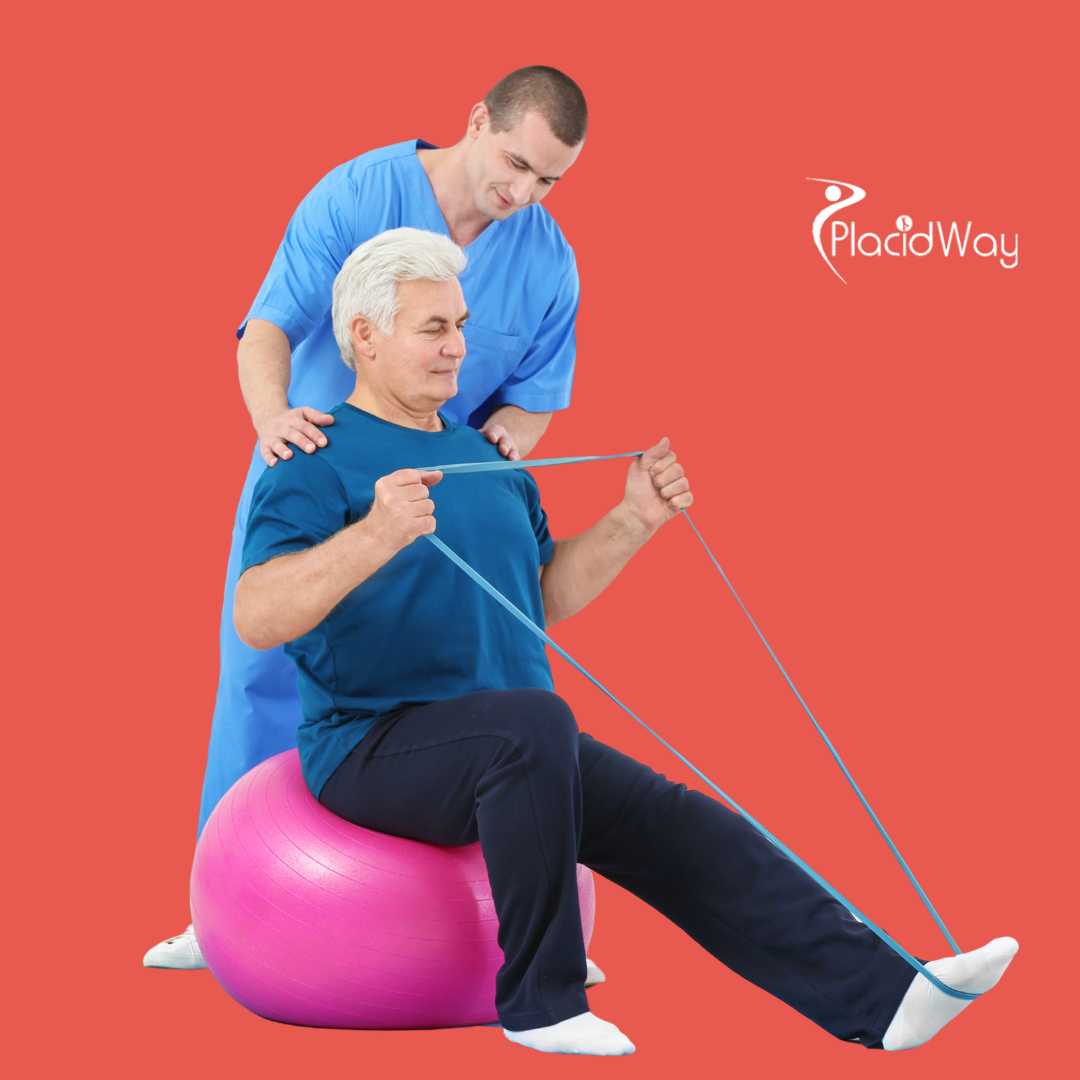
Passive treatments like ozone injections and decompression must be paired with active rehabilitation to ensure long-term success. Advanced physiotherapy for bulging discs in Italy goes far beyond basic stretches. Italian physical therapists are renowned for utilizing highly specialized, globally recognized postural methods.
One such technique is the Mézières Method, a postural rehabilitation approach highly favored in European medical centers. This method treats the body's muscular chains as a single interconnected unit. Therapists work to release chronic muscular tension that pulls the spine out of alignment, thereby reducing the sheer forces placed on the vulnerable discs.
Additionally, the McKenzie Method is widely utilized to centralize pain. By performing specific extension exercises, patients learn how to mechanically push the disc material away from the nerve canal. At , the video highlights how empowering the patient with these active recovery tools prevents future relapses.
Neuromotor Re-education
Chronic back pain changes the way a person moves. Patients develop compensatory movement patterns, limping or shifting their weight to avoid pain. Over time, these faulty biomechanics cause secondary pain in the hips, knees, and upper back.
Italian rehabilitation protocols place a heavy emphasis on neuromotor re-education. Using biofeedback machines, hydrotherapy pools, and core stabilization techniques, therapists retrain the brain to fire the correct muscles. Rebuilding the muscular corset around the spine provides a natural, biological fusion that protects the healed disc.
Comparing Surgical vs. Non-Surgical Hernia Treatments
When making medical decisions, patients must weigh the risks and benefits of all available options. The contrast between traditional surgical methods and the conservative management of slipped discs in Italy is stark. Below is a comparative breakdown of the two approaches.
| Feature / Approach | Spinal Surgery (Discectomy/Fusion) | Non-Surgical Care in Italy |
|---|---|---|
| Invasiveness | Highly invasive. Requires anesthesia, incisions, and bone/tissue removal. | Non-invasive to micro-invasive. No scalpels, no general anesthesia required. |
| Recovery Time | 3 to 6 months. High risk of postoperative stiffness and restricted mobility. | Immediate to a few weeks. Patients remain ambulatory throughout treatment. |
| Complication Risks | High. Risk of infection, nerve damage, blood clots, and Failed Back Surgery Syndrome. | Extremely low. Mild soreness from injections or mild muscle fatigue from therapy. |
| Impact on Spine Structure | Permanently alters biomechanics. Can cause adjacent segment disease over time. | Preserves natural spinal anatomy. Encourages natural tissue healing and hydration. |
This table clearly illustrates why international patients are choosing to travel. Protecting the structural integrity of the spine while eliminating pain is the ultimate goal of Italian non-surgical protocols.
Diagnostic Excellence: The Foundation of Italian Spinal Care
Successful non-surgical intervention relies entirely on accurate, high-resolution diagnostics. Top centers for spinal treatment in Italy do not simply rely on outdated X-rays. They utilize advanced functional imaging to map the precise nature of the nerve compression.
Patients undergo high-tesla Magnetic Resonance Imaging (MRI) combined with upright, weight-bearing scans. Traditional MRIs are performed with the patient lying down, which removes gravity from the spine. Upright MRIs allow Italian specialists to see exactly how the disc herniates when the patient is standing and bearing their own body weight.
Electromyography (EMG) and nerve conduction velocity tests are also standard protocol. As shown at , these tests measure the electrical activity of the muscles and nerves. This data confirms exactly which nerve root is being strangled by the hernia, allowing doctors to target their ozone injections and decompression angles with millimeter precision.
Creating a Personalized Protocol
Once the diagnostic phase is complete, the medical team drafts a highly personalized treatment protocol. There is no one-size-fits-all approach in Italian spinal care. A young athlete suffering an acute lumbar herniation will receive a vastly different combination of therapies than an elderly patient with chronic degenerative disc disease.
This customized approach guarantees that the intensity of the spinal decompression, the dosage of the ozone therapy, and the specific physical therapy exercises are perfectly matched to the patient's biological capacity to heal.
The Cost Benefits of Medical Tourism for Spinal Care in Italy
Beyond the undeniable clinical benefits, the financial advantages of seeking treatment of intervertebral hernia without surgery in Italy are compelling. In the United States and the United Kingdom, navigating private spine care is notoriously expensive. Even with insurance, out-of-pocket deductibles for back surgery, hospital stays, and post-op physical therapy can easily exceed tens of thousands of dollars.
Conversely, the cost structure in Italy is highly transparent and surprisingly affordable. Comprehensive conservative care packages, which include advanced diagnostics, multiple ozone therapy sessions, computerized decompression, and one-on-one physiotherapy, often cost a fraction of a single surgical procedure in the US.
When factoring in the cost of flights, luxury accommodation, and the medical treatments themselves, patients routinely find that medical tourism yields massive savings. More importantly, avoiding the hidden costs of surgical complications and extended time off work makes this non-invasive route incredibly cost-effective.
The Healing Power of the Mediterranean Lifestyle
The environment in which a patient heals plays a critical role in their overall recovery. Recovering in a sterile, stressful hospital environment at home is not conducive to reducing systemic inflammation. Traveling to Italy offers the unique advantage of the Mediterranean healing environment.
Patients are encouraged to walk gently through historic piazzas, reducing stress and promoting healthy blood flow to the healing spine. The renowned Mediterranean diet, rich in extra virgin olive oil, omega-3 fatty acids, and fresh produce, naturally lowers inflammation markers in the body. This holistic integration of advanced medicine, affordability, and a beautiful, low-stress environment makes Italy the ultimate destination for resolving back pain permanently.
Ready to Heal Your Back Pain Without Surgery?
PlacidWay Medical Tourism connects you with world-renowned orthopedic specialists and top-rated spinal clinics in Italy. Take the first step toward a pain-free life using advanced, non-invasive therapies.
REQUEST YOUR FREE CONSULTATION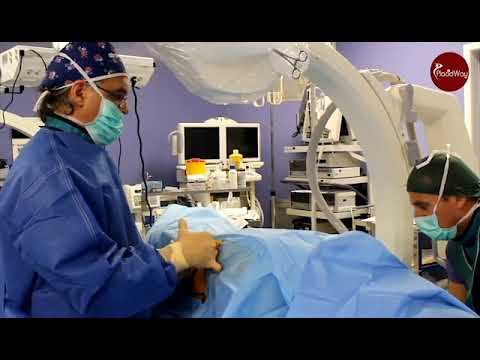

.png)









Share this listing