


Stem Cell Treatment for Rheumatoid Arthritis: A Patient Testimonial and Comprehensive Guide
Living with the debilitating effects of systemic joint inflammation can drain every ounce of your energy, making even the simplest everyday tasks feel entirely insurmountable. The featured video highlights a deeply moving and powerful patient testimonial exploring stem cell treatment for rheumatoid arthritis, shedding light on a groundbreaking approach to autoimmune disease management.
By targeting the root cause of immune dysfunction rather than merely suppressing the symptoms, advanced regenerative medicine is fundamentally changing the landscape of autoimmune care. Watch to discover how a real patient transitioned from enduring chronic, restrictive joint pain to reclaiming their mobility and quality of life through the power of advanced stem cell therapy for rheumatoid arthritis.
Video Chapters & Quick Navigation
Understanding the Relentless Burden of Rheumatoid Arthritis
Rheumatoid arthritis is fundamentally distinct from standard wear-and-tear osteoarthritis. It is a highly complex, systemic autoimmune condition where the body's natural defense mechanisms essentially malfunction.
Instead of attacking foreign invaders like viruses or bacteria, the immune system mistakenly targets the synovium. This is the delicate lining of the membranes that surround your joints, and when attacked, it becomes severely inflamed and thickened.
This relentless biological attack creates a highly toxic environment within the joint capsule. Over time, the chronic inflammation leads to severe cartilage destruction, underlying bone erosion, and eventually, total joint deformity.
The Systemic Impact Beyond Joint Pain
The destructive nature of rheumatoid arthritis rarely confines itself merely to the hands, wrists, or knees. Because it is a systemic disease, the widespread inflammation circulates throughout the entire body.
Patients frequently experience debilitating chronic fatigue, severe brain fog, and a general sense of malaise that mimics a perpetual flu. In advanced stages, this unchecked systemic inflammation can even damage major organs, including the heart, lungs, and blood vessels.
This widespread biological chaos is exactly why finding an effective intervention is so critical. Traditional symptom management often falls short of addressing the underlying systemic dysfunction driving the disease.
Analyzing the Video Testimonial: A Journey from Pain to Mobility
The core of the featured video provides an intimate look into the daily struggles of a real patient battling severe autoimmune joint pain. As highlighted at the mark of the video, the patient vividly describes the terrifying sensation of waking up completely stiff.
Morning stiffness is a hallmark symptom of rheumatoid arthritis, often lasting for hours before the joints physically loosen enough to perform basic tasks. The patient recalls the emotional toll of losing their independence, unable to grip a coffee mug or button a shirt without excruciating pain.
This poignant narrative underscores the profound psychological impact of chronic illness. When your own body becomes a source of constant agony, the ensuing depression and anxiety can be just as difficult to manage as the physical symptoms themselves.
The Turning Point with Regenerative Medicine
A major shift in the patient's narrative occurs around , when they discuss their decision to pursue alternative treatments for severe rheumatoid arthritis. Frustrated by the side effects of conventional pharmaceuticals, they began researching regenerative options.
The patient details the smooth, minimally invasive nature of the stem cell infusion process. Unlike major joint replacement surgeries, the administration of mesenchymal stem cells is typically performed via intravenous (IV) drip and localized joint injections.
By the time the video reaches , the visible transformation is undeniable. The patient happily reports a massive reduction in joint swelling and a return to activities they had abandoned years ago.
The Severe Limitations of Traditional RA Medications
To truly appreciate the breakthrough nature of stem cell therapy for autoimmune diseases, we must first understand the severe limitations of standard rheumatological care. The traditional medical protocol relies heavily on Disease-Modifying Antirheumatic Drugs (DMARDs) and biologic agents.
Drugs like Methotrexate or TNF-inhibitors are designed to artificially suppress the entire immune system to prevent it from attacking the joints. While these medications can be effective at slowing disease progression, they come with a hefty, often dangerous price tag.
By dampening the immune response globally, patients are left highly vulnerable to opportunistic infections, viruses, and even certain types of cellular mutations. Furthermore, these drugs do nothing to actually repair the joint tissue that has already been destroyed.
The Cycle of Diminishing Returns
Another major frustration experienced by RA patients is the cycle of diminishing returns regarding their medications. A biologic drug that works miraculously for two years will frequently lose its efficacy entirely.
The body can build up antibodies against these synthetic medications, forcing the patient to constantly switch from one expensive biologic to another. This biological game of musical chairs leaves patients in a perpetual state of uncertainty and anxiety.
Regenerative medicine aims to break this frustrating cycle entirely. Rather than relying on synthetic suppression, it utilizes biological repair mechanisms to retrain the immune system naturally.
Decoding the Science: Mesenchymal Stem Cells (MSCs)
When discussing stem cell treatment for rheumatoid arthritis, we are specifically referring to Mesenchymal Stem Cells, or MSCs. These are adult, multipotent stem cells that hold extraordinary therapeutic potential for inflammatory conditions.
MSCs can be ethically sourced from various tissues, including a patient’s own bone marrow or adipose (fat) tissue. However, highly advanced clinics frequently utilize allogeneic MSCs derived from donated human umbilical cord tissue, specifically Wharton's Jelly.
Umbilical cord-derived MSCs are considered the gold standard in regenerative medicine for joint pain. They are highly robust, immunologically privileged (meaning they do not trigger a rejection response), and possess massive proliferative potential compared to older cells harvested from adult patients.
The Paracrine Effect and Cellular Communication
One of the most profound discoveries in regenerative medicine is that MSCs do not necessarily need to physically transform into new cartilage cells to heal the body. Instead, they act as powerful cellular managers through what is known as the "paracrine effect."
Once introduced into the bloodstream or the joint capsule, MSCs secrete a vast array of growth factors, cytokines, and exosomes. These potent biochemical signals act as a sophisticated communication network, commanding the patient's existing local cells to begin repairing damaged tissue.
This signaling mechanism rapidly decreases local joint inflammation and stimulates angiogenesis—the formation of new blood vessels. Improved blood flow brings vital oxygen and nutrients directly to the starving, damaged joint tissues.
Immunomodulation: Reprogramming a Faulty Immune System
The primary reason advanced stem cell therapy for rheumatoid arthritis is so effective lies in a process called immunomodulation. This is a stark contrast to the aggressive immunosuppression caused by traditional pharmaceutical drugs.
MSCs possess an incredible biological "homing mechanism." When infused intravenously, as described around in patient recovery discussions, these cells actively seek out areas of high inflammation throughout the body.
Once they arrive at the inflamed synovial tissue, they begin to interact directly with the patient's hyperactive immune cells. They specifically target and down-regulate the aggressive macrophage and T-cell populations that are actively destroying the joint.
Upregulating Regulatory T-Cells
Simultaneously, MSCs encourage the body to produce more Regulatory T-cells (Tregs). Tregs act as the "peacekeepers" of the immune system, signaling to the aggressive cells that the war is over and it is time to halt the attack.
By increasing the ratio of peaceful Tregs to aggressive immune cells, MSCs essentially reboot the immune system's faulty software. They teach the body to stop recognizing its own joint tissue as a foreign enemy.
This dual action—halting the active tissue destruction while simultaneously releasing growth factors to repair the damage—is why stem cell therapy provides such profound and long-lasting relief for RA sufferers.
Comparative Analysis: Standard Care vs. Regenerative Protocol
When evaluating options for severe rheumatoid arthritis, comparing the distinct paradigms of care is essential. The following table illustrates the major differences between conventional pharmacological management and regenerative stem cell therapy.
| Aspect of Treatment | Traditional DMARDs / Biologics | Advanced Stem Cell Therapy |
|---|---|---|
| Primary Mechanism | Systemic immunosuppression; masking pain and halting active immune response. | Immunomodulation; retraining the immune system and repairing damaged tissues natively. |
| Tissue Repair | None. Cannot reverse existing cartilage damage or bone erosion. | High. Secretes growth factors that stimulate new cartilage and blood vessel formation. |
| Side Effects & Risks | High risk of opportunistic infections, liver toxicity, fatigue, and potential lymphoma risks. | Minimal. Mild fatigue or temporary joint soreness at the injection site for 24-48 hours. |
| Treatment Frequency | Daily pills, weekly self-injections, or monthly hospital infusions for life. | Typically a one-time intensive protocol, with potential boosters every 2 to 5 years if needed. |
The Global Landscape: Traveling for Advanced Stem Cell Therapy
A frequent question patients ask after watching testimonials is why they must often travel abroad to receive the most effective forms of treatment. The answer lies heavily in domestic regulatory frameworks rather than medical capability.
In jurisdictions like the United States and Canada, the FDA and Health Canada strictly regulate the expansion and cultivation of stem cells. Domestic clinics are generally restricted to extracting a patient's own bone marrow or fat, spinning it in a centrifuge, and re-injecting it on the same day.
While autologous treatments can be mildly helpful for localized orthopedic injuries, they simply do not provide the massive, multi-million cell counts required to combat a systemic autoimmune disease like rheumatoid arthritis.
The Advantage of Expanded Cord Tissue MSCs
To achieve high rheumatoid arthritis stem cell success rates, patients require dosages of 50 million to over 300 million highly viable cells. This requires laboratory expansion—a process where stem cells are cultured over several days in a highly controlled environment.
Because laboratory expansion is heavily restricted in the US, patients are turning to medical tourism. Top-tier, internationally accredited clinics in destinations like Mexico, Colombia, and Panama operate under progressive regulatory frameworks that allow for the legal, safe expansion of Wharton's Jelly MSCs.
Companies like PlacidWay specialize in connecting North American and European patients with these advanced global medical hubs. They ensure that patients receive treatments that adhere to stringent ISO and Good Manufacturing Practice (GMP) standards, guaranteeing the highest safety and efficacy.
Qualifying for Treatment: Are You an Ideal Candidate?
While the video testimonial presents a highly successful outcome, it is crucial to understand that stem cell therapy is not a magic wand for everyone. Comprehensive medical screening is always the first step in the journey.
The ideal candidates for regenerative medicine for joint pain are typically patients who have been formally diagnosed with moderate to severe rheumatoid arthritis but still possess some viable joint space. If a joint has completely fused or there is absolutely zero cartilage remaining, full surgical joint replacement may be the only mechanical option left.
However, even in cases of severe joint destruction, stem cell therapy is frequently utilized prior to or shortly after surgery to calm systemic inflammation and dramatically speed up the postoperative healing process.
- Failed Biologics: Patients who have developed antibodies to standard medications or experience severe adverse reactions.
- Early Intervention: Patients newly diagnosed with RA looking to prevent long-term joint deformity before it begins.
- Holistic Seekers: Individuals highly motivated to step away from lifelong pharmaceutical dependence and engage in biological healing.
Post-Treatment Recovery and Maximizing Long-Term Success Rates
The recovery timeline following a stem cell infusion is unique compared to traditional surgeries. Because the procedure is minimally invasive, there is virtually zero physical downtime required. Patients often walk out of the clinic the very same day.
However, biological healing operates on its own schedule. As noted in the testimonial around , patients typically begin to notice a subtle decrease in morning stiffness and joint swelling within the first three to four weeks.
The most profound regenerative effects usually manifest between the three-month and six-month marks. This is the time required for the newly formed cartilage and regulated immune cells to establish dominance over the inflammatory pathways.
Understanding the Cost of Stem Cell Therapy for RA
Financial planning is a critical aspect of seeking advanced medical care. Because regenerative medicine is widely considered an elective or experimental treatment by domestic insurance companies, out-of-pocket payment is generally required.
The cost of stem cell therapy for RA varies significantly based on the cell count prescribed, the source of the cells, and the location of the clinic. In highly regulated environments where only autologous treatments are available, costs can range from $5,000 to $10,000 for a procedure that yields relatively low cell counts.
By utilizing medical tourism networks like PlacidWay, patients can access robust, ethically expanded allogeneic treatments at highly accredited international clinics for incredibly competitive prices, often securing customized medical packages that include airport transfers, luxury accommodations, and comprehensive post-treatment follow-up.
Lifestyle Synergy: Creating the Ultimate Healing Environment
A crucial point often stressed by leading regenerative medicine specialists is that stem cells are living biological entities. To maximize their potential and ensure high rheumatoid arthritis stem cell success rates, patients must cultivate a hospitable environment within their own bodies.
Continuing to consume highly processed, inflammatory foods or engaging in lifestyle habits like smoking will actively hinder the stem cells' ability to repair tissue. The newly introduced MSCs are forced to fight an uphill battle against diet-induced inflammation rather than focusing on the autoimmune dysfunction.
Patients who experience the most dramatic, testimonial-worthy results are those who pair their cellular therapy with rigorous anti-inflammatory diets, specialized physical therapy, and appropriate supplementation. This synergistic approach ensures the newly repaired joints remain healthy and functional for years to come.
Ready to Reclaim Your Mobility and Stop the Pain?
Don't let rheumatoid arthritis dictate your future. PlacidWay Medical Tourism connects you with the world's leading regenerative medicine clinics offering advanced, highly regulated stem cell therapy for autoimmune diseases. Discover your options today.
GET YOUR FREE CONSULTATION & QUOTE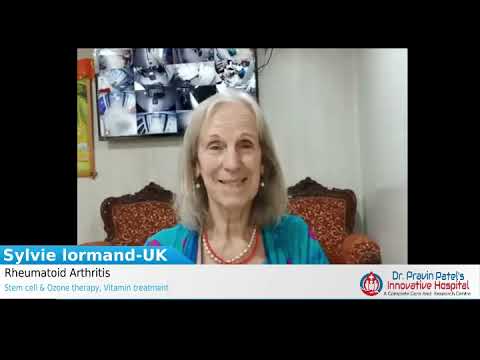




















Share this listing