
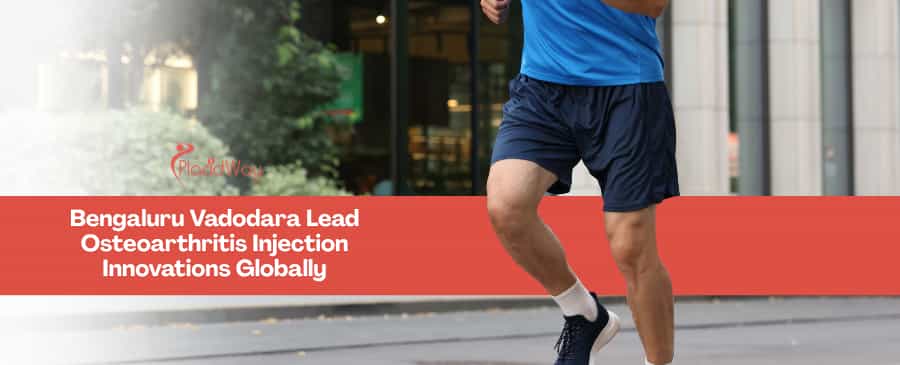
The landscape of modern orthopedics is shifting rapidly, with high-dose mesenchymal stem cell injections for osteoarthritis emerging as a compelling frontier. As degenerative joint diseases continue to impact millions globally, patients are actively seeking non-surgical pathways that focus on preservation and repair rather than purely mechanical replacement. India has systematically positioned itself at the epicenter of this regenerative revolution, leveraging profound advancements in biotechnology and medical infrastructure.
Specifically, healthcare ecosystems in the country have evolved to support highly regulated, advanced cellular therapies that attract patients worldwide. By combining deep medical expertise with cutting-edge laboratory cultivation techniques, Indian specialists are setting global benchmarks for joint preservation. For international patients suffering from chronic knee pain, this means accessing world-class regenerative interventions that prioritize holistic joint health.
India's biotechnology sector is projected to reach $150 billion by 2025, heavily fueled by investments in stem cell research, cellular manufacturing, and advanced regenerative medicine frameworks.
- Focuses on reducing intra-articular inflammation.
- Utilizes the body's natural immunomodulatory cellular responses.
- Aims to delay or potentially circumvent invasive orthopedic surgeries.
- Supported by rigorous clinical research and quality-controlled biological processing.
Why Bengaluru and Vadodara Lead the World in Knee Surgery Alternatives
By 2026, the trajectory of international medical tourism clearly points toward specialized regional hubs, explaining why Bengaluru and Vadodara are capturing global attention for joint therapies. Bengaluru, historically known as India's Silicon Valley, has seamlessly transitioned its technological prowess into the biopharmaceutical and cellular engineering spaces. Patients visiting a specialized clinic in Bengaluru benefit from facilities that rival top-tier institutions in North America and Europe.
Conversely, Vadodara has quietly emerged as a powerhouse for specialized pharmaceutical research and clinical excellence in regenerative care. Both cities foster environments where researchers, orthopedic surgeons, and cellular biologists collaborate closely. This synergy ensures that knee surgery alternatives in India are not just experimental, but are grounded in heavily scrutinized, protocol-driven medical science.
According to regional medical tourism reports, Bengaluru and Vadodara have seen a 40% year-over-year increase in inbound international patients specifically seeking non-surgical orthopedic cellular interventions.
- Concentration of highly trained orthopedic specialists and hematologists.
- Presence of internationally accredited biological processing laboratories.
- Favorable regulatory environments that support safe, ethical stem cell utilization.
- Robust infrastructure tailored for international patient care and comfort.
Understanding Mesenchymal Stem Cell Therapy for Knee Osteoarthritis
To grasp the significance of these treatments, one must understand how mesenchymal stem cell therapy for knee osteoarthritis operates on a biological level. Mesenchymal Stem Cells (MSCs) are multipotent adult stem cells typically sourced from bone marrow, adipose (fat) tissue, or ethically harvested umbilical cord tissue (Wharton's Jelly). When processed and injected in high doses into a degenerated knee, they generally function as powerful cellular signaling agents.
Rather than simply turning into new cartilage, these cells typically work through a "paracrine effect." This means they secrete cytokines, growth factors, and anti-inflammatory proteins that alter the microenvironment of the damaged joint. For patients suffering from the grinding pain of osteoarthritis, this biological shift most commonly aids in reducing chronic inflammation, modulating the local immune response, and stimulating the body's native repair mechanisms.
High-dose treatments typically involve concentrations ranging from 50 million to over 100 million viable mesenchymal stem cells per injection, significantly higher than what standard bedside centrifuge kits can produce.
- Immunomodulation: Regulates the inflammatory response within the knee capsule.
- Trophic Support: Secretes vital growth factors that support existing healthy cells.
- Anti-Apoptotic Effects: May help prevent premature cell death in the surrounding cartilage.
- Microenvironment Alteration: Shifts the joint from a degenerative state to a reparative state.
Cost of High-Dose Mesenchymal Stem Cell Injections in Bengaluru and Vadodara
One of the primary drivers propelling international patients toward South Asia is the highly favorable cost of stem cell injections in India. In Western countries, high-dose cultured MSC therapies are often prohibitively expensive and frequently excluded from standard health insurance coverage. By choosing medical travel, patients can access these elite therapies at a fraction of the cost, without compromising on laboratory safety or clinical expertise.
The cost disparity is largely attributed to lower administrative overhead, favorable exchange rates, and the localized presence of advanced bio-manufacturing facilities. Below is a realistic comparative analysis highlighting the financial advantages of seeking affordable regenerative medicine options globally.
| Procedure Name | Avg. Cost in India (Bengaluru/Vadodara) | Cost Comparison (USA / UK) |
|---|---|---|
| Autologous Bone Marrow MSCs (High-Dose) | $3,500 - $5,500 | $10,000 - $15,000 |
| Autologous Adipose-Derived MSCs | $4,000 - $6,000 | $12,000 - $18,000 |
| Allogeneic Wharton's Jelly MSCs (Cultured) | $5,000 - $8,500 | $15,000 - $25,000+ |
| Comprehensive Joint Assessment & Imaging | $300 - $600 | $1,500 - $3,000 |
Always request a detailed, itemized treatment plan before traveling. Ensure the quote explicitly details the type of stem cells being used, the exact cell count, laboratory processing fees, and post-injection follow-up consultations.
Top Benefits of Choosing Medical Tourism in India for Joint Health
The decision to pursue medical tourism in India for joint health transcends mere financial savings. It is fundamentally about accessing a convergence of high-tier medical technology and patient-centric care models. Facilities in these chosen cities are deeply experienced in catering to the nuanced needs of international patients, ensuring language barriers are non-existent and international protocols are strictly followed.
Moreover, the holistic approach adopted by medical professionals in these regions often integrates advanced cellular therapies with personalized rehabilitation, nutritional counseling, and biomechanical assessments. This comprehensive care model is designed to optimize the biological environment for the injected stem cells to thrive.
- Access to highly specialized, multidisciplinary medical boards.
- Use of state-of-the-art cGMP (Current Good Manufacturing Practice) laboratories.
- Shorter wait times compared to heavily burdened Western healthcare systems.
- Integrated rehabilitation services tailored to enhance cellular uptake and recovery.
Testimonial Summary: Richard's Journey to Mobility
Richard, a 62-year-old from the UK, faced a two-year waiting list for a knee replacement. Exploring alternatives, he opted for high-dose MSC therapy in Bengaluru. He reported a seamless medical experience and noted a significant reduction in joint stiffness within three months, allowing him to resume his daily walks.
Ideal Candidates for High-Dose Stem Cell Injections in India
While regenerative medicine offers immense potential, it is vital to acknowledge that not everyone is suited for these therapies. Identifying the ideal candidate is the most crucial step in achieving favorable outcomes. Stem cell clinics in Bengaluru and Vadodara enforce strict pre-screening protocols to ensure patients genuinely stand to benefit from the intervention.
Typically, ideal candidates are those in the mild to moderate stages of knee osteoarthritis who have exhausted traditional conservative treatments like physical therapy, NSAIDs, or corticosteroid injections. You can explore a variety of best regenerative medicine treatments abroad to see if your clinical profile matches the required criteria for cellular therapy.
Key Characteristics of Ideal Candidates:
- Diagnosed with Grade II or Grade III osteoarthritis.
- Experiencing chronic knee pain that limits daily activities.
- Possess adequate remaining cartilage space in the joint.
- Have realistic expectations regarding outcomes and timelines.
- Free from active systemic infections or blood-borne diseases.
Contraindications and Risks for Stem Cell Knee Treatments
As with any advanced medical intervention, patient safety relies heavily on transparent risk assessment. While stem cell injections are generally well-tolerated and minimally invasive, they do carry specific contraindications. Healthcare providers typically refuse treatment to patients with certain underlying medical conditions to prevent adverse reactions or treatment failure.
It is crucial to understand that results vary significantly from patient to patient, and cellular therapies never guarantee a complete regeneration of the joint. The medical teams in India prioritize exhaustive medical history reviews to mitigate potential complications and ensure ethical patient care.
- Contraindications: Active cancer, history of bone marrow disorders, severe coagulation disorders, and end-stage (Grade IV) osteoarthritis where "bone-on-bone" friction is absolute.
- Potential Risks: Temporary joint stiffness, mild swelling at the injection site, and, in rare instances, localized infection.
Patients currently undergoing immunosuppressive therapy, chemotherapy, or those with severe autoimmune disorders are typically strictly contraindicated for stem cell therapies. Full medical disclosure to your consulting physician is mandatory.
The Procedure: What to Expect at a Stem Cell Clinic in India
For international visitors, understanding the step-by-step clinical pathway alleviates anxiety and sets proper expectations. The procedure for osteorthritis stem cell treatment in Vadodara and Bengaluru is characterized by precision, adherence to sterile protocols, and advanced image-guided delivery mechanisms.
The journey typically spans several days, beginning with in-depth diagnostic imaging to map the knee's internal structure. Once the treatment plan is finalized, the actual injection phase is an outpatient procedure, ensuring patients do not require extended hospital stays.
- Comprehensive Diagnostic Review: High-resolution MRI and blood panels to confirm candidacy.
- Cell Preparation: If autologous, cells are harvested (from fat or marrow) and sent to the lab for concentration and purification. If allogeneic, pre-cultured Wharton's jelly cells are prepared.
- Image-Guided Injection: Utilizing ultrasound or fluoroscopy, the specialist precisely delivers the high-dose cells directly into the intra-articular space of the knee.
- Post-Procedure Observation: A brief monitoring period in the clinic before being discharged to rest.
The use of real-time ultrasound guidance during the injection drastically increases the efficacy of the treatment, ensuring the stem cells are deposited precisely in the areas of maximum cartilage degradation.
Recovery and Rehabilitation Timeline in Bengaluru and Vadodara
The post-injection phase is critical to the success of regenerative therapies. Unlike major joint surgeries, the physical recovery from a stem cell injection is relatively swift, though the biological remodeling inside the knee takes much longer. Specialists in India place a heavy emphasis on customized, progressive rehabilitation protocols to assist the healing process.
Patients are typically advised to spend a few days resting in their hotel before flying home. Over the ensuing weeks and months, adherence to specific physical therapy guidelines helps optimize joint mechanics and protect the freshly treated environment.
- Days 1-3: Rest, minimal weight-bearing, and management of mild swelling.
- Weeks 1-4: Gentle range-of-motion exercises; avoidance of NSAIDs (which can inhibit the healing inflammatory response).
- Months 2-3: Gradual reintroduction of low-impact cardiovascular activities (e.g., swimming, cycling).
- Months 4-6: This is typically when patients experience the most significant milestones in pain reduction and joint mobility.
Testimonial Summary: Maria's Rehabilitation Experience
Maria traveled from Canada to Vadodara for bilateral knee injections. She was particularly impressed by the detailed physical therapy roadmap provided by her Indian medical team. By month four, she noted a drastic reduction in her reliance on daily pain medication and enjoyed pain-free cycling.
How Stem Cell Injections Compare to Traditional Knee Replacement
When weighing knee surgery alternatives in Bengaluru against traditional Total Knee Arthroplasty (TKA), patients must evaluate their long-term goals, risk tolerance, and allowable downtime. Total knee replacement is a highly successful, structural fix for end-stage arthritis, but it involves excising the natural joint, inserting metal and plastic components, and committing to months of painful rehabilitation.
Stem cell therapy, conversely, is a biological intervention designed to preserve the native joint anatomy. While it cannot fix severe mechanical deformities or replace completely eroded bone, it offers a vastly different recovery profile for those who qualify.
| Feature | High-Dose Stem Cell Injections | Total Knee Replacement (TKA) |
|---|---|---|
| Invasiveness | Minimally invasive (Injection) | Highly invasive (Major surgery) |
| Anesthesia | Local / Mild Sedation | General / Spinal Anesthesia |
| Hospital Stay | Outpatient (Few hours) | Inpatient (2 - 5 days) |
| Joint Preservation | Preserves native joint anatomy | Removes natural bone and cartilage |
Testimonial Summary: David's Choice for Preservation
Facing early retirement due to osteoarthritis, 55-year-old David opted against immediate knee replacement. After receiving high-dose MSC therapy in India, he preserved his native knee anatomy and returned to his active career as a general contractor within weeks rather than months.
Technologies Driving the Success of Stem Cell Therapy in India
The remarkable outcomes observed in India are heavily dependent on the sophisticated biomedical infrastructure present in cities like Bengaluru and Vadodara. These regional hubs do not rely on outdated, bedside point-of-care centrifuges; rather, they utilize dedicated cell expansion laboratories. This ensures the viability, sterility, and high potency of the mesenchymal stem cells administered.
Advancements in cell culturing allow scientists to isolate the most robust cells and multiply them into the tens of millions. This high-dose approach is generally considered vital for overcoming the harsh, inflammatory environment of an arthritic knee.
- Flow Cytometry: Used to meticulously characterize and verify the precise stem cell markers prior to injection.
- Cryopreservation Facilities: Allows for safe storage and viability maintenance of biological materials.
- Advanced Fluoroscopy & Musculoskeletal Ultrasound: Ensures pinpoint accuracy during intra-articular delivery.
- Clean Room Technology: Guarantees ISO-certified sterile environments during cell manipulation.
Clinical studies indicate that utilizing image-guided injection techniques improves the accuracy of intra-articular delivery to nearly 99%, compared to blind injections which can miss the joint capsule up to 30% of the time.
Preparing for Your Medical Journey to Bengaluru or Vadodara
Proper preparation is the cornerstone of a successful medical trip. Traveling for regenerative medicine for knee pain requires coordination between your home physician and your chosen specialists in India. Patients must organize their medical records, recent MRI scans, and comprehensive medical histories to share with the international team ahead of time.
Furthermore, securing an Indian medical visa and understanding the local climate and logistics will drastically reduce pre-procedure stress. Both Bengaluru and Vadodara are cosmopolitan centers equipped with excellent hospitality sectors catering specifically to international healthcare travelers.
- Obtain digital copies of your latest knee MRIs (ideally less than 6 months old).
- Discontinue NSAIDs (like Ibuprofen or Naproxen) at least two weeks prior, as advised by your doctor.
- Apply for the official Indian e-Medical Visa online well in advance.
- Prepare a list of all currently taken medications and supplements.
Pack loose, comfortable clothing, especially trousers or shorts that easily accommodate potential post-injection knee swelling. Compression socks are also highly recommended for the long-haul flight back home.
Testimonial Summary: Sarah's Smooth Logistics
Sarah, arriving from Australia, felt overwhelmed by the thought of traveling for medical care. However, she found the preparation protocols provided by her chosen facility in Bengaluru to be incredibly comprehensive, ensuring she arrived confident, medically prepared, and completely at ease.
How PlacidWay Assists Your Stem Cell Therapy Medical Tourism Journey in India
Navigating the complex landscape of global regenerative medicine can be daunting for patients seeking the most secure and effective clinical options. Ensuring that you are connecting with verified, credentialed medical teams rather than unvetted facilities is paramount for your safety and medical outcome. PlacidWay serves as a dedicated facilitator, deeply experienced in bridging the gap between international patients and world-class healthcare centers.
By streamlining your initial research and clinical introductions, PlacidWay focuses entirely on elevating the value, safety, and transparency of your medical journey. Here is how their comprehensive platform supports your pursuit of advanced knee preservation therapies:
- Access to a rigorously vetted network of globally accredited regenerative medicine clinics.
- Direct facilitation of initial medical consultations and specialized case reviews with top-tier orthopedic experts.
- Provision of transparent, detailed medical quotes that outline treatment specifics and biological protocols.
- Dedicated assistance in gathering and transferring medical records and MRI imaging securely.
- Guidance on understanding international medical certifications and laboratory standards.
PlacidWay has empowered thousands of patients globally by connecting them exclusively with medical institutions that strictly adhere to international bio-safety and ethical healthcare standards.
Frequently Asked Questions About Knee Stem Cell Injections in India
As patients explore alternatives to joint replacement, thorough education is essential. Understanding the intricacies of the therapy, travel logistics, and expected outcomes helps in making an informed, confident healthcare decision.
Below are some of the most common inquiries international medical tourists have regarding high-dose mesenchymal stem cell injections for osteoarthritis in India.
How long do the effects of high-dose mesenchymal stem cell injections typically last?
Most patients generally experience sustained relief for several years, though longevity depends on disease severity and lifestyle. Follow-up treatments are occasionally required to maintain optimal joint function.
Are stem cell injections a guaranteed cure for osteoarthritis?
No treatment can guarantee a complete cure for osteoarthritis. However, high-dose mesenchymal stem cell therapy typically helps manage symptoms, reduce inflammation, and may promote tissue repair.
Why are international patients choosing Bengaluru and Vadodara for this procedure?
These cities boast world-class biotechnology hubs, internationally accredited healthcare facilities, and highly specialized regenerative medicine experts offering advanced treatments at a fraction of Western costs.
Is the stem cell procedure painful?
The procedure is generally well-tolerated, as it is typically performed under local anesthesia. Patients may experience mild discomfort or swelling at the injection site for a few days.
How long should I plan to stay in India for treatment?
Medical tourists typically stay for 7 to 14 days to allow for comprehensive pre-treatment evaluations, the procedure itself, and initial follow-up consultations.
Will I need a specific visa for medical tourism in India?
Yes, international patients are generally required to apply for an Indian Medical Visa (e-Medical Visa). This specific category ensures lawful entry for healthcare purposes.
What type of stem cells are used for knee osteoarthritis?
Specialists typically utilize Mesenchymal Stem Cells (MSCs) sourced from bone marrow, adipose (fat) tissue, or umbilical cord Wharton's Jelly, due to their strong immunomodulatory properties.
Can I return to physical activities after the injection?
Patients are generally advised to rest the joint for a few weeks, followed by a structured physical therapy regimen. High-impact activities should typically be avoided until medically cleared.
Does insurance cover stem cell therapy abroad?
Currently, most traditional Western health insurance plans do not cover international regenerative medicine procedures. Patients usually fund these treatments out-of-pocket.
Are there any age limits for receiving stem cell injections?
While there is no strict upper age limit, candidacy is typically determined by overall health, bone density, and the severity of joint degeneration rather than chronological age alone.
Take the First Step Toward Joint Preservation
If you are exploring non-surgical solutions for knee osteoarthritis, expert medical teams in India offer a compelling, advanced alternative. Begin your journey toward improved mobility and joint health today.
References
- National Center for Biotechnology Information (NCBI). Mesenchymal Stem Cell Therapy for Osteoarthritis: Current Perspectives. https://pmc.ncbi.nlm.nih.gov/articles/PMC4559256/
- Mayo Clinic. Stem cell therapy and regenerative medicine. https://www.mayoclinic.org/tests-procedures/bone-marrow-transplant/in-depth/stem-cells/art-20048117
- ClinicalTrials.gov. High-Dose Mesenchymal Stem Cell Injections in Osteoarthritis of the Knee. https://clinicaltrials.gov/ct2/show/NCT02123368



.png)


-(5).png)
-(5).png)
-(7).png)
-(9).png)

.jpg)
.jpg)
.jpg)
.jpg)








Share this listing