
What Factors Affect Stem Cell Therapy Cost in India?
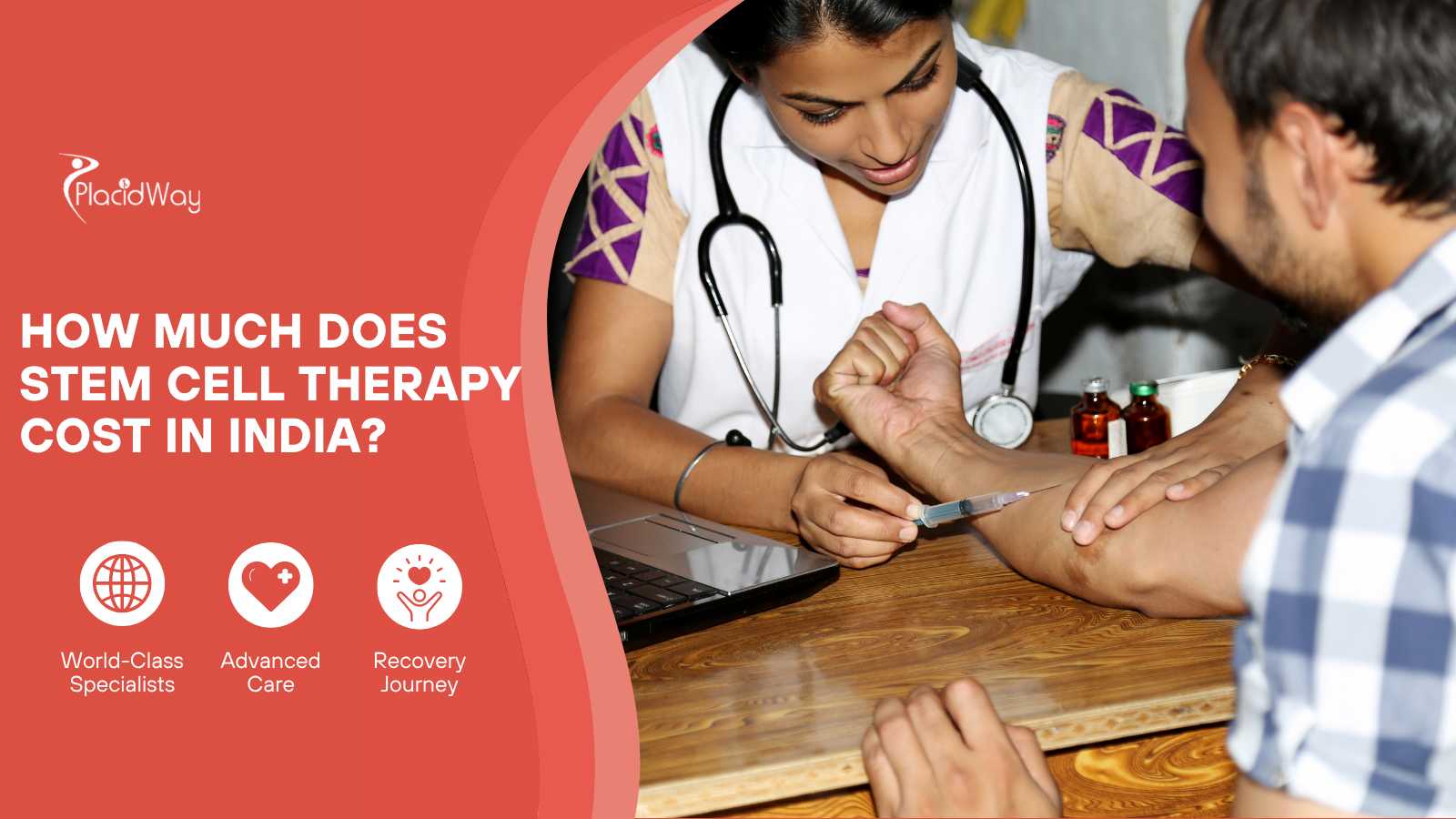
Stem cell therapy cost in India typically ranges between $15,000 and $35,000 depending on treatment specifics. Autologous procedures generally fall on the lower end, while allogeneic transplants cost more due to donor matching and complex care.
Medical Disclaimer: The information provided in this educational article should not replace professional medical advice. Cost estimates are subject to change and vary widely by clinic, city, specific case complexity, and comprehensive treatment requirements. Always consult directly with a qualified healthcare provider regarding diagnostic and treatment decisions.
Key Takeaways
- The estimated baseline pricing fluctuates between $15,000 and $35,000 based on required medical interventions.
- Autologous options utilize the cells of the patient, significantly reducing overall donor testing and logistical expenses.
- Allogeneic variants require a genetically matched donor, introducing additional international registry fees and compatibility screening costs.
- Traveling patients must budget accurately for extended post-operative stays due to mandatory isolation protocols.
- Selecting highly specialized clinical centers ensures proper access to vital international standard infection control protocols.
What exactly is a stem cell transplant and how does it function?
This procedure actively replaces damaged or diseased bone marrow with healthy cellular material to restore essential blood production. The clinical journey involves collecting vital cells, chemically conditioning the patient, and safely infusing the new biological material.
The intensive medical process initiates with careful cellular collection from either the patient themselves or a thoroughly screened matched donor. These highly specialized cells are subsequently processed in an advanced laboratory environment and securely cryopreserved until the attending medical team prepares the patient body for the pivotal infusion stage.
Patients must first undergo a rigorous pre-treatment conditioning regimen utilizing targeted chemotherapy or advanced radiation therapy. This highly critical step helps purposefully eliminate existing diseased cells within the bone marrow and deliberately suppresses the natural immune system to effectively prevent the rapid rejection of the newly introduced healthy cells.
The preserved healthy cells are then meticulously administered intravenously, an experience clinically similar to receiving a standard blood transfusion. Over several delicate weeks following the procedure, these vital cells naturally migrate directly into the bone marrow spaces where they gradually begin generating a completely fresh supply of functioning red cells, white cells, and platelets.
Expert Insight
The conditioning phase is often considered the most physically demanding portion of the entire treatment timeline. Proper nutritional support and proactive symptom management during this specific window are absolutely essential for achieving positive long-term patient outcomes.
What primary factors influence the stem cell therapy cost in India?
The total expected financial investment depends heavily on the specific transplant type, institutional infrastructure, and extensive donor matching fees. Additional pricing variables include the depth of pre-operative clinical testing and vital post-treatment pharmacology.
- Transplant Categorization: Autologous procedures generally result in lower baseline expenses since they entirely bypass complex donor matching, whereas allogeneic variants necessitate comprehensive international donor searches and specialized acquisition fees.
- Clinical Facility Standards: Selecting a modern tertiary hospital properly equipped with advanced positive-pressure isolation units typically increases the overall base estimate compared to standard healthcare facilities offering only fundamental inpatient amenities.
- Underlying Medical Condition: The specific severity and progression stage of the illness dictate the precise intensity of the required conditioning regimen, directly impacting the mandatory duration of highly specialized clinical care.
- Admission Duration: Patients typically must reside in highly protected isolation rooms for several consecutive weeks to properly mitigate severe infection risks, and prolonged hospital monitoring significantly impacts the final tabulated medical bill.
- Supportive Pharmaceuticals: Post-transplant biological recovery necessitates long-term immunosuppressive prescriptions and highly frequent follow-up specialist consultations that cumulatively add heavy recurring costs to the total projected expenditure.
How do autologous and allogeneic procedures differ in price?
Autologous transplants typically range from fifteen thousand to twenty thousand dollars, making them relatively budget-friendly. Conversely, allogeneic transplants are usually priced between twenty-two thousand and thirty-five thousand dollars due to vastly more complex donor requirements.
An autologous transplant safely utilizes the own stem cells of the patient, which dramatically reduces logistical complexities and associated clinical expenses. Since the medical team faces no requirement to meticulously find, scientifically test, or financially compensate an external donor, the overall financial burden remains notably lower for the patient.
Conversely, an allogeneic transplant mandates the acquisition of healthy stem cells from a genetically matched external donor. The highly extensive process of properly searching global registries, conducting highly specific human leukocyte antigen compatibility tests, and securely harvesting cells from a second human individual adds substantial inherent costs to the entire procedure.
Furthermore, allogeneic procedures carry a statistically higher risk of immune complications. This elevated potential risk strongly necessitates a much more intensive post-operative clinical care plan, longer average hospital stays, and vastly more expensive prophylactic drug regimens, which inevitably elevate the overall final price point.
| Transplant Category | Primary Cell Source | Estimated Cost Range | Common Clinical Applications |
|---|---|---|---|
| Autologous Method | Patient body | $15,000 - $20,000 | Multiple Myeloma, Certain Lymphomas |
| Allogeneic Method | Matched external donor | $22,000 - $35,000 | Acute Leukemia, Severe Aplastic Anemia |
What medical conditions can stem cell therapy in India potentially treat?
This highly advanced cellular therapy is primarily utilized to treat severe chronic blood disorders, complex immune deficiencies, and specific aggressive cancers. It may offer a viable potential path to hematological recovery for suitable patients who have unfortunately exhausted conventional pharmaceutical options.
- Leukemias and Lymphomas: These fast-moving aggressive blood cancers are among the most common clinical reasons patients ultimately seek complete bone marrow replacement to safely attempt the restoration of healthy blood cell production.
- Multiple Myeloma: Individuals currently suffering from this specific plasma cell cancer frequently undergo focused autologous transplants immediately following intensive chemotherapy phases to help actively prolong their disease remission periods.
- Severe Aplastic Anemia: When the existing bone marrow inexplicably fails to produce sufficient volumes of new blood cells, actively introducing healthy donor stem cells can potentially treat this otherwise severe and life-threatening condition.
- Sickle Cell Disease: This painful inherited red blood cell disorder may sometimes be effectively and safely managed by utilizing a carefully planned allogeneic transplant derived from a closely genetically matched sibling.
- Immune System Disorders: Specific pediatric and adult patients heavily burdened with severe combined immunodeficiency or other genetic immune system failures may benefit significantly from safely receiving healthy functional donor cells.
How can international patients choose a reliable stem cell therapy clinic in India?
Finding a clinically trustworthy medical facility carefully requires verifying global international accreditations, assessing exact medical team expertise, and thoroughly reviewing institutional infection control protocols. Patients absolutely must prioritize heavily specialized oncology centers offering dedicated transplant units.
The critical first step involves stringent accreditation verification. Prospective patients should actively look for clinical facilities formally recognized by highly esteemed global healthcare organizations, such as the Joint Commission International. This specific status ensures strict verifiable adherence to demanding international quality metrics and rigid patient safety standards.
Furthermore, analyzing specialist credentials remains paramount. International travelers should prioritize official medical credential verification by independently checking the leading specialist registration with the Medical Council of India. Reviewing their highly specific bone marrow transplant volume experience and historic complication management records yields deeper confidence.
Finally, patients must meticulously evaluate infrastructure standards and transparent pricing models. A highly reliable clinic must proudly feature high-efficiency particulate air filtered isolation rooms to properly protect vastly immunocompromised patients during fragile recovery. Reliable institutions provide exceptionally clear, itemized baseline cost estimates upfront.
Important Consideration
Never rely solely on digital marketing materials when selecting a destination clinic. Always explicitly request documented proof of specialized medical team certifications and carefully inquire about the exact nurse-to-patient ratio maintained within their dedicated bone marrow transplant isolation wards.
What is the typical recovery timeline after undergoing this procedure?
The fragile initial recovery phase usually firmly requires an uninterrupted hospital stay of roughly three to six weeks, while absolute full immune system restoration can painfully take up to twelve entire months. Patients must strictly adhere to demanding lifestyle modifications.
Immediately following the pivotal cellular infusion, patients rapidly experience a highly anticipated period where their overall blood counts drop significantly toward zero. During these intensely critical first few weeks, they are incredibly susceptible to opportunistic environmental infections and firmly require constant clinical supervision enclosed within a heavily sterilized hospital environment.
Once essential blood counts finally stabilize at safer baseline levels, the patient may be cautiously discharged but absolutely must remain residing exceptionally close to the main medical facility. The highly documented first one hundred days are incredibly crucial for actively monitoring potential early complications, strictly requiring highly frequent outpatient clinic visits and extensive laboratory testing.
Long-term biological recovery happens very gradually as the completely new immune system slowly matures over the next several consecutive months. Discharged patients are firmly advised to rigorously follow highly specific dietary guidelines and actively maintain highly regular digital communication with their local healthcare providers upon returning home.
Are there hidden expenses associated with treatment and medical tourism in India?
While prestigious hospitals readily provide detailed initial estimates, traveling patients should wisely budget for multiple additional expenses like extensively extended accommodations and highly specialized protective medications. Proper robust financial planning is absolutely crucial.
- Pre-Transplant Medical Evaluations: Extensive mandated blood work, sophisticated imaging scans, and baseline vital organ function tests strictly required right before the core procedure might not be fully covered inside basic initial quotes.
- Extended Local Accommodations: Immediately after initial hospital discharge, vulnerable patients must strictly stay resting inside a highly clean, nearby private apartment for several consecutive weeks, adding massive daily living expenses.
- Long-term Outpatient Medications: Mandated long-term clinical prescriptions for heavy immunosuppressants, targeted antivirals, and protective prophylactic antibiotics can severely add substantial recurring out-of-pocket costs over the highly critical first year.
- Unforeseen Clinical Complications: Unexpectedly developing highly severe opportunistic infections or acute graft rejection episodes may tragically necessitate immediate readmission to intensive care, which can drastically and rapidly multiply the overall bill.
- Required Caregiver Expenses: Actively traveling with a dedicated companion is highly mandatory for this intense procedure, meaning recovering patients must thoroughly account for companion food, lodging, and local transit.
What are the potential risks and complications of this cellular therapy?
While potentially life-saving, this intensive intervention carries highly significant medical risks. Complications can range from easily manageable side effects to severe, life-threatening immunological reactions that demand immediate intensive care intervention.
One of the most heavily monitored primary risks remains severe opportunistic infection. Because the preparatory conditioning regimen virtually eradicates the natural immune defenses of the patient, even normally harmless everyday bacteria or minor respiratory viruses can rapidly trigger overwhelmingly severe illnesses during the vulnerable engraftment phase.
For individuals undergoing an allogeneic procedure, Graft-Versus-Host Disease remains a highly prominent and dangerous long-term complication. In this complex scenario, the newly transplanted donor immune cells mistakenly identify the natural tissues of the patient as completely foreign and aggressively begin attacking vital organs such as the liver, delicate skin, or gastrointestinal tract.
Furthermore, the intensely toxic nature of the mandatory high-dose pre-treatment chemotherapy can predictably cause severe organ toxicity over time. Patients may subsequently experience varying degrees of heart tissue damage, reduced lung capacity, or highly impaired kidney function, which heavily dictates the sheer necessity for vigilant long-term medical follow-up.
Did You Know?
The mandatory critical requirement for painstakingly finding an exact human leukocyte antigen match is the dominant primary reason allogeneic transplants are typically vastly more medically complex and financially costly to perform than relatively simpler autologous procedures.
Why Choose PlacidWay for your international medical journey?
PlacidWay actively serves as a comprehensive global medical portal firmly connecting exploring patients with properly certified healthcare providers worldwide. The robust platform deeply empowers individuals to make highly informed healthcare decisions by offering easily accessible facility data.
- Extensive Global Network Access: Gain direct access to a carefully organized broad selection of highly accredited hospitals and strictly qualified medical professionals located across multiple diverse geographical regions.
- Transparent Institutional Information: Openly review highly detailed provider professional profiles, available clinical treatment options, and facility technical credentials to comparatively evaluate critical healthcare choices prior to making decisions.
- Direct Provider Communication: Seamlessly facilitate early interactions directly with your chosen destination medical facilities to specifically ask highly detailed clinical questions and thoroughly clarify complex proposed treatment plans.
- Comprehensive Educational Resources: Easily utilize broadly structured informational guides and educational articles that actively help exploring patients deeply understand their specific medical conditions.
- Customized Healthcare Option Browsing: Independently explore a massive variety of available medical packages actively tailored to address highly specific individual health needs and personal budget requirements.
Frequently Asked Questions
Is a stem cell transplant painful?
The actual infusion of stem cells is generally well-tolerated and feels similar to receiving a standard blood transfusion. However, the pre-treatment conditioning phase involving chemotherapy can cause significant discomfort and fatigue.
How long does a stem cell transplant procedure take?
The infusion process itself usually takes only a few hours to complete. The entire hospital admission period, encompassing pre-conditioning and initial monitored recovery, typically spans three to six weeks depending on patient response.
What is the general success rate of stem cell transplants in India?
Outcomes vary widely based on patient age, the underlying condition being treated, and the specific transplant category. Survival and remission rates depend heavily on disease stage, organ function, and overall donor compatibility.
Can I fly immediately after receiving a stem cell transplant?
Patients are strongly advised against air travel immediately after hospital discharge due to their heavily compromised immune system. Medical experts typically recommend waiting at least one hundred days before undertaking long flights.
Do health insurance plans cover this specific medical procedure?
Many international health insurance plans may cover this procedure if clinical experts deem it medically necessary. Patients must consult their provider directly to understand coverage limits and obtain pre-authorization for overseas care.
What exactly is graft versus host disease?
This is a potential and serious complication of an allogeneic transplant where donated immune cells mistakenly attack the healthy tissues of the patient. It requires prompt medical intervention and long-term immunosuppressive medications to manage.
How is a donor selected for an allogeneic stem cell transplant?
Donors are chosen based on human leukocyte antigen tissue typing to find the closest possible genetic match. Siblings offer the highest statistical chance, but international registries are frequently utilized for unrelated compatible donors.
What specific dietary restrictions are necessary post-treatment?
Patients must follow a strict neutropenic diet to prevent severe foodborne infections during recovery. This involves completely avoiding raw fruits, undercooked meats, and unpasteurized dairy, ensuring all consumed meals are thoroughly cooked.
Are there strict age limits for receiving this cellular therapy?
While younger patients generally experience fewer severe complications, modern advancements in conditioning regimens have made the procedure safer for older individuals. The clinical decision is based heavily on overall physiological health rather than strict chronological age.
Can this therapy permanently cure severe blood disorders?
A transplant is a standard treatment avenue for various blood disorders, generally utilized to achieve prolonged disease remission. While some patients experience long-term cures, others may still require ongoing maintenance therapy to prevent relapse.
Compare Treatment Options Worldwide
Take the crucial next step in your global healthcare journey. Connect seamlessly with accredited international providers, compare baseline cost estimates, and access the vital medical information you need to make a properly informed decision.
Request Treatment Information.png)


.png)
-(9).png)

-(5).png)




.jpg)
.jpg)
.jpg)
.jpg)










Share this listing